In the competitive world of jelly candy production, maintaining top-tier quality is paramount for factories specializing in gummies or biscuits with gelatin-based components. Yet, one insidious factor often overlooked is humidity control. Dubbed the silent killer of jelly candy quality, uncontrolled humidity can sabotage even the most meticulously crafted recipes, leading to costly defects, reduced shelf life, and lost customer trust. This article delves into why humidity wreaks havoc on jelly candy and how advanced production lines, such as those from YTjellycandymachine, can mitigate these risks effectively.
Table of Contents
Humiditys Impact on Jelly Candy Formation
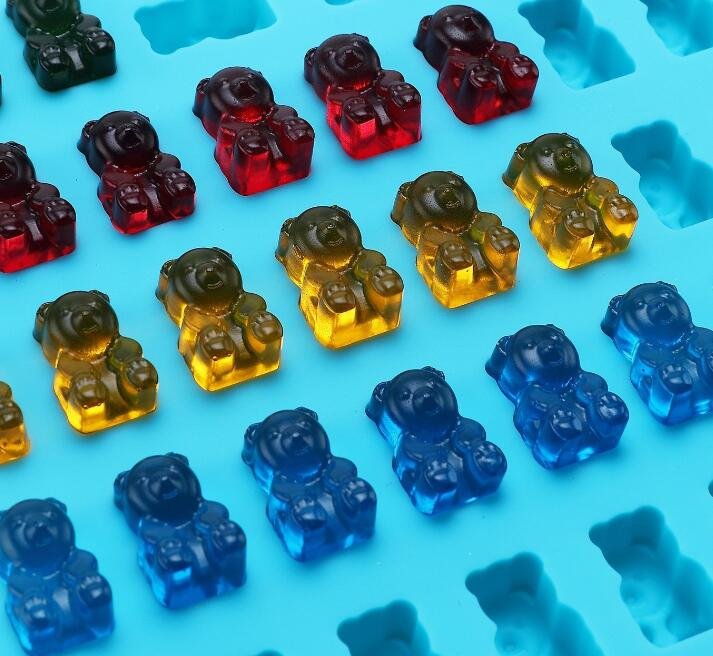
Jelly candies rely on precise gelatin gelation, where sugar syrups and fruit purees set into chewy, translucent treats. Humidity interferes at multiple stages. During cooling and setting, excess moisture in the air penetrates the warm candy mass, diluting the gelatin matrix. This results in softer textures that fail to hold shape, causing candies to slump or stick together on conveyor belts. Transitioning from deposition to packaging, high humidity exacerbates stickiness, complicating automated handling and increasing waste.
Conversely, low humidity poses its own threats by accelerating moisture evaporation from the candy surface. This creates a brittle outer layer over a moist interior, leading to cracking during transport or storage. Factories producing gummy candies or biscuit fillings infused with jelly often report inconsistent batches, directly traceable to fluctuating ambient humidity. Understanding these dynamics is the first step toward safeguarding quality.
Key Defects Caused by Poor Humidity Control
The ramifications of humidity imbalance manifest in visible and sensory defects. Sticky surfaces prevent proper release from molds, while overly dry conditions cause shrinkage and deformation. Over time, these issues compound, affecting not just immediate output but long-term brand reputation. To illustrate the spectrum of problems, consider the following bulleted list of common defects:
- Stickiness and clumping: High humidity causes candies to adhere, blocking production lines.
- Soft centers or blooming: Excess moisture leads to sugar crystallization on surfaces.
- Brittleness and cracking: Low humidity dries out the exterior prematurely.
- Reduced shelf life: Imbalanced moisture gradients promote microbial growth.
- Color fading: Humidity fluctuations alter pH, destabilizing natural pigments.
These defects not only increase scrap rates but also heighten operational downtime, making humidity control a non-negotiable priority for efficiency.
Scientific Underpinnings of Humiditys Role
At its core, jelly candy quality hinges on water activity (Aw), the measure of free water available for chemical reactions. Ideal Aw for gummies ranges from 0.60 to 0.75. High relative humidity (RH) above 60% elevates Aw, fostering bacterial proliferation and texture degradation. Low RH below 40% drops Aw excessively, yielding hard, unpalatable products.
Gelatin’s hydrophilic nature amplifies this vulnerability. As a protein derived from collagen, it absorbs ambient water readily, swelling and weakening the gel network. Pectin or starch alternatives in low-sugar gummies face similar perils. Data from industry studies show that a mere 10% RH swing can double defect rates. Thus, precise environmental regulation transitions production from trial-and-error to predictable excellence.
Quantifying Humidity Effects A Comparative Table
To provide concrete insight, the table below compares jelly candy outcomes at varying RH levels during a standard 24-hour production cycle, based on controlled factory trials. Metrics include texture score (1-10, higher is firmer), defect rate (%), and shelf life (weeks).
| Relative Humidity (%) | Texture Score | Defect Rate (%) | Shelf Life (Weeks) |
|---|---|---|---|
| 30-40 (Low) | 4.2 | 28 | 8 |
| 45-55 (Optimal) | 8.7 | 3 | 20 |
| 60-70 (High) | 5.1 | 35 | 10 |
| 75+ (Excessive) | 2.8 | 52 | 6 |
This data underscores humidity’s profound influence. Factories ignoring these thresholds face amplified costs, whereas those mastering control achieve superior yields and quality consistency.
Solutions Through Advanced Production Lines
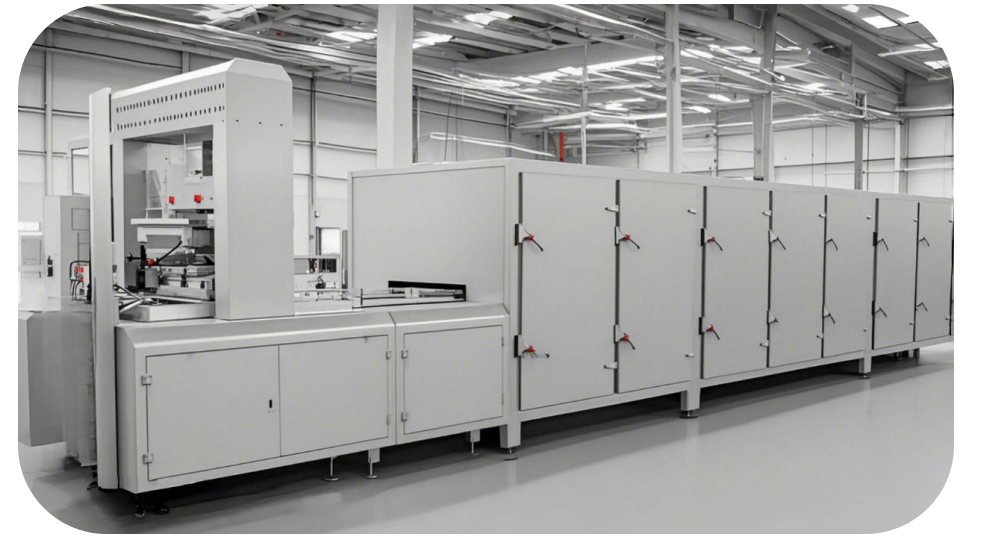
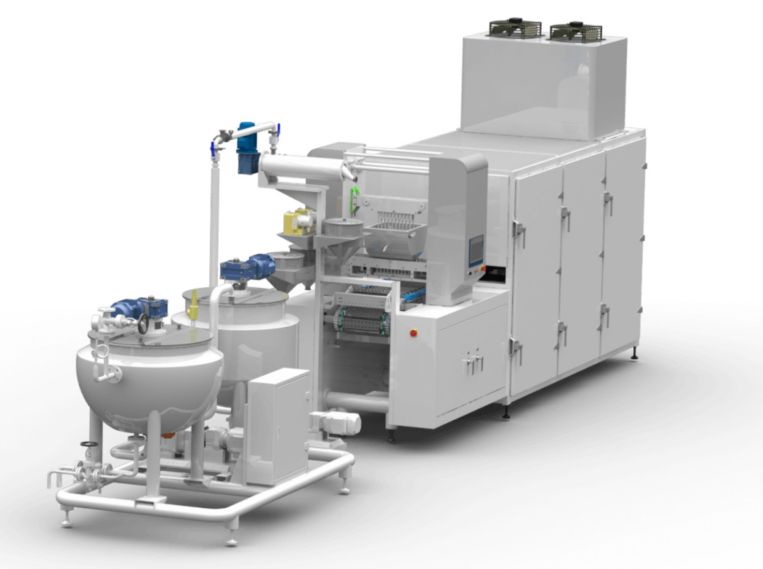
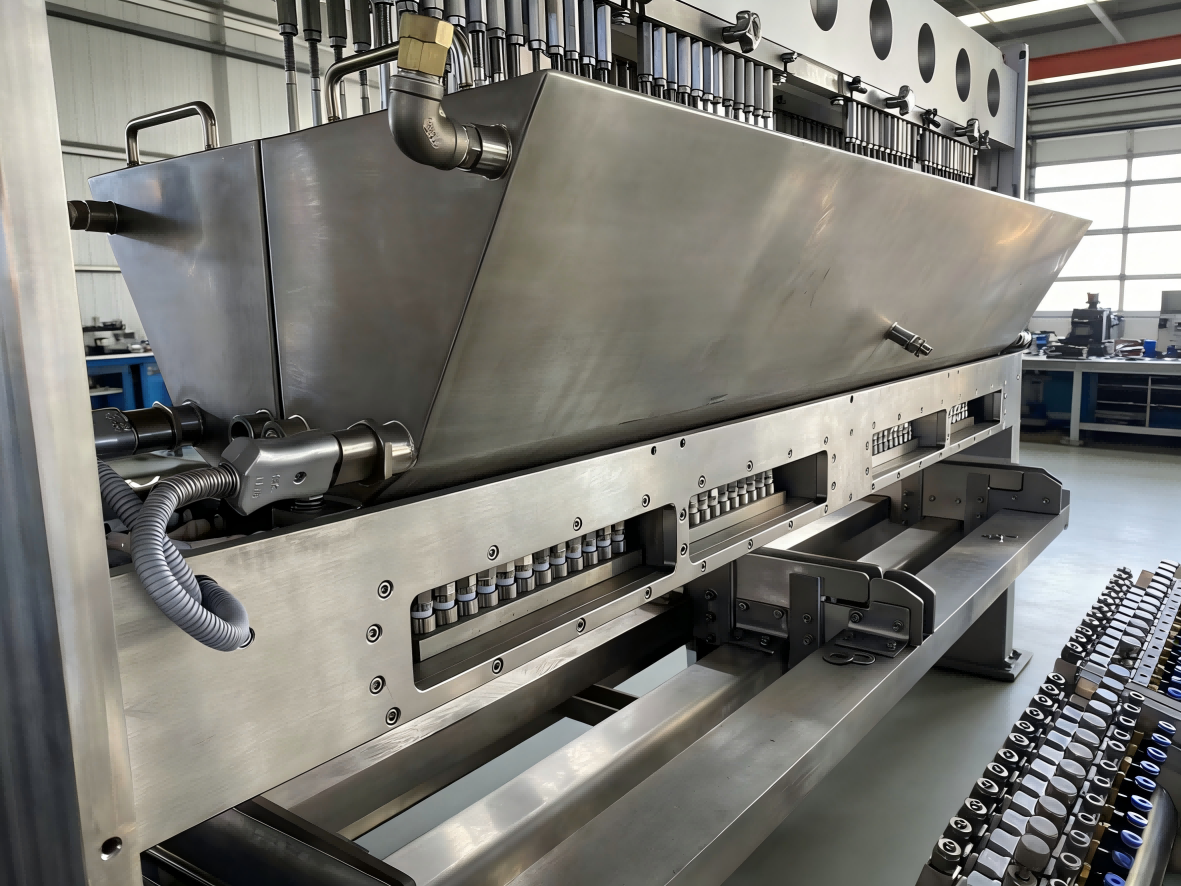
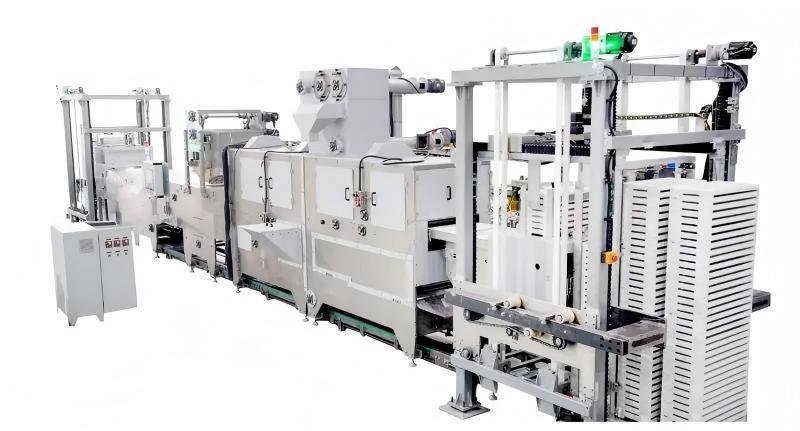
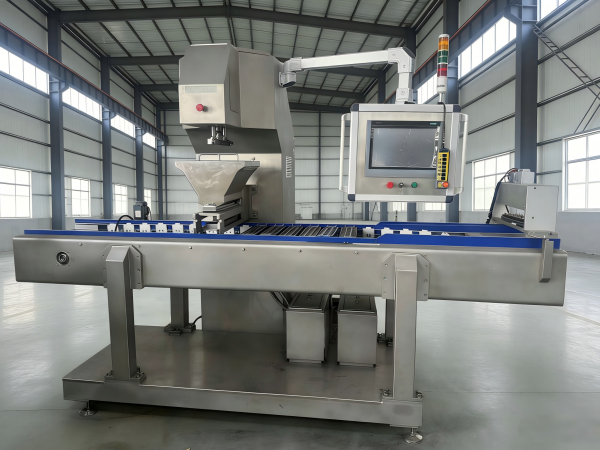
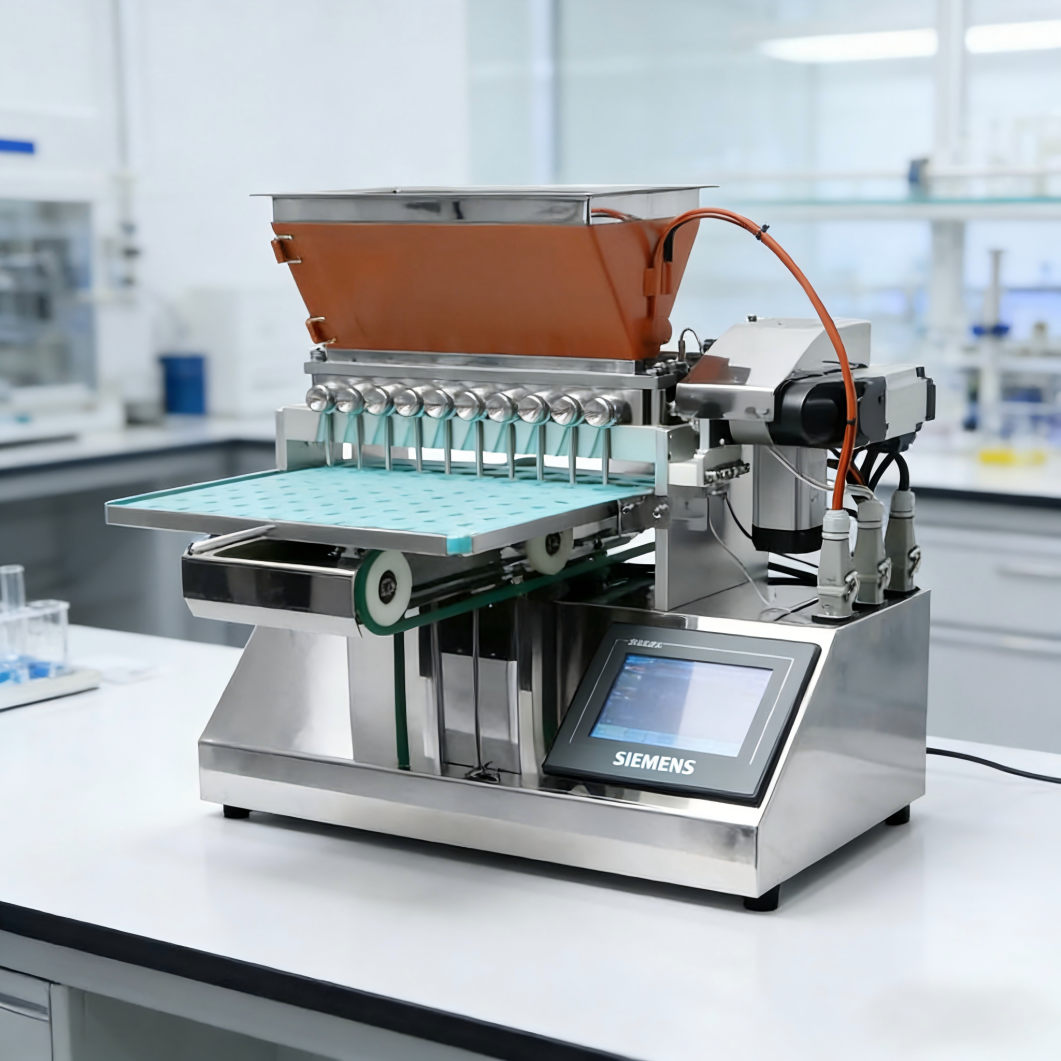
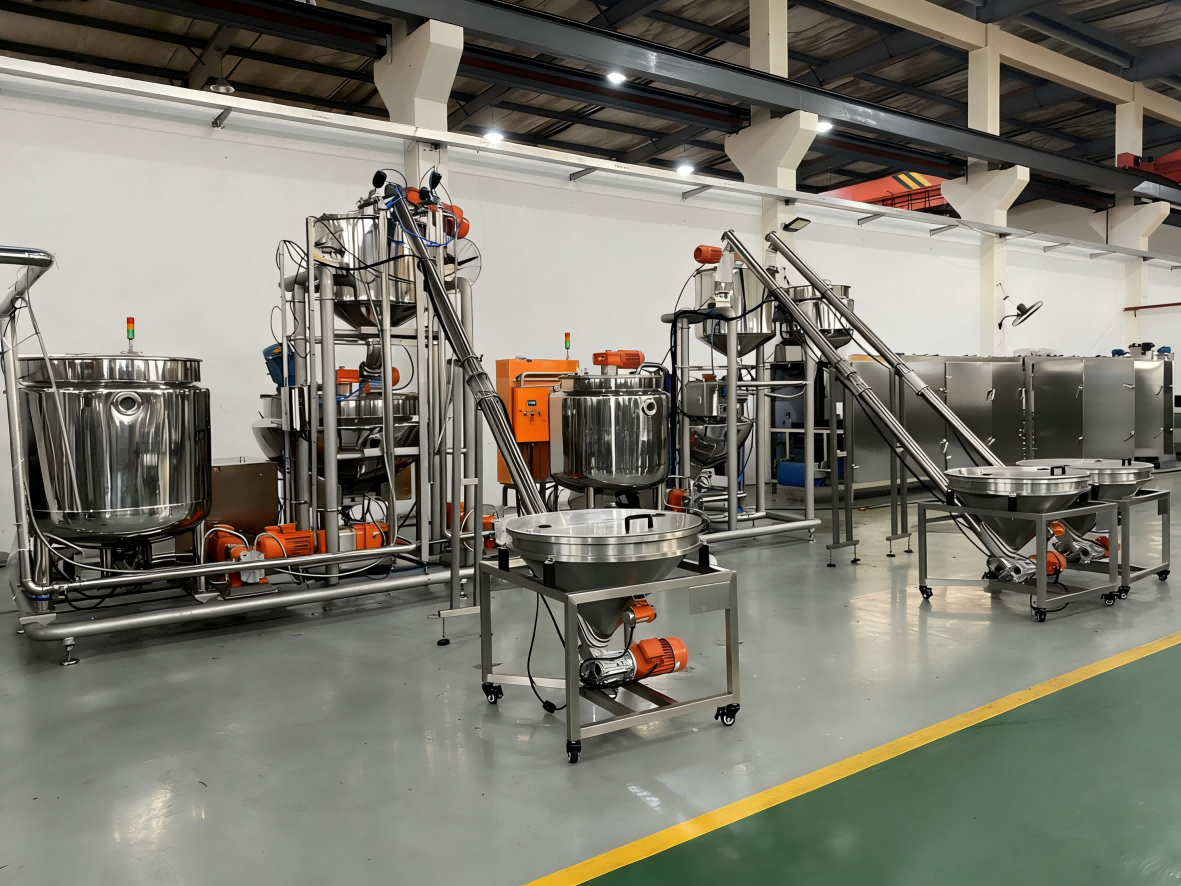
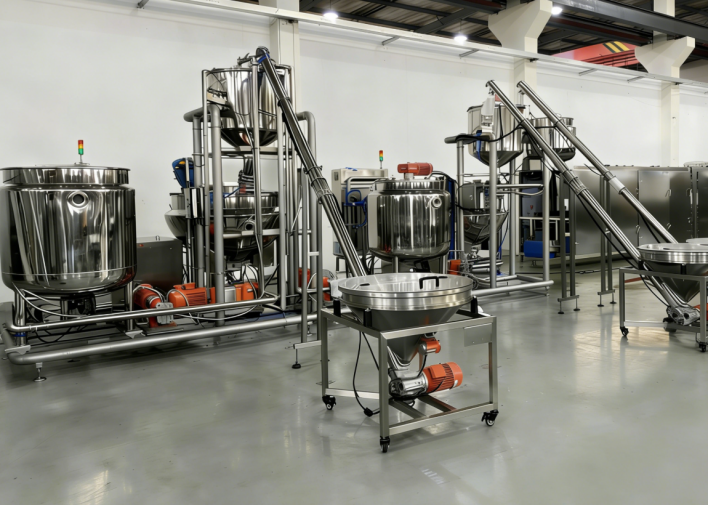
Addressing humidity demands integrated systems beyond basic dehumidifiers. YTjellycandymachine excels here, offering state-of-the-art production lines with built-in humidity regulation. Our enclosed cooling tunnels maintain RH at 45-55% via HEPA-filtered air circulation and real-time sensors, preventing ingress of external moisture. For gummy factories transitioning from biscuits, YTjellycandymachine lines feature modular designs adaptable for hybrid products.
Moreover, YTjellycandymachine incorporates PLC-controlled environments syncing humidity with temperature and deposition speeds. This synergy ensures uniform gelation, reducing defects by up to 90%. Clients from candy gummy sectors praise our rapid ROI, as consistent quality boosts market share. Beyond hardware, YTjellycandymachine provides calibration protocols and remote monitoring, empowering seamless operation even in humid Chinese climates or exported to tropical regions.
Transitioning to YTjellycandymachine technology means elevating from reactive fixes to proactive mastery. Hygroscopic ingredients like invert sugar demand such precision, and our lines deliver it affordably from our China-based factory.
Best Practices for Implementation
Implementing effective humidity control starts with site assessment. Seal production areas to minimize air exchange, then deploy zoned climate units. Regular calibration of sensors prevents drift. For biscuit factories eyeing jelly diversification, integrating YTjellycandymachine ensures scalability. Staff training on monitoring dashboards further cements reliability.
Cost-benefit analyses reveal savings: a 20% defect reduction translates to thousands in reclaimed product monthly. As global demand for premium gummies surges, factories leveraging YTjellycandymachine position themselves as leaders in quality assurance.
In summary, humidity control is indeed the silent killer undermining jelly candy quality, but it is conquerable with the right technology. By prioritizing precise RH management through YTjellycandymachine production lines, factories can unlock unparalleled consistency, efficiency, and profitability. Invest in controlled environments today to sweeten tomorrow’s success.
Last Updated on April 27, 2026 by YTjellycandymachine