Table of Contents
What is the Maximum Output Capacity of a Standard Jelly Candy Line
In the competitive world of confectionery manufacturing, understanding the capabilities of production equipment is crucial for business growth. A standard jelly candy line represents a fully integrated system designed to produce high-quality jelly candies through processes like cooking, depositing, cooling, and packaging. For factories specializing in biscuits or gummy candies, investing in a reliable jelly candy line such as those from YTjellycandymachine can open new revenue streams by diversifying product offerings. This article explores the maximum output capacity of these lines, shedding light on what defines “standard,” key influencing factors, and how factories can achieve peak performance.
Defining a Standard Jelly Candy Line
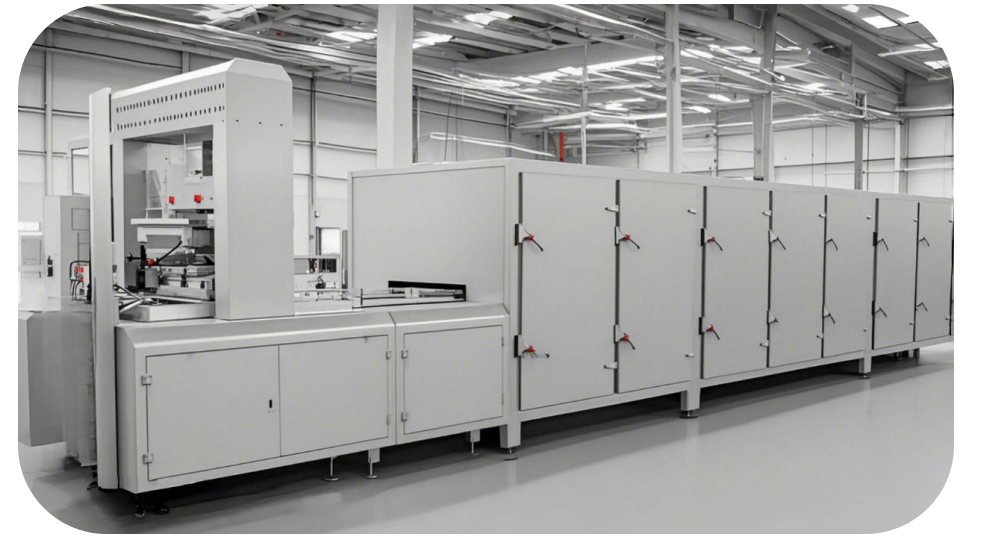
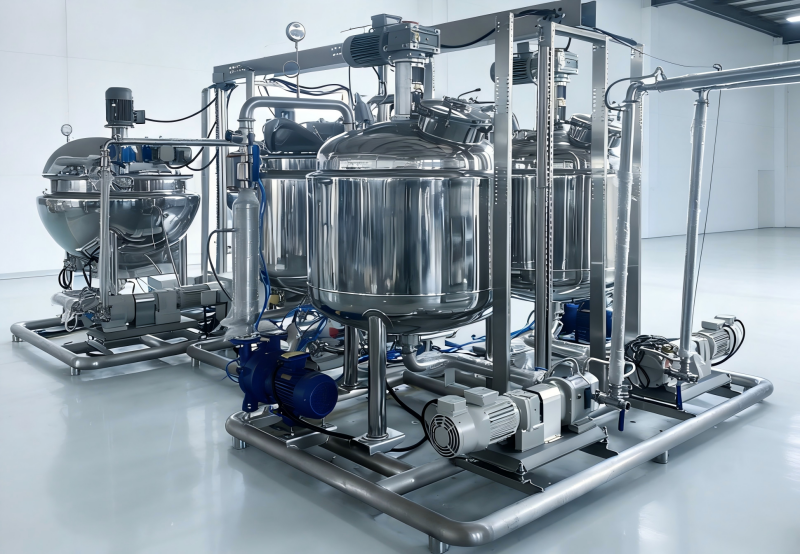
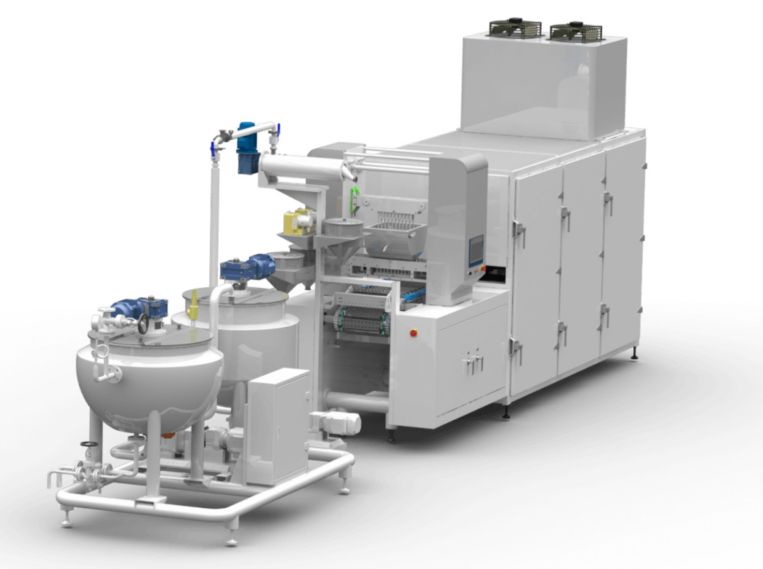
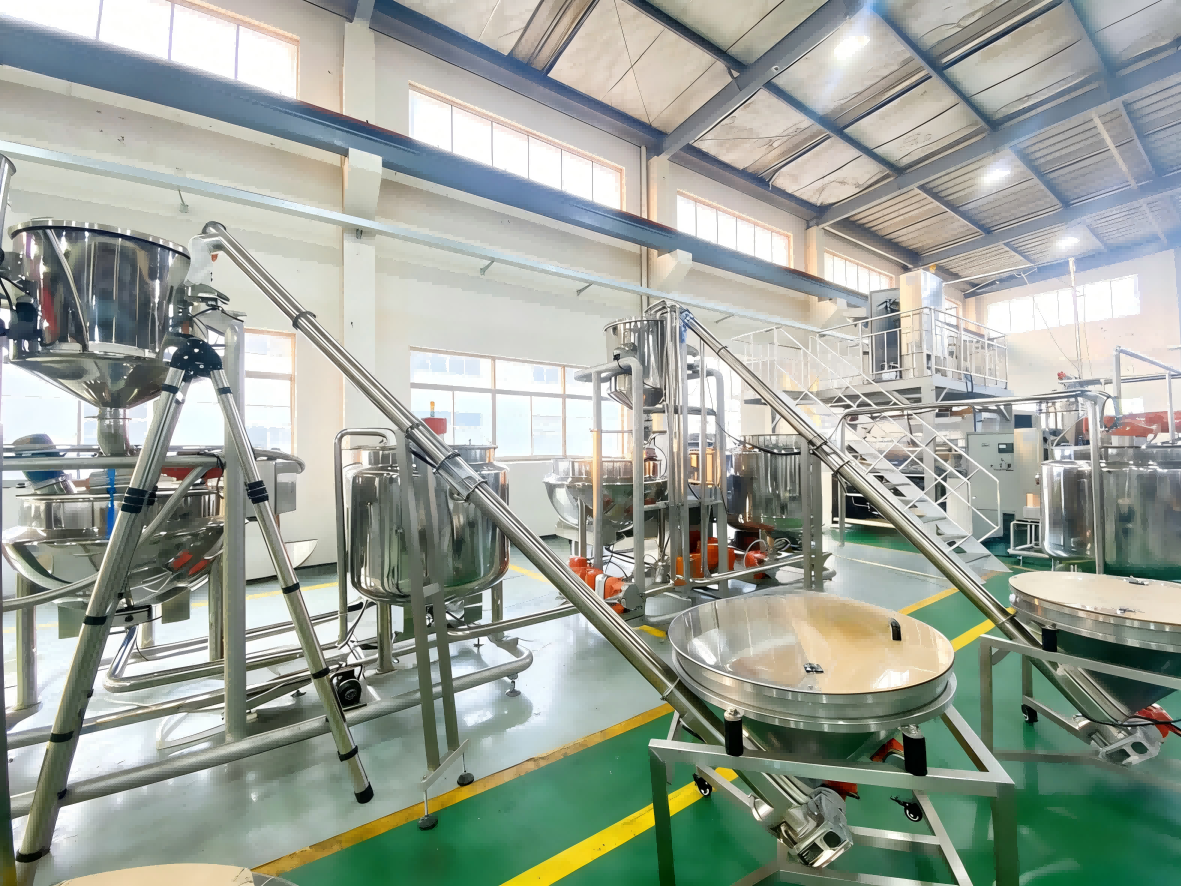
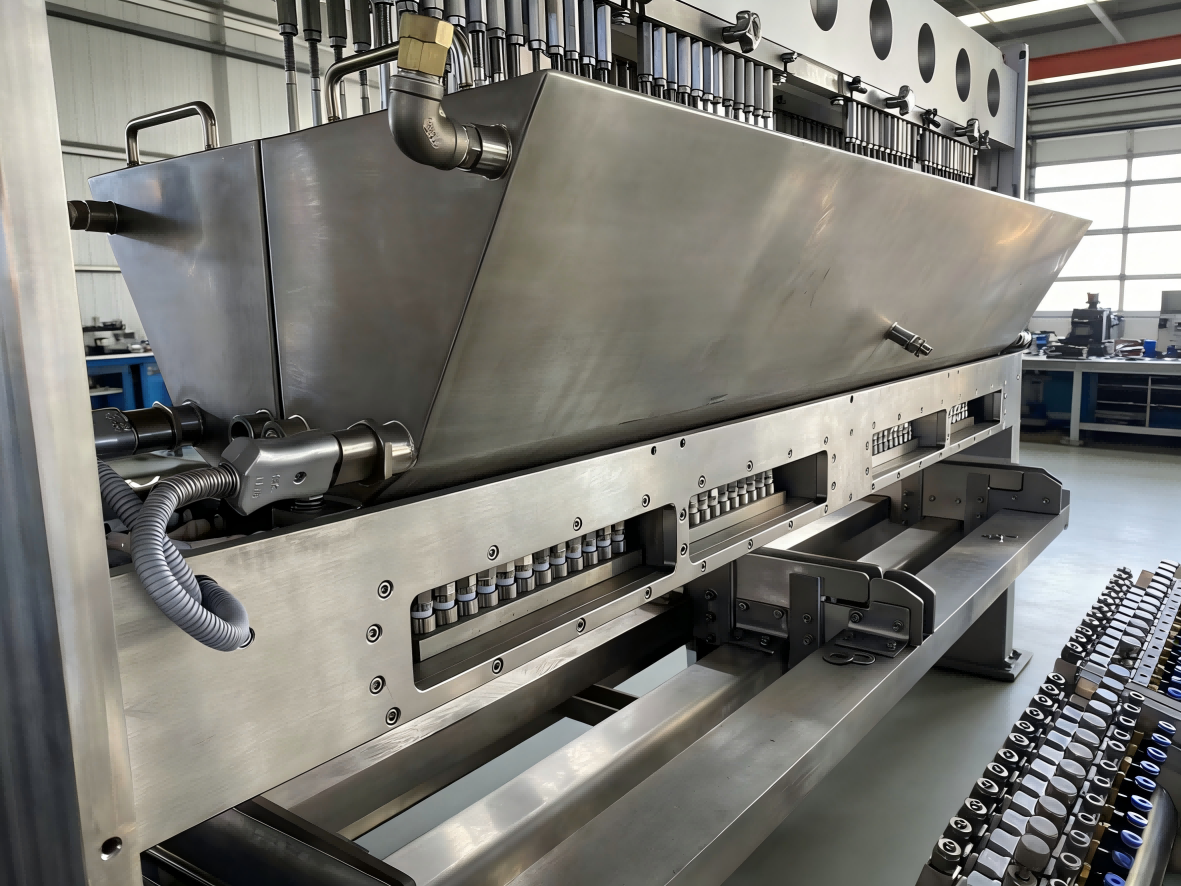
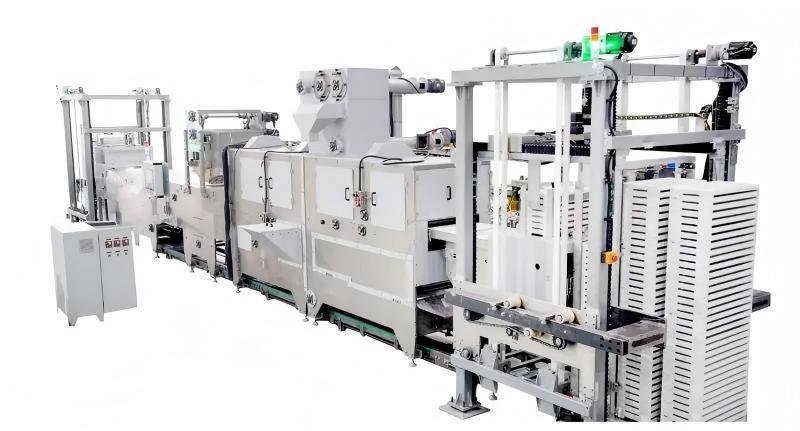
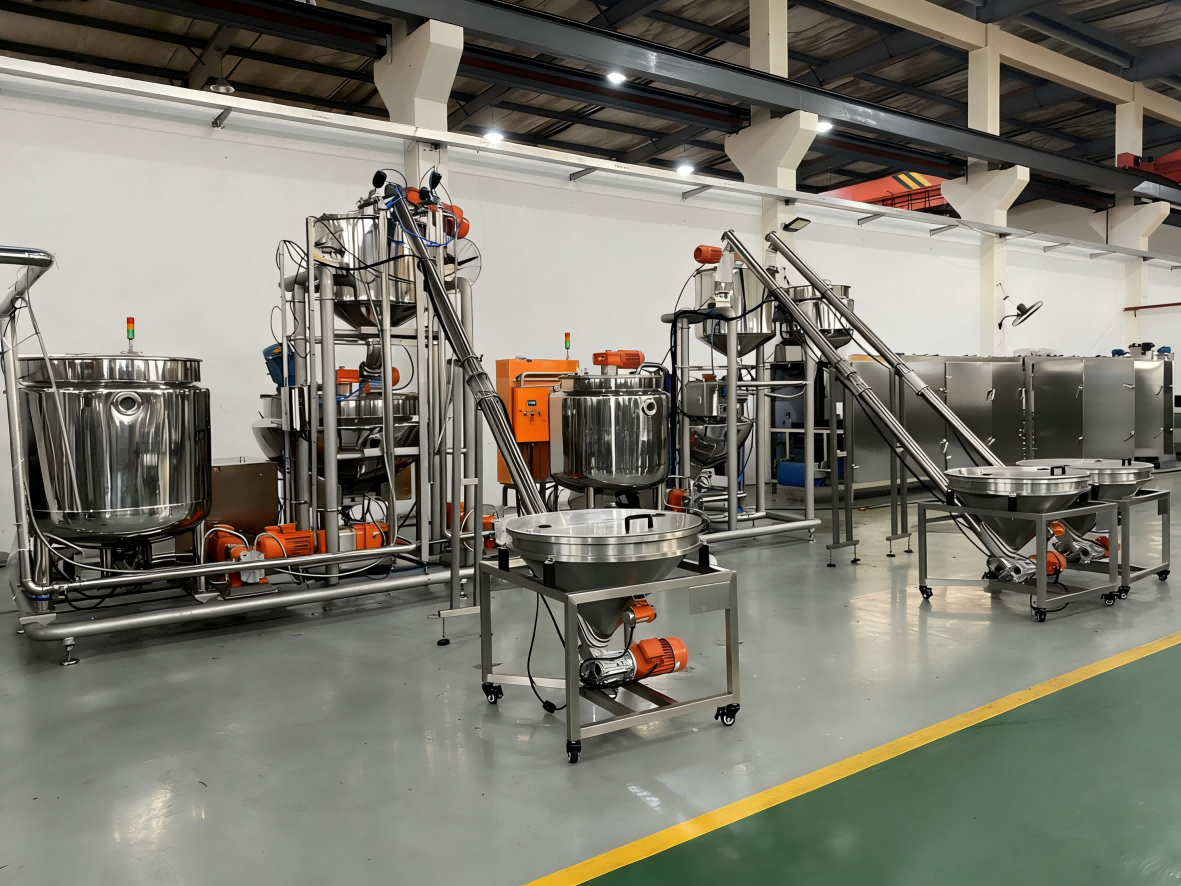
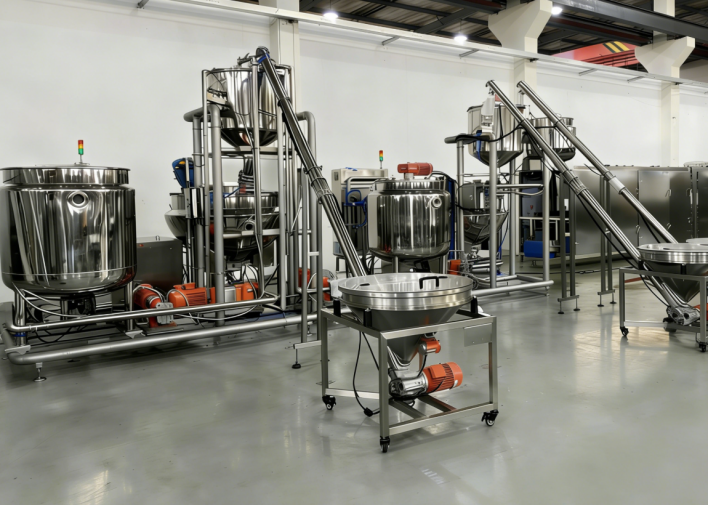
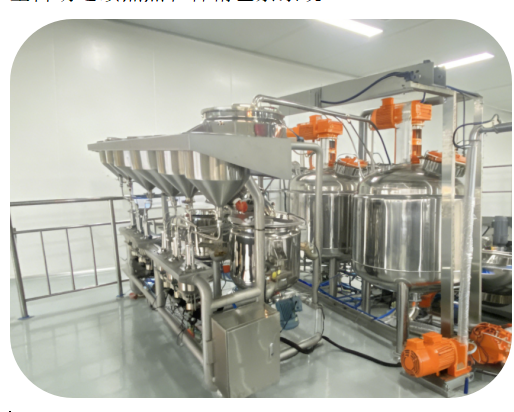
A standard jelly candy production line typically includes core components such as a cooking kettle, starch mogul or servo depositing machine, cooling tunnels, sanding or coating units, and automated packaging systems. These lines are engineered for efficiency, hygiene, and scalability, adhering to international food safety standards like HACCP and FDA guidelines. Unlike smaller batch operations, standard lines are continuous or semi-continuous, capable of running 24/7 with minimal downtime. For biscuit or gummy candy factories transitioning into jelly production, YTjellycandymachine offers modular designs that integrate seamlessly with existing setups, ensuring smooth adoption without major overhauls.
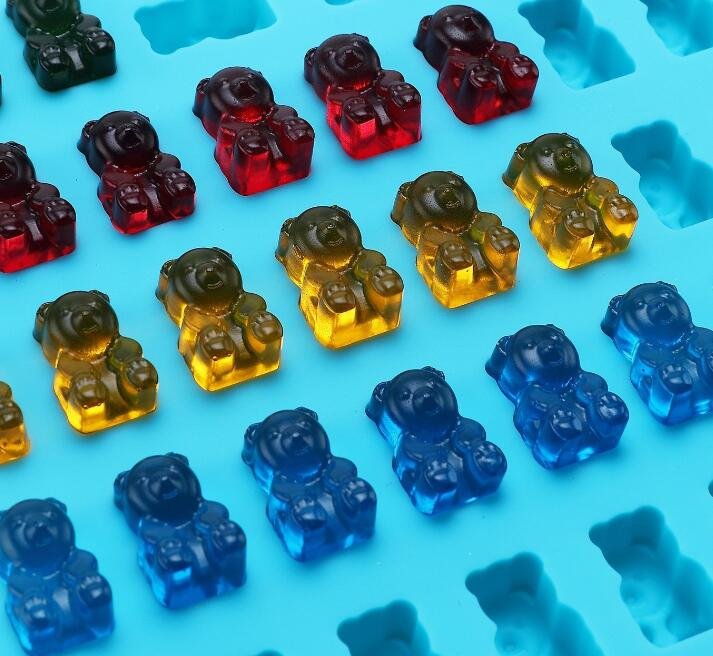
Transitioning from biscuits or gummies to jelly candies requires precise control over gelatin-based recipes, which demand specialized equipment. Jelly lines excel in forming soft, chewy textures with intricate molds, a feature that complements gummy production but offers distinct market appeal through varied shapes and flavors.
Factors Affecting Maximum Output Capacity
The maximum output capacity of a jelly candy line is not a fixed number but varies based on several interconnected factors. Machine specifications, raw material quality, operator expertise, and maintenance regimes all play pivotal roles. High-capacity lines prioritize automation to minimize human error and maximize throughput.
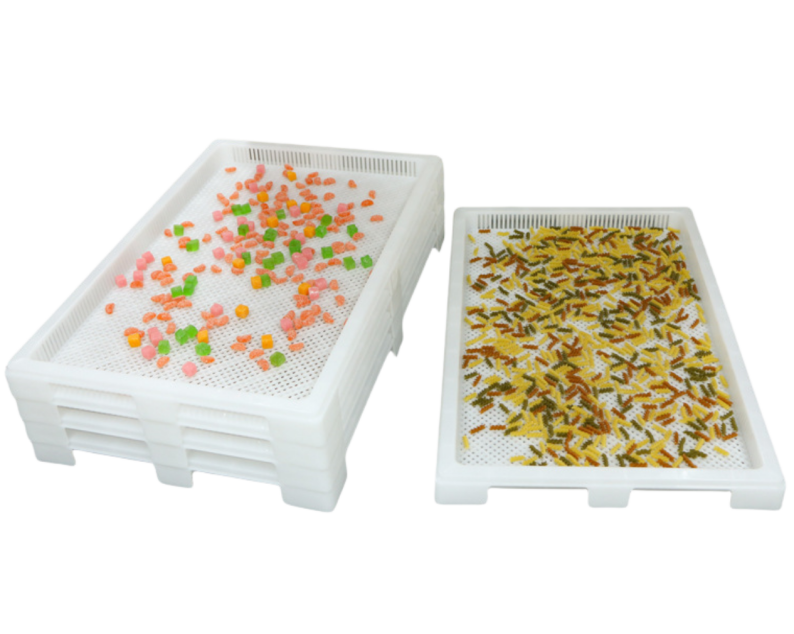
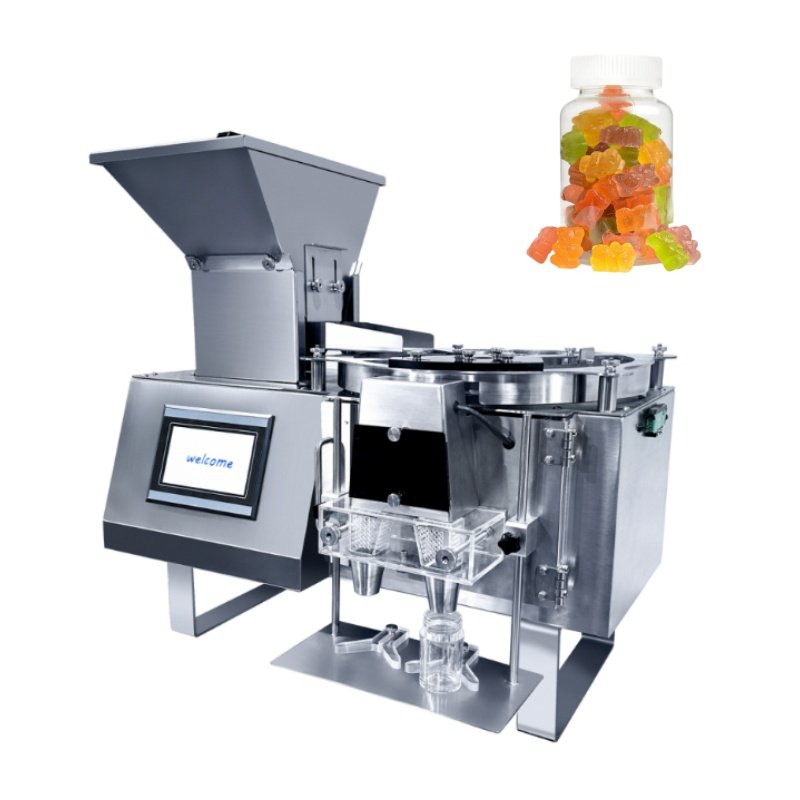
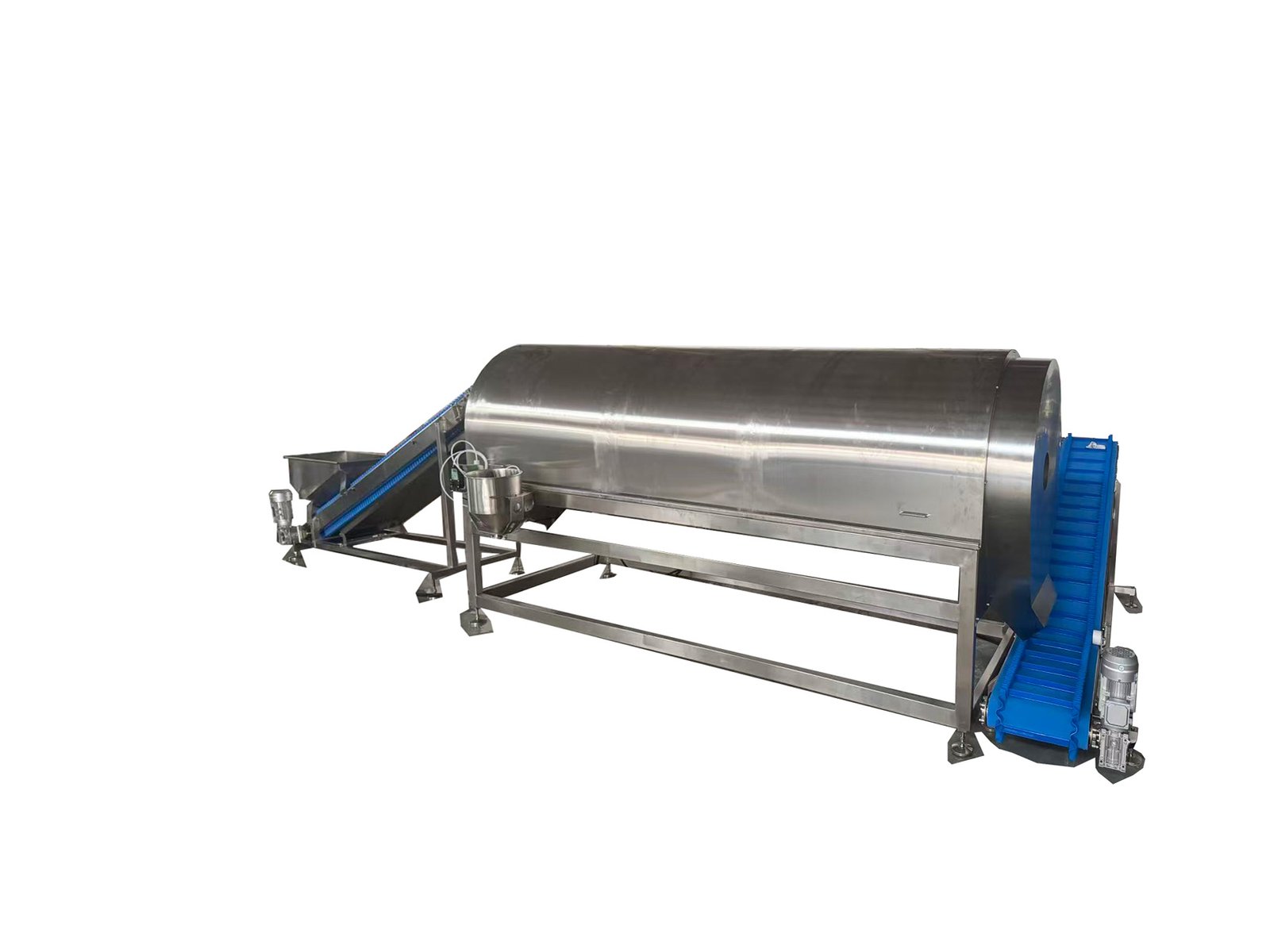
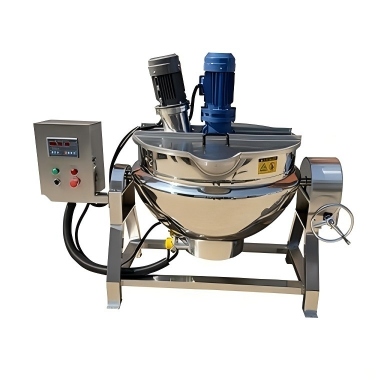
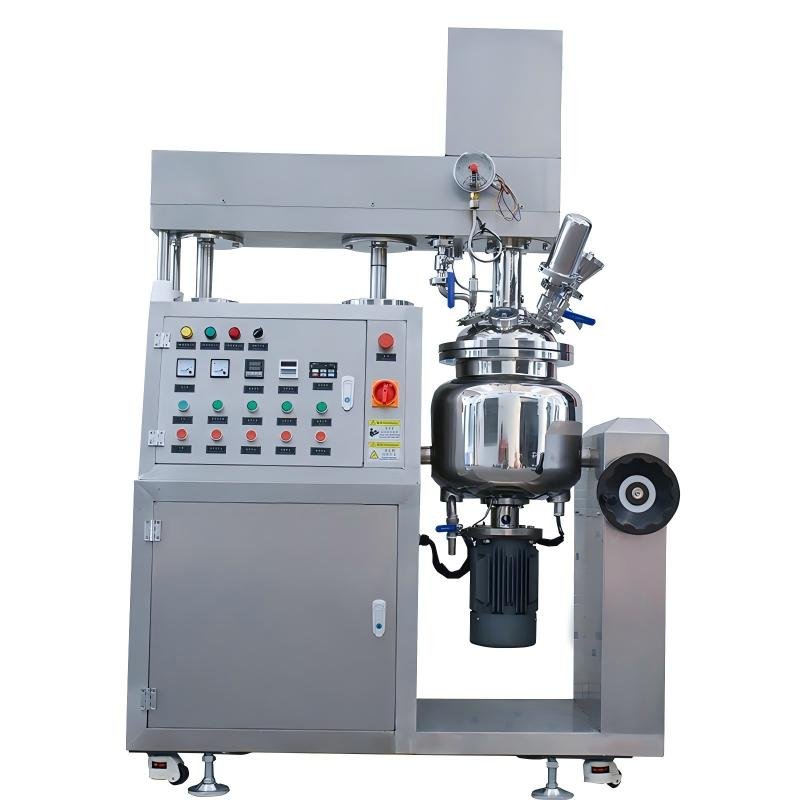
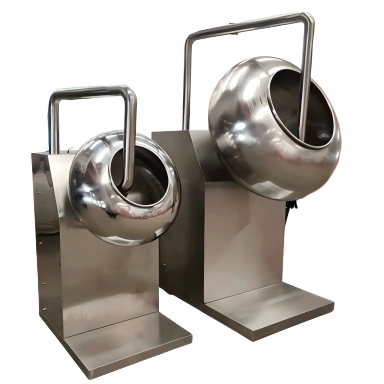
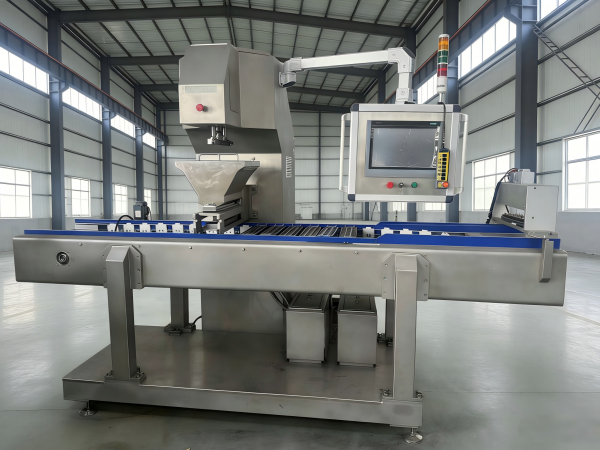
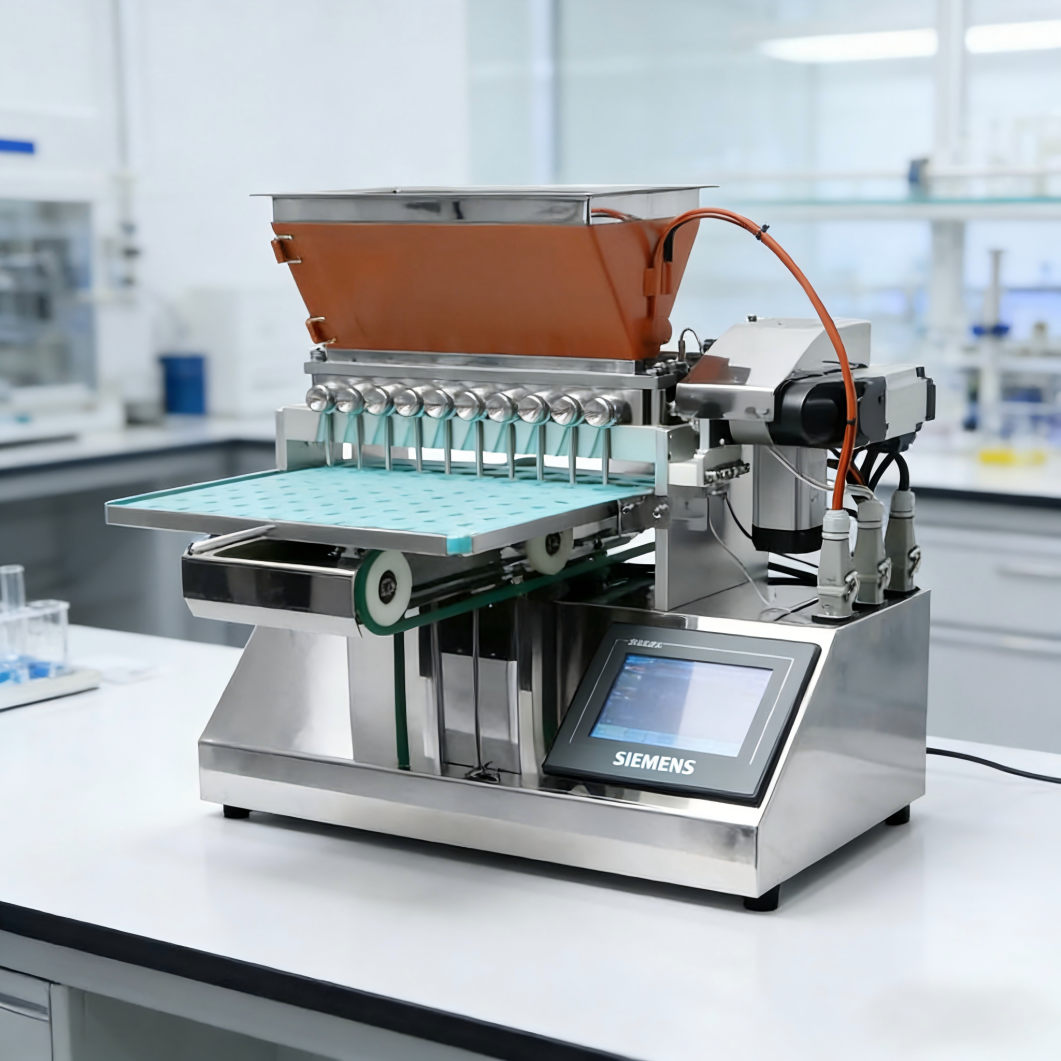
Key considerations include the depositing head count, conveyor speed, and cooling efficiency. For instance, servo-driven depositors allow for higher speeds compared to mechanical ones. Additionally, the type of jelly—whether pectin-based or gelatin—impacts cycle times due to differing setting requirements. Factories using YTjellycandymachine lines benefit from advanced PLC controls that optimize these variables in real-time, pushing capacities toward their theoretical limits.
To illustrate the primary factors influencing capacity, consider the following bulleted list:
- Depositing Mechanism: Multi-head servo depositors enable 800-1200 strokes per minute, directly boosting output.
- Cooling Tunnel Length: Longer tunnels (up to 20 meters) reduce cycle times by accelerating demolding.
- Mold Size and Throughput: Standard molds produce 500-1000 candies per mold cycle, scalable with line width.
- Automation Level: Full servo systems increase speed by 20-30% over pneumatic alternatives.
- Recipe Complexity: Simpler aerated jellies flow faster than dense, multi-layered varieties.
By addressing these elements, manufacturers can reliably achieve and sustain peak outputs.
Typical Capacities Across Line Configurations
Standard jelly candy lines are categorized by output tiers: entry-level (100-300 kg/h), mid-range (300-600 kg/h), and high-capacity (600-1000+ kg/h). These figures represent weight of finished product per hour, assuming optimal conditions like 80-90% yield and standard 5-10g candy sizes.
For biscuit factories eyeing diversification or gummy producers seeking higher volumes, selecting the right configuration is essential. YTjellycandymachine specializes in customizable high-output lines that outperform industry averages, often reaching 1200 kg/h in premium setups.
The table below summarizes maximum capacities for common configurations, based on industry benchmarks and real-world deployments:
| Line Type | Depositor Heads | Cooling Tunnel (m) | Max Capacity (kg/h) | Ideal Candy Weight (g) |
|---|---|---|---|---|
| Entry-Level | 4-6 | 8-10 | 200-300 | 10-15 |
| Mid-Range | 8-12 | 12-15 | 400-600 | 5-10 |
| High-Capacity | 16-24 | 15-20 | 800-1000 | 3-8 |
| YTjellycandymachine Premium | 24-32 | 20+ | 1000-1200 | 2-6 |
As shown, premium lines like those from YTjellycandymachine extend beyond 1000 kg/h, ideal for large-scale operations serving global markets.
Achieving and Exceeding Standard Maximums
While standard lines cap at 800-1000 kg/h, optimizations such as variable frequency drives (VFDs) and quick-change mold systems can push outputs higher. Energy-efficient designs reduce operational costs, making high-capacity production viable for mid-sized biscuit or gummy factories. Regular calibration of cooking ketties ensures consistent gelatin dissolution, preventing bottlenecks.
Furthermore, integrating inline quality checks—vision systems for shape uniformity and weight sensors—maintains efficiency without halting production. YTjellycandymachine incorporates these technologies as standard, enabling clients to hit 1100-1200 kg/h routinely. Case studies from Asian and European installations demonstrate 15-20% gains over competitors through superior engineering.
For factories producing biscuits or gummies, YTjellycandymachine lines offer plug-and-play integration with existing depositors, minimizing downtime during product switches. This versatility supports seasonal demands and rapid prototyping of new jelly variants.
Why Capacity Matters for Confectionery Expansion
High output capacity translates directly to profitability, allowing factories to meet bulk orders from retailers and exporters. In regions with rising demand for chewy confections, scaling production prevents lost sales. Maintenance simplicity in YTjellycandymachine equipment ensures uptime exceeds 95%, far above industry norms.
Environmental factors like ambient temperature also influence capacity; climate-controlled facilities yield better results. Training programs provided with YTjellycandymachine purchases empower operators to fine-tune for maximum throughput.
In summary, the maximum output capacity of a standard jelly candy line typically reaches 800-1000 kg/h, with premium models from YTjellycandymachine extending to 1200 kg/h. Biscuit and gummy factories stand to gain immensely by adopting these advanced systems, unlocking higher volumes, product diversity, and market competitiveness. Contact YTjellycandymachine today to tailor a line that propels your business forward.
Last Updated on April 3, 2026 by YTjellycandymachine