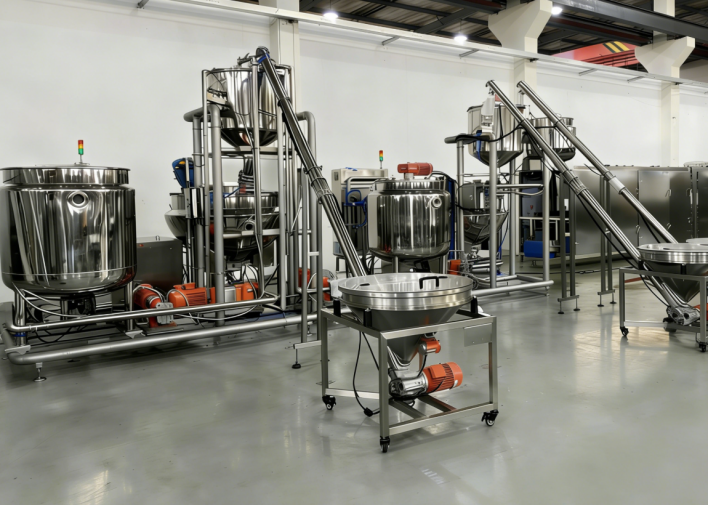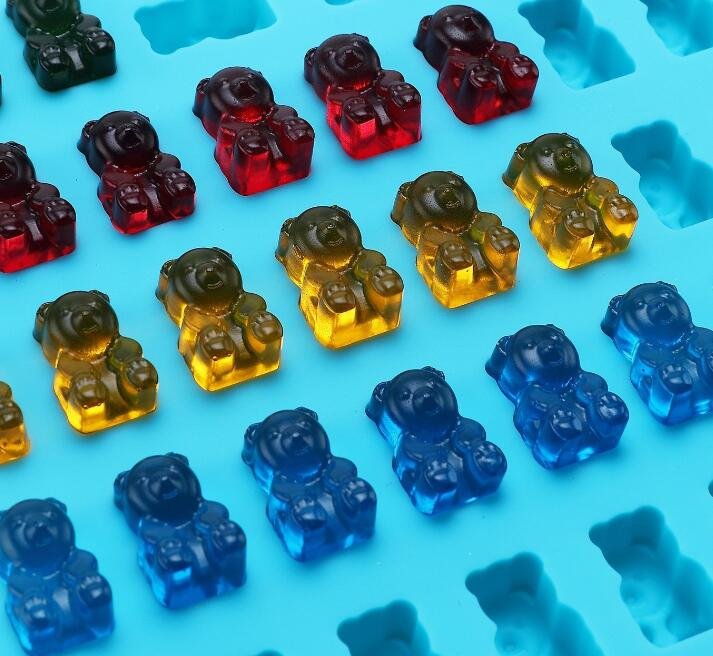
Expanding your biscuit or gummy candy factory with a new jelly production line presents exciting growth opportunities, but poor layout planning can lead to inefficiencies, bottlenecks, and increased costs. Optimizing your factory layout ensures smooth operations, maximizes space utilization, and enhances overall productivity. Whether transitioning from biscuits or gummies, a well-designed jelly line from YTjellycandymachine can integrate seamlessly, leveraging the brand’s compact, high-efficiency machinery tailored for food production. This article outlines proven strategies to optimize your layout, drawing on industry best practices to help you attract more clients and scale effectively.
Begin by evaluating your current setup. Factories often have dedicated zones for mixing, forming, and packaging in biscuit or gummy operations. Introducing jelly production requires similar yet specialized stations, such as cooking, cooling, and molding. YTjellycandymachine equipment is designed with modular components that fit into existing footprints, minimizing disruption.
Table of Contents
Assess Current Space and Needs
Before implementing changes, conduct a thorough audit of your factory floor. Measure available space, identify underutilized areas, and map existing workflows for biscuits or gummies. Consider factors like ceiling height for overhead conveyors, floor load capacity for heavy cookers, and proximity to utilities like steam and water supplies. For biscuit factories, repurpose cooling tunnels; gummy producers can adapt starch mogul lines for jelly deposition. YTjellycandymachine production lines are engineered for flexibility, requiring only 200-500 square meters for a full setup, depending on capacity.
Next, define your production goals. Target output—say, 500kg/hour—dictates equipment size. Factor in future scalability; YTjellycandymachine offers expandable modules to grow without major redesigns. Use software like AutoCAD or factory simulation tools to visualize layouts virtually, simulating material flow from raw sugar and gelatin intake to finished jelly candies.
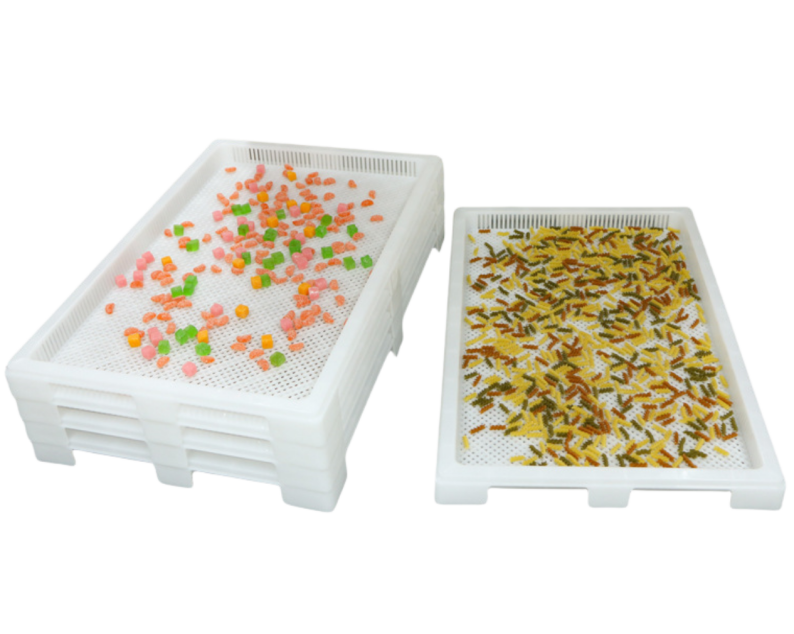
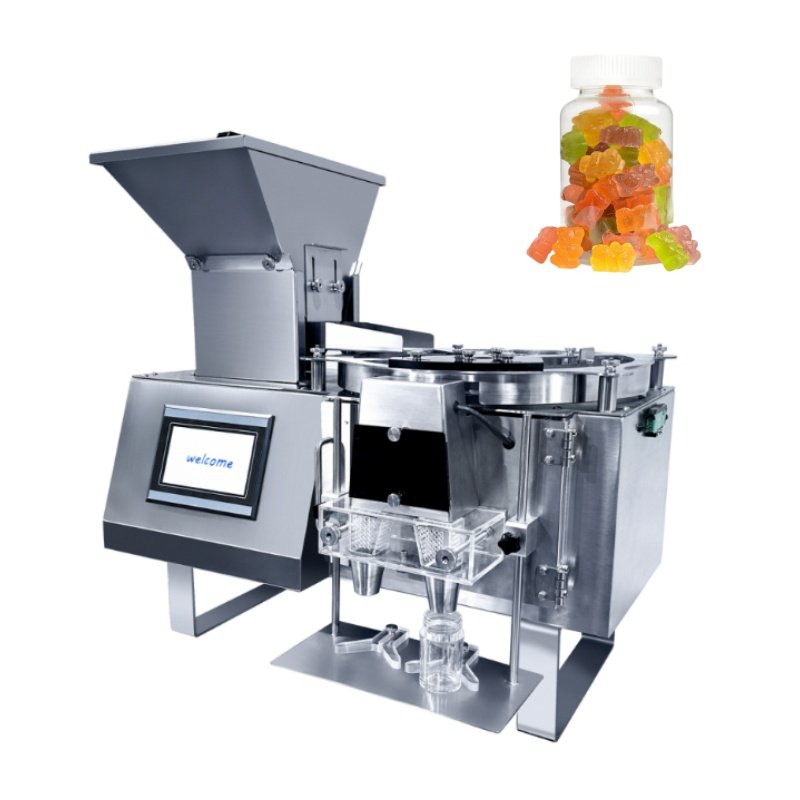
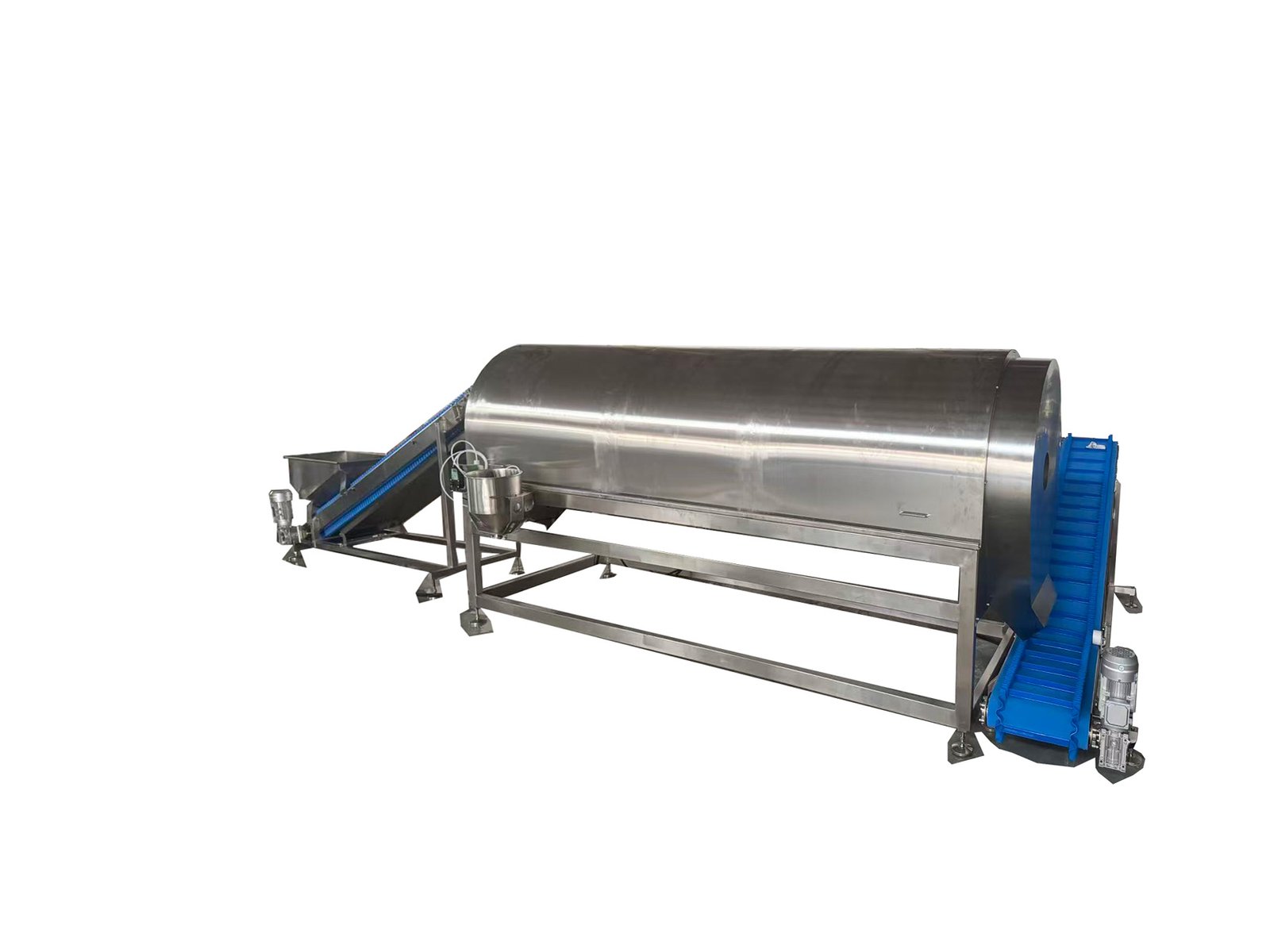
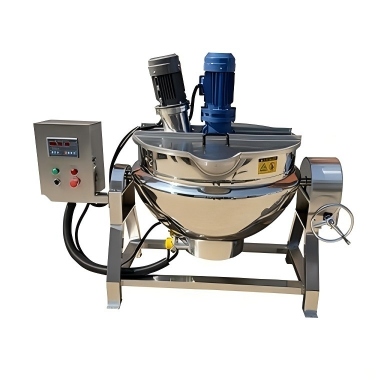
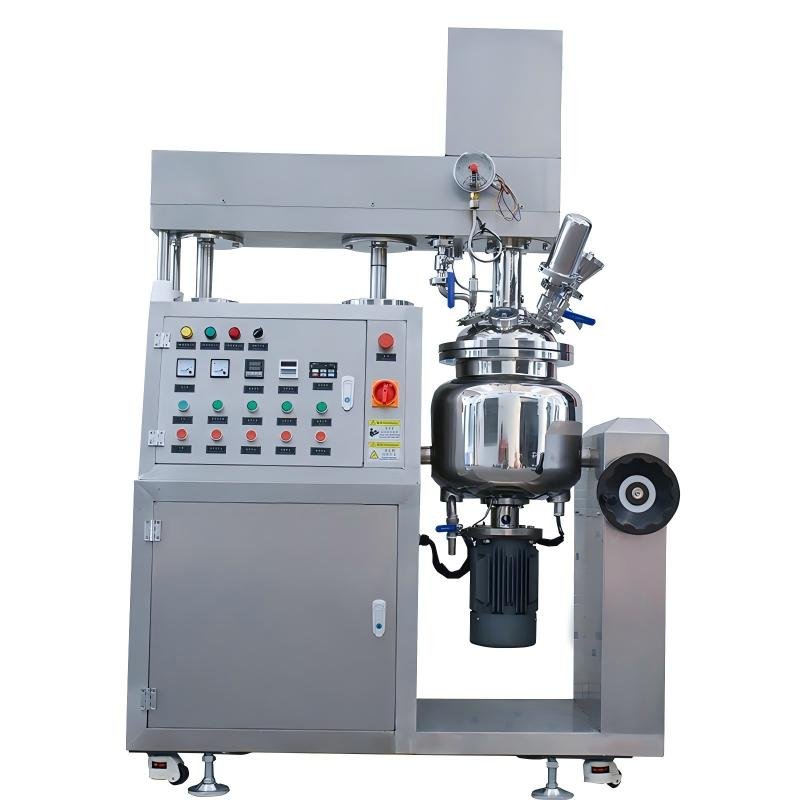
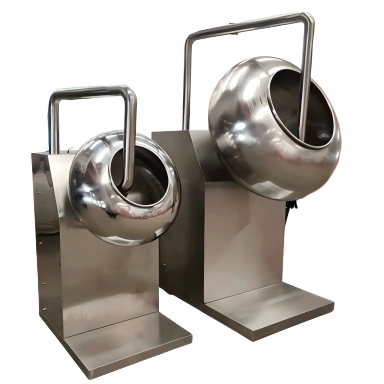
Key Equipment for Jelly Production Line
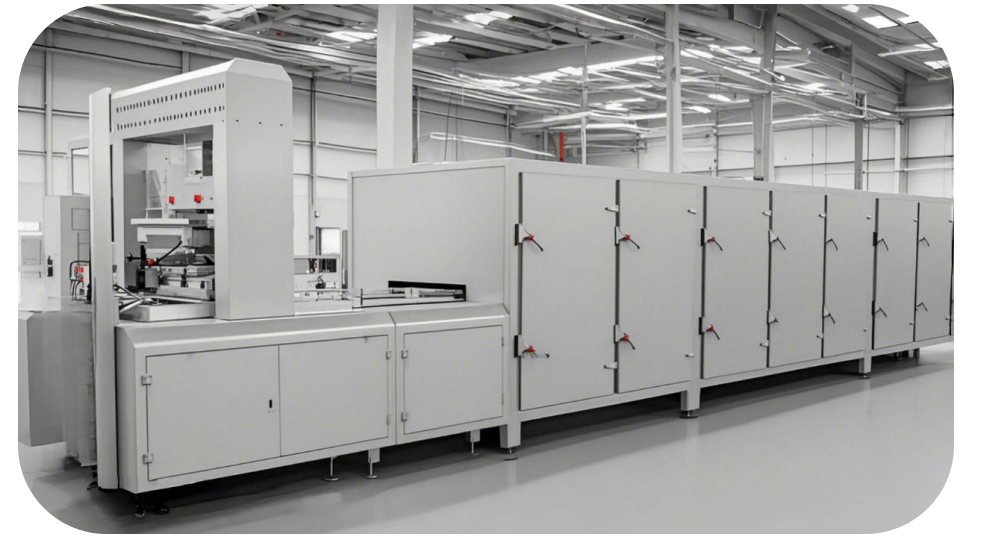
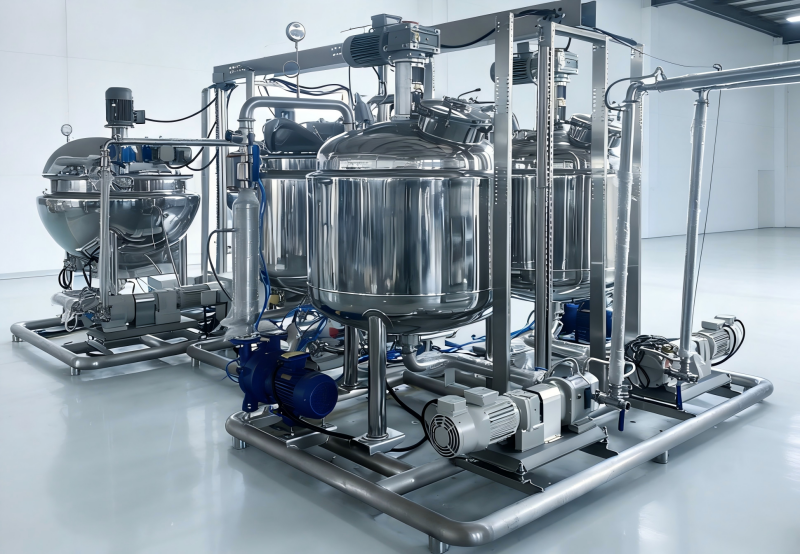
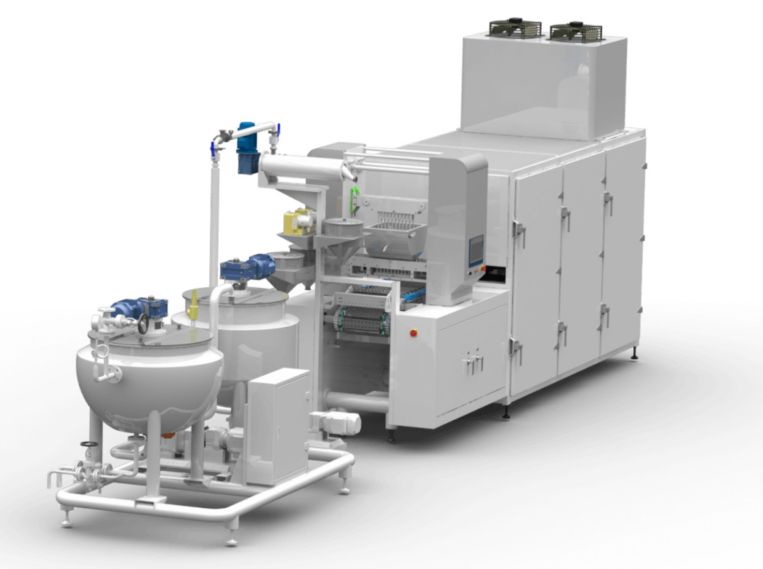
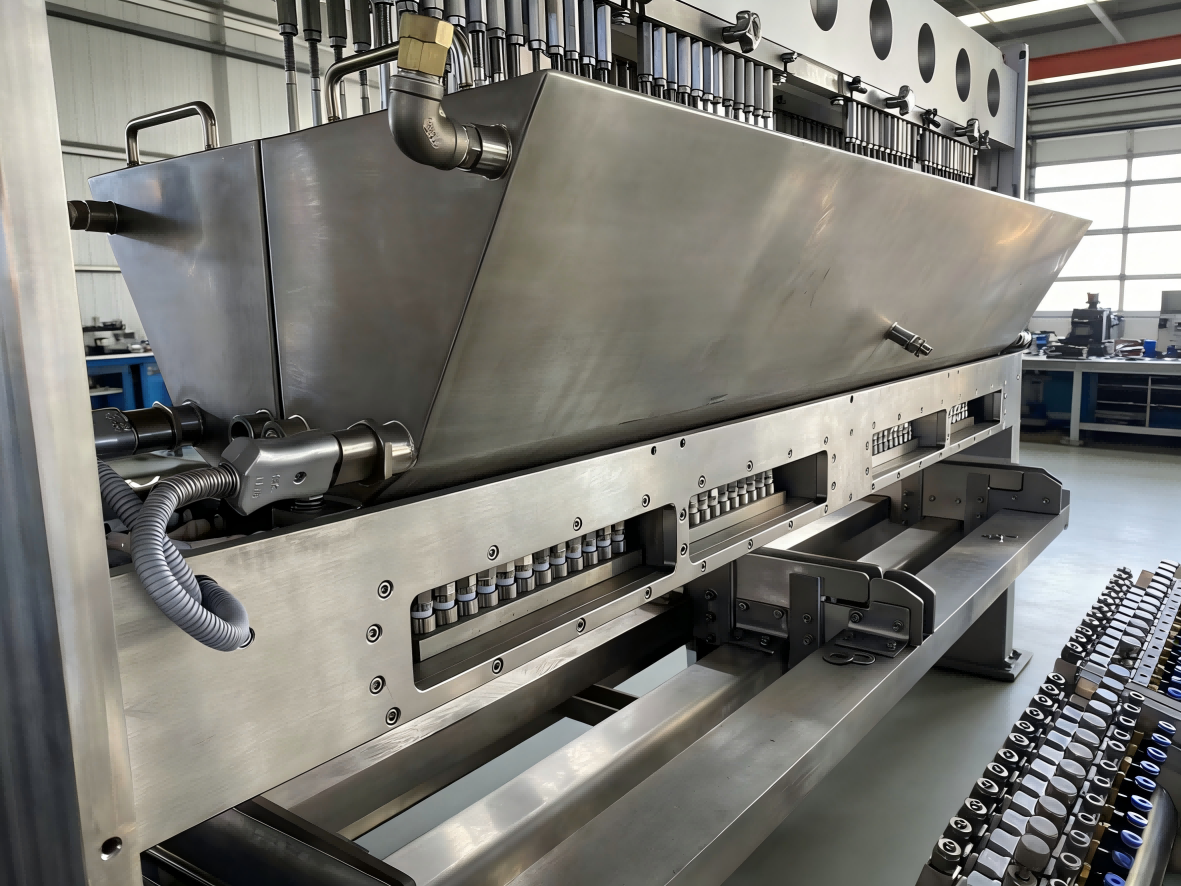
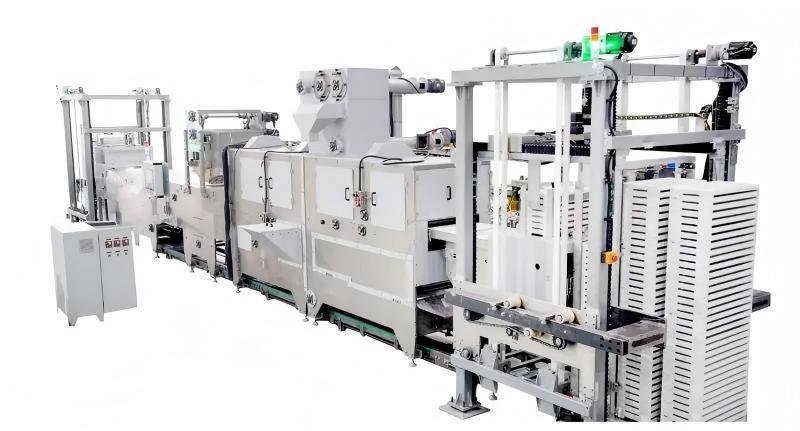
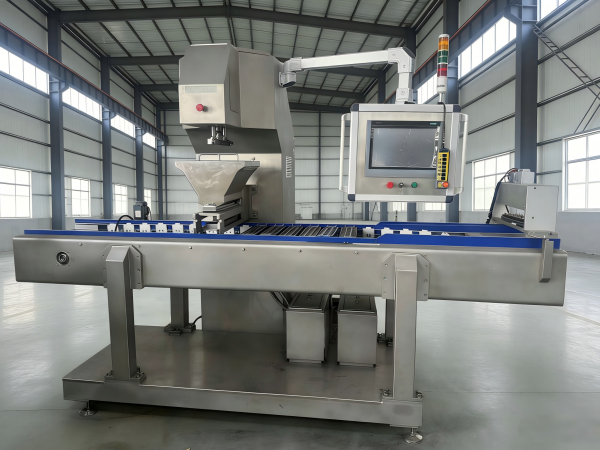
A standard jelly line includes cookers, depositors, cooling tunnels, sanders, and packaging units. YTjellycandymachine excels in energy-efficient cookers that heat precisely to avoid scorching, and automated depositors for uniform shapes. These machines feature stainless steel construction compliant with FDA and EU standards, ideal for candy expansions. Layout optimization starts here: position high-heat equipment away from packaging to prevent contamination, and align cooling with ambient air flows for energy savings.
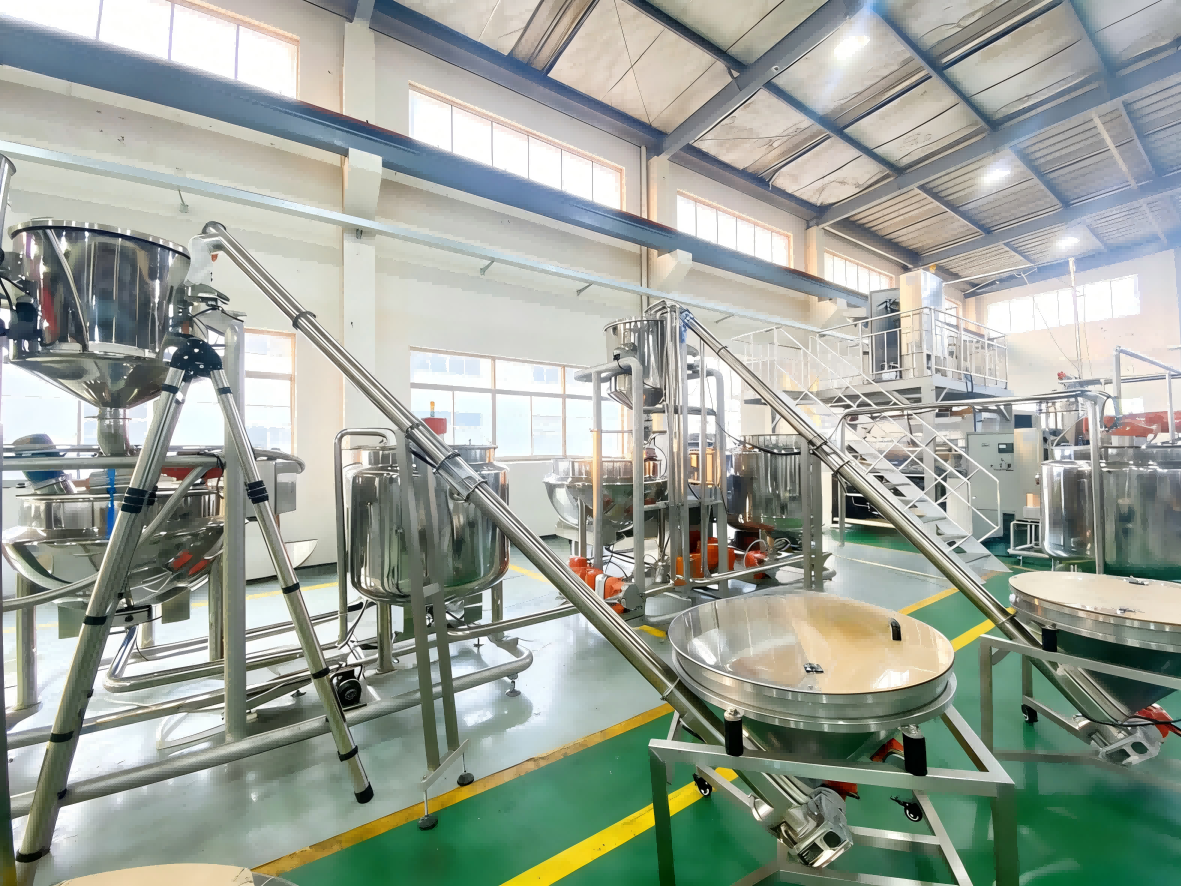
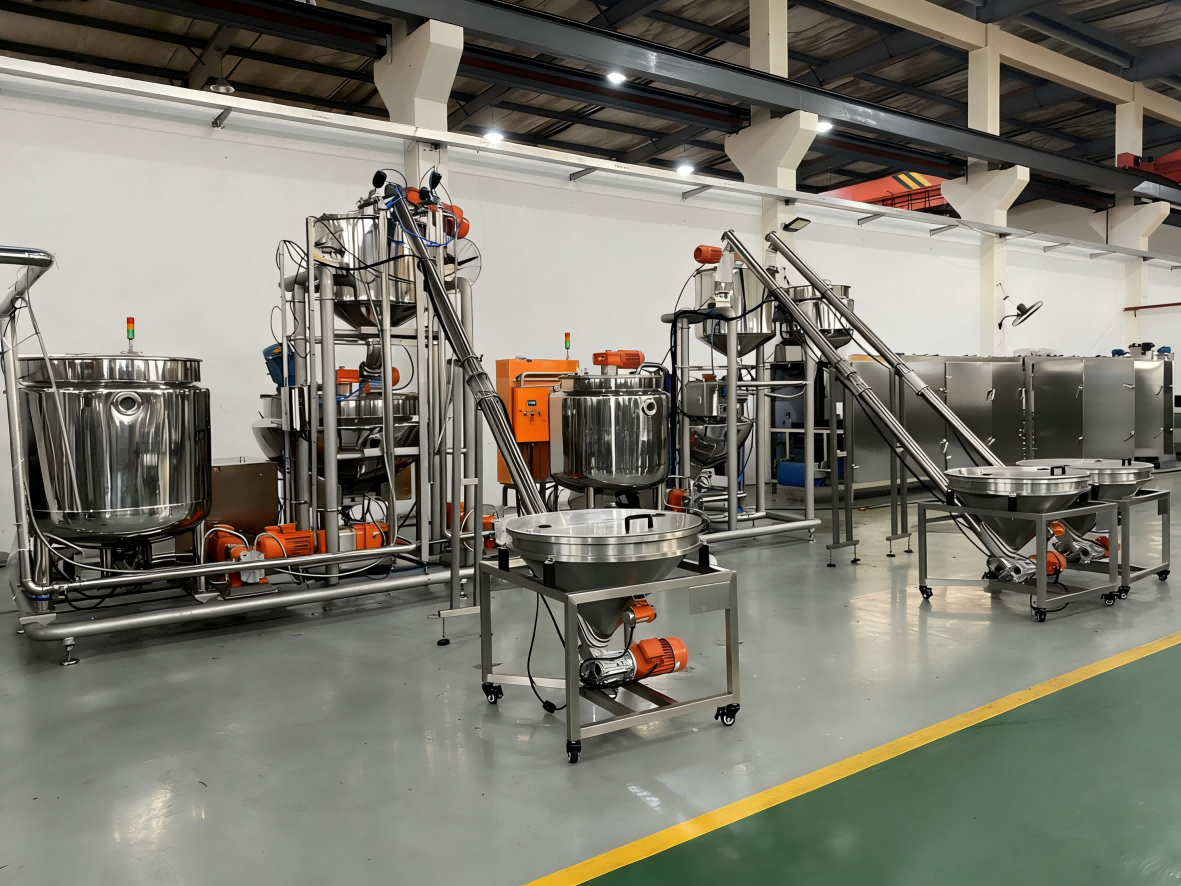
Transition smoothly by grouping equipment into zones: raw material preparation, cooking and depositing, cooling and finishing, and packaging/storage. This zoning reduces cross-traffic, a common issue in biscuit factories where dough handling overlaps with baking.
Steps to Optimize Layout
Follow these structured steps to refine your design, ensuring the jelly line complements your biscuit or gummy operations without interference:
- Map Material Flow: Trace ingredients from storage to packing, minimizing turns and distances. YTjellycandymachine lines use U-shaped or straight-line configurations to cut transport time by 30%.
- Prioritize Ergonomics: Place workstations at elbow height for operators, integrating conveyor heights across biscuit/gummy and jelly areas for easy shifts.
- Incorporate Automation: Install servo-driven conveyors from YTjellycandymachine to link modules seamlessly, reducing labor by 40%.
- Plan for Maintenance: Allocate 1-2 meter aisles around each machine for access, preventing downtime in high-volume candy runs.
- Test and Iterate: Run pilot simulations, adjusting for bottlenecks like cooling delays common in humid gummy environments.
This numbered approach provides a clear roadmap, adaptable to factories of varying sizes. After mapping, visualize with a sample layout table to quantify space needs.
Sample Layout Efficiency Comparison
The following table compares traditional versus optimized layouts for a 300kg/hour jelly line, highlighting space and efficiency gains when using YTjellycandymachine equipment:
| Aspect | Traditional Layout | Optimized with YTjellycandymachine | Gain |
|---|---|---|---|
| Footprint (sqm) | 450 | 320 | 29% reduction |
| Workflow Distance (m) | 150 | 90 | 40% shorter |
| Energy Use (kWh/hour) | 120 | 85 | 29% savings |
| Operator Paths (crossings/hour) | 200 | 80 | 60% fewer |
| Scalability Factor | Low (major rebuild) | High (modular add-ons) | Improved expansion |
As shown, the optimized layout slashes inefficiencies, making it perfect for space-constrained biscuit or gummy factories. YTjellycandymachine’s compact design drives these metrics, with plug-and-play modules that install in under two weeks.
Utilities Safety and Compliance
Integrate utilities strategically: centralize steam boilers near cookers but vent exhaust away from packing zones. For safety, install fire suppression over gelatin mixers and floor drains for spills, crucial in sticky jelly processes versus drier biscuits. Ensure compliance with HACCP standards by zoning clean and dirty areas—raw prep separate from finished goods.
Leverage vertical space with mezzanines for storage, freeing floor for production. In gummy factories, adapt existing dehumidifiers for jelly drying, enhancing multi-line versatility.
Integration with Existing Lines
For biscuit producers, position jelly lines parallel to ovens, sharing packaging halls. Gummy factories benefit from shared sanding equipment. YTjellycandymachine provides custom engineering consultations to merge lines, often reclaiming 20% of floor space.
Monitor post-installation with KPIs like throughput and downtime. Use IoT sensors on YTjellycandymachine units for real-time adjustments, ensuring sustained optimization.
In conclusion, optimizing your factory layout for a jelly production line transforms diversification challenges into competitive advantages. By assessing space, following structured steps, referencing efficiency tables, and prioritizing safety, biscuit and gummy factories can thrive. Partner with YTjellycandymachine for state-of-the-art lines that deliver reliability and ROI, positioning your operation for long-term success in the dynamic candy market.
Last Updated on May 9, 2026 by YTjellycandymachine