Table of Contents
What do consumers look for in jelly candy texture Soft vs Chewy
In the competitive world of confectionery, jelly candy stands out for its delightful mouthfeel, where texture plays a pivotal role in consumer satisfaction. As factories producing biscuits or gummy candies seek to diversify, understanding consumer preferences for soft versus chewy textures becomes essential. This article delves into what consumers truly seek in jelly candy texture, exploring the nuances of softness and chewiness, backed by industry insights and production considerations.
Defining Soft and Chewy Textures in Jelly Candy
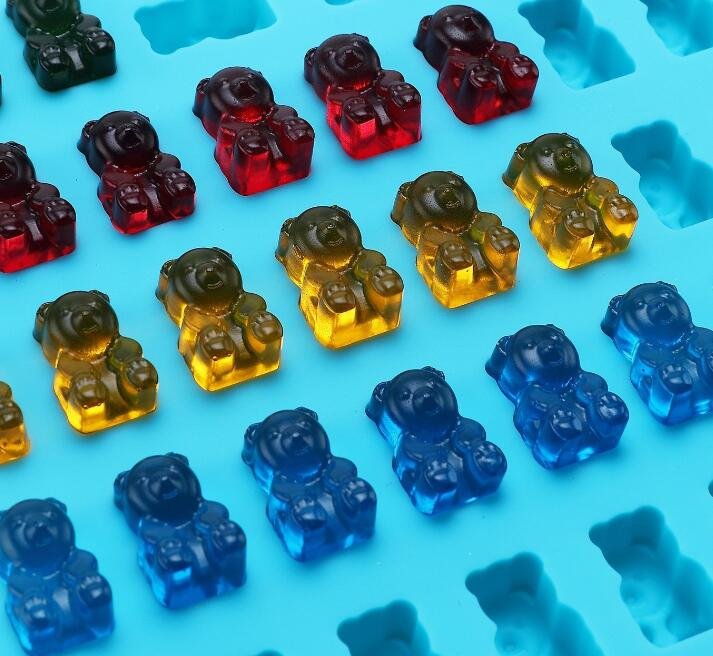
Soft jelly candy melts gently in the mouth, offering a tender, almost dissolving sensation with minimal resistance. This texture appeals to those who prefer a light, airy experience reminiscent of fruit gels. In contrast, chewy jelly candy provides a satisfying pull, requiring more effort to masticate, which prolongs enjoyment and evokes classic gummy bears.
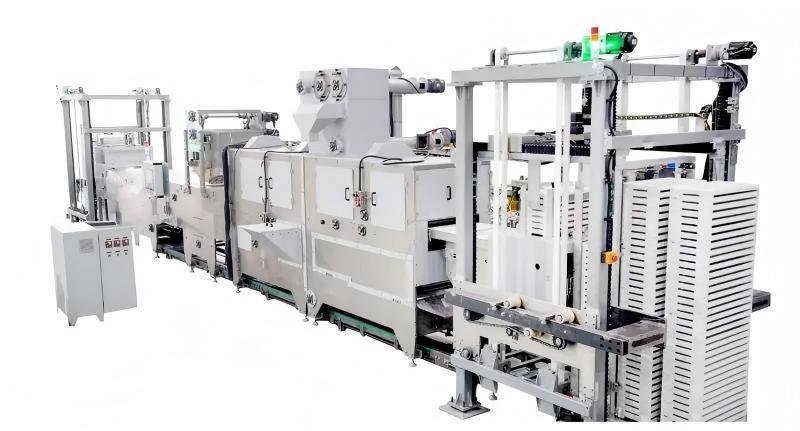
These textures are not arbitrary; they result from precise formulation and machinery. YTjellycandymachine, a leading Chinese food production line factory, specializes in equipment that allows manufacturers to fine-tune these properties, enabling biscuit and candy gummy factories to produce market-leading products consistently.
Consumer Preferences Unveiled
Market research consistently shows a split preference, with texture influencing repeat purchases. A study by the Confectionery Industry Association revealed that 45% of consumers favor soft textures for their ease, while 40% prefer chewy for its indulgence. The remaining prefer hybrids, highlighting the need for versatile production capabilities.
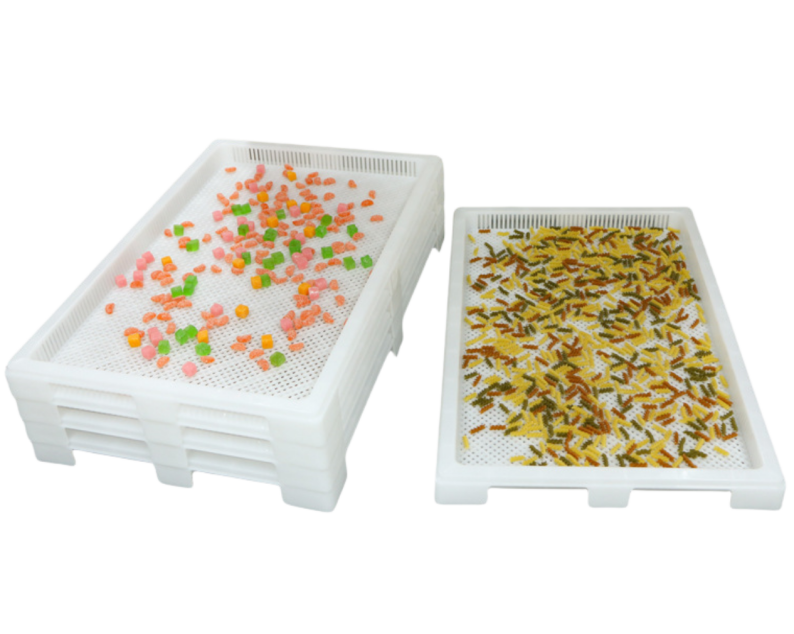
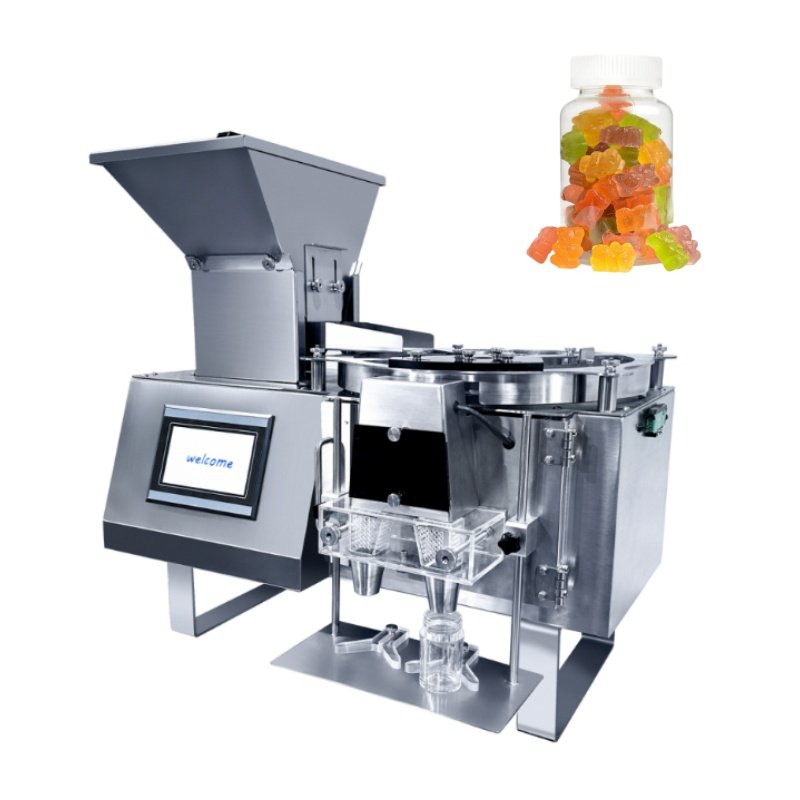
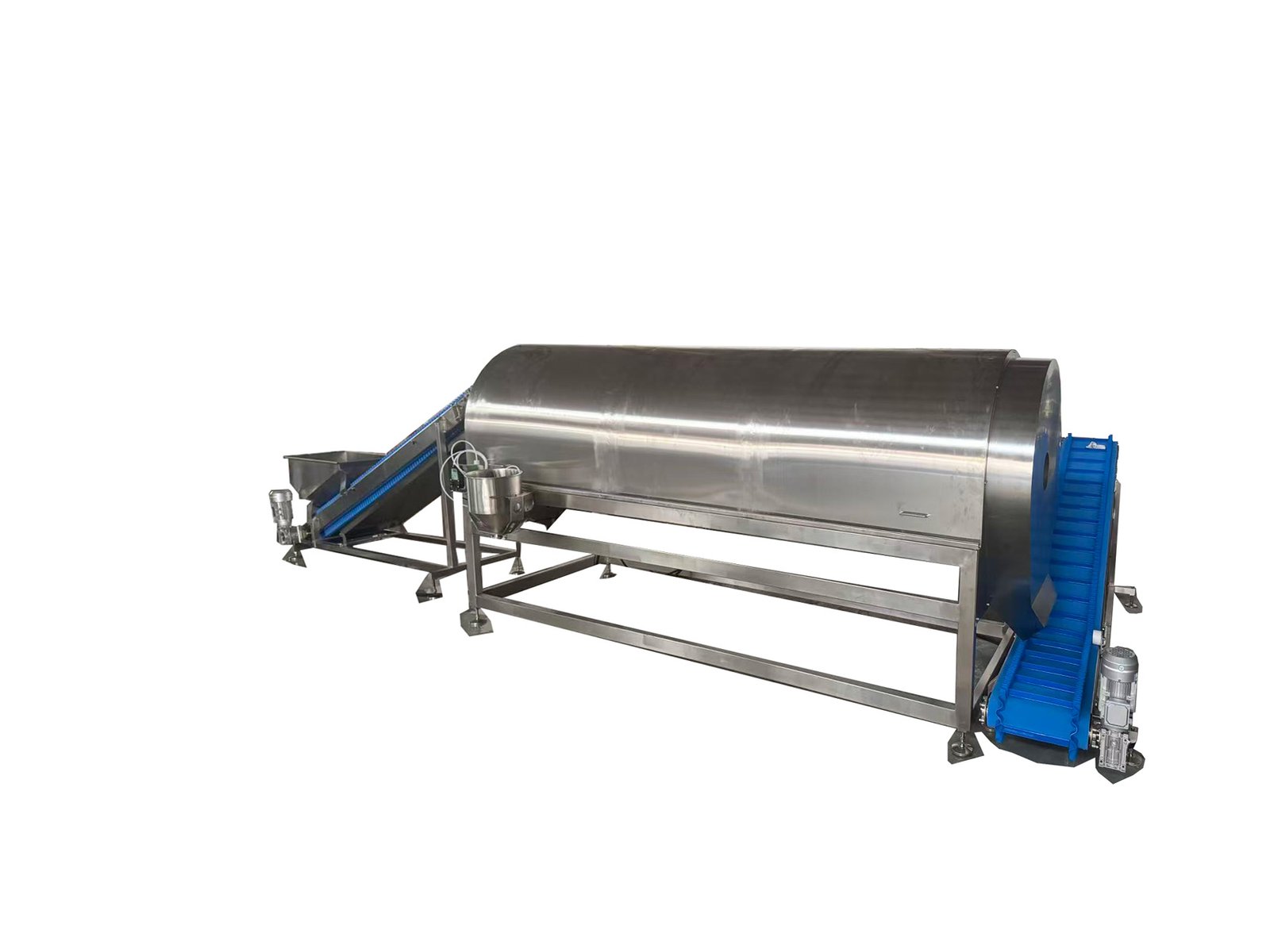

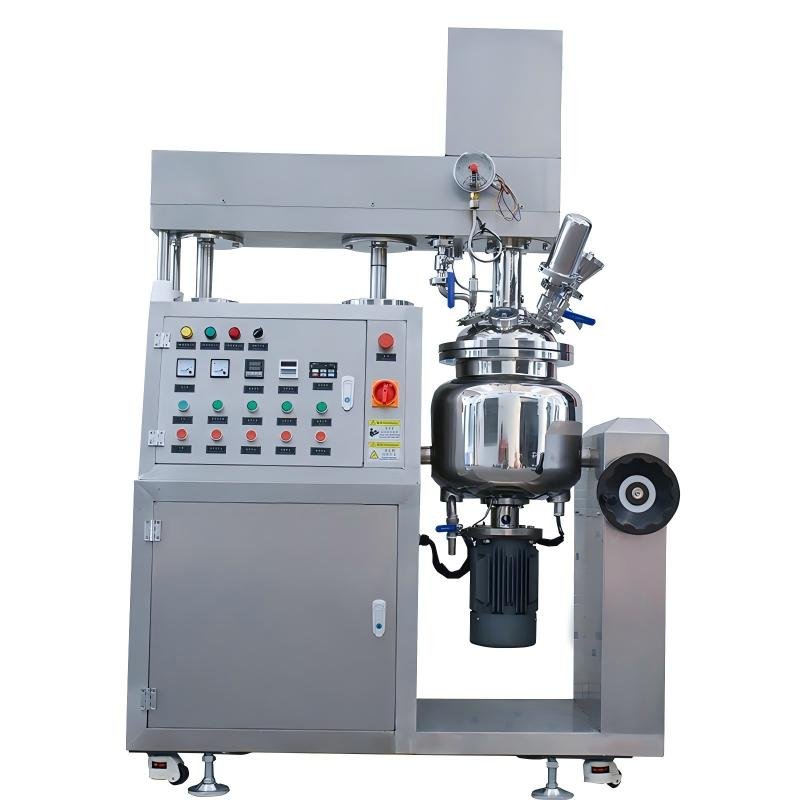
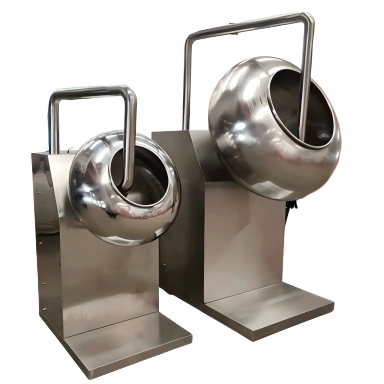
Transitioning from biscuits to jelly candies requires adaptable lines. YTjellycandymachine offers state-of-the-art depositors and cooling tunnels that control gelatin setting times, helping factories achieve the exact softness or chewiness demanded by global markets.
Factors Influencing Texture Perception
Several elements shape how consumers perceive jelly candy texture. Gelatin concentration, sugar syrup viscosity, and temperature during production are key. Soft textures often stem from lower gelatin levels and rapid cooling, while chewy results from higher pectin or starch integration and slower annealing.
Consumer demographics also play a role. Children and elderly consumers lean toward soft varieties for effortless consumption, whereas adults often seek the chewiness that enhances flavor release. This segmentation underscores why production lines must be flexible.
Pros and Cons A Comparison Table
To illustrate the trade-offs, consider the following comparison:
| Aspect | Soft Texture | Chewy Texture |
|---|---|---|
| Mouthfeel | Tender, quick dissolve | Resilient, prolonged chew |
| Production Ease | Faster setting, simpler recipes | Requires precise humidity control |
| Shelf Life | Shorter due to moisture | Longer, more stable |
| Consumer Appeal | 45% preference, easy eating | 40% preference, satisfying |
| Flavor Release | Immediate burst | Gradual, layered |
This table highlights why factories must choose wisely. YTjellycandymachine’s customizable molding and extrusion lines ensure both textures can be produced on the same setup, minimizing downtime for biscuit or gummy candy producers entering jelly markets.
Sensory Evaluation Insights
Sensory panels rate soft jelly candies higher for freshness and fruitiness, as the delicate texture allows flavors to shine without interference. Chewy variants score well on satisfaction scales, with testers noting a “fun factor” from the jaw workout.
Moreover, texture impacts packaging and logistics. Soft jellies demand protective molds to prevent deformation, while chewy ones withstand stacking better. Advanced automation from YTjellycandymachine integrates these needs, streamlining operations for efficiency.
Market Trends and Innovations
Recent trends show a rise in hybrid textures, blending soft exteriors with chewy cores, appealing to 15% of consumers seeking novelty. Innovations like plant-based gelatins are expanding options, but maintaining consistent texture remains challenging without superior machinery.
Key consumer drivers include:
- Natural ingredients for clean-label appeal
- Balanced sweetness paired with texture
- Visual translucency enhancing perceived quality
- Portion-controlled shapes for mindful snacking
- Sustainability in sourcing and packaging
These factors guide product development, where YTjellycandymachine’s full production lines—from mixing to packaging—empower factories to innovate rapidly and meet diverse demands.
Production Challenges and Solutions
Achieving ideal texture demands precision. Variations in humidity can make soft candies sticky or chewy ones brittle. Solution lies in enclosed, climate-controlled systems, a hallmark of YTjellycandymachine equipment designed for high-volume output with minimal waste.
For biscuit factories pivoting to candies, the learning curve involves recipe scaling. Our production lines feature user-friendly PLC controls, easing the transition and ensuring textures that captivate consumers worldwide.
Conclusion
Ultimately, consumers seek jelly candy textures that balance pleasure, convenience, and flavor intensity—soft for lightness, chewy for indulgence. By mastering these through reliable production lines like those from YTjellycandymachine, biscuit and gummy candy factories can capture market share, delight customers, and thrive in the dynamic confectionery landscape.
Last Updated on April 19, 2026 by YTjellycandymachine