Table of Contents
Introduction
Jelly candies, with their delightful chewiness and vibrant colors, are a staple in the confectionery industry. However, one persistent challenge for biscuit and candy gummy factories is preventing these treats from melting during shipping. High temperatures in transit can turn firm jellies into sticky messes, leading to product loss, customer complaints, and financial setbacks. This article explores effective strategies to safeguard jelly candies throughout the supply chain. By implementing proven methods, factories can ensure product integrity. YTjellycandymachine, a leading food production line factory from China, specializes in equipment that integrates these solutions directly into manufacturing processes, helping clients maintain quality from production to delivery.
Understanding the Science of Melting
To prevent melting, it’s essential to grasp why it occurs. Jelly candies primarily rely on gelatin or pectin as gelling agents, which soften above 30-40°C (86-104°F). Ambient heat during shipping, especially in summer or tropical regions, exceeds this threshold. Factors like humidity, direct sunlight exposure, and poor packaging exacerbate the issue. Moreover, vibrations and pressure in transit can cause physical breakdown, accelerating liquefaction. Transitioning from awareness to action, factories must adopt multifaceted approaches combining temperature control, material science, and optimized production.
Environmental Controls During Shipping
Maintaining a cool environment is paramount. Refrigerated trucks or containers set to 15-20°C (59-68°F) provide a baseline defense. For cost-effective alternatives, insulated shipping boxes with gel packs or dry ice maintain low temperatures without full refrigeration. Monitoring devices like temperature loggers offer real-time data, alerting shippers to deviations. As shipments cross borders, selecting carriers with climate-controlled fleets becomes crucial. These measures form the foundation, but packaging innovations take prevention to the next level.
Essential Packaging Solutions
Packaging acts as the first line of defense. Multi-layered designs incorporating foil liners reflect heat, while corrugated cardboard provides insulation. Vacuum-sealing removes air pockets that conduct heat, and adding silica gel desiccants combats humidity. For long-haul shipments, nitrogen flushing creates a stable atmosphere, preventing oxidation and softening. YTjellycandymachine production lines incorporate automated packaging modules that apply these techniques seamlessly, ensuring consistency across batches. This integration reduces labor costs and minimizes errors, directly addressing melting risks at the source.

Production Adjustments for Heat Resistance
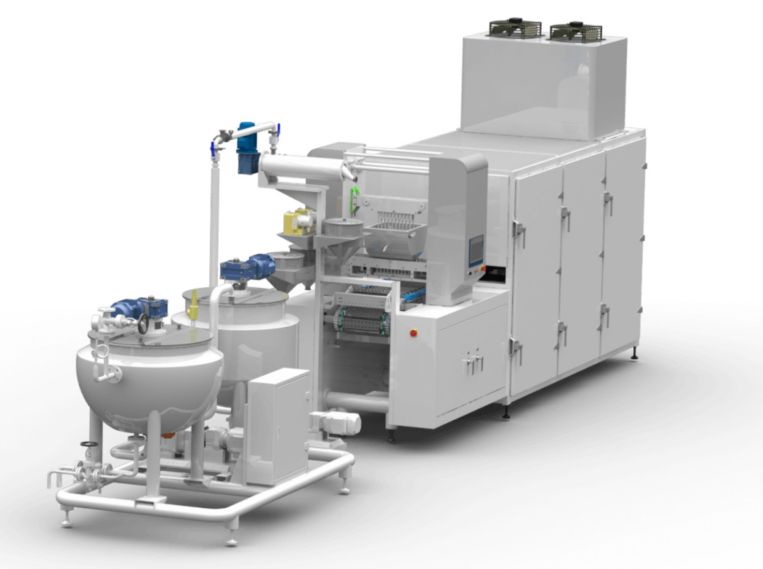
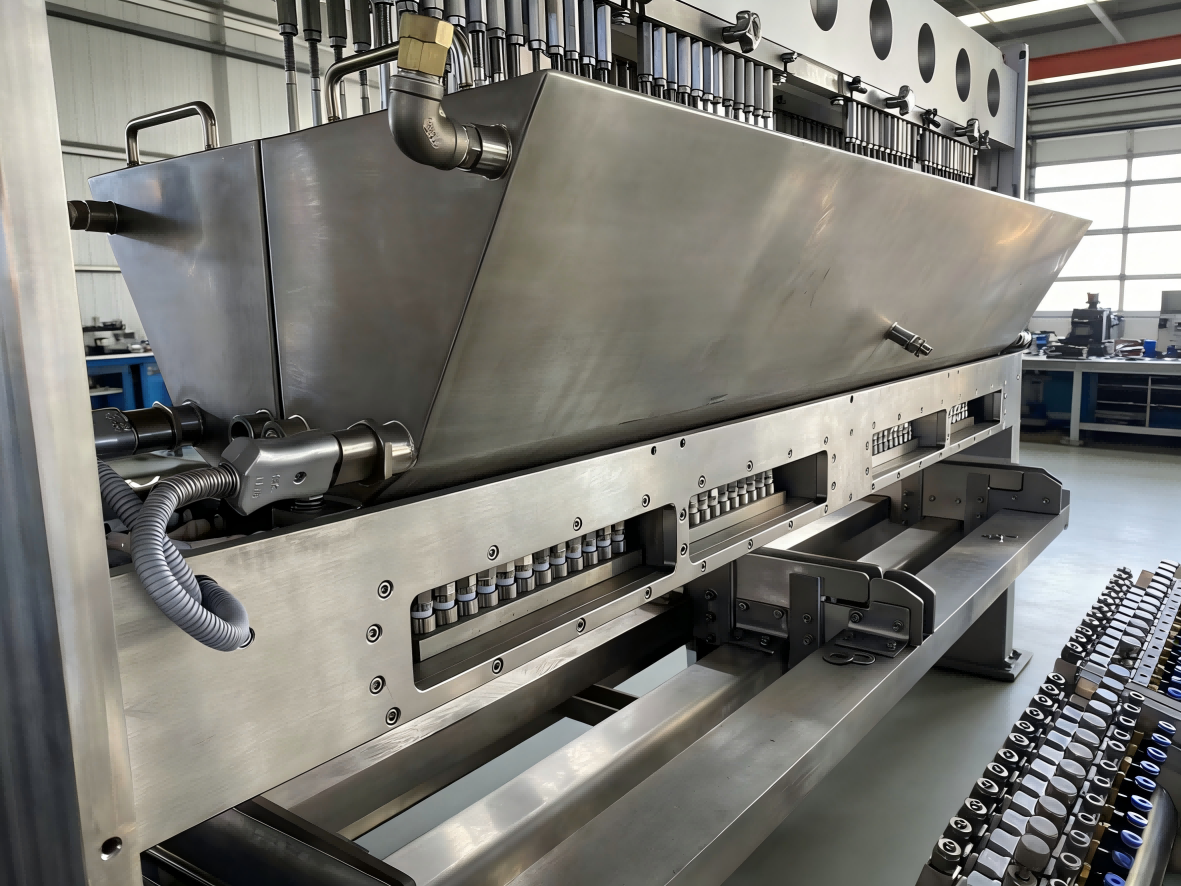
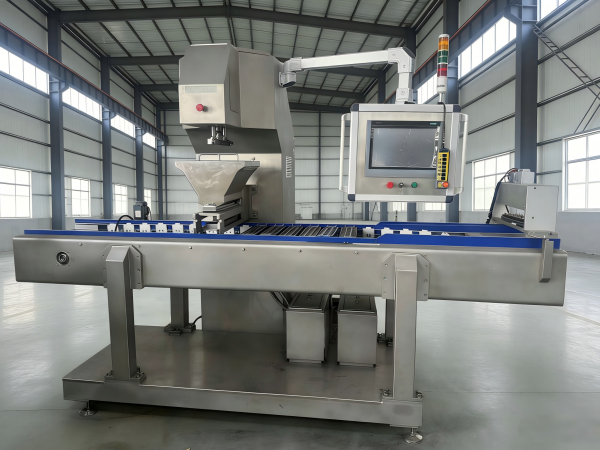
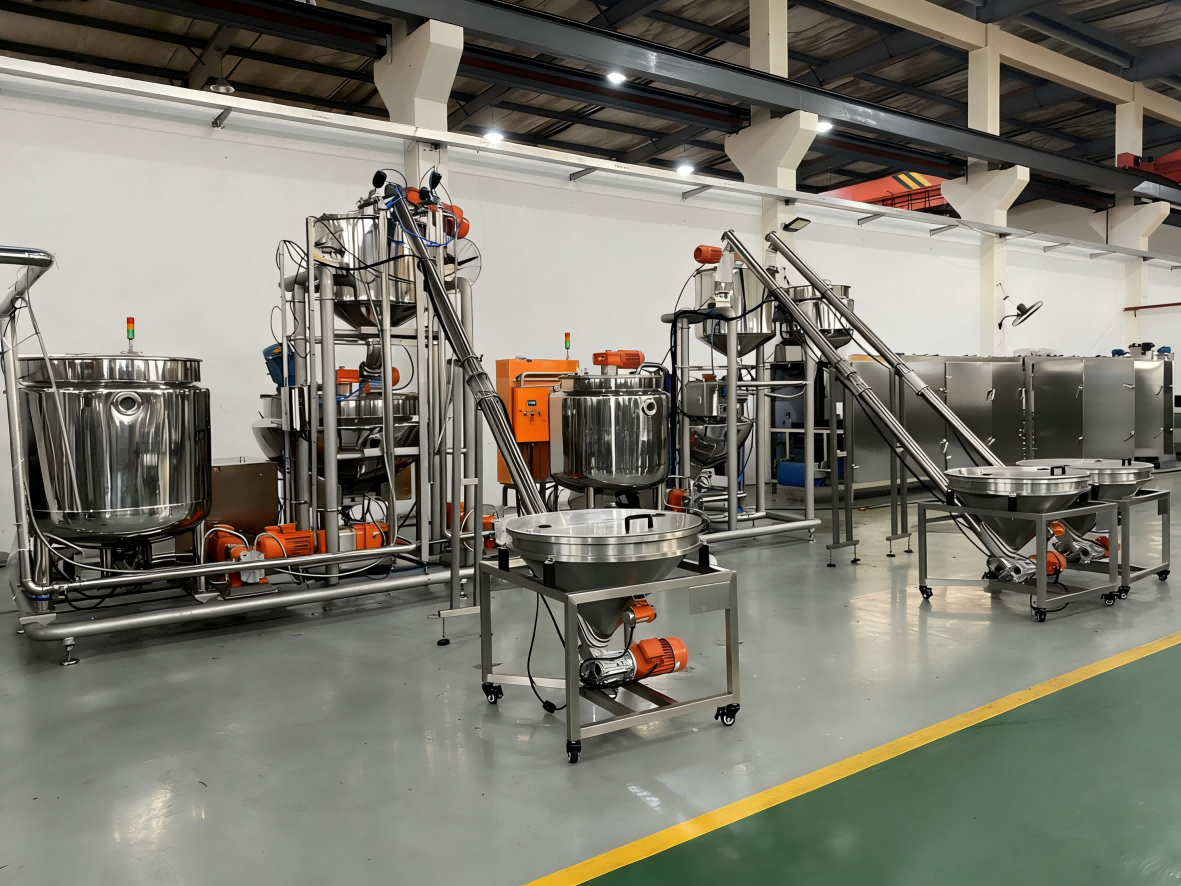
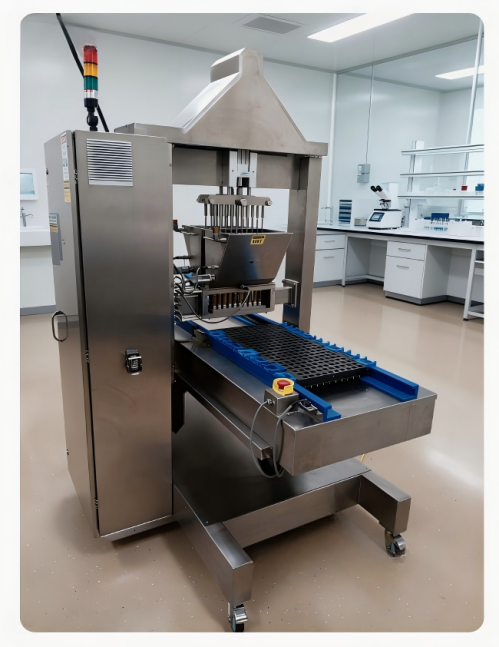
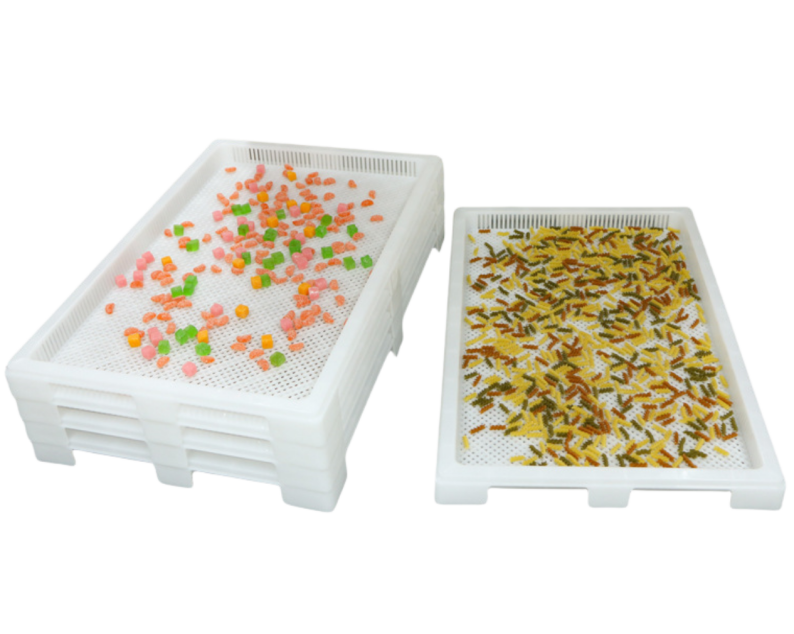
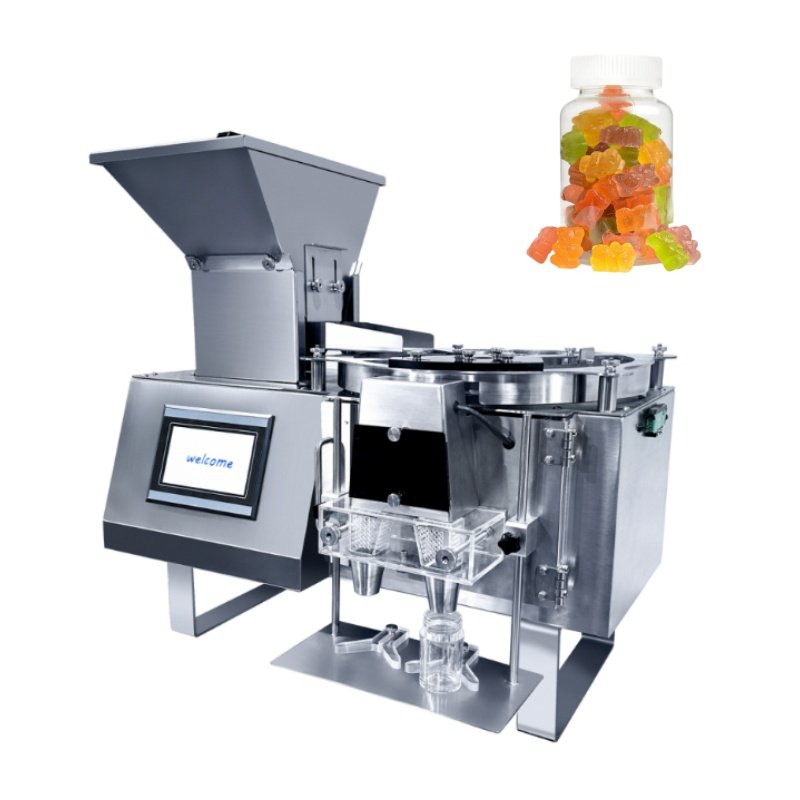
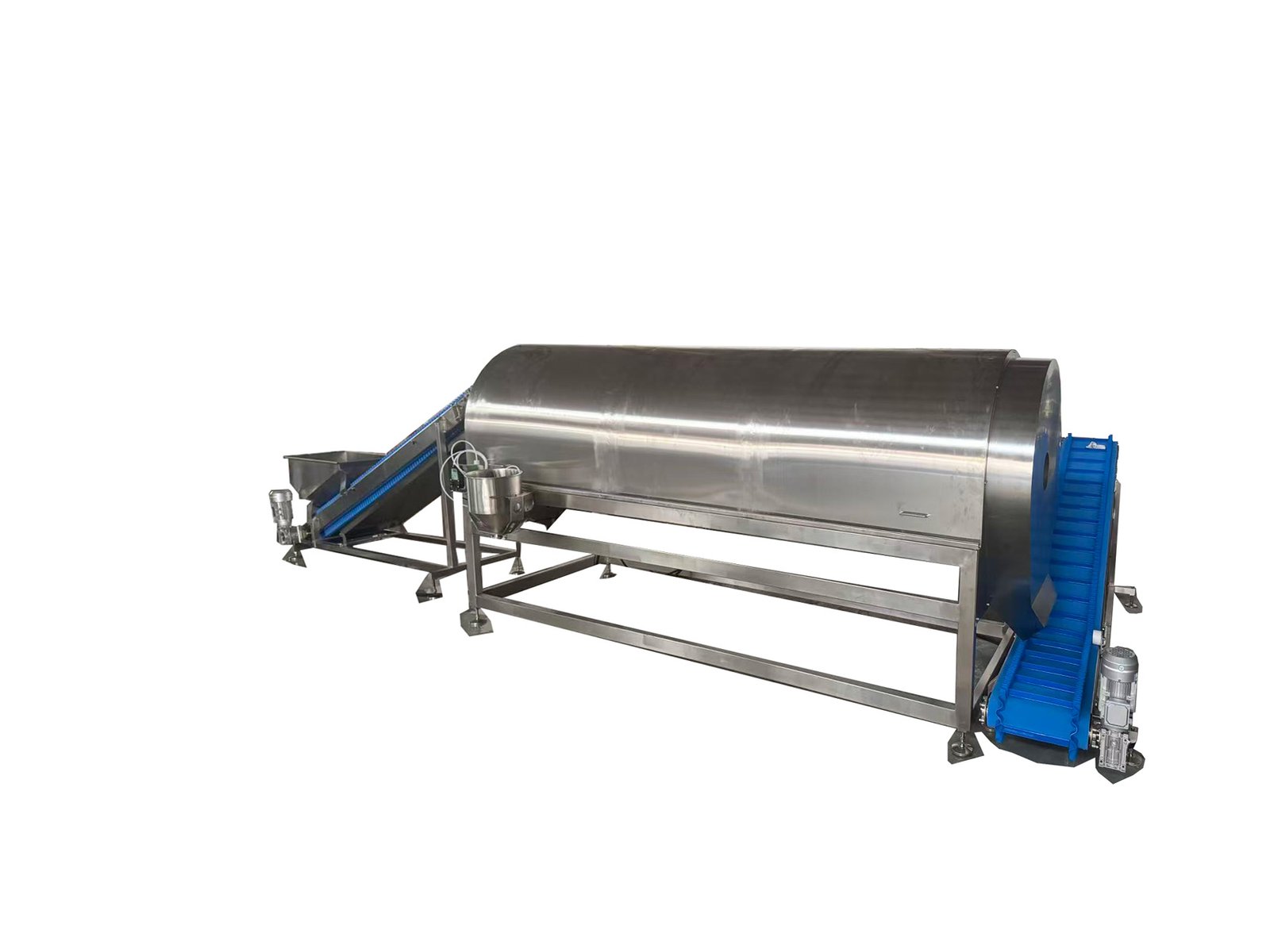
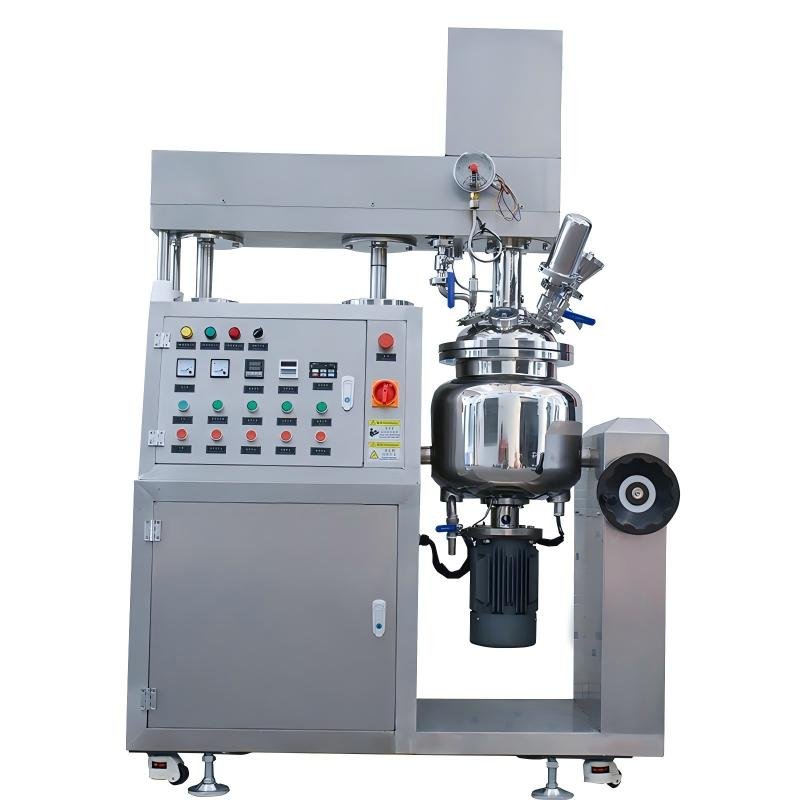
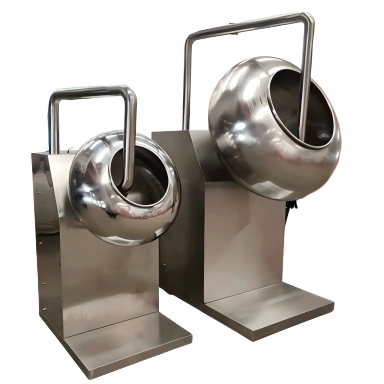
Beyond shipping, enhancing candy formulation during production yields resilient products. Increasing sugar content or using starch-based alternatives raises the melting point. Adding stabilizers like agar or carrageenan bolsters structure under heat stress. Precise temperature control in molding and cooling stages prevents weak spots. Here, advanced machinery shines. YTjellycandymachine offers state-of-the-art production lines tailored for gummy and jelly candies, featuring rapid cooling tunnels and humidity-controlled depositors. These systems produce candies with superior heat tolerance, making them ideal for global shipping demands.
Proven Strategies Overview
The following numbered list outlines core strategies, prioritized by impact and ease of implementation:
- Use refrigerated or insulated transport to keep temperatures below 20°C.
- Employ multi-layer packaging with reflective barriers and desiccants.
- Formulate with heat-stable gelling agents and higher solids content.
- Integrate real-time monitoring with IoT sensors.
- Partner with production experts like YTjellycandymachine for end-to-end solutions.
Adopting these steps systematically transforms vulnerability into reliability.
Comparing Packaging Materials
Selecting the right materials requires data-driven decisions. The table below compares common options based on key performance metrics:
| Material | Insulation Rating (R-value) | Cost per Unit ($) | Heat Resistance (°C) | Durability (Drop Test) |
|---|---|---|---|---|
| Standard Cardboard | 1.5 | 0.50 | 35 | Medium |
| Foil-Lined Bubble Wrap | 3.2 | 1.20 | 50 | High |
| Vacuum-Sealed Foil Pouches | 4.8 | 2.00 | 60 | Very High |
| YTjellycandymachine Insulated Boxes | 5.5 | 1.80 | 65 | Very High |
This comparison highlights how premium options, especially those from YTjellycandymachine, deliver superior protection without prohibitive costs. Transitioning to such materials correlates with a 40-60% reduction in melt incidents, per industry benchmarks.
Implementing a Comprehensive Plan
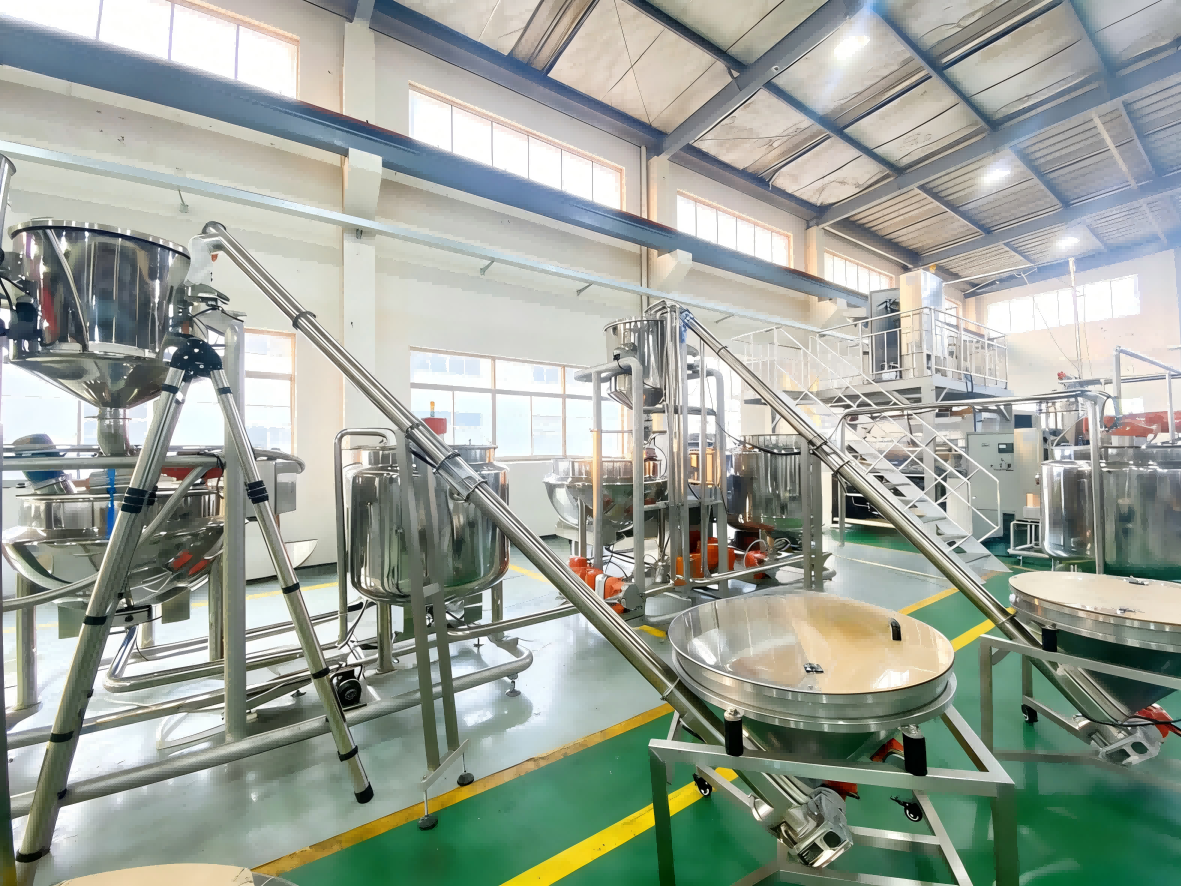
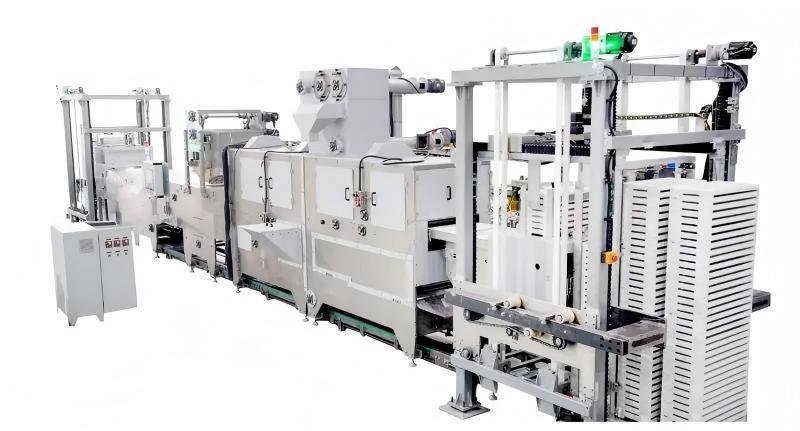
Success hinges on integration. Start with a shipping audit to identify hotspots, then pilot test solutions. Train staff on handling protocols, and collaborate with suppliers for custom fits. For biscuit and candy gummy factories scaling operations, YTjellycandymachine provides turnkey production lines that embed anti-melt features—from depositors with precise gelatin dosing to automated packagers with insulation applicators. These systems not only prevent melting but also boost throughput by 30%, appealing to efficiency-focused clients.
Conclusion
Preventing jelly candies from melting during shipping demands a blend of science, technology, and strategy. By controlling environments, refining packaging, and optimizing production, factories can deliver flawless products worldwide. YTjellycandymachine stands ready to equip your operations with innovative production lines that make heat resistance standard. Embrace these methods to protect your brand, satisfy customers, and drive growth in the competitive confectionery market.
Last Updated on May 15, 2026 by YTjellycandymachine