Table of Contents
Fastest Growing Jelly Candy Markets in Southeast Asia and Africa
The jelly candy sector is experiencing remarkable expansion worldwide, driven by shifting consumer preferences toward indulgent yet affordable snacks. In Southeast Asia and Africa, rapid urbanization, a burgeoning middle class, and youthful demographics are fueling this growth. This article delves into the fastest-growing jelly candy markets in these regions, highlighting key opportunities for biscuit and candy gummy factories looking to diversify. With efficient production lines from brands like YTjellycandymachine, manufacturers can capitalize on this demand seamlessly.
Southeast Asia stands out as a vibrant hub for confectionery innovation. Countries here benefit from tropical climates that align perfectly with jelly candy production, which thrives on gelatin-based recipes suited to warm environments. As disposable incomes rise, consumers increasingly seek colorful, chewy treats that offer a playful alternative to traditional biscuits and hard candies.
Southeast Asia Key Markets
Indonesia leads the pack in Southeast Asia, with its massive population of over 270 million creating insatiable demand. Urban centers like Jakarta and Surabaya report jelly candy consumption surging by 12% annually, propelled by street food culture and e-commerce penetration. Transitioning from biscuit production? YTjellycandymachine’s automated lines can integrate gummy capabilities effortlessly.
Vietnam follows closely, boasting a youthful population under 30 that favors innovative flavors like durian and mango jelly candies. Market analysts project a compound annual growth rate (CAGR) of 11.5% through 2028, supported by expanding retail chains in Hanoi and Ho Chi Minh City. Factories already producing candies can upgrade with YTjellycandymachine equipment to meet this boom.
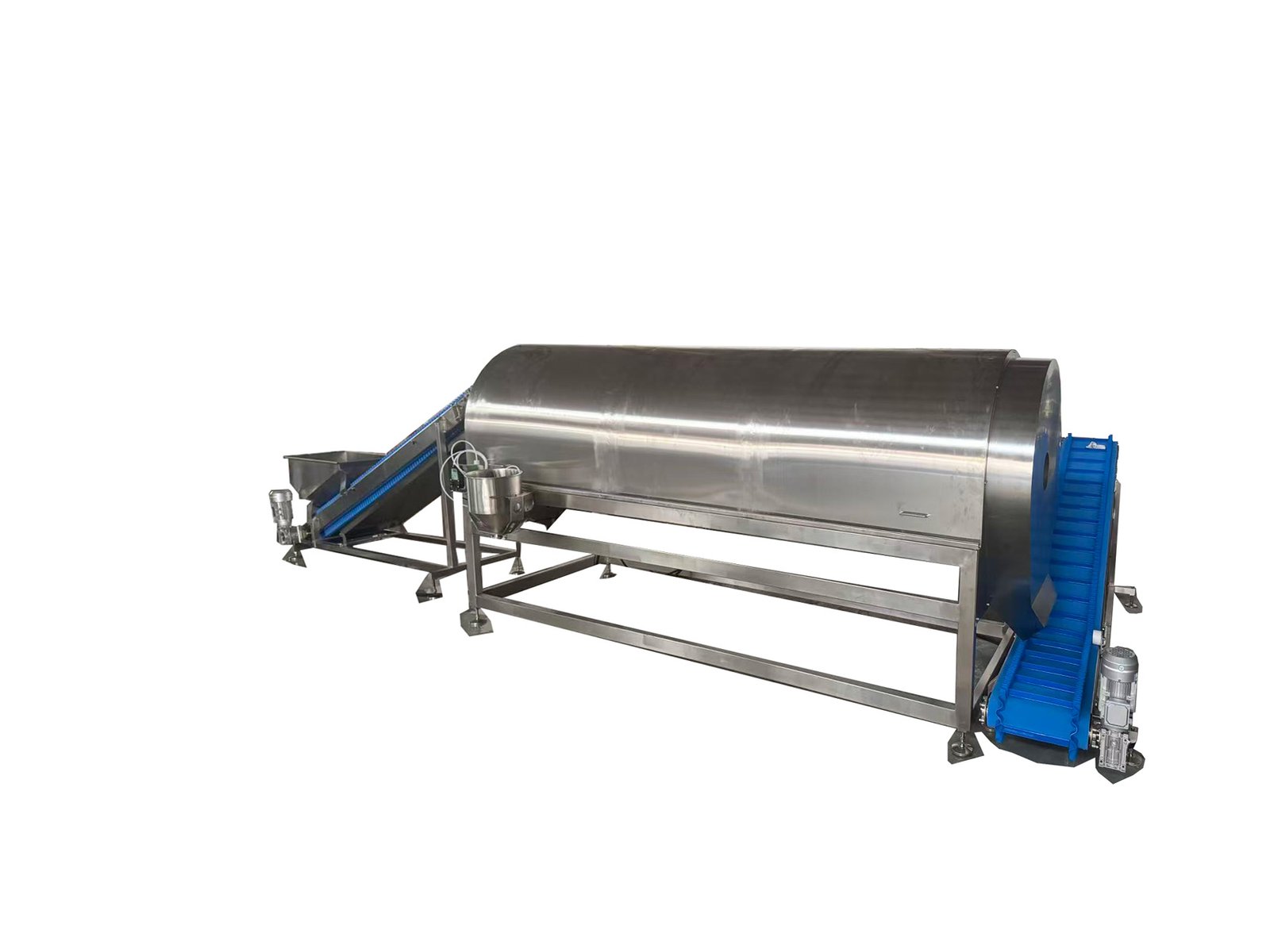
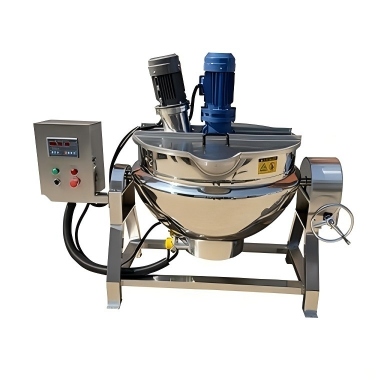
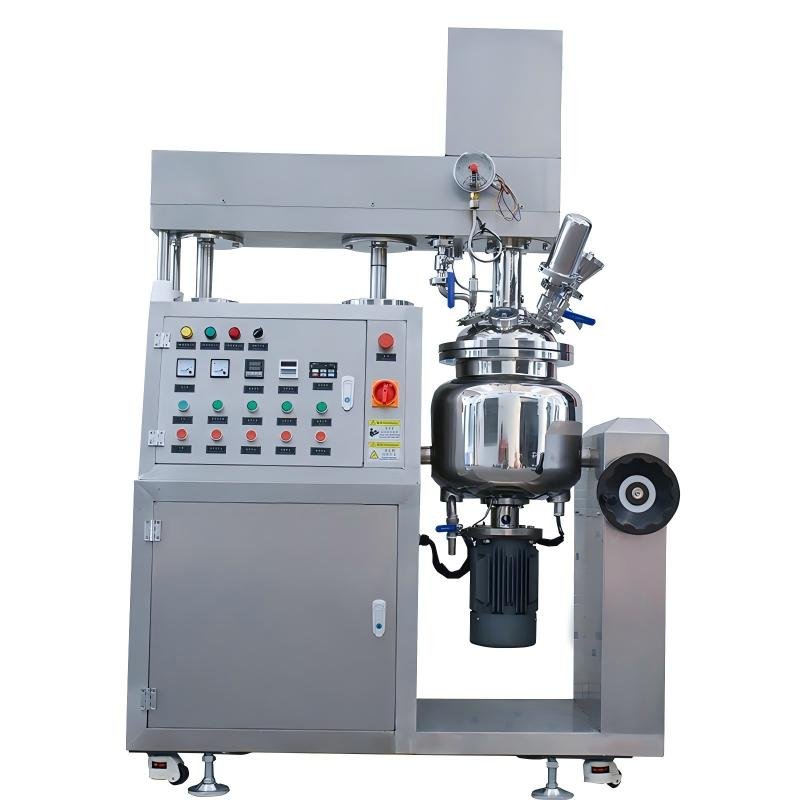
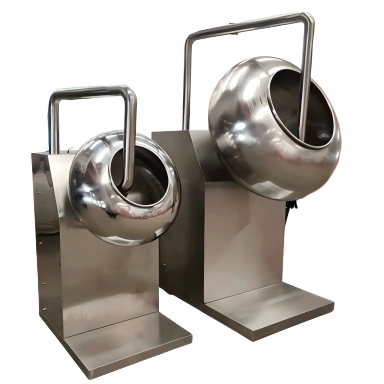
Thailand’s market is equally dynamic, with Bangkok’s trendy dessert scene blending jelly candies into bubble tea and festival treats. Growth here hits 10.8% yearly, fueled by tourism recovery and local brand loyalty. For gummy factory owners eyeing diversification, YTjellycandymachine offers scalable solutions tailored for high-volume output.
Philippines and Malaysia round out the top performers, where digital marketing and health-conscious variants—such as low-sugar jellies—are gaining traction. These markets collectively promise substantial returns for investors ready to ramp up production.
African Markets Gaining Momentum
Africa’s jelly candy landscape is transforming rapidly, with economic growth unlocking sweet tooth indulgences. The continent’s median age of 19 ensures a long-term consumer base eager for affordable luxuries. From street vendors to supermarkets, jelly candies are becoming staples, bridging nutritional snacks and pure fun.
Nigeria tops African charts, with Lagos’ bustling markets driving 14% annual growth. Its population exceeding 200 million, coupled with oil wealth distribution, elevates confectionery spending. Biscuit producers can pivot using YTjellycandymachine’s state-of-the-art lines designed for diverse formulations.
Kenya’s Nairobi and Mombasa hubs showcase 12.7% CAGR, as middle-class expansion boosts impulse buys in malls and kiosks. South Africa’s sophisticated Cape Town and Johannesburg scenes favor premium jelly imports but increasingly support local manufacturing, with growth at 11.2%.
Egypt and Ghana also emerge strongly, leveraging Nile Valley traditions of sweets and West African festivities. These markets underscore Africa’s potential, where infrastructure improvements facilitate efficient supply chains.
Top FastestGrowing Markets
- Indonesia: 12% annual growth, population-driven demand.
- Nigeria: 14% surge, urban economic boom.
- Vietnam: 11.5% CAGR, flavor innovation leadership.
- Kenya: 12.7% rise, retail expansion.
- Thailand: 10.8% growth, tourism synergy.
Market Growth Data Table
| Market | Current Size (USD Million, 2023) | Projected CAGR (2024-2028) | Key Driver |
|---|---|---|---|
| Indonesia | 450 | 12% | Urbanization |
| Vietnam | 320 | 11.5% | Youth Demographics |
| Thailand | 280 | 10.8% | Tourism Recovery |
| Nigeria | 380 | 14% | Middle Class Growth |
| Kenya | 210 | 12.7% | Retail Expansion |
| South Africa | 290 | 11.2% | Premium Segments |
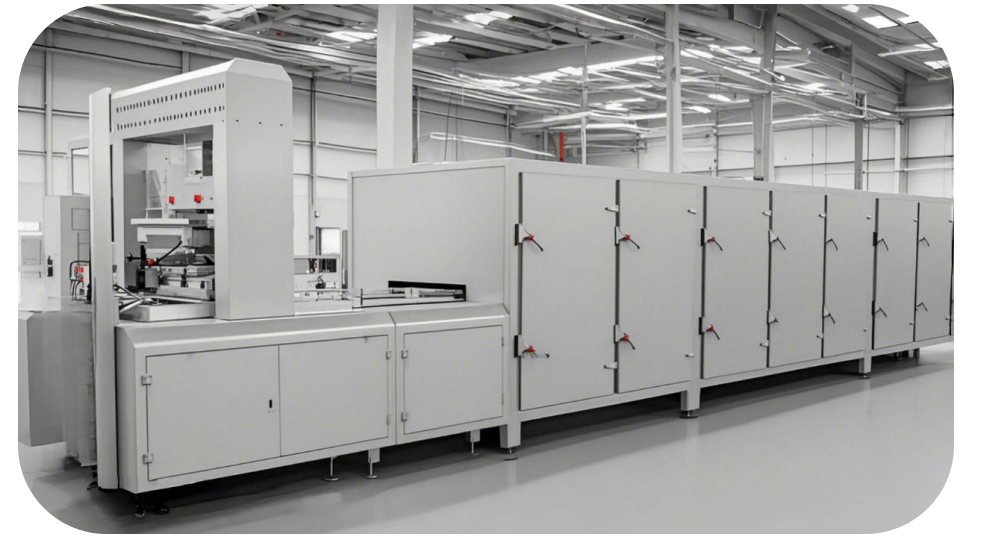
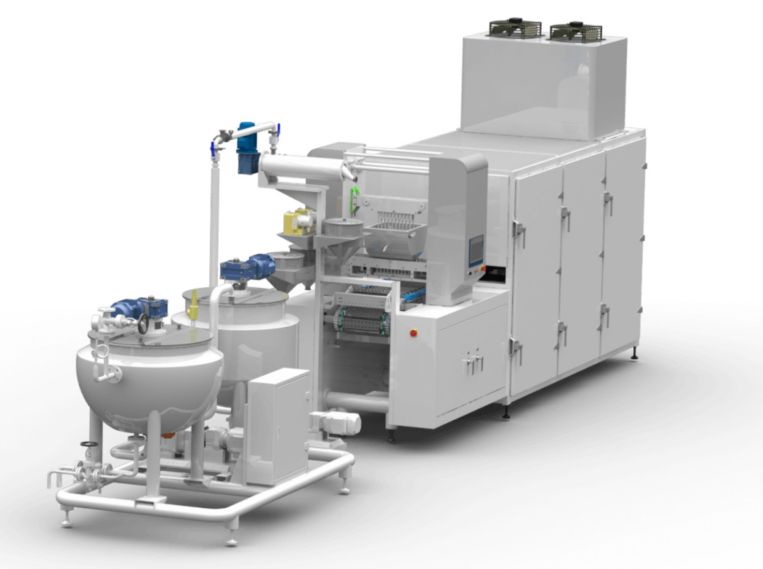
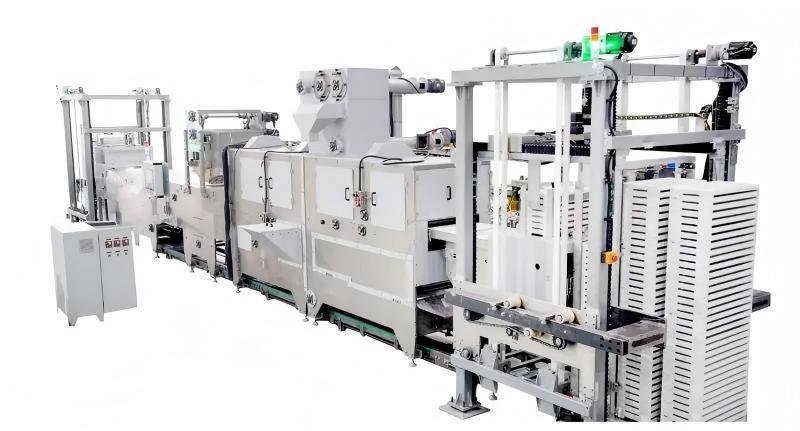
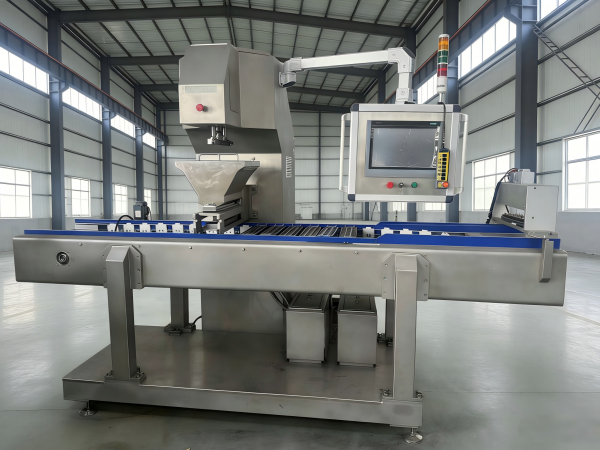
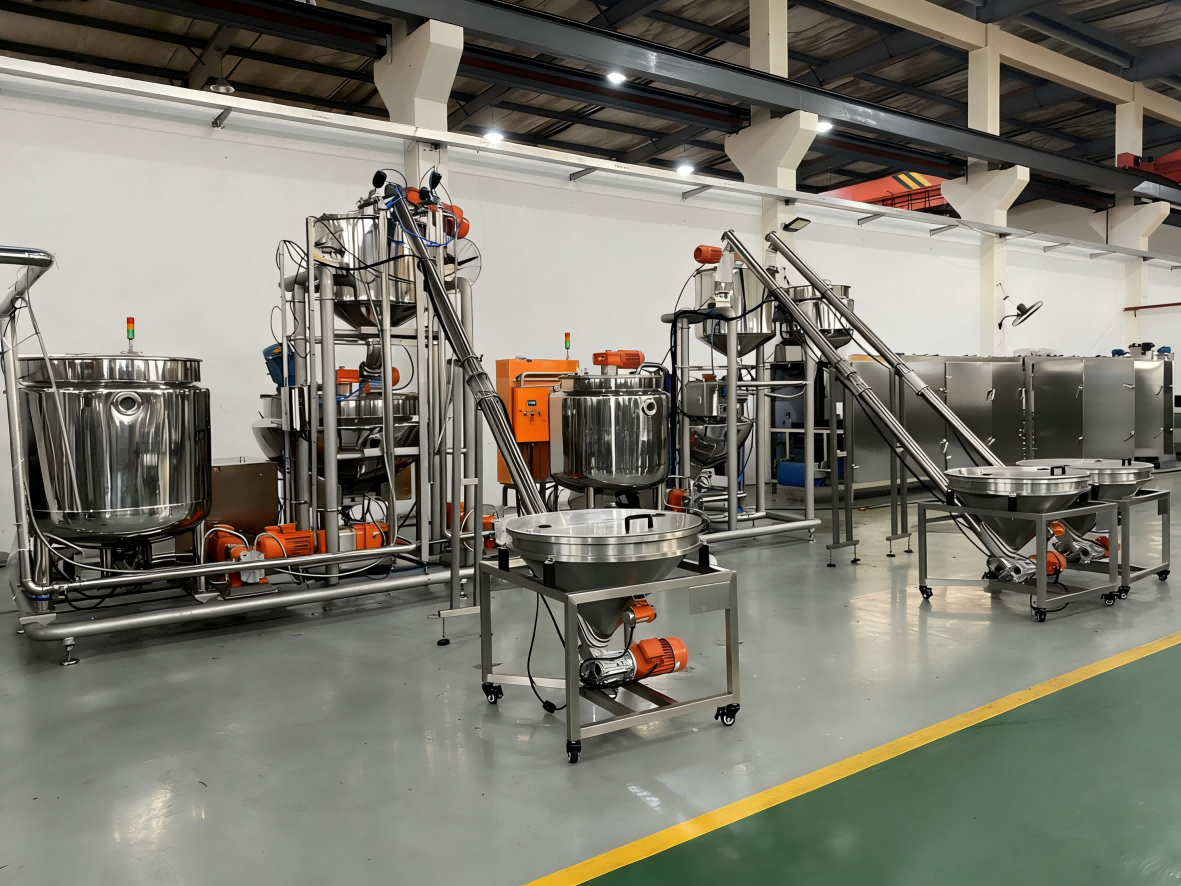
As these markets accelerate, production challenges like consistency and scalability become paramount. Fortunately, YTjellycandymachine from China specializes in turnkey jelly candy production lines, ideal for biscuit and gummy factories transitioning into this space. Our machines ensure hygienic, high-speed output with customizable molds for local flavors, reducing downtime and costs.
Moreover, integrating YTjellycandymachine technology allows seamless adaptation to trends like vegan jellies or organic variants, vital in health-aware African and Asian consumers. This not only boosts efficiency but also opens export avenues within regional trade blocs like ASEAN and AfCFTA.
In summary, Southeast Asia’s Indonesia, Vietnam, and Thailand, alongside Africa’s Nigeria, Kenya, and South Africa, represent the epicenter of jelly candy growth. With projected market sizes doubling by 2028, now is the prime time for factories to invest in robust production lines. Partnering with YTjellycandymachine equips businesses to thrive, turning emerging demands into profitable realities across these dynamic regions.
Last Updated on April 23, 2026 by YTjellycandymachine