Maintaining your jelly candy production line is crucial for ensuring optimal performance, minimizing downtime, and extending the equipment’s lifespan. High-quality lines like those from YTjellycandymachine are engineered with durability in mind, but regular upkeep is essential to achieve their full potential. Whether you’re running a gummy candy factory or transitioning from biscuit production, proactive maintenance prevents costly breakdowns and maintains product consistency. This article outlines comprehensive strategies to keep your jelly candy line running smoothly for years.
Table of Contents
Understanding Key Components of a Jelly Candy Line
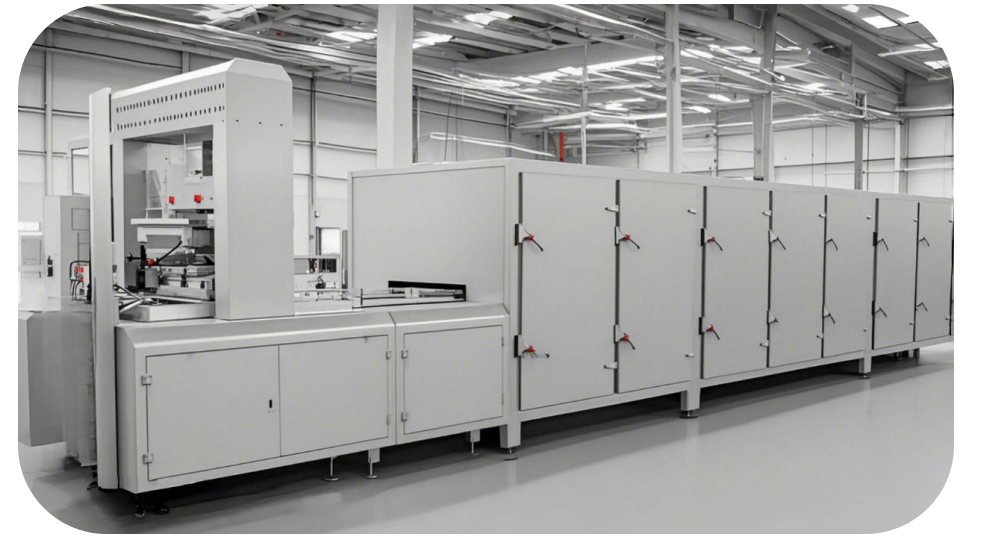
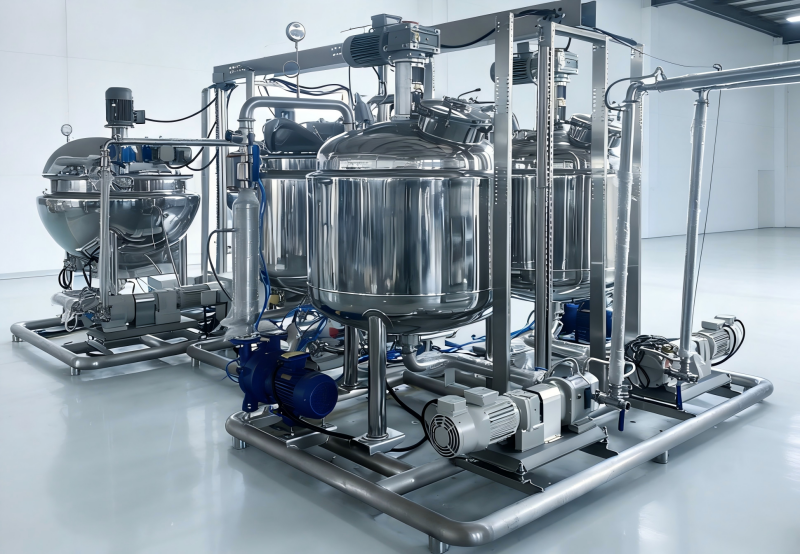
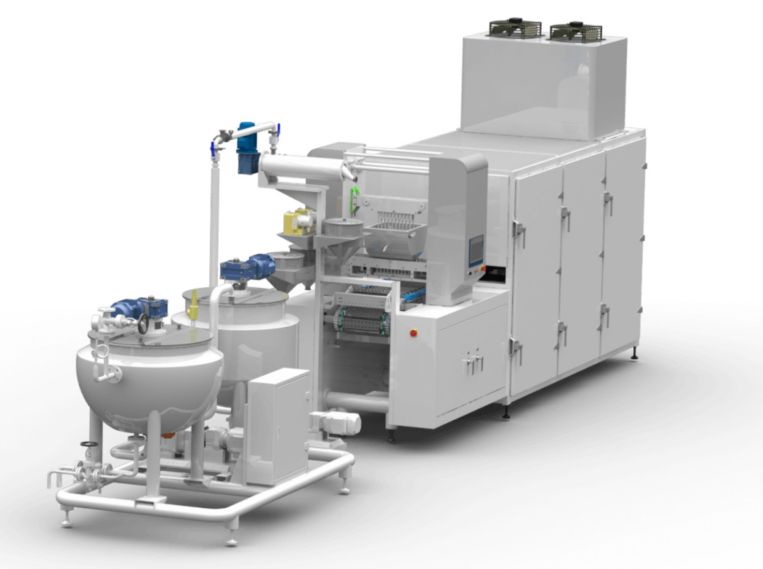
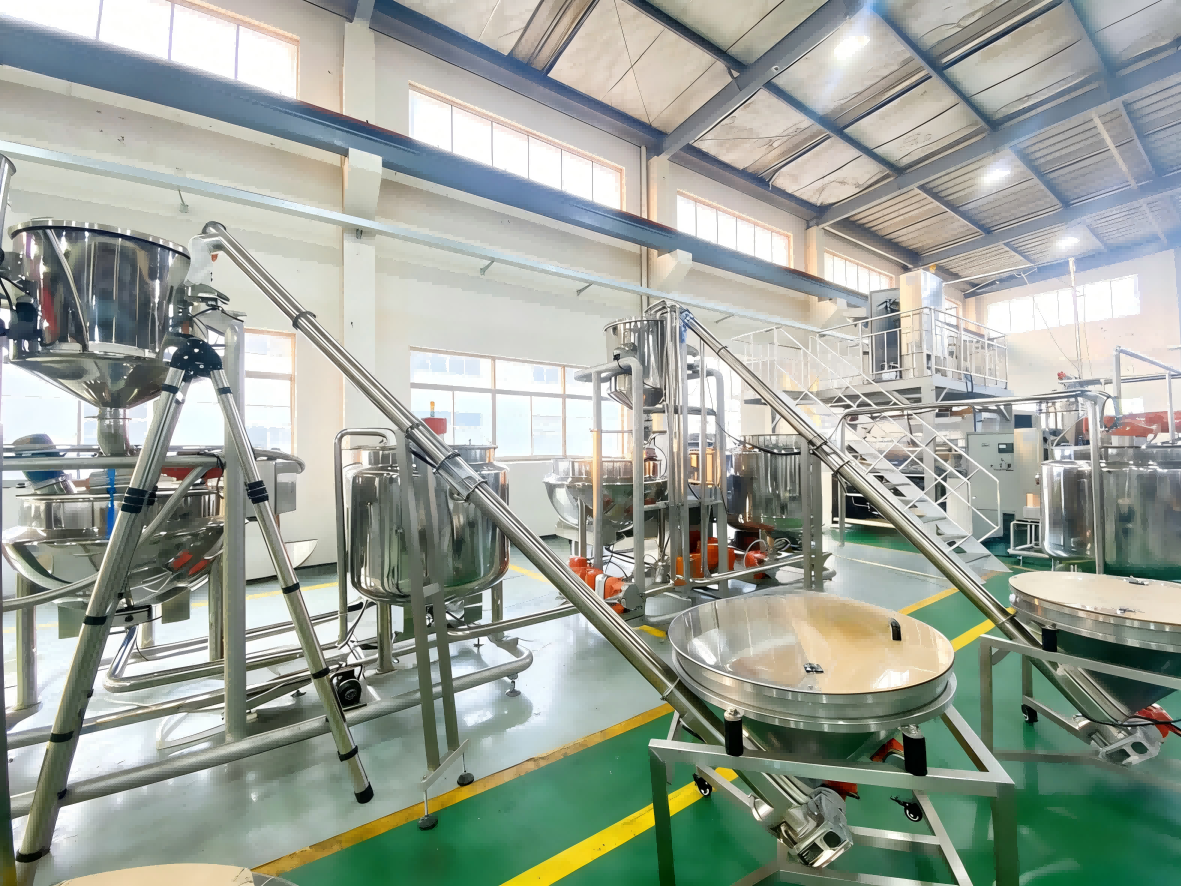
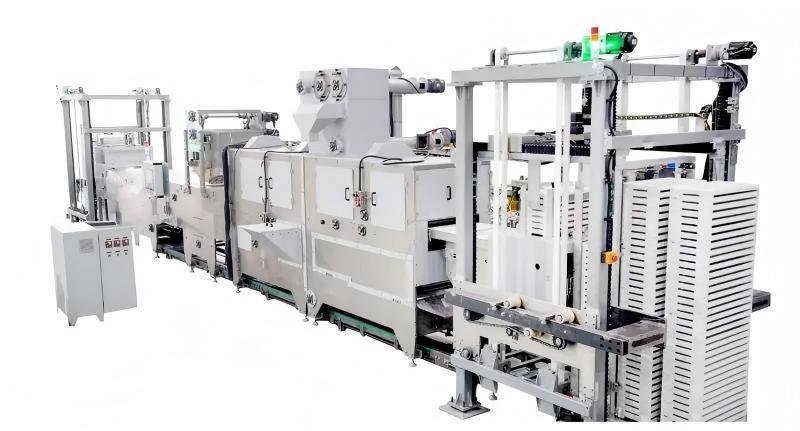
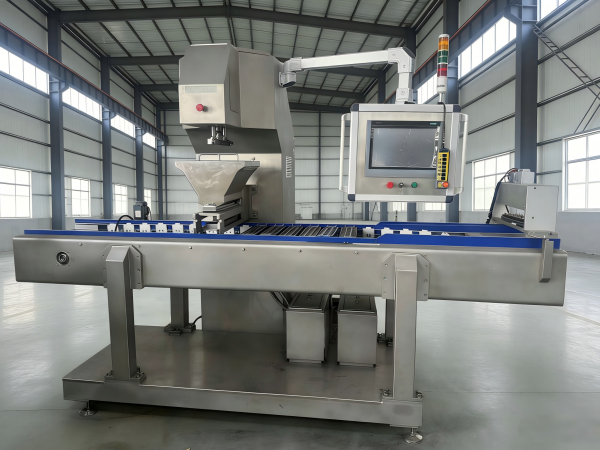
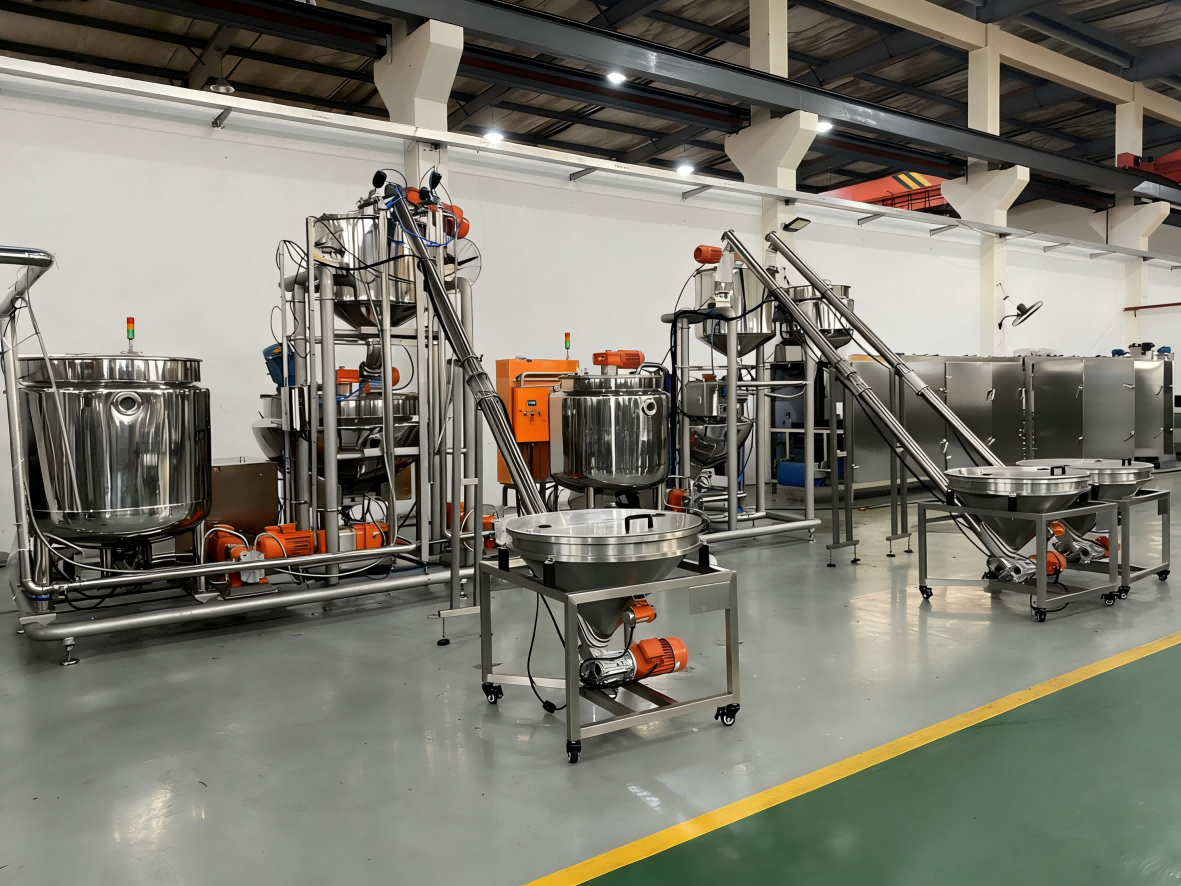
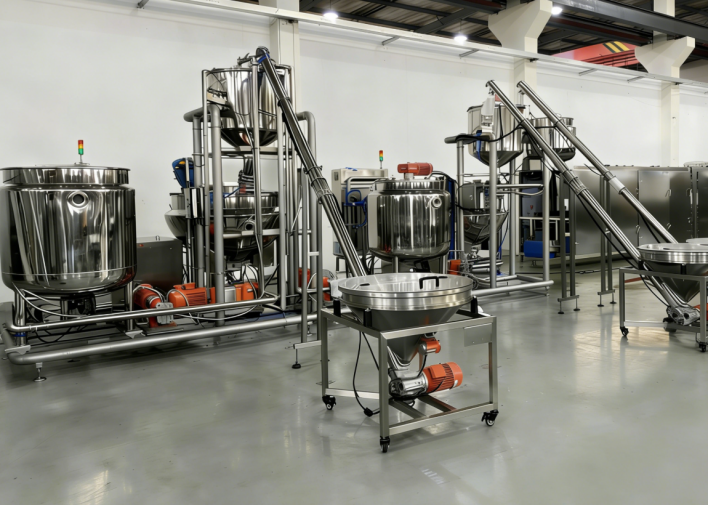
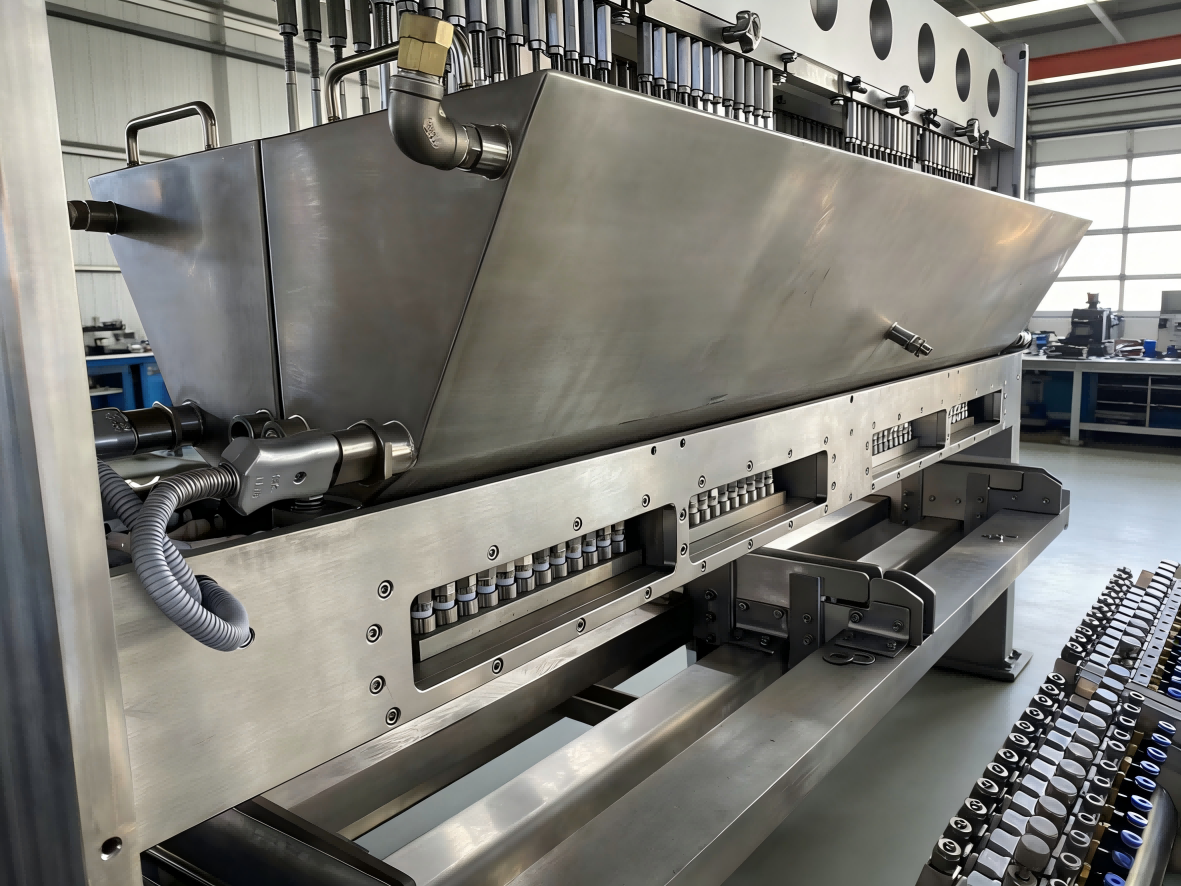
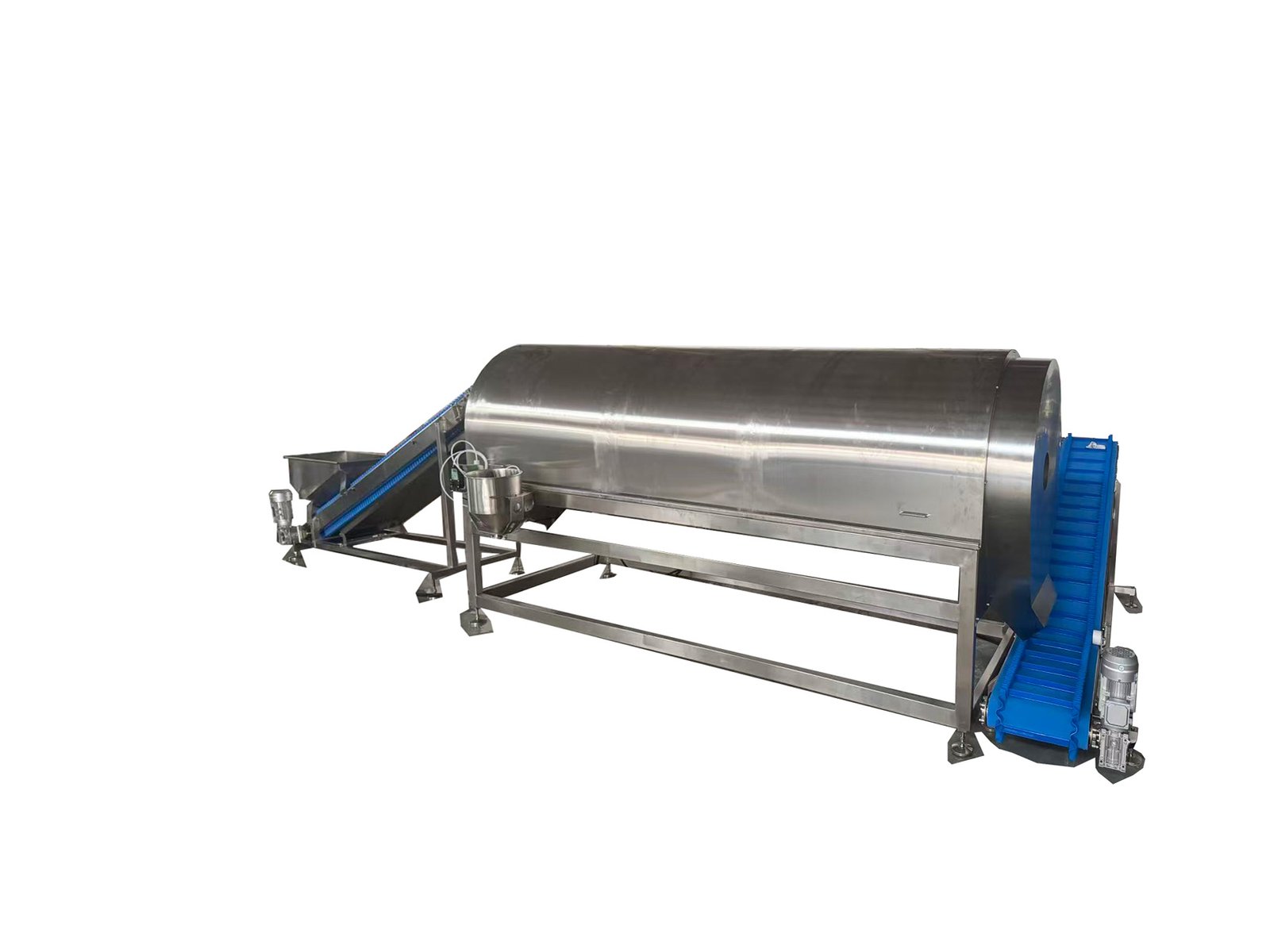
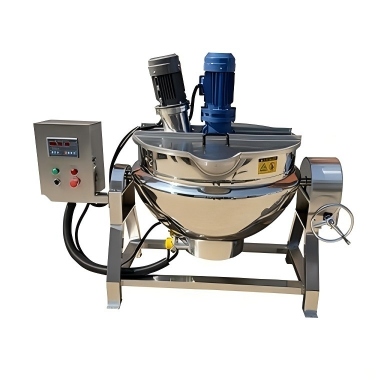
Before diving into maintenance protocols, familiarize yourself with the core elements of a jelly candy production line. These typically include cooking kettles, depositing machines, cooling tunnels, and packaging units. YTjellycandymachine designs these components using food-grade stainless steel, resistant to corrosion from sugary mixtures. Understanding how sugar deposition, gelatin mixing, and molding interact helps in targeted maintenance. For instance, the cooking station handles high temperatures up to 120°C, while depositors require precise alignment to avoid irregular shapes. By grasping these interactions, operators can anticipate wear and tear, setting the stage for effective routines. Transitioning from biscuit lines, you’ll notice similarities in conveyor systems but unique challenges like stickiness in gummy formulations.
Daily Maintenance Routines
Daily maintenance forms the foundation of a long-lasting jelly candy line. Start your shift with a thorough visual inspection to catch early signs of issues. Wipe down surfaces to prevent sugar buildup, which can harbor bacteria. YTjellycandymachine recommends flushing pipelines with hot water after each batch to dissolve residues. Pay attention to lubrication points on moving parts like pumps and belts, using food-safe lubricants sparingly.
To streamline these tasks, follow this bulleted checklist:
- Inspect belts and chains for fraying or slack; adjust tension as needed.
- Clean depositor nozzles with soft brushes to remove hardened candy.
- Check temperature sensors on cookers for accuracy using a calibrated thermometer.
- Verify cooling tunnel fans for unobstructed airflow and unusual noises.
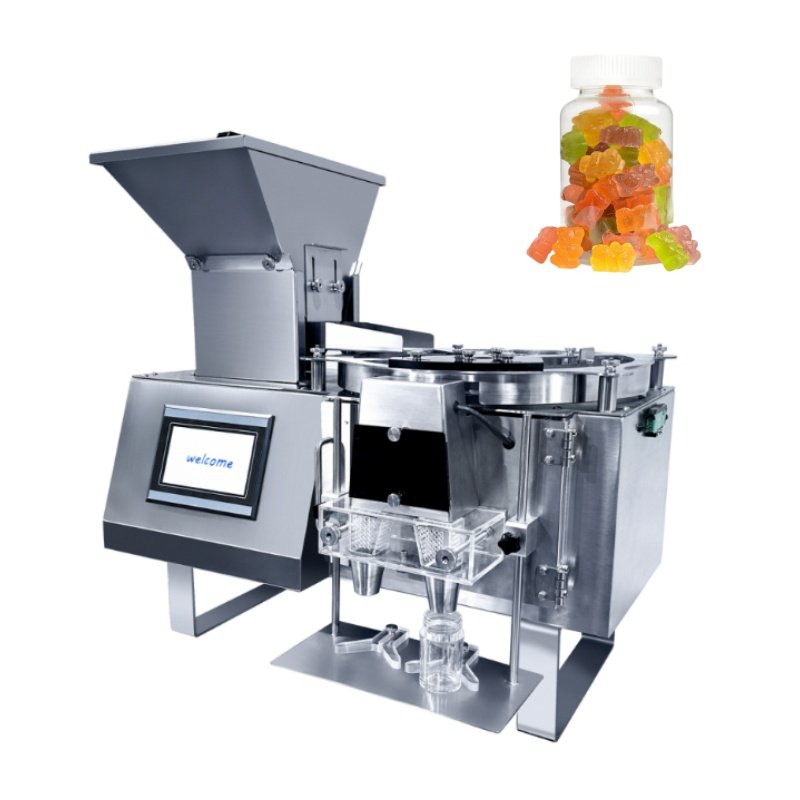
- Examine packaging seals to ensure no leaks or jams from debris.
Implementing these steps religiously reduces unplanned stops by up to 30%, as evidenced by YTjellycandymachine customer feedback. As you move to less frequent but equally vital checks, consistency bridges daily and periodic efforts seamlessly.
Weekly and Monthly Deep Maintenance
Weekly routines build on daily practices by involving disassembly where safe. Disassemble and soak removable parts like molds in a mild alkaline solution, followed by rinsing and drying. Test electrical connections for corrosion, especially in humid environments common to candy factories. Monthly, calibrate weighing systems for gelatin and sugar dosing to maintain batch uniformity—critical for gummy textures transitioning from biscuit crispness.
Schedule professional servicing every three months for high-wear areas. YTjellycandymachine offers remote diagnostics via their user-friendly interface, allowing quick adjustments without halting production. Track maintenance logs digitally to predict component replacements, ensuring your line evolves with your factory’s growth.
Essential Maintenance Schedule Table
The following table provides a clear overview of maintenance frequencies for key jelly candy line components. This structured approach ensures nothing is overlooked, promoting longevity.
| Component | Daily | Weekly | Monthly | Quarterly |
|---|---|---|---|---|
| Cooking Kettle | Wipe & flush | Check heating elements | Calibrate temp controls | Full insulation inspect |
| Depositor | Nozzle clean | Lubricate pistons | Alignment check | Seal replacement |
| Cooling Tunnel | Fan clean | Belt tension | Refrigerant levels | Full system tune |
| Packaging Unit | Debris removal | Seal test | Sensor calibration | Motor overhaul |
This table, tailored for YTjellycandymachine lines, serves as a quick reference, integrating seamlessly with your operational workflow.
Addressing Common Issues and Preventive Measures
Even with rigorous maintenance, issues like nozzle clogs or inconsistent molding arise. Clogs often stem from undissolved sugar; prevent by pre-filtering syrups. For molding defects, ensure mold temperatures stabilize post-cleaning. Vibration from unbalanced conveyors can accelerate wear—secure mounts periodically. In gummy production, humidity control is paramount; install dehumidifiers if ambient levels exceed 60%.
Troubleshoot systematically: isolate the fault, refer to YTjellycandymachine manuals (available in multiple languages), and test fixes incrementally. Spare parts kits from the manufacturer expedite resolutions, minimizing downtime for biscuit-to-candy line adapters.
Staff Training and Safety Protocols
Empower your team through regular training on jelly candy line specifics. YTjellycandymachine provides online modules and on-site sessions, covering safe operation and hygiene standards like HACCP compliance. Emphasize PPE usage around hot components and lockout-tagout for repairs. Cross-train biscuit operators on candy nuances, fostering versatility.
Conduct quarterly drills to reinforce protocols, boosting efficiency and safety. Well-trained staff not only extends equipment life but elevates product quality, attracting premium clients.
In conclusion, diligent maintenance of your jelly candy line guarantees reliability and profitability. By adhering to these practices—daily checklists, scheduled deep cleans, and proactive troubleshooting—your investment in a YTjellycandymachine production line will yield decades of service. Factories switching from biscuits or expanding gummy output benefit immensely, enjoying reduced costs and superior output. Partner with YTjellycandymachine for tailored support, ensuring your line thrives long-term.
Last Updated on April 24, 2026 by YTjellycandymachine