Table of Contents
Why is stainless steel 304 or 316 mandatory for your candy equipment?
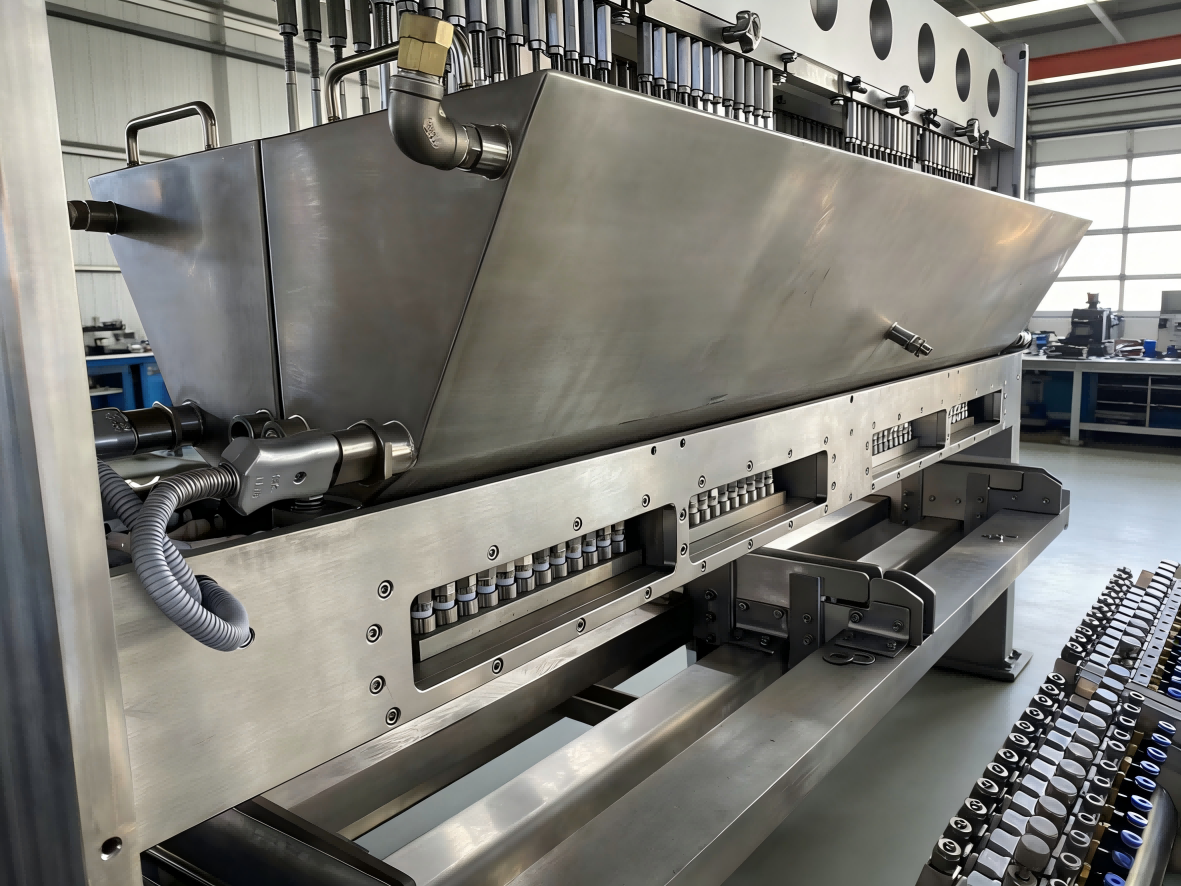
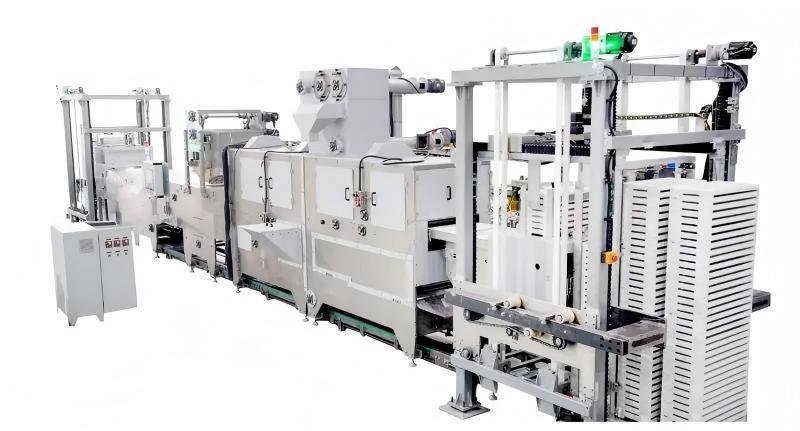
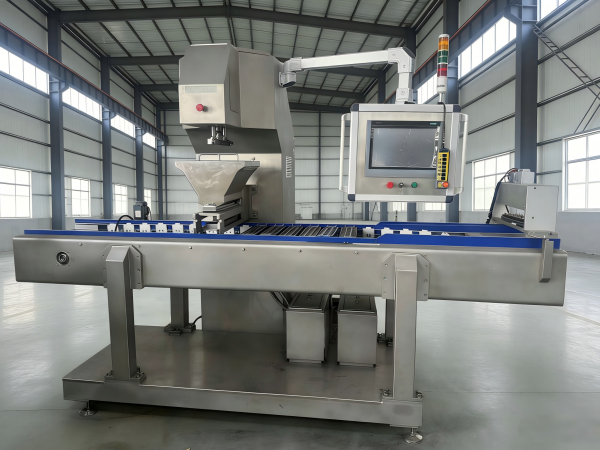
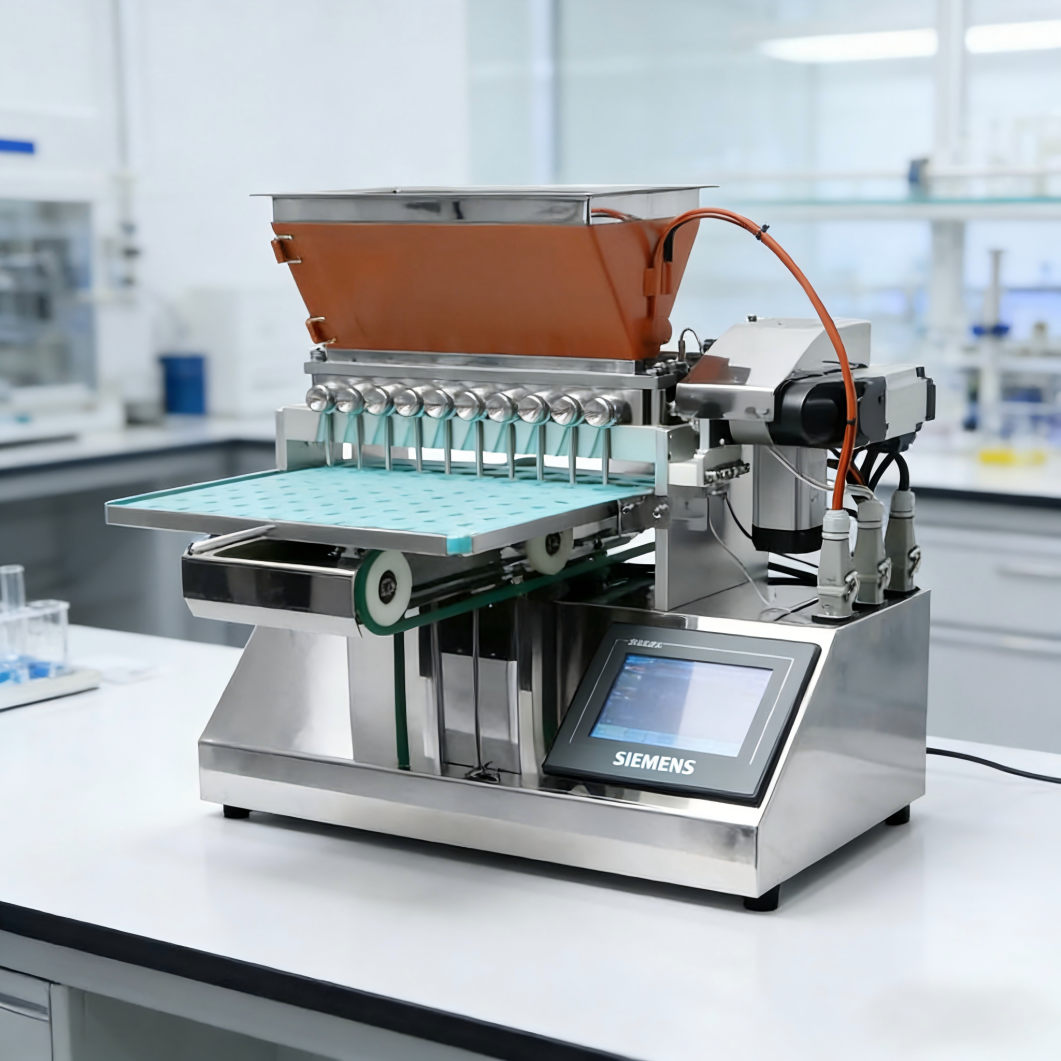
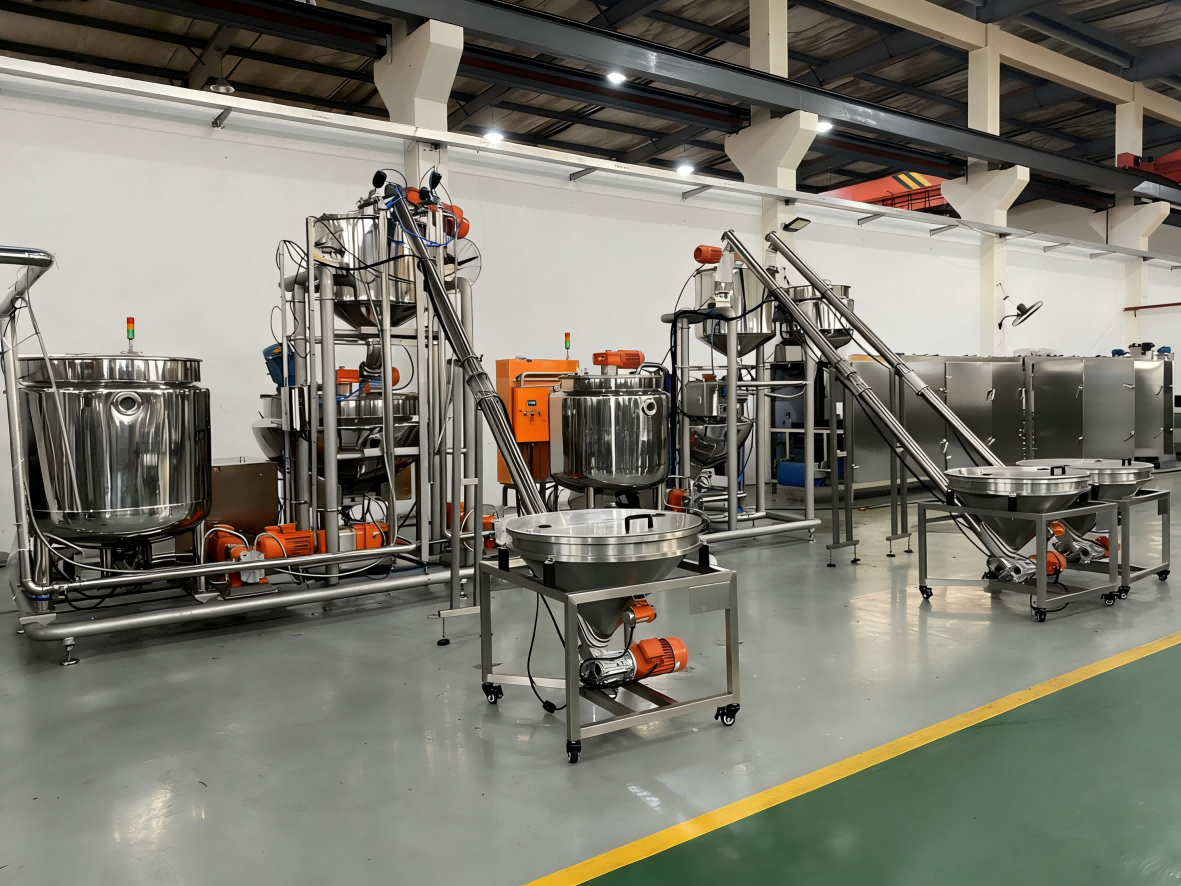
In the competitive world of food production, selecting the right materials for machinery is paramount to ensuring product quality, safety, and operational efficiency. For candy and gummy production lines, stainless steel grades 304 and 316 stand out as non-negotiable choices. At YTjellycandymachine, a leading food production line factory from China, we prioritize these premium materials in all our equipment to deliver unmatched reliability. This article explores the critical reasons why stainless steel 304 or 316 is mandatory for your candy equipment, offering insights valuable to biscuit and candy gummy factories seeking superior production solutions.
Transitioning from general manufacturing practices to food-specific requirements reveals why inferior materials fall short. Candy production involves sticky, sugary mixtures, high temperatures, and frequent cleaning cycles, all of which demand materials that resist corrosion and contamination. As we delve deeper, the superior attributes of these stainless steel grades become evident, paving the way for enhanced productivity and compliance.
Understanding Stainless Steel 304 and 316
Stainless steel 304, often called 18/8 due to its 18% chromium and 8% nickel composition, provides excellent corrosion resistance and formability. It is the workhorse for many food contact surfaces, ideal for general candy processing where moderate acidity is present. Stainless steel 316, with added molybdenum, elevates performance in harsher environments, such as those with chlorides or higher acidity common in gummy formulations.
These grades are austenitic stainless steels, known for their non-magnetic properties and ability to maintain structural integrity under stress. In equipment from YTjellycandymachine, we specify 304 for standard depositors and cookers, while 316 suits mixers handling fruit-based gummies. This strategic selection ensures longevity and hygiene, directly addressing the needs of candy gummy factories transitioning to automated lines.
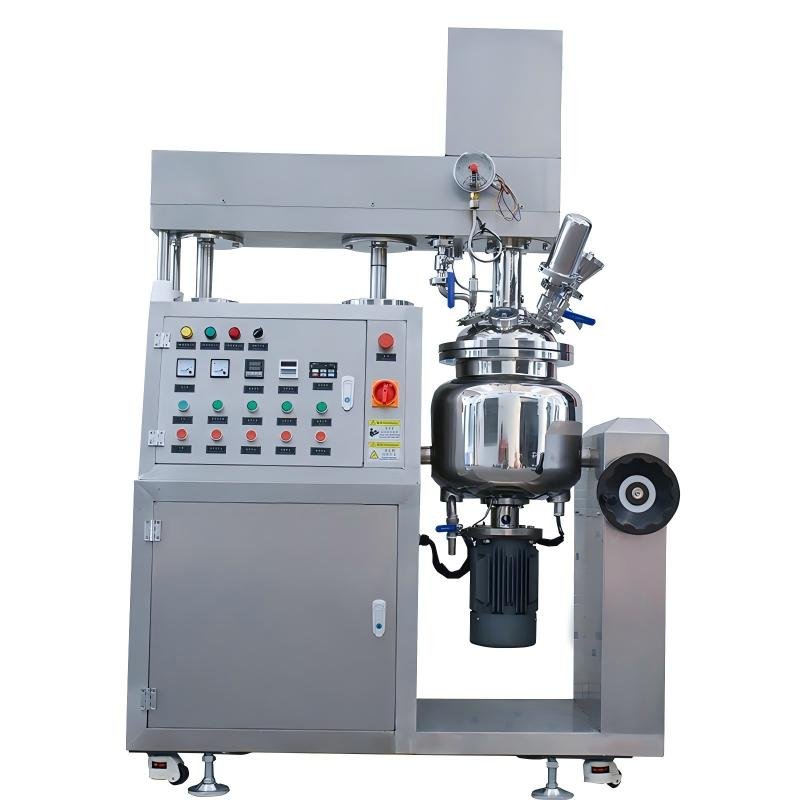
Food Safety and Hygiene Imperatives
Food safety regulations worldwide, including FDA guidelines in the US and EU 1935/2004, mandate materials that do not impart substances to food. Stainless steel 304 and 316 excel here, being inert and non-reactive. Unlike aluminum or carbon steel, they prevent metal migration into products, safeguarding consumer health.
Candy production’s high-moisture, sugar-rich environment fosters bacterial growth if surfaces harbor residues. The smooth, non-porous finish of these steels facilitates thorough cleaning and sterilization, aligning with HACCP protocols. Factories producing biscuits or gummies benefit immensely, as YTjellycandymachine’s lines minimize downtime for sanitation, boosting throughput.
Superior Corrosion Resistance
Sugars in candy can caramelize and become acidic, while gummy recipes often include citric acid. Stainless steel 304 resists pitting in mildly corrosive settings, while 316 withstands more aggressive conditions, extending equipment life. This resistance prevents rust formation, which could contaminate batches and lead to recalls.
Moreover, during steam cleaning or CIP (Clean-In-Place) processes, these materials endure without degrading. For biscuit factories adapting lines for hybrid confectionery, this durability translates to versatile machinery. YTjellycandymachine integrates these steels to offer robust solutions that outlast competitors.
Durability and Cost-Effectiveness Over Time
Beyond initial investment, stainless steel 304 and 316 provide exceptional mechanical strength, withstanding pressures in extruders and molding machines. Their fatigue resistance suits continuous operations in high-volume candy production. While upfront costs are higher, reduced maintenance and replacement needs yield substantial savings.
In practical terms, equipment life extends to 15-20 years with proper care, compared to 5-7 for lesser metals. This longevity appeals to candy gummy factories scaling up, as YTjellycandymachine’s production lines exemplify value through enduring performance.
Key Benefits of Stainless Steel 304 and 316
- Hygiene Compliance: Passivates naturally, forming a chromium oxide layer that self-heals and repels microbes.
- Temperature Tolerance: Handles -200°C to 800°C, ideal for cooking kettles and cooling tunnels in candy lines.
- Easy Fabrication: Weldable and machinable, allowing custom designs for gummy depositors or biscuit ovens.
- Aesthetic Appeal: Polished finishes enhance visual quality, vital for client inspections.
- Environmental Sustainability: Fully recyclable, supporting green manufacturing goals.
Comparative Analysis
To illustrate the superiority, consider the following table comparing common materials for food equipment:
| Material | Corrosion Resistance | Food Safety | Durability | Cost |
|---|---|---|---|---|
| Stainless Steel 304 | High | Excellent | High | Moderate |
| Stainless Steel 316 | Very High | Excellent | Very High | Higher |
| Carbon Steel | Low | Poor | Moderate | Low |
| Aluminum | Moderate | Moderate | Low | Low |
This table underscores why alternatives fail in candy environments, reinforcing the mandate for 304 or 316. YTjellycandymachine exclusively uses these grades, ensuring clients receive top-tier reliability.
Regulatory and Industry Standards
Global bodies like NSF International certify equipment only with approved materials. In China, where YTjellycandymachine operates, GB 4806.9-2016 specifies stainless steels for food contact. Biscuit factories exporting to Europe must comply with similar rules, making our equipment a seamless fit.
Transitioning to these standards prevents costly rejections. As demand for hygienic production rises post-pandemic, investing in compliant machinery from brands like YTjellycandymachine positions factories for success.
Conclusion
Stainless steel 304 and 316 are indispensable for candy equipment due to their unmatched hygiene, corrosion resistance, durability, and compliance. For biscuit or candy gummy factories, adopting these materials via YTjellycandymachine production lines guarantees safety, efficiency, and profitability. Embrace this standard to elevate your operations and meet market demands confidently.
Last Updated on April 11, 2026 by YTjellycandymachine