Table of Contents
Introduction
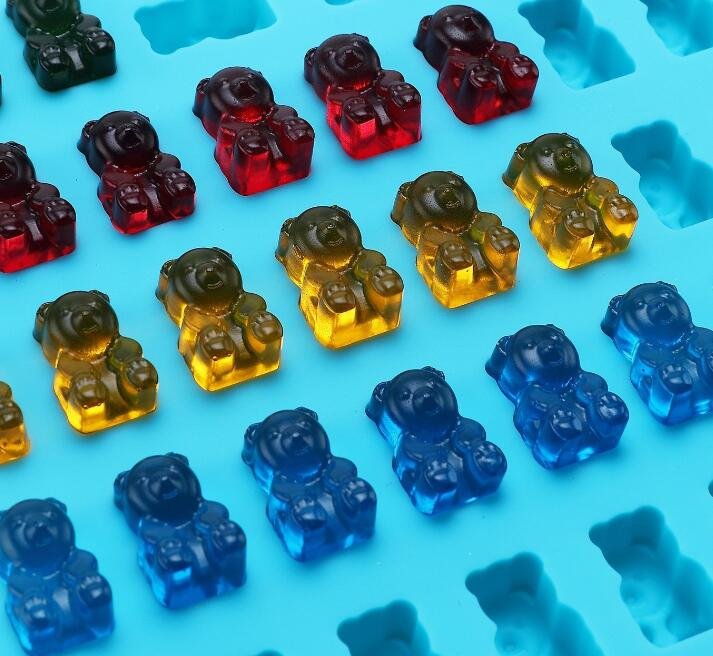
In the competitive world of confectionery manufacturing, particularly for candy gummy and biscuit factories seeking efficient production upgrades, semi-automatic jelly lines represent a balanced solution between manual labor and full automation. These systems streamline the production of jelly candies, including gummies, by automating key stages while allowing human oversight for precision tasks. As factories expand, understanding the pros and cons of semi-automatic jelly lines becomes essential for informed decision-making. This article delves into their advantages and drawbacks, highlighting how brands like YTjellycandymachine provide reliable options tailored for such operations.
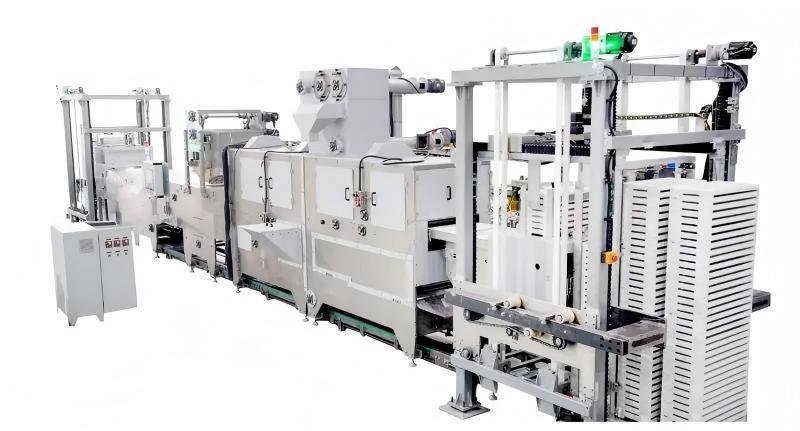
Understanding Semi Automatic Jelly Lines
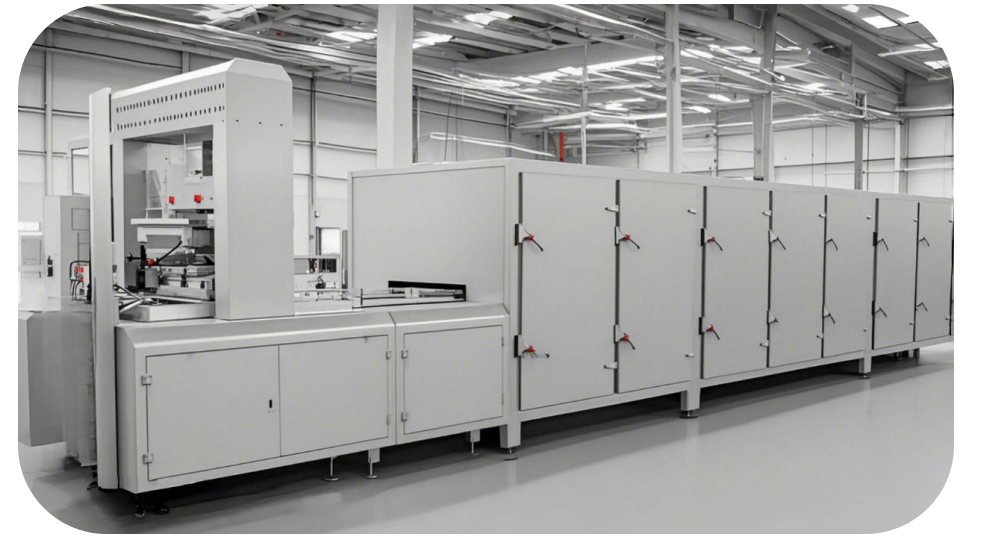
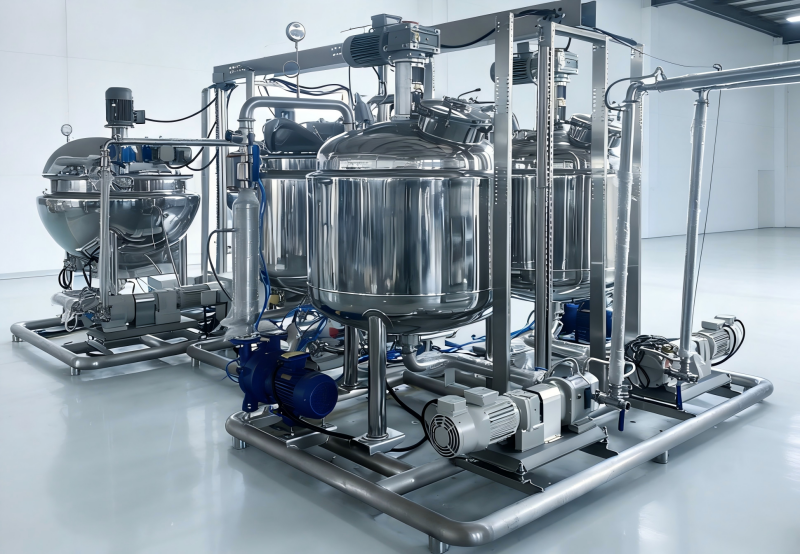
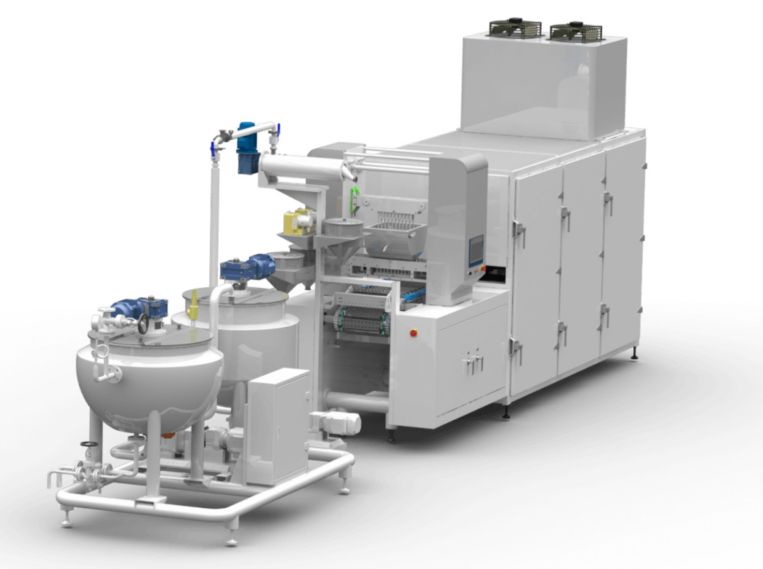
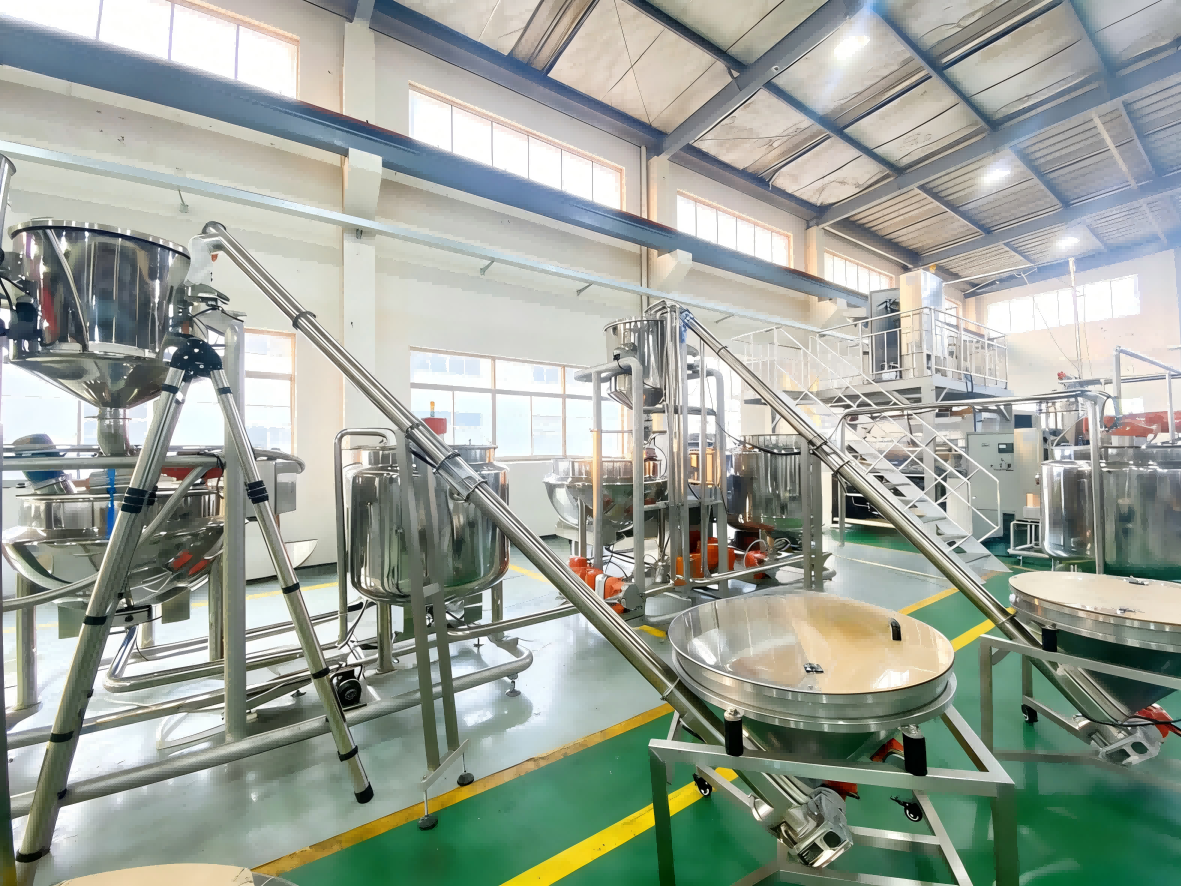
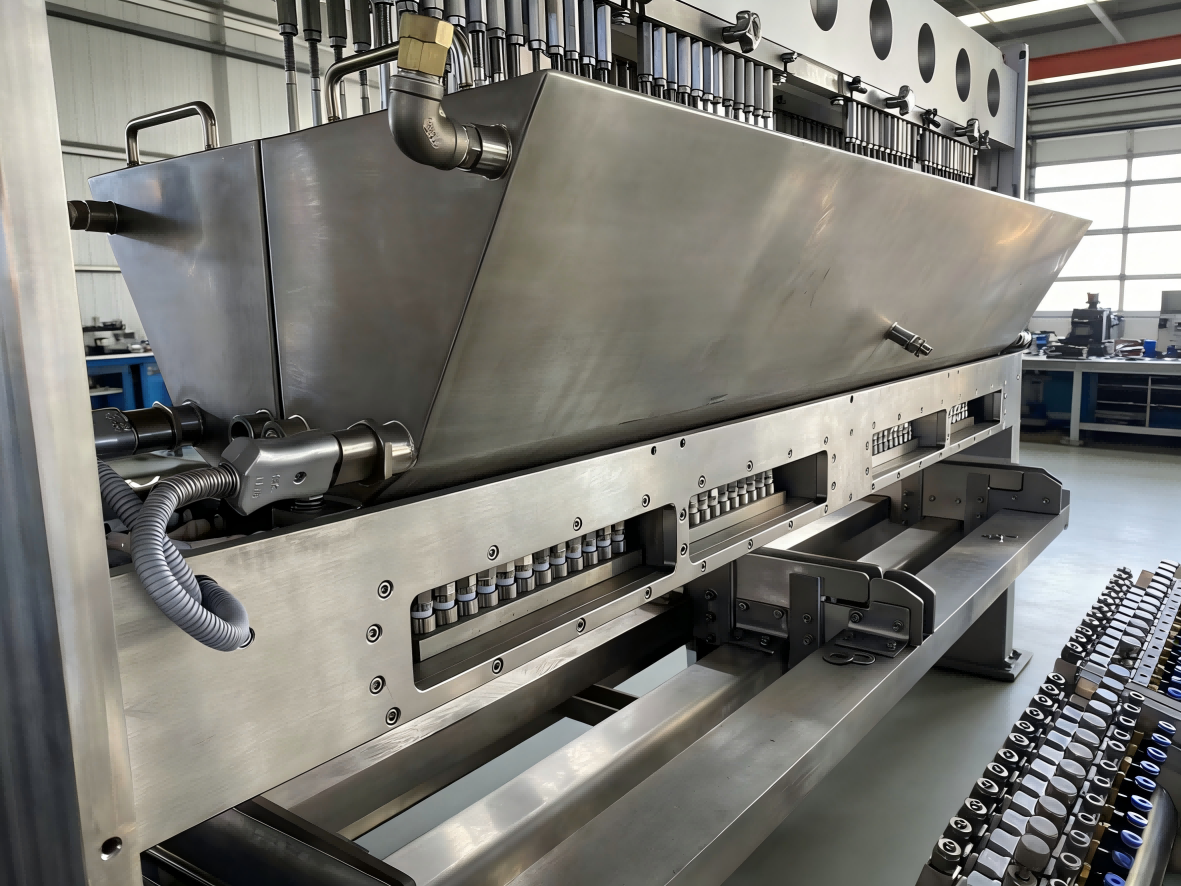
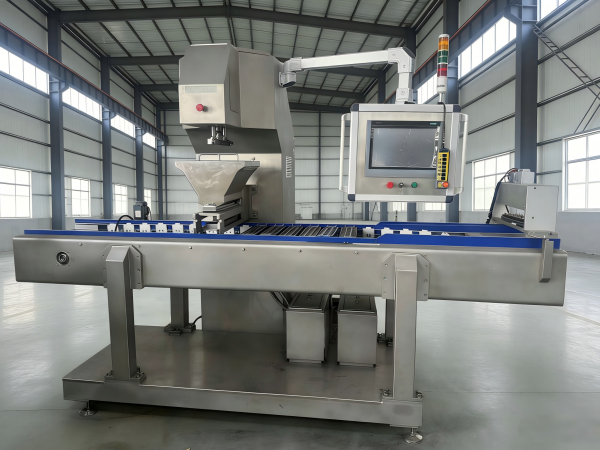
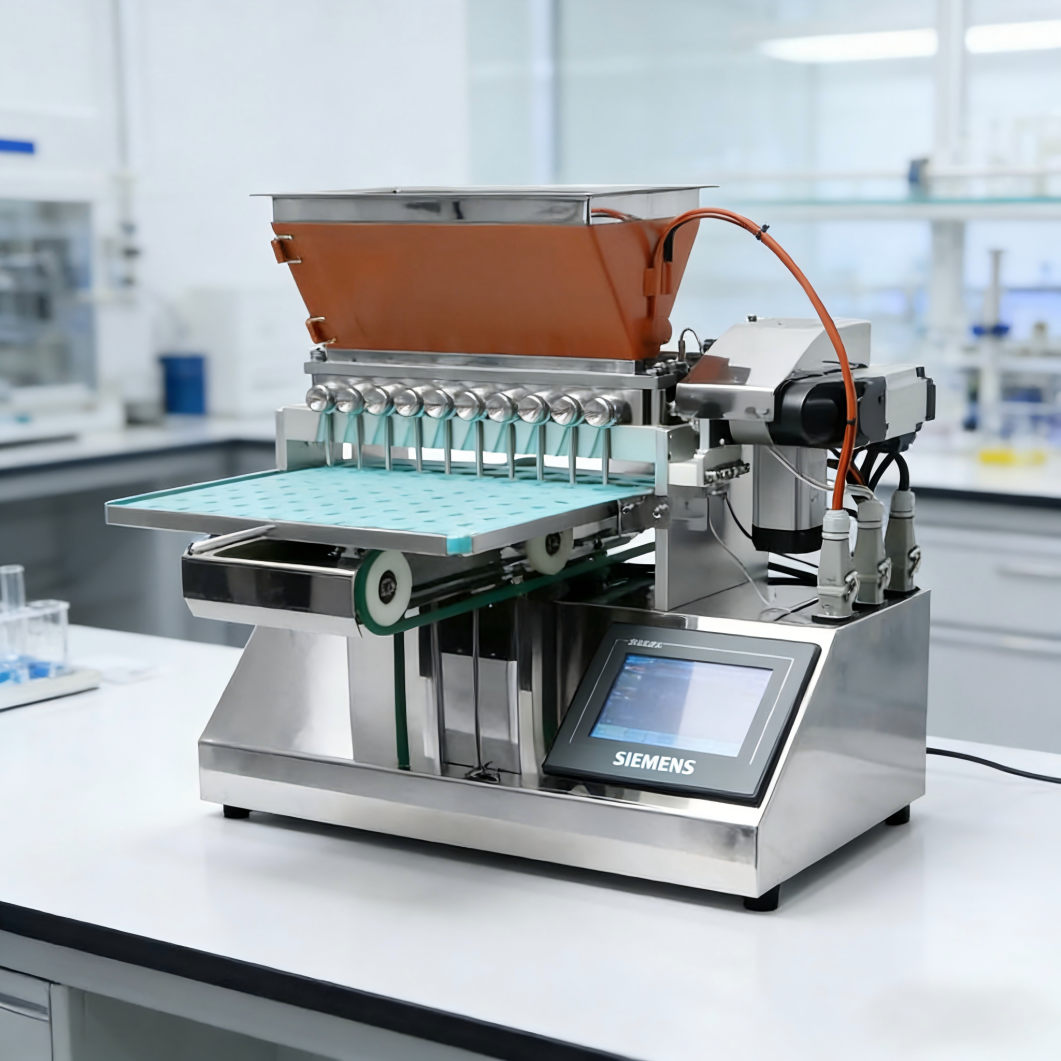
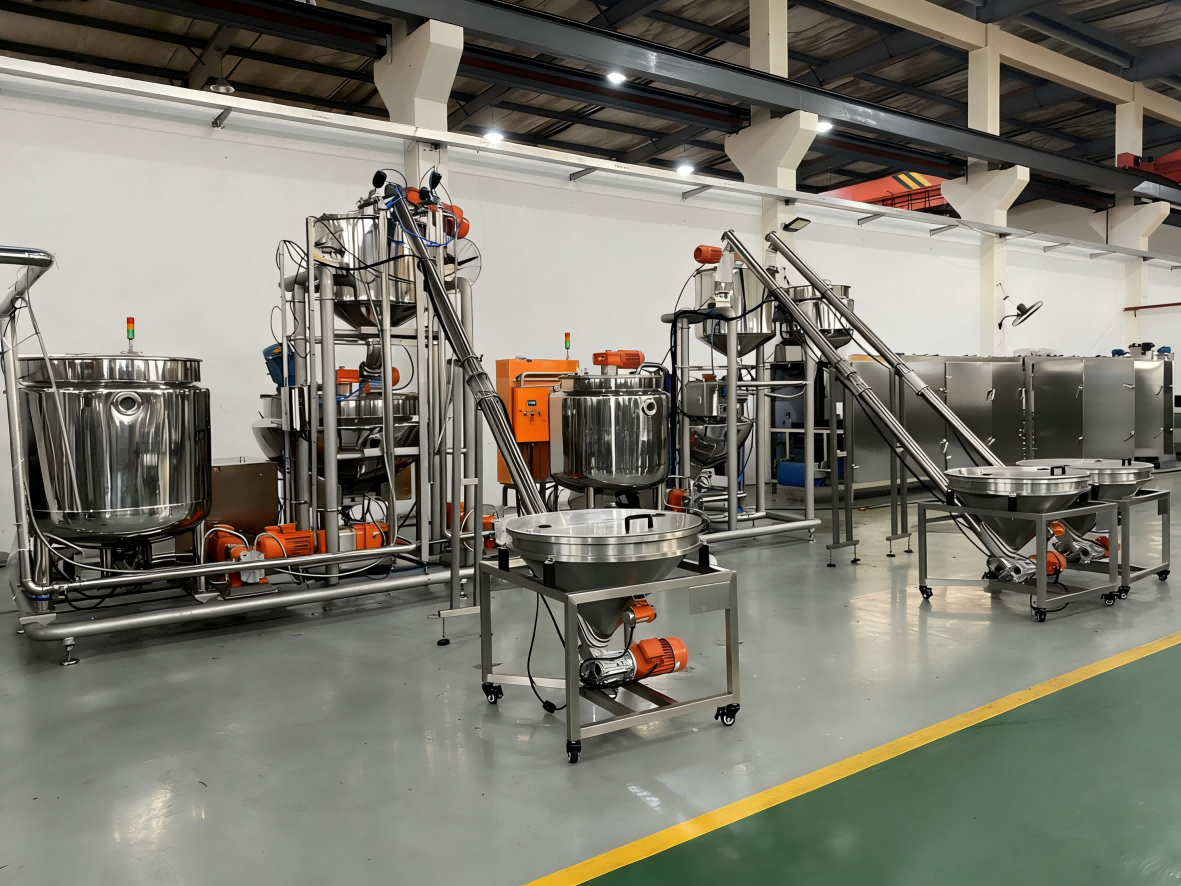
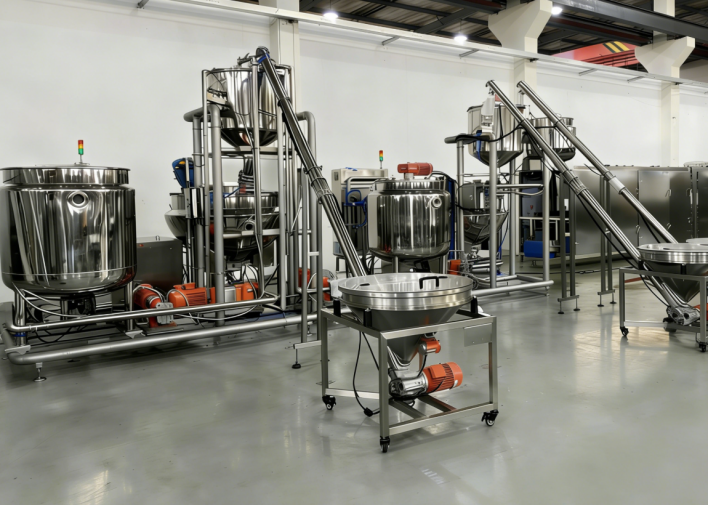
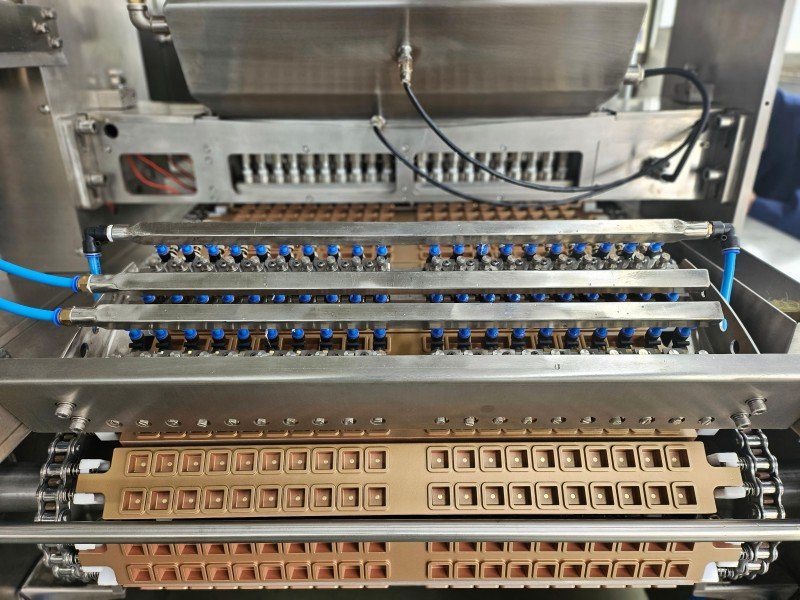
Semi-automatic jelly lines integrate machinery for mixing, cooking, molding, cooling, and packaging jelly products, with operators handling loading, adjustments, and quality checks. Unlike fully manual setups common in smaller biscuit or gummy factories, these lines boost output without the complexity of total automation. Transitioning to a semi-automatic setup from traditional methods offers scalability. For instance, YTjellycandymachine’s semi-automatic jelly lines are engineered with robust stainless steel components, ensuring compliance with food safety standards like HACCP and FDA equivalents, making them ideal for international candy producers.
These lines typically process 100-500 kg per hour, depending on model size, bridging the gap for mid-sized factories. Operators benefit from intuitive controls, reducing training time compared to fully automatic systems. As we explore the pros and cons, factories considering YTjellycandymachine can weigh these factors against their production goals.
Pros of Semi Automatic Jelly Lines
Semi-automatic jelly lines offer several compelling advantages that appeal to biscuit and gummy candy factories looking to enhance efficiency without massive capital outlay. Key benefits include cost savings, flexibility, and ease of maintenance, positioning them as a strategic investment.
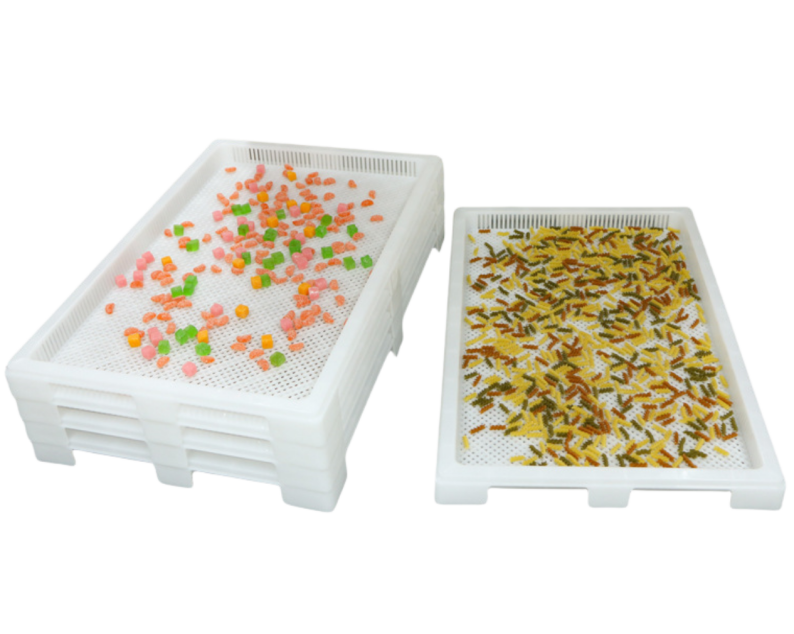
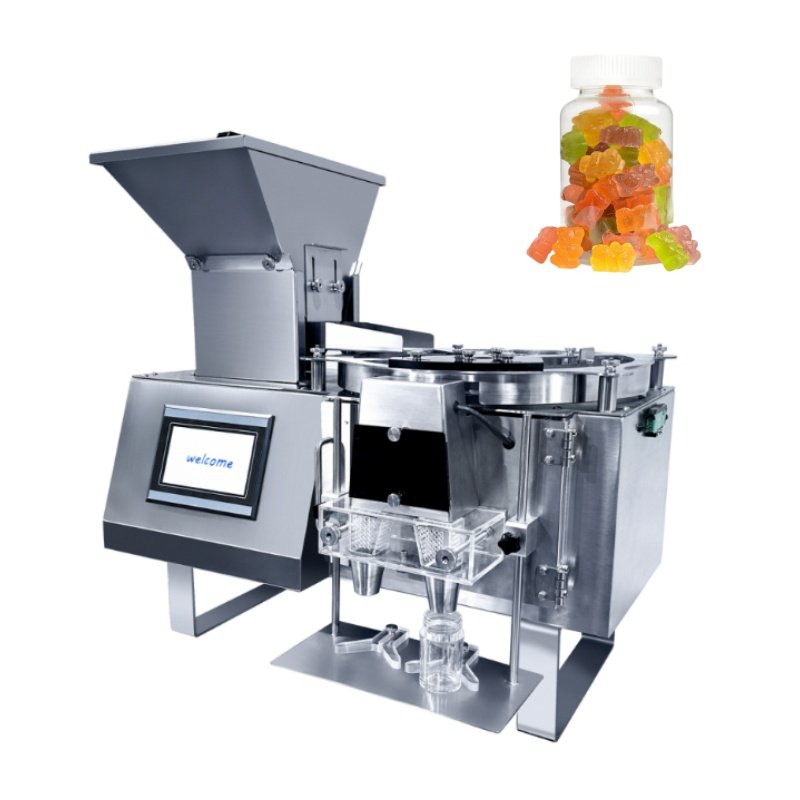
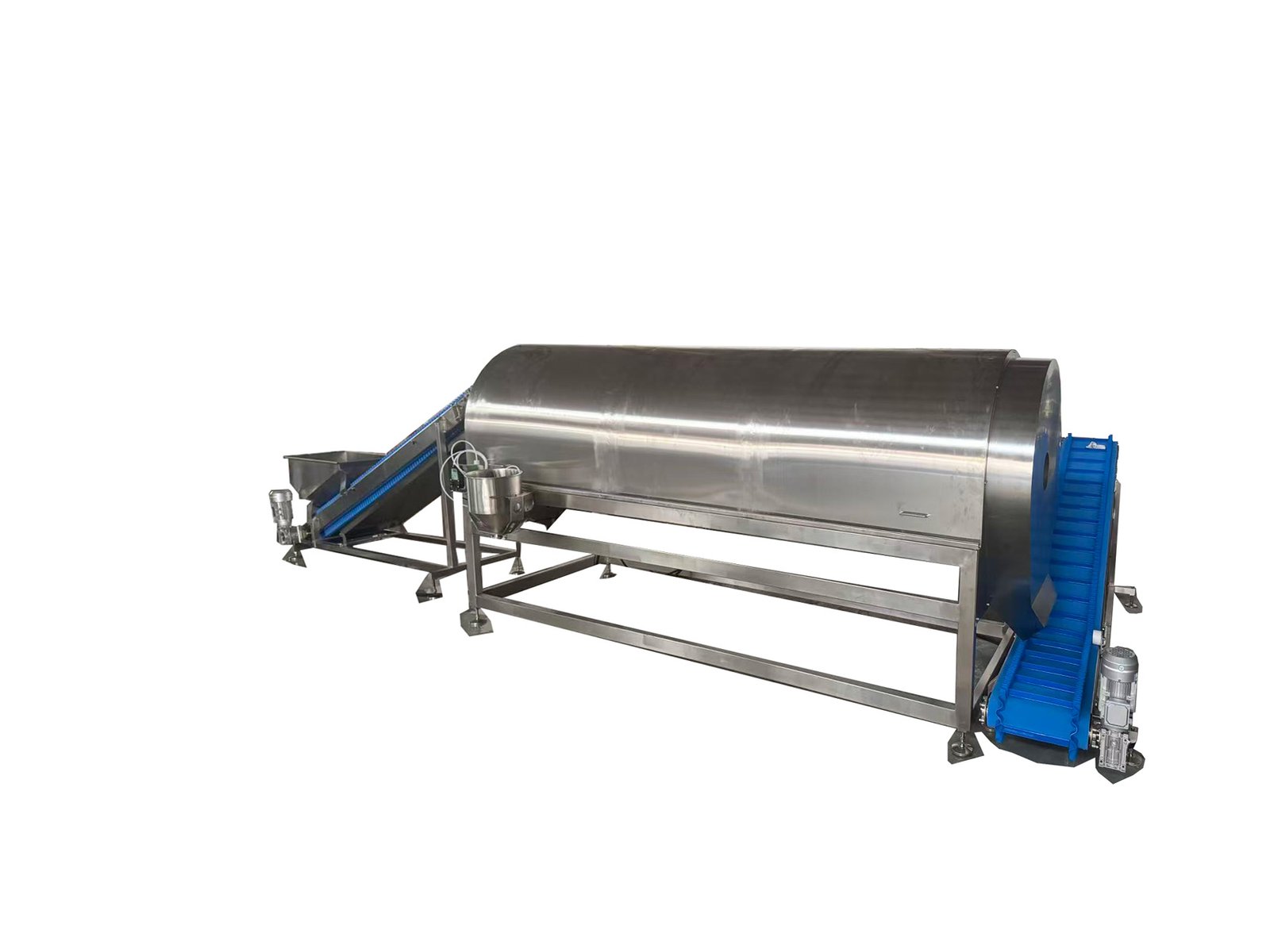
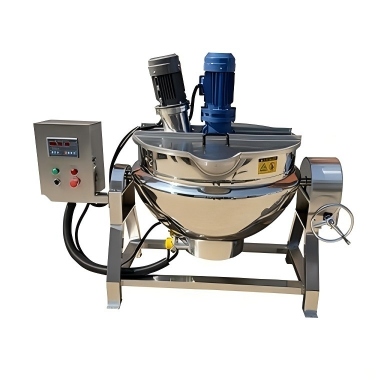
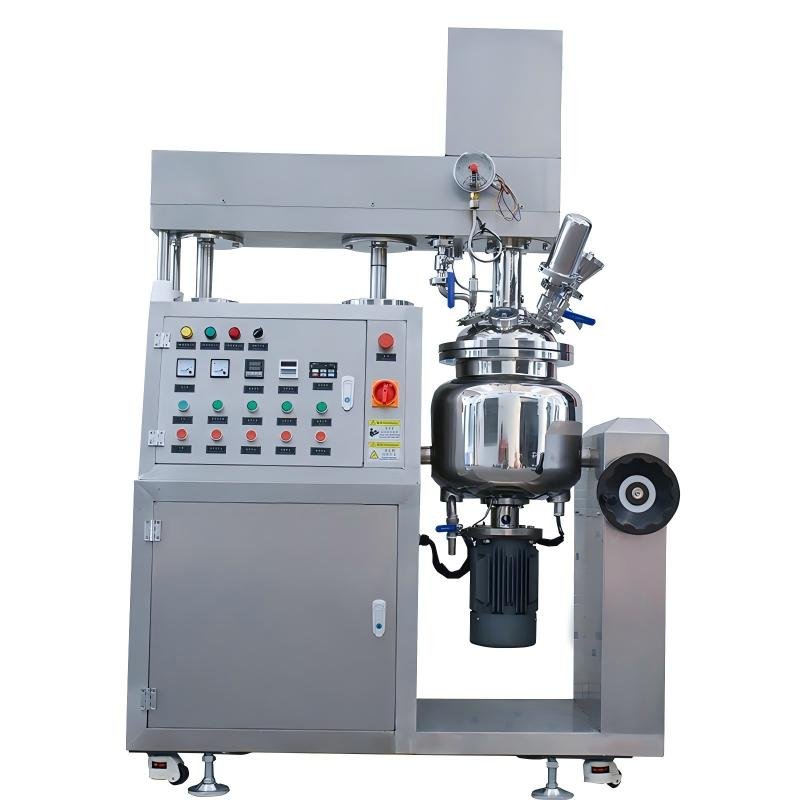
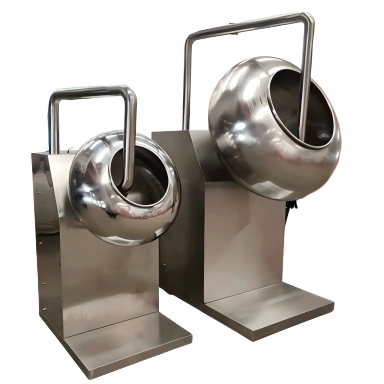
- Cost Effectiveness: Initial investment is lower than fully automatic lines, often 40-60% less, allowing small to medium factories to upgrade affordably. YTjellycandymachine models start at competitive prices with financing options.
- Flexibility in Production: Easy recipe changes and batch sizes suit diverse jelly products, from fruit gummies to vitamin-infused candies, unlike rigid full-auto systems.
- Reduced Labor Dependency: Automates repetitive tasks like depositing and demolding, cutting labor costs by up to 50% while maintaining skilled oversight for quality.
- Space Efficiency: Compact footprints fit existing factory layouts, ideal for biscuit producers adding gummy lines without major renovations.
- Improved Product Consistency: Precise temperature controls ensure uniform texture and shape, minimizing defects common in manual processes.
- Quick ROI: Higher throughput leads to payback in 12-18 months through increased output and waste reduction.
These pros make semi-automatic lines from YTjellycandymachine a go-to for factories scaling gummy production seamlessly.
Cons of Semi Automatic Jelly Lines
While advantageous, semi-automatic jelly lines have limitations that factories must consider, particularly in high-volume scenarios. The following table outlines key drawbacks alongside mitigation strategies, providing a clear comparison to help biscuit and candy gummy producers evaluate suitability.
| Drawback | Description | Impact Level | Mitigation |
|---|---|---|---|
| Operator Dependency | Requires skilled personnel for monitoring and adjustments, risking downtime if untrained. | Medium | YTjellycandymachine includes comprehensive training and PLC interfaces for ease. |
| Limited Throughput | Processes 100-500 kg/hour, slower than full-auto lines exceeding 1000 kg/hour. | High for large ops | Modular upgrades available from YTjellycandymachine for hybrid scaling. |
| Higher Maintenance Needs | Manual interventions increase wear on components like pumps and molds. | Low-Medium | Robust designs with easy-access parts reduce service time. |
| Less Automation Efficiency | Human error potential in feeding or packing stages affects yields by 5-10%. | Medium | Sensor integrations in modern models minimize this. |
| Footprint Limitations | Larger than manual benches but smaller than full lines; may constrain very tight spaces. | Low | Custom configurations offered by manufacturers. |
Addressing these cons through quality equipment selection, such as YTjellycandymachine’s durable builds, can significantly enhance performance. Transitional investments like these prepare factories for future full automation.
Comparing to Alternatives
To contextualize, semi-automatic jelly lines outperform fully manual setups in speed and consistency but lag behind fully automatic ones in volume. For biscuit factories diversifying into gummies, they offer a low-risk entry. Data from industry reports shows 30% yield improvements over manual lines. YTjellycandymachine stands out with customizable features, including energy-efficient cookers and multi-mold compatibility, catering to varied client needs.
Furthermore, integration with existing packaging lines is straightforward, ensuring smooth workflows. As markets demand innovative textures like layered or filled jellies, these lines’ adaptability shines, supported by ongoing technical support from providers.
Conclusion
Semi-automatic jelly lines strike an optimal balance for candy gummy and biscuit factories aiming for growth without overcommitment. Their pros—cost savings, flexibility, and efficiency—often outweigh cons like operator needs and throughput caps, especially with premium options from YTjellycandymachine. By choosing such reliable systems, manufacturers can boost productivity, ensure quality, and meet rising demands. Investing in a YTjellycandymachine semi-automatic jelly line positions your factory for sustained success in the dynamic confectionery sector.
Last Updated on May 31, 2026 by YTjellycandymachine