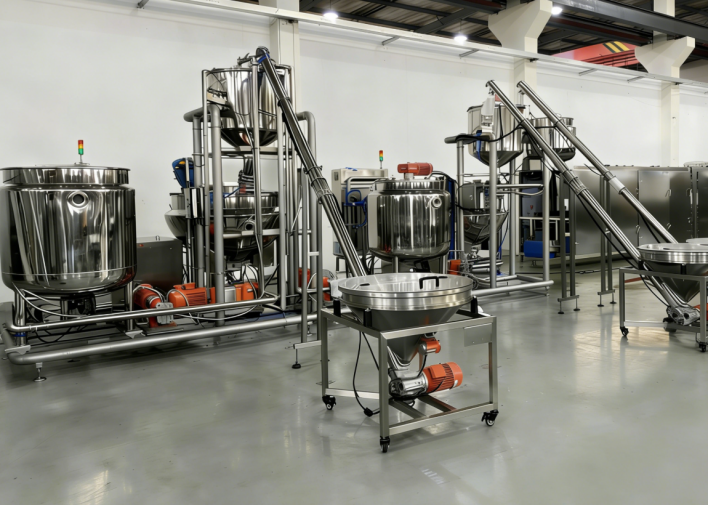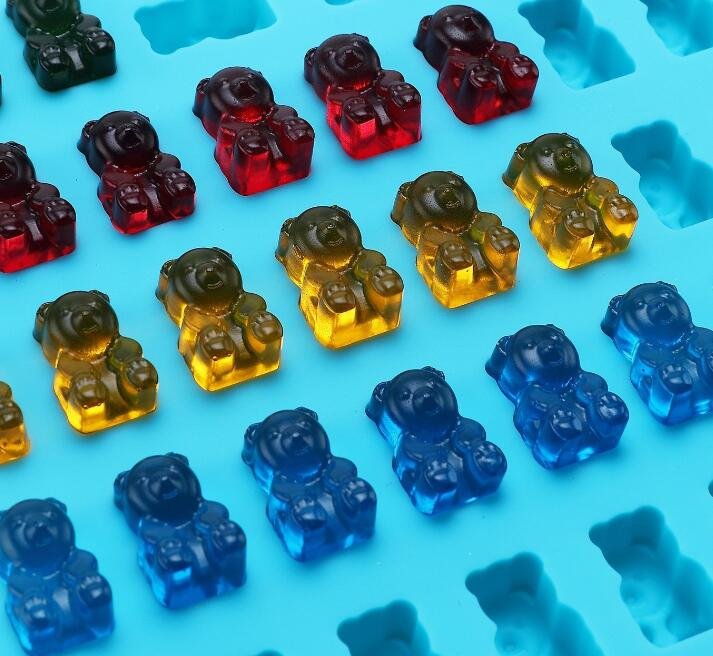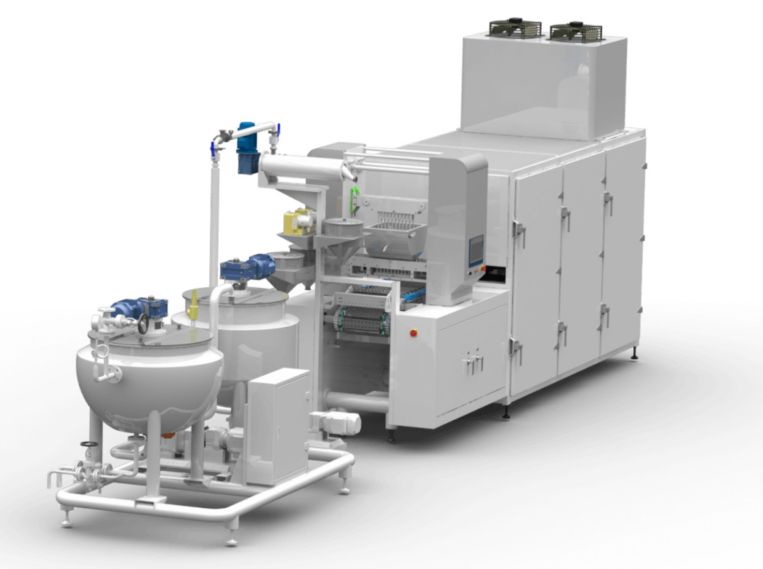
In the fast-paced world of candy and gummy production, a reliable candy depositor is the heartbeat of any efficient manufacturing line. These machines precisely deposit viscous candy mass into molds, ensuring uniform shapes and consistent quality for products like jellies, gummies, and hard candies. However, one frustrating issue that plagues many manufacturers is leaking from the depositor. This problem can lead to product waste, contamination risks, hygiene concerns, and costly downtime. As a leading food production line factory from China, YTjellycandymachine understands these challenges intimately, having equipped countless biscuit and candy gummy factories worldwide with robust solutions. In this article, we’ll explore why your candy depositor might be leaking and provide practical, common fixes to get your production back on track.
Leaking manifests as drips from nozzles, puddles under the machine, or uneven deposits that spoil batches. Addressing it promptly is crucial not just for efficiency but also for maintaining food safety standards. By pinpointing causes and applying targeted fixes, manufacturers can minimize disruptions. Transitioning to high-quality equipment from brands like YTjellycandymachine can prevent recurrence, but first, let’s diagnose the issue step by step.
Table of Contents
Understanding Candy Depositor Components
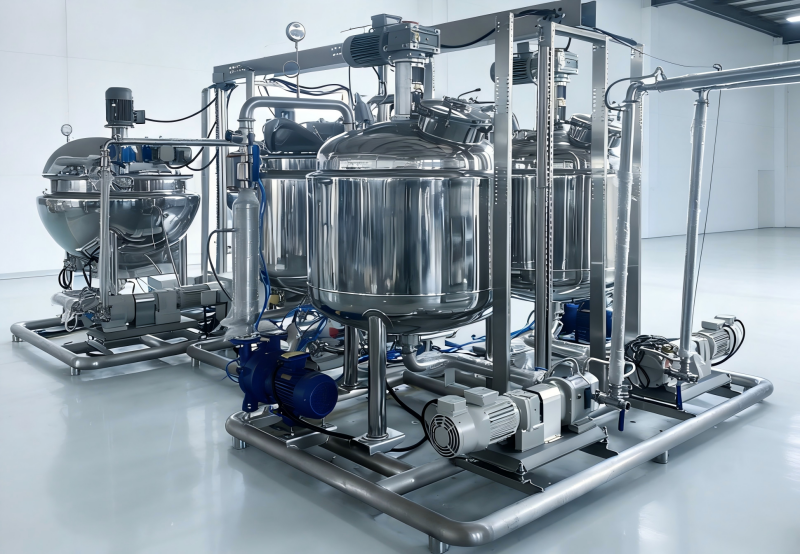
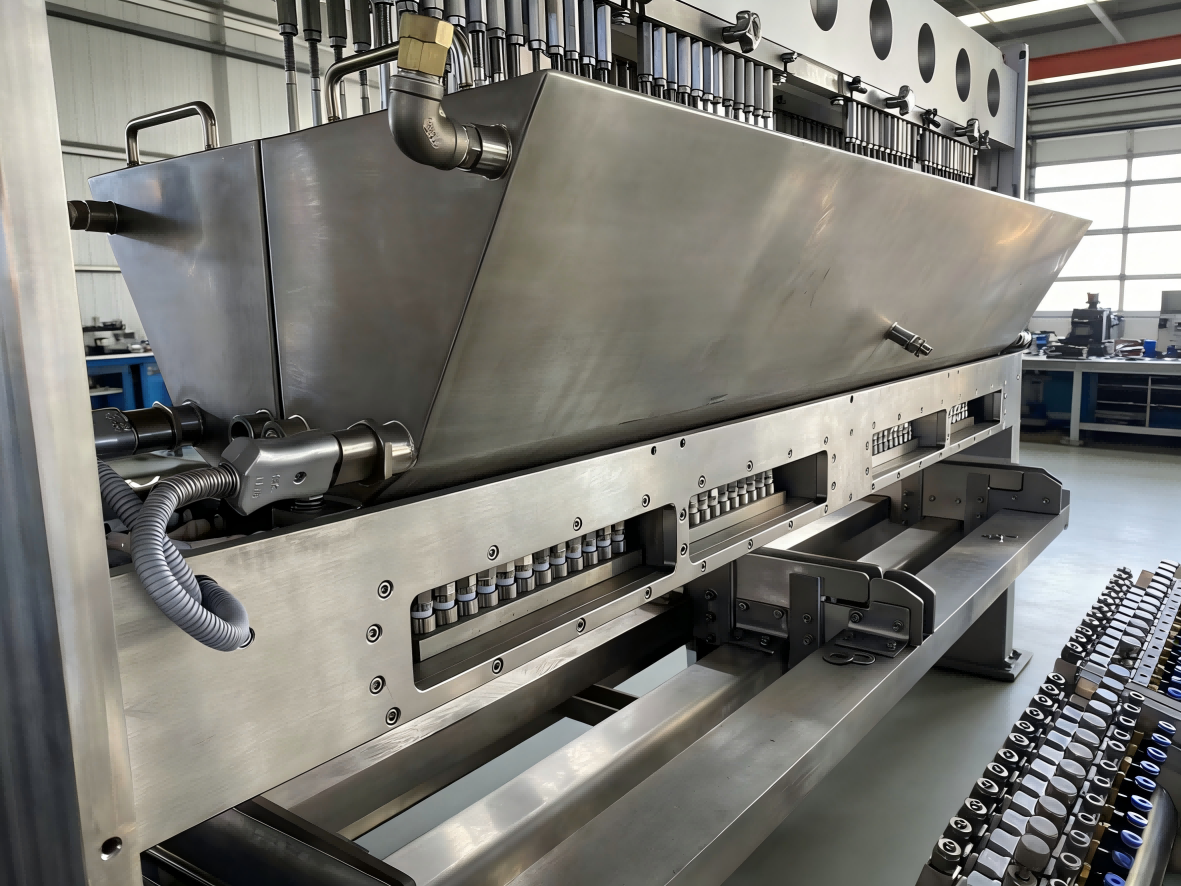
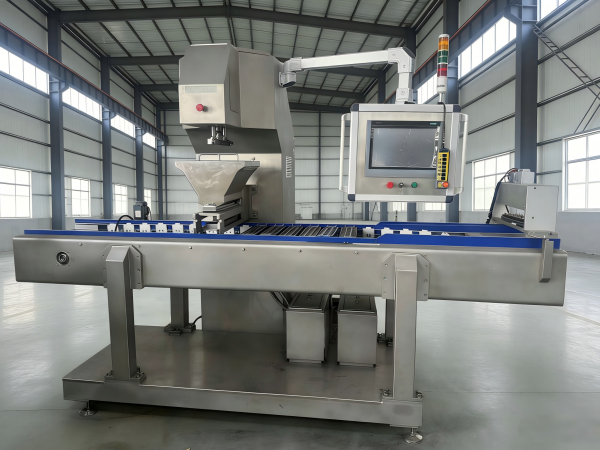
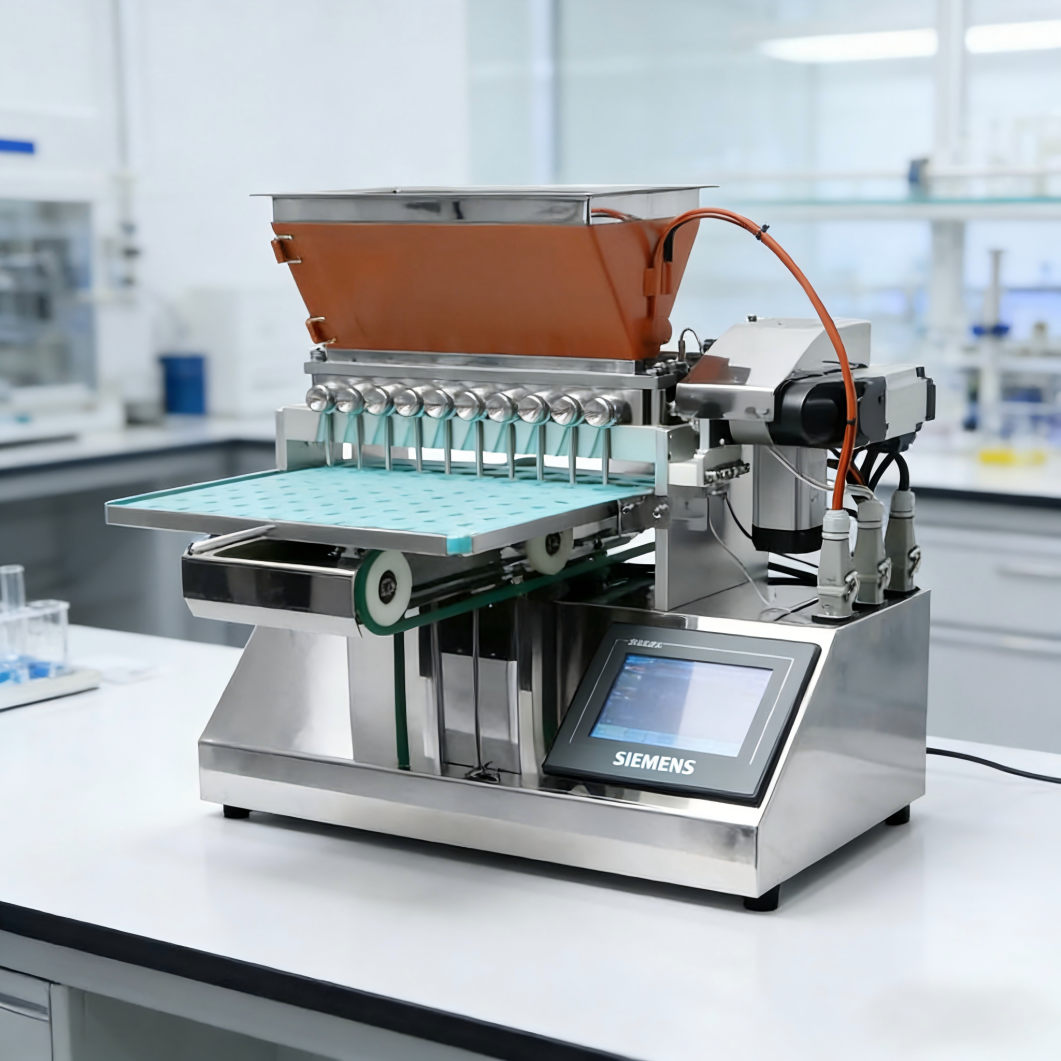
Candy depositors typically consist of a hopper for holding the candy mass, a pump system (piston, gear, or screw type), nozzles or manifolds for deposition, valves for flow control, and sealing mechanisms at joints. In gummy production lines, these machines handle high-temperature, sticky masses prone to thermal expansion. Biscuit factories using similar depositors for fillings face analogous issues with cream or jam. Leaks often occur at high-wear points like O-rings, gaskets, or pump seals, exacerbated by pressure fluctuations or material inconsistencies. Grasping this anatomy helps in troubleshooting effectively.
Moreover, modern depositors integrate PLC controls for precise dosing, but mechanical vulnerabilities persist in older models. YTjellycandymachine’s production lines feature enhanced sealing technologies, reducing leak risks by up to 40% compared to standard units.
Common Causes of Leaking
Several factors contribute to leaks, ranging from wear and tear to operational errors. Identifying the root cause prevents temporary patches from failing. Below is a bulleted list of the most frequent culprits observed in candy and gummy manufacturing environments:
- Worn or damaged seals and O-rings: Exposure to hot, sugary syrups degrades rubber components over time, causing gaps.
- Improper nozzle alignment: Misaligned or loose nozzles fail to seal properly during deposition cycles.
- Pump pressure inconsistencies: Faulty pumps create backpressure, forcing mass through weak points.
- Viscosity mismatches: Candy mass too thin or thick overwhelms standard seals not designed for variable recipes.
- Clogged valves: Sugar crystallization blocks valves, leading to irregular flow and leaks.
- Temperature fluctuations: Rapid heating/cooling expands contracts seals unevenly.
- Adequate cleaning lapses: Residue buildup erodes components and promotes bacterial growth, indirectly causing failures.
These issues are prevalent across production lines, but proactive checks can mitigate them. Next, we’ll delve into diagnostic methods before outlining fixes.
Diagnosing the Leak Source
Begin by powering down the machine and inspecting visually for wet spots. Run a dry test with water to trace drips without risking candy mass contamination. Pressure-test nozzles individually using a gauge. For gummy lines, check hopper outlets where high viscosity amplifies leaks. Tools like borescopes reveal internal damage. Document patterns—e.g., leaks only at high speed suggest pressure problems. This methodical approach saves time and avoids guesswork.
Transitioning smoothly to solutions, many fixes are DIY for skilled technicians, but persistent issues warrant professional service. YTjellycandymachine offers remote diagnostics for our clients, ensuring minimal downtime.
Common Fixes at a Glance
Once diagnosed, apply these targeted repairs. The following table summarizes key issues, fixes, and preventive notes, tailored for candy gummy and biscuit factories. This serves as a quick reference during maintenance shifts.
| Issue | Solution | Tools/Materials | Time Estimate | Prevention Tip |
|---|---|---|---|---|
| Worn O-rings/seals | Replace with food-grade silicone or Viton equivalents; lubricate lightly with glycerin-based compound. | O-ring kit, lubricant, torque wrench | 30-45 min | Inspect quarterly; use YTjellycandymachine OEM parts. |
| Nozzle misalignment | Realign using manufacturer specs; tighten fittings to 10-15 Nm torque. | Allen keys, level gauge | 15-20 min | Calibrate post-cleaning. |
| Pump pressure issues | Adjust pressure regulator; rebuild pump if worn (replace pistons/gears). | Pressure gauge, rebuild kit | 1-2 hours | Monitor PSI logs daily. |
| Viscosity mismatch | Standardize recipes; upgrade to variable-speed pumps for flexibility. | Viscosity meter | Immediate | Test batches pre-run. |
| Clogged valves | Disassemble, soak in hot water/enzyme cleaner; reinstall with fresh grease. | Cleaning agents, brushes | 20-30 min | Flush after each batch. |
| Temperature issues | Insulate lines; stabilize heater settings at 80-90°C for gummies. | Insulation tape, thermometer | 45 min | Use automated temp controls. |
Implementing these resolves 90% of leaks without full machine replacement. Always follow lockout/tagout procedures for safety.
Advanced Preventive Strategies
Beyond fixes, integrate routine maintenance schedules: daily visual checks, weekly seal inspections, and monthly full teardowns. Train operators on proper startup sequences to avoid dry runs that damage seals. For biscuit factories adapting depositors for fillings, consider hybrid models handling diverse viscosities.
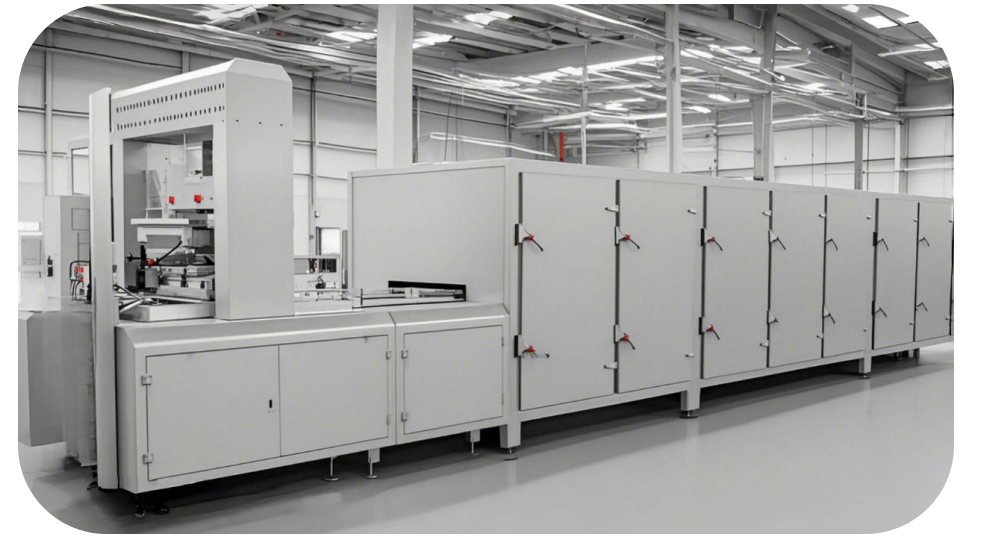
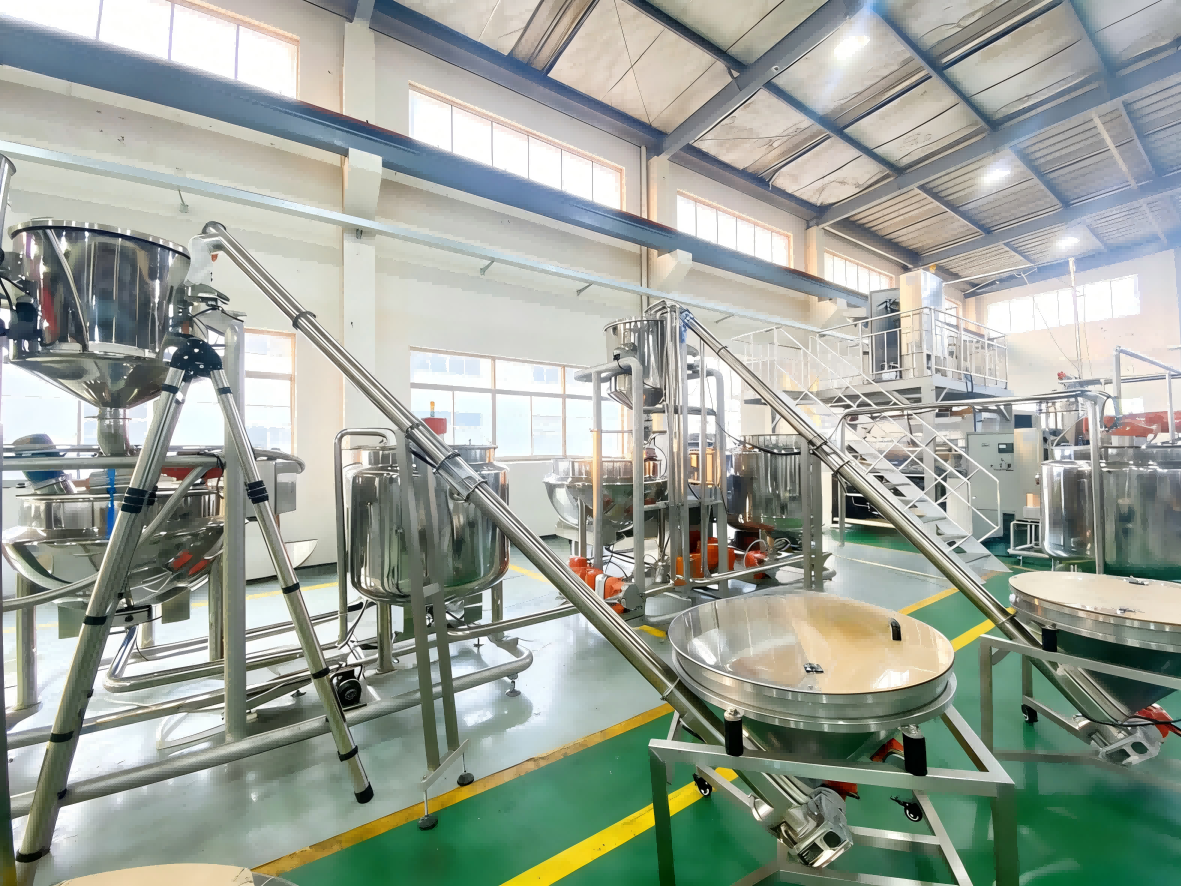
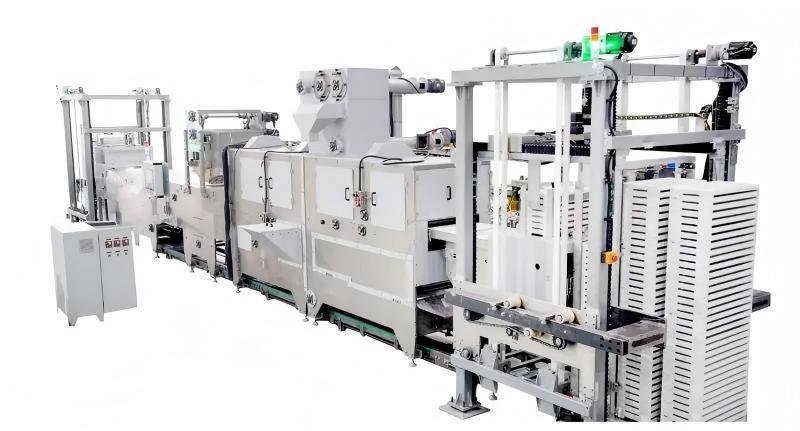
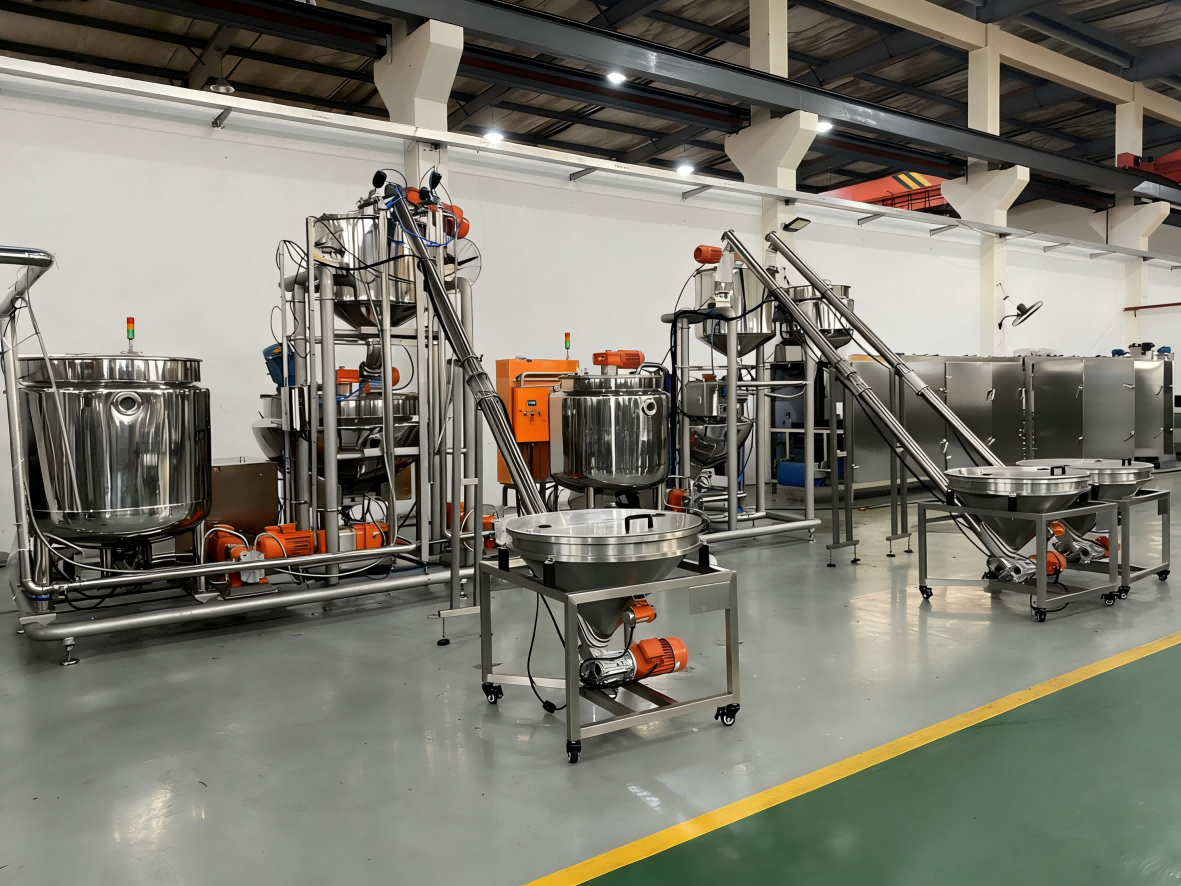
Investing in superior engineering pays dividends. YTjellycandymachine’s candy depositors boast stainless steel construction, self-cleaning nozzles, and leak-proof manifolds, proven in high-volume gummy lines. Our complete production lines integrate depositors seamlessly with cooling tunnels and demolding stations, slashing leak incidents by design.
Upgrading Your Production Line
If leaks persist despite fixes, it may signal an outdated depositor unfit for modern demands. Transition to state-of-the-art systems where reliability is paramount. YTjellycandymachine excels here, offering customizable lines for candy, gummy, and even biscuit production, complete with after-sales support from our China headquarters.
In conclusion, leaking candy depositors disrupt efficiency but are fixable with systematic diagnosis and repairs. By addressing common causes through targeted solutions outlined here, manufacturers regain productivity swiftly. For long-term peace of mind, partner with YTjellycandymachine—your trusted source for leak-resistant production lines that elevate output quality and reduce maintenance hassles. Contact us to transform your factory today.
Last Updated on May 20, 2026 by YTjellycandymachine