Table of Contents
How to manufacture hard-boiled candy and jelly on the same line
In today’s competitive confectionery industry, flexibility is key for factories producing biscuits, candies, or gummies. Manufacturers often seek equipment that maximizes output without requiring separate lines for different products. This is where a versatile production line shines, allowing seamless switching between hard-boiled candy and jelly production. YTjellycandymachine, a leading food production line factory from China, specializes in such multi-functional systems designed for candy gummy factories and beyond.
Hard-boiled candy involves cooking sugar syrup to high temperatures for a glassy texture, while jelly requires lower-heat gelling agents for chewiness. Integrating both on one line reduces costs, space, and downtime. By adopting YTjellycandymachine’s innovative setups, factories can achieve this efficiently, appealing especially to biscuit producers diversifying into sweets.
Understanding the Core Processes
Hard-boiled candy production starts with dissolving sugar, glucose, and water, then boiling to 150-160°C to reach the hard crack stage. The hot mass is cooled, aerated if needed, and formed into shapes. Jelly, conversely, mixes gelatin or pectin with sugar syrup at 80-100°C, deposits into molds, and cools to set.
Transitional challenges include temperature control, viscosity management, and mold compatibility. Modern lines address these through modular components, ensuring smooth switches. YTjellycandymachine’s machines feature automated controls for rapid reconfiguration, minimizing recipe changeover times to under 30 minutes.
Essential Equipment for Dual Production
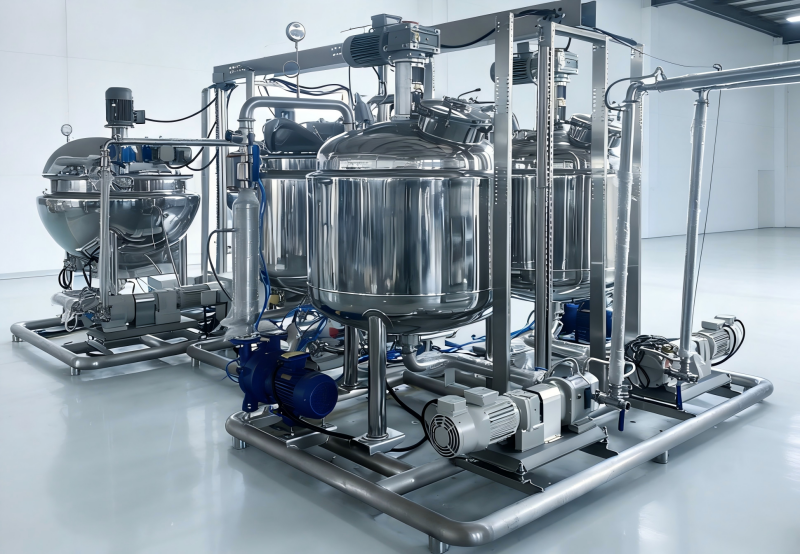
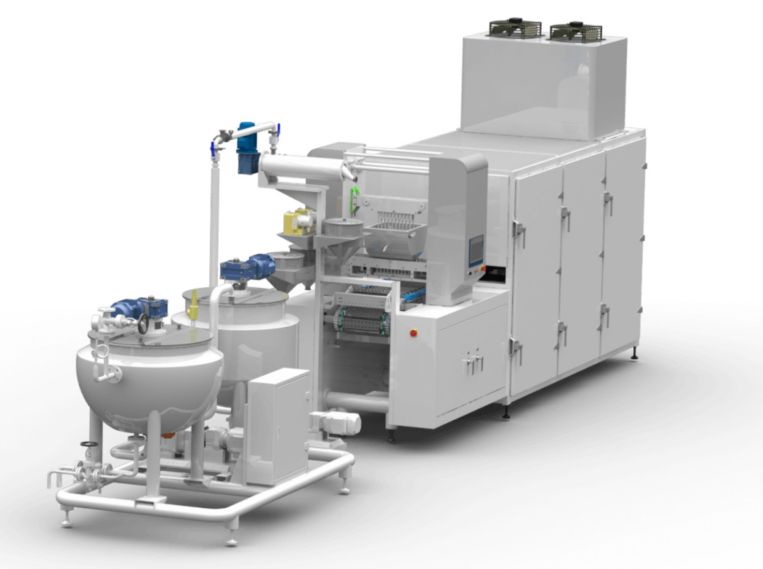
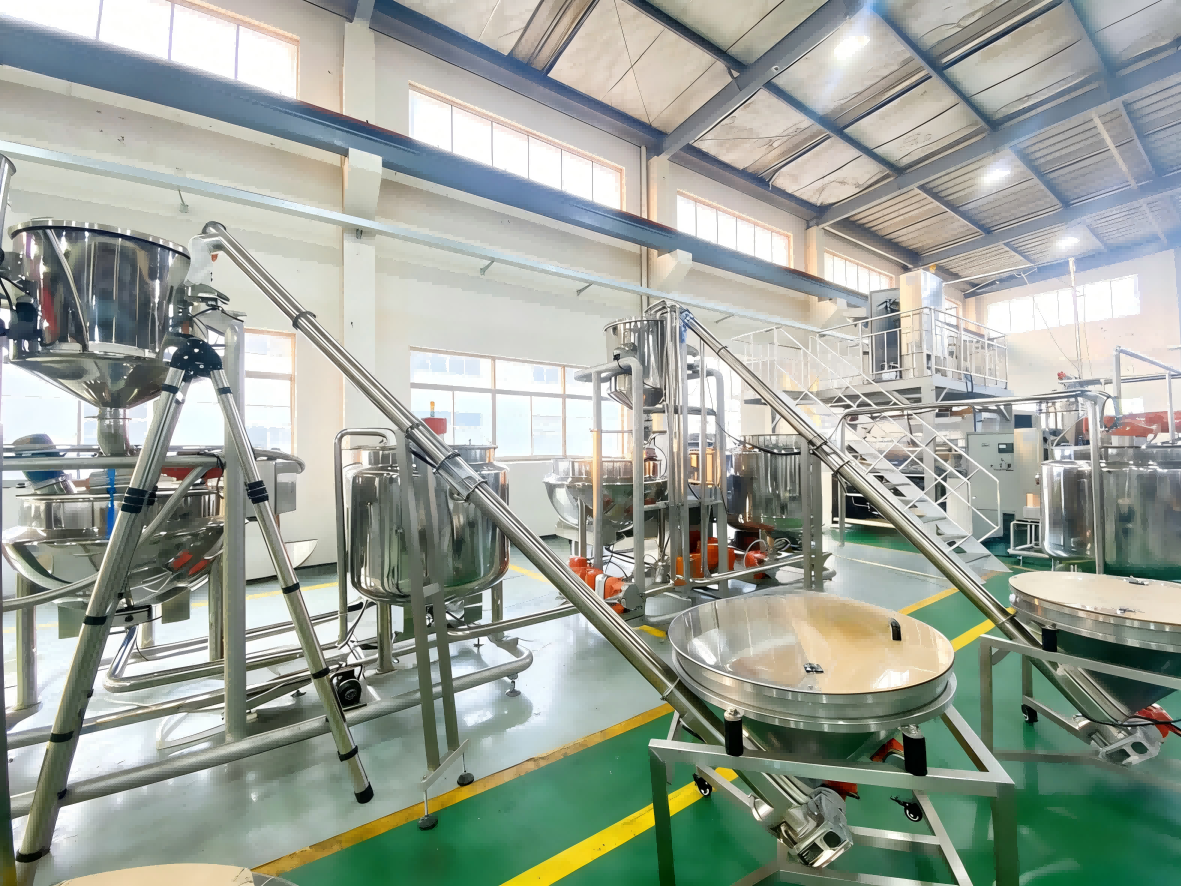
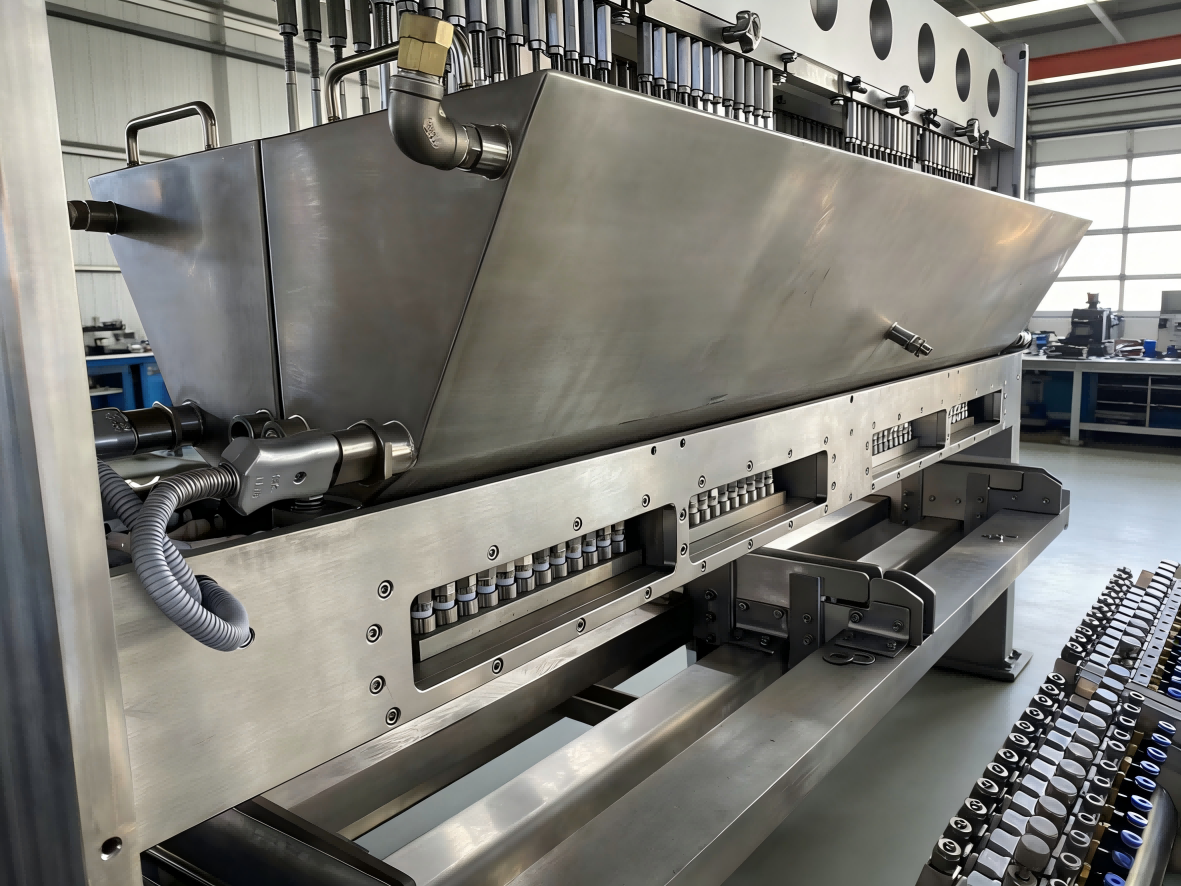
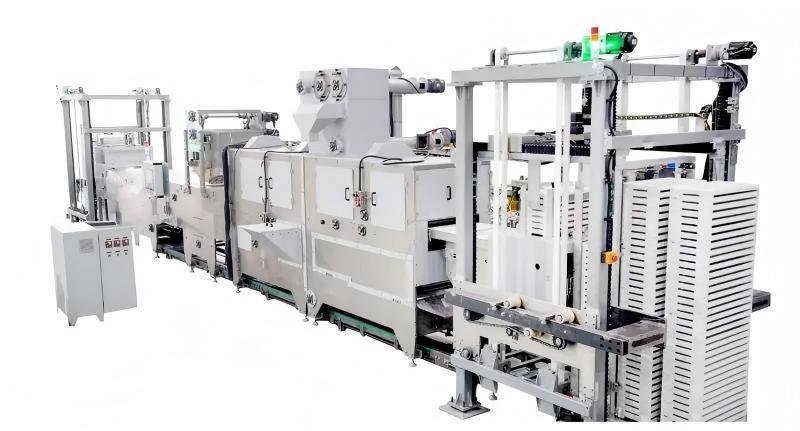
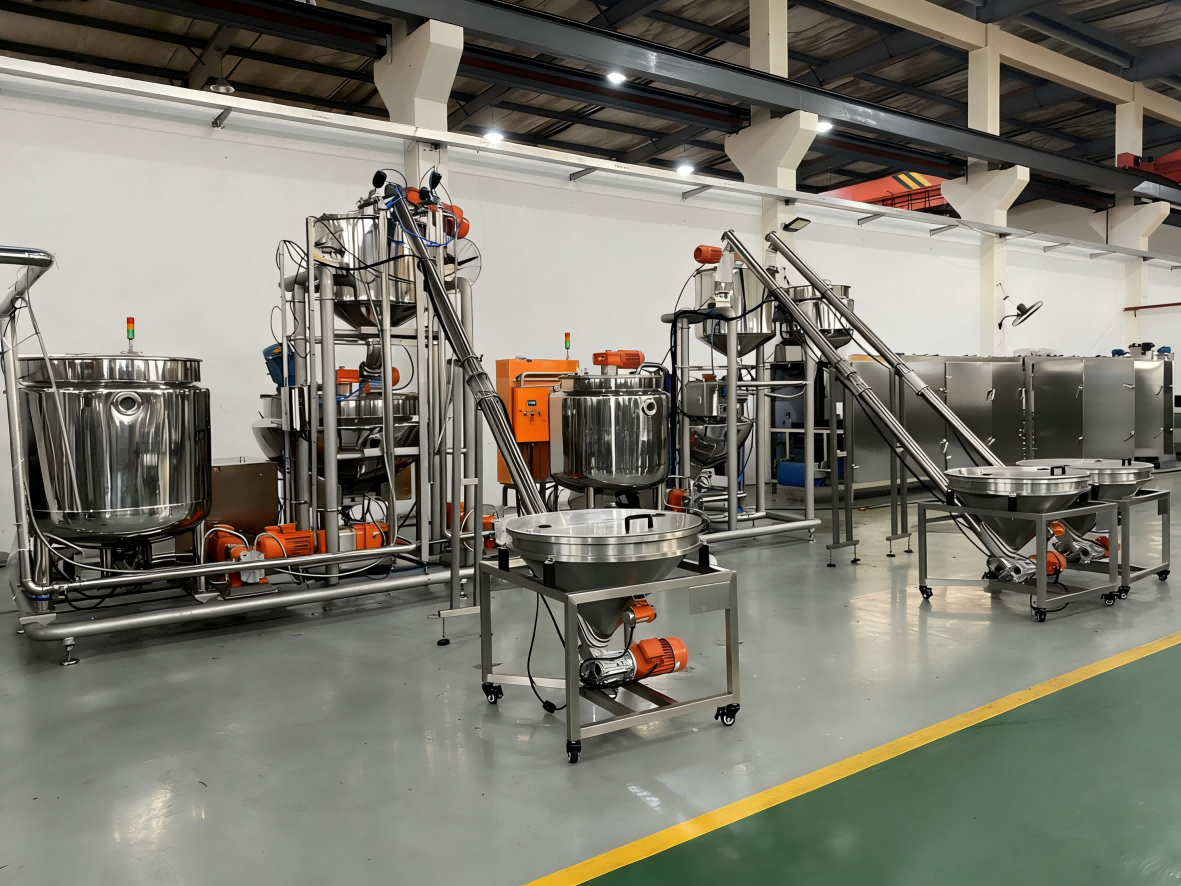
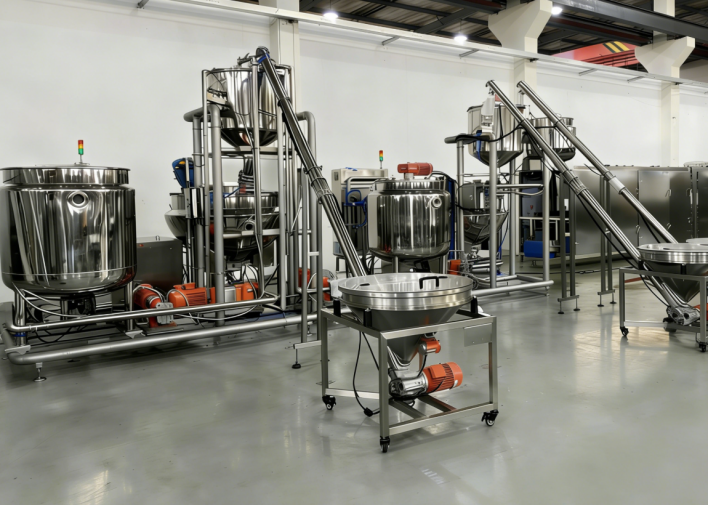
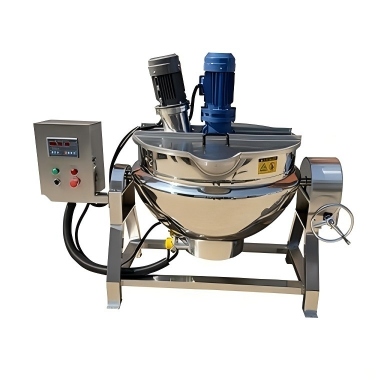
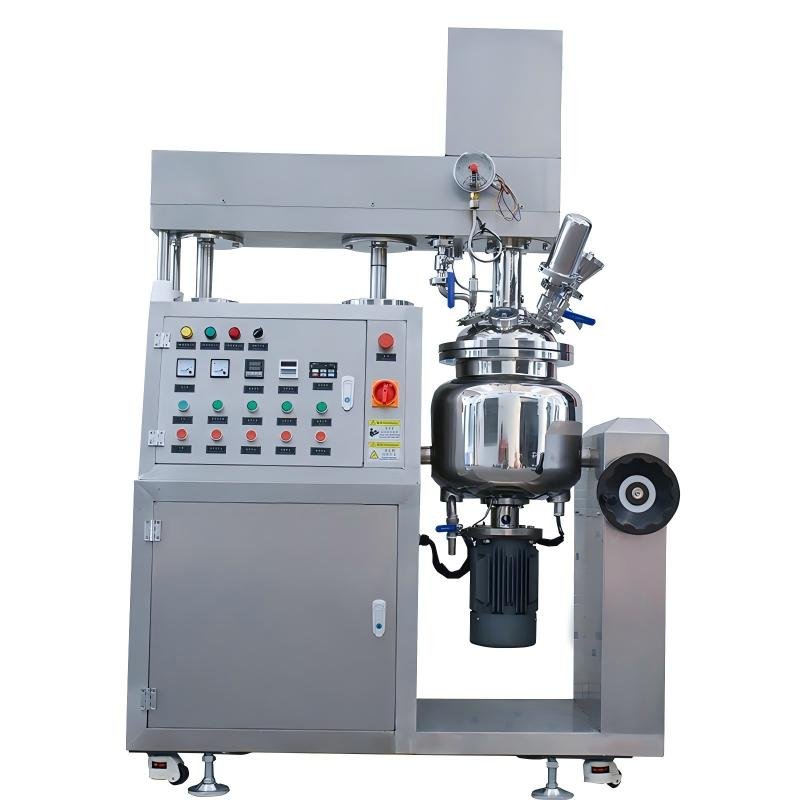
A shared production line comprises cookers, coolers, depositors, and packaging units adaptable to both products. Key is the cooking kettle with precise temperature and vacuum capabilities for hard candy’s dehydration and jelly’s gentle heating.
Here is a bulleted list of critical components:
- Multi-functional cooker: Handles high-heat boiling for hard candy and low-heat mixing for jelly.
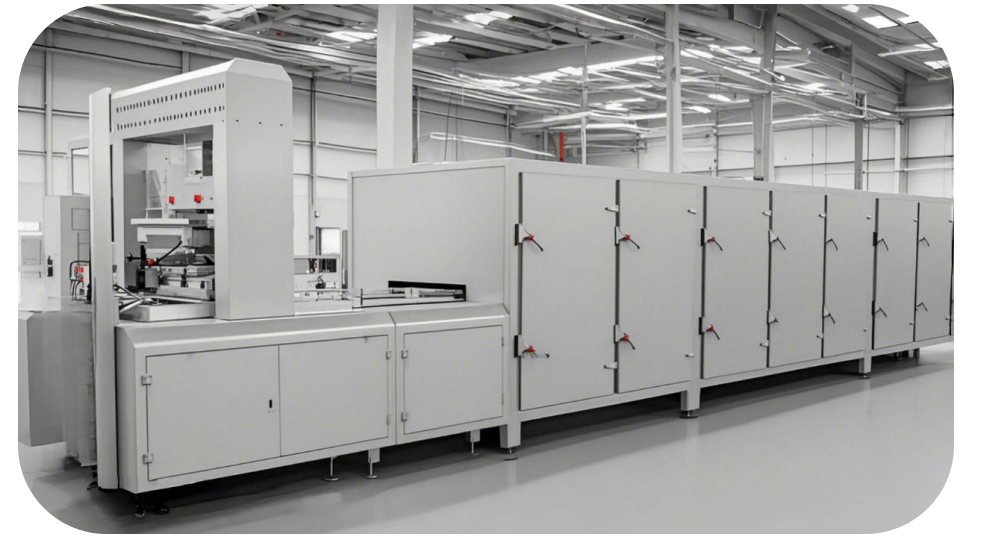
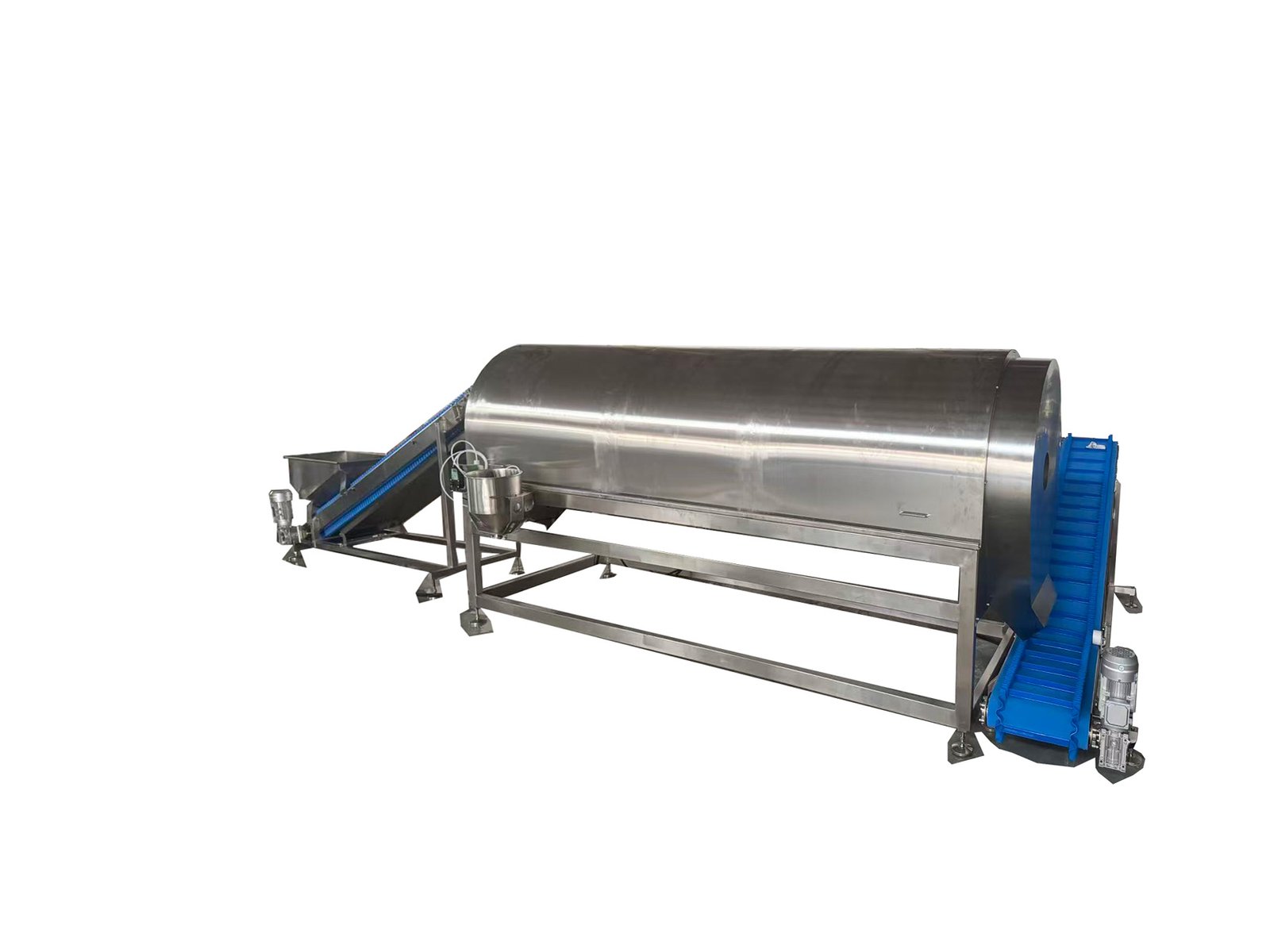
- Continuous cooling tunnel: Adjustable belts and temperatures for rapid hard candy solidification or jelly setting.
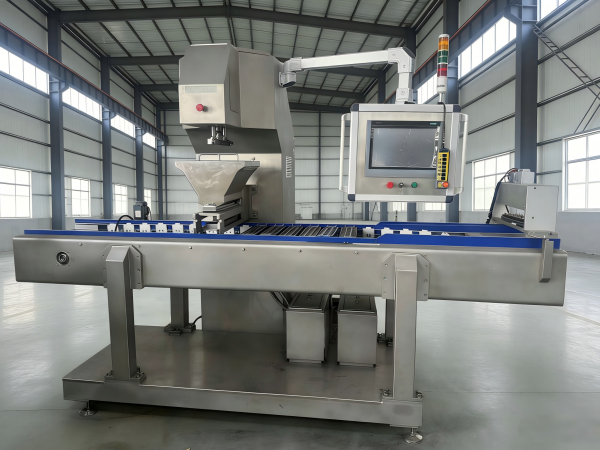
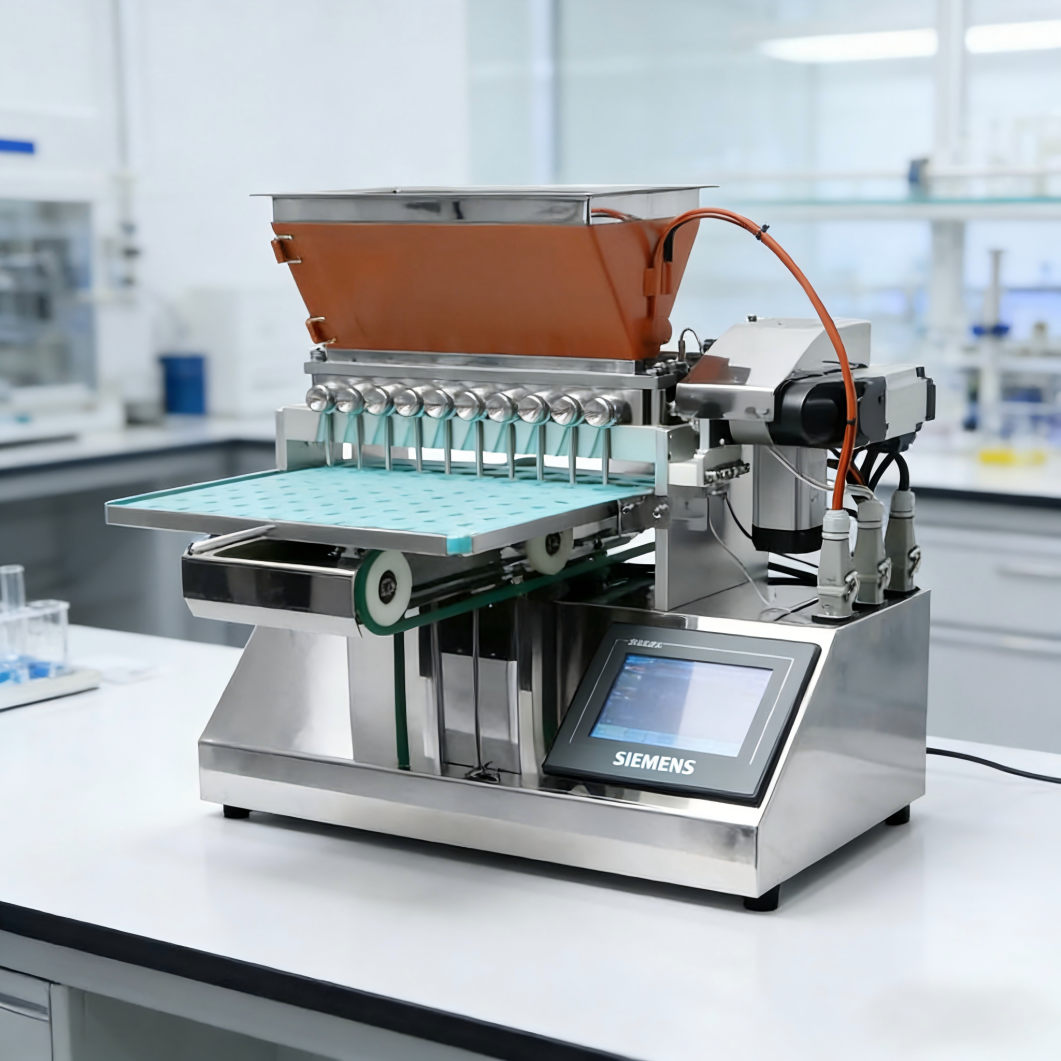
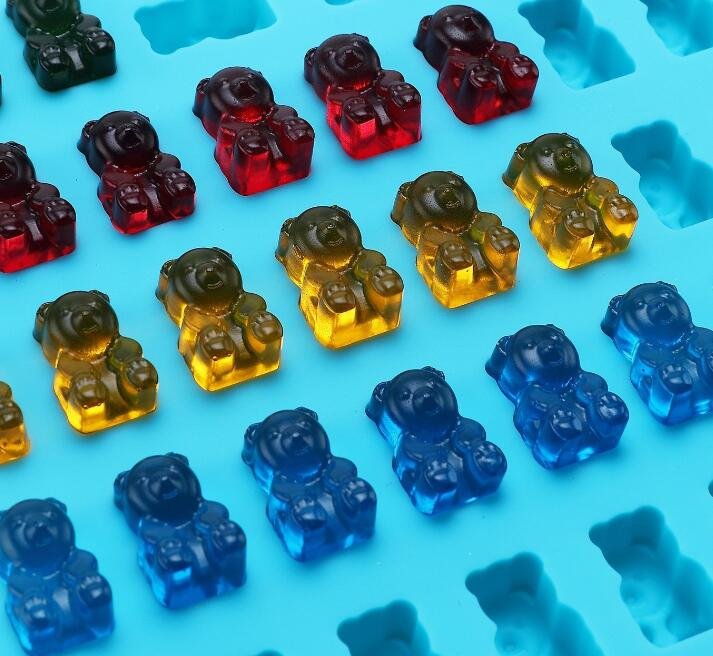
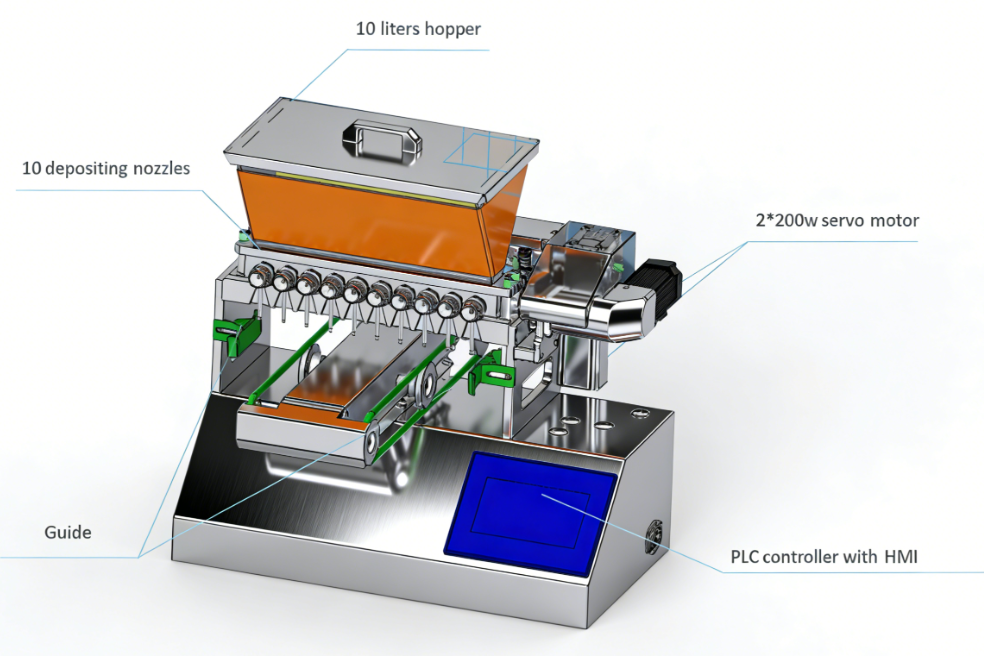
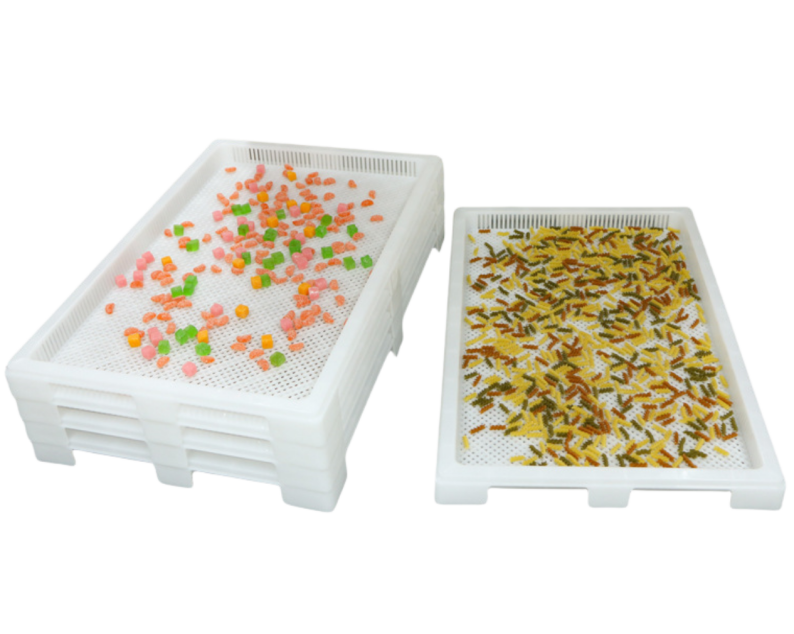
- Servo-driven depositor: Precise dosing for consistent shapes, switching between rope forming for hard candy and starch mogul for jelly.
- Automated molding system: Interchangeable molds for lollipops, balls, or gummies.
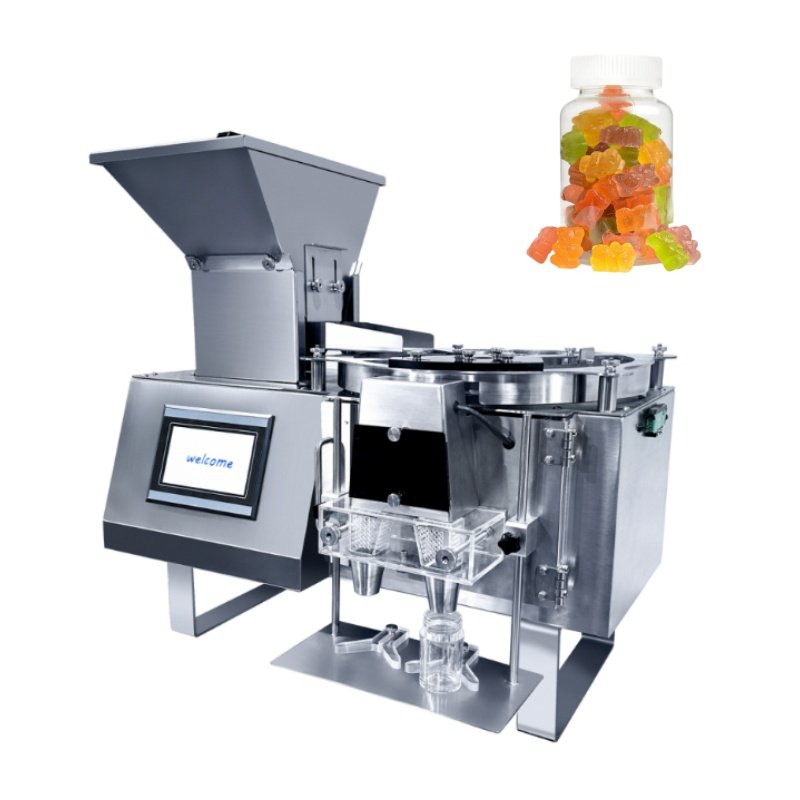
- Packaging integrator: Wraps both products without reconfiguration.
YTjellycandymachine integrates these into a compact footprint, ideal for space-constrained factories transitioning from biscuits to candies.
Step-by-Step Manufacturing Guide
Begin by preparing ingredients: sugar syrup base common to both. For hard-boiled candy, batch cook to 155°C, add flavors/colors, then extrude into ropes, cool, and cut. For jelly, incorporate gelling agents post-cooking at 90°C, deposit into starch beds, dry, and demold.
The following table outlines parameter differences, enabling quick adjustments on a YTjellycandymachine line:
| Parameter | Hard-Boiled Candy | Jelly (Gummy) |
|---|---|---|
| Cooking Temperature (°C) | 150-160 | 80-100 |
| Moisture Content (% final) | <2 | 15-20 |
| Cooling Time (min) | 5-10 | 20-30 |
| Depositor Speed (strokes/min) | 20-40 | 10-25 |
| Output Capacity (kg/h) | 300-500 | 200-400 |
After processing, both products converge at packaging. This setup ensures hygiene via CIP systems and scalability for high-volume runs.
Advantages of Integrated Lines
Using a single line cuts capital expenditure by 40-50% compared to dedicated machines. Downtime plummets, boosting ROI. YTjellycandymachine’s PLC-controlled systems offer recipe storage, auto-clean cycles, and real-time monitoring via HMI interfaces.
For biscuit factories eyeing candy expansion, this versatility means utilizing existing utilities without overhauls. Jelly’s popularity in health-focused markets pairs well with hard candy’s classics, diversifying portfolios effortlessly.
Safety features like overload protection and stainless-steel construction meet global standards, ensuring compliance for exports. YTjellycandymachine’s lines achieve 98% uptime, with energy savings from efficient heating.
Implementation Best Practices
Train operators on switch protocols: Flush lines between runs, calibrate sensors, and test batches. YTjellycandymachine provides on-site training and remote support, easing adoption.
Start with pilot runs at 70% capacity, scaling as proficiency grows. Regular maintenance—belt checks, cooker descaling—sustains performance. Clients report 25% higher throughput post-installation.
Conclusion
Manufacturing hard-boiled candy and jelly on the same line revolutionizes confectionery operations, offering unmatched efficiency and profitability. YTjellycandymachine stands at the forefront, delivering tailored solutions from China to global candy gummy and biscuit factories. Invest in this technology to future-proof your production and captivate markets with diverse, high-quality sweets.
Last Updated on June 17, 2026 by YTjellycandymachine