Table of Contents
What is the future of 3Dprinted jelly candy molds
The confectionery industry is undergoing a transformative shift with the integration of advanced manufacturing technologies, and 3D-printed jelly candy molds stand at the forefront of this evolution. Traditionally, candy production relied on rigid, manually crafted molds that limited design flexibility and increased production costs. Today, 3D printing offers unparalleled customization, enabling factories to create intricate jelly candy shapes that captivate consumers. For biscuit and candy gummy factories looking to innovate, adopting 3D-printed molds promises enhanced efficiency and market differentiation. As a leading provider, YTjellycandymachine is pioneering production lines that seamlessly incorporate this technology, helping clients from China and beyond stay competitive.
Current Landscape of 3D Printing in Candy Production
Currently, 3D printing has moved beyond prototyping into full-scale production for jelly candies. Food-safe resins and biodegradable materials ensure compliance with stringent safety standards, allowing for molds that produce consistent, high-quality gummies. Factories using traditional methods often face downtime for mold changes, but 3D-printed alternatives can be designed, printed, and deployed in hours. This agility is particularly beneficial for seasonal products or limited-edition runs. YTjellycandymachine’s production lines integrate 3D printing stations, enabling biscuit factories diversifying into candies to experiment without massive upfront investments. As demand for unique textures and shapes grows, the adoption rate among gummy producers is accelerating, with projections indicating widespread use by 2030.
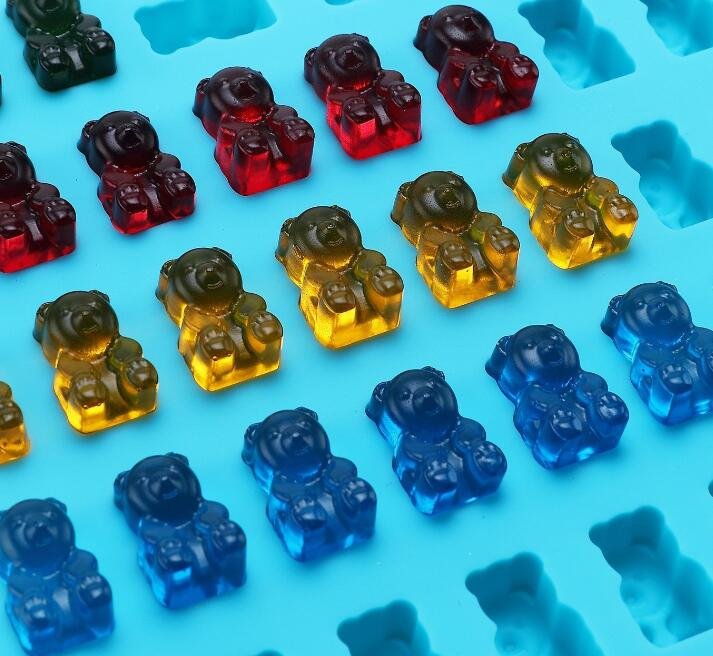
Transitioning from conventional silicone or metal molds, 3D-printed versions offer superior precision. Layer-by-layer construction allows for micro-details like embedded patterns or varying thicknesses, which enhance the visual appeal of jelly candies. Moreover, the scalability of this technology means small-batch runs are as economical as large ones, democratizing innovation for mid-sized factories.
Key Advantages of 3DPrinted Jelly Candy Molds
The benefits of 3D-printed molds extend across operational, creative, and economic dimensions. Firstly, customization eliminates the need for expensive tooling, reducing lead times dramatically. Factories can iterate designs based on market feedback swiftly. Secondly, material efficiency cuts waste, aligning with sustainable practices increasingly demanded by consumers.
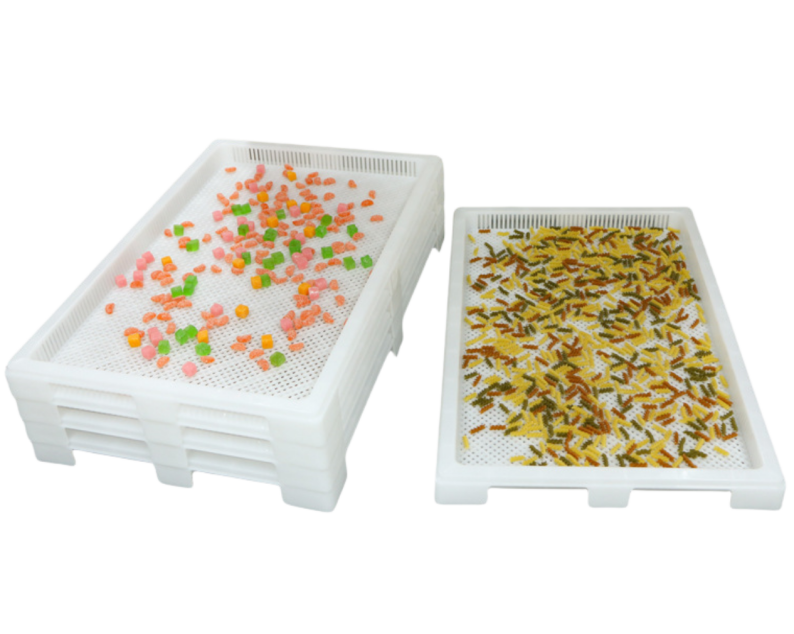
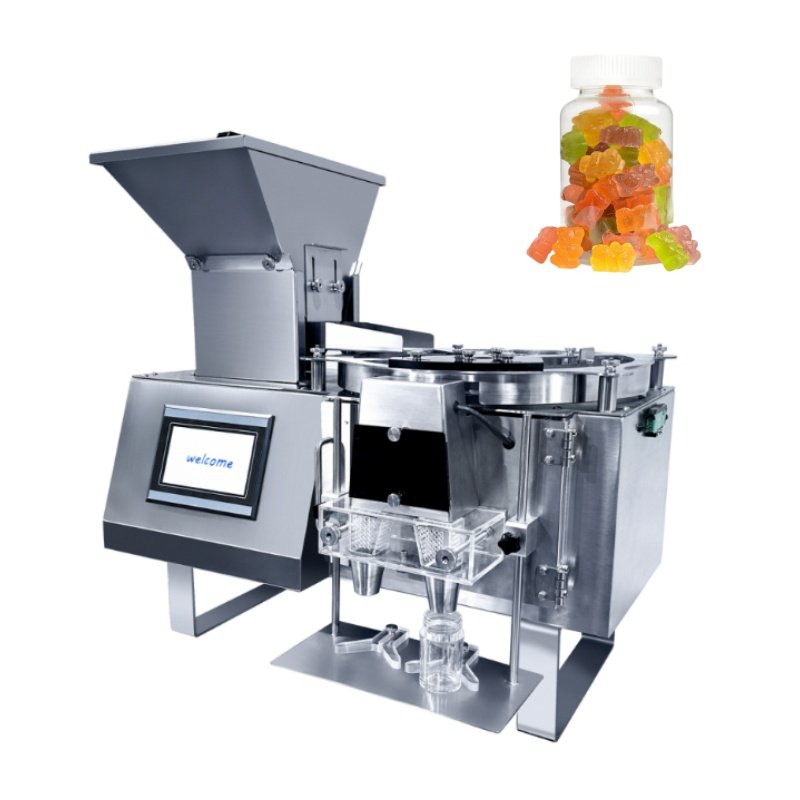
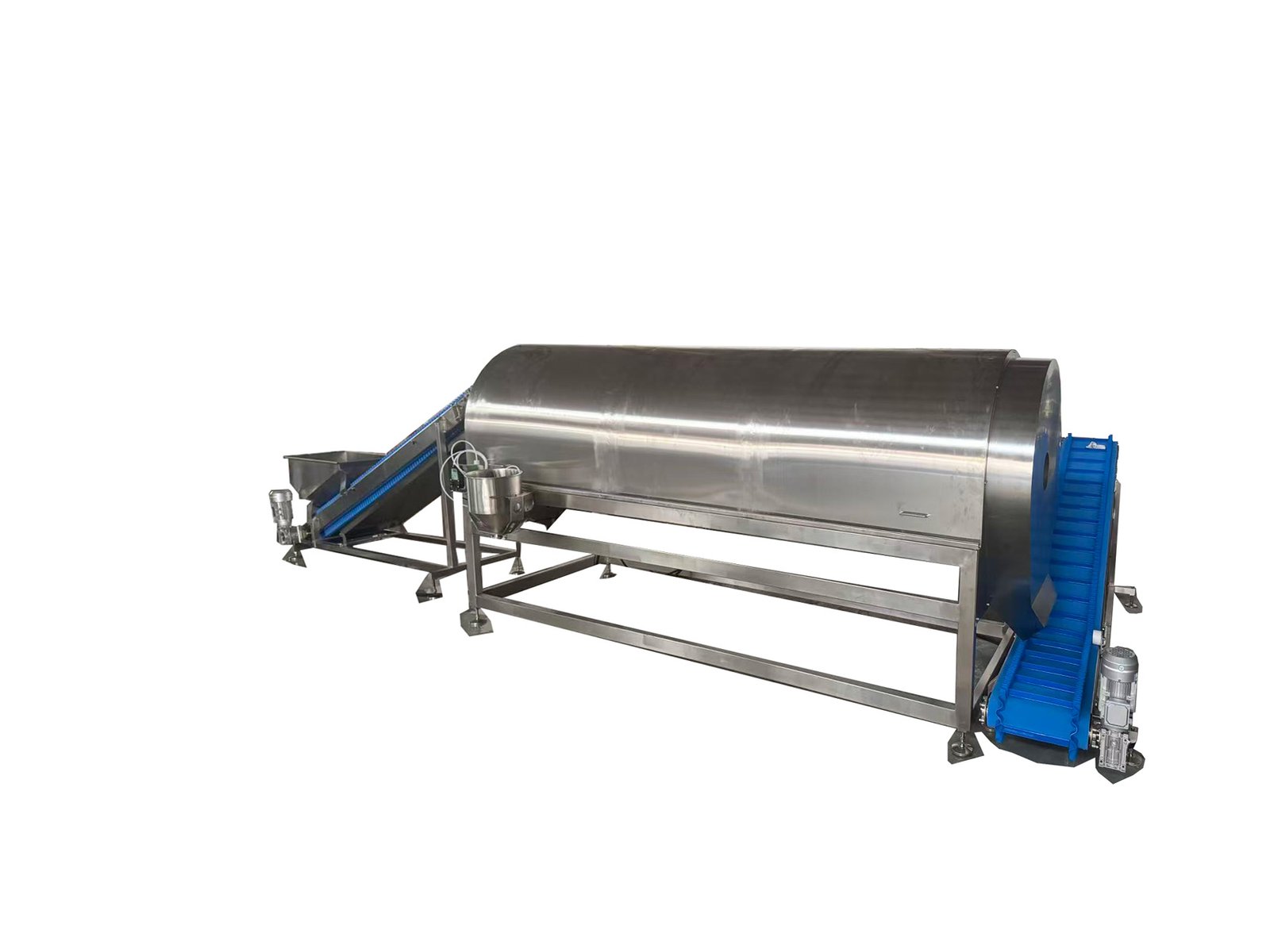
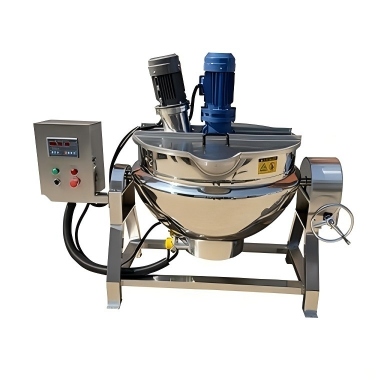
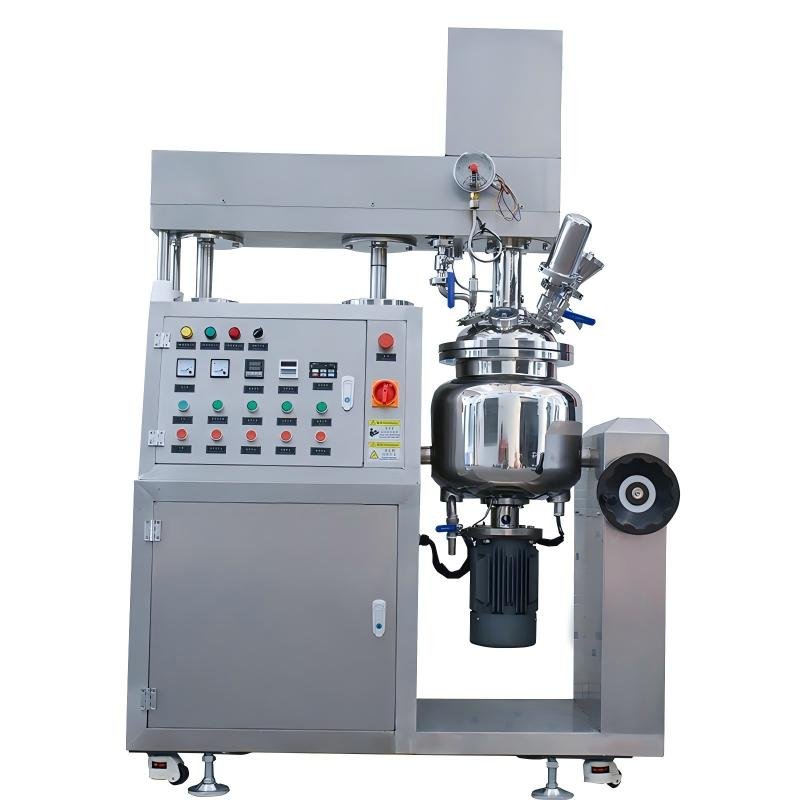
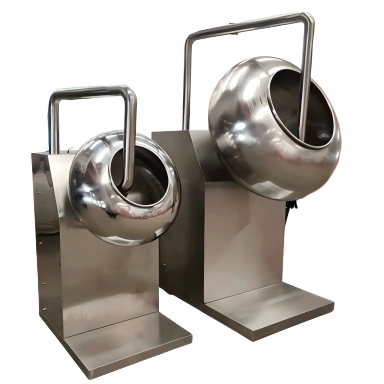
To illustrate these advantages clearly, consider the following list:
- Customization: Tailor molds to specific candy shapes, sizes, and textures without retooling costs.
- Rapid Prototyping: Design and test new molds in days, accelerating product development cycles.
- Cost Savings: Lower material use and no minimum order quantities make it ideal for boutique productions.
- Sustainability: Use eco-friendly, recyclable filaments that reduce environmental impact.
- Precision: Achieve uniform deposition for consistent jelly candy quality and reduced defects.
These features position YTjellycandymachine’s systems as a game-changer for candy gummy factories seeking to expand their portfolios efficiently.
Technological Advancements Shaping the Future
Looking ahead, several innovations will define the trajectory of 3D-printed jelly candy molds. Multi-material printing will enable molds with varying hardness levels, allowing for dual-texture candies—soft centers with crunchy exteriors. Integration with AI-driven design software will automate mold optimization, predicting consumer preferences through data analytics. Furthermore, hybrid systems combining 3D printing with robotic deposition will streamline entire production lines.
YTjellycandymachine is at the vanguard, offering production lines with modular 3D printers that adapt to these advancements. Biscuit factories transitioning to jelly production can leverage our turnkey solutions for seamless integration.
Market Projections and Economic Impact
The global 3D food printing market is expected to grow exponentially, with jelly candy molds capturing a significant share due to their versatility. A detailed projection table underscores this potential:
| Year | Market Size (USD Billion) | Adoption Rate in Candy Factories (%) | Key Driver |
|---|---|---|---|
| 2024 | 0.5 | 15 | Customization Demand |
| 2027 | 2.1 | 45 | AI Integration |
| 2030 | 5.8 | 75 | Sustainability Focus |
| 2035 | 12.4 | 90 | Full Automation |
This table highlights how investments in 3D technology, like those from YTjellycandymachine, will yield substantial returns. Economic analyses predict a 30% reduction in production costs for early adopters, particularly in competitive markets like Asia and Europe, where gummy candies dominate snack aisles.
As supply chains globalize, Chinese manufacturers like YTjellycandymachine provide cost-effective, high-tech production lines that bridge the gap for international clients. This not only boosts output but also fosters innovation in flavor encapsulation and shape complexity.
Challenges and Solutions on the Horizon
Despite the promise, challenges such as material certification and printer speed persist. Regulatory hurdles for food contact demand rigorous testing, yet advancements in certified photopolymers are addressing this. Speed improvements through continuous printing techniques will match traditional mold throughput soon. YTjellycandymachine counters these by incorporating quality assurance modules in our lines, ensuring compliance and reliability.
Transitioning smoothly, education and training will be crucial. Partnerships between equipment providers and factories will facilitate adoption, minimizing disruptions. For gummy producers, the return on investment materializes within the first year through diversified product lines and premium pricing for novel shapes.
Conclusion
In summary, the future of 3D-printed jelly candy molds is bright, characterized by unprecedented customization, efficiency, and sustainability. Biscuit and candy gummy factories stand to gain immensely by integrating this technology into their operations. YTjellycandymachine’s state-of-the-art production lines offer the perfect entry point, combining cutting-edge 3D printing with robust manufacturing capabilities. Embracing this future not only ensures competitiveness but also unlocks creative potentials that delight consumers worldwide. As the industry evolves, those who invest now will lead the sweet revolution.
Last Updated on June 4, 2026 by YTjellycandymachine