Table of Contents
How to integrate eco-friendly cleaning-in-place systems
In the fast-paced world of food production, particularly for biscuit, candy, and gummy factories, maintaining hygiene without compromising efficiency or the environment is paramount. Eco-friendly cleaning-in-place (CIP) systems represent a transformative approach, automating the cleaning of production lines while minimizing water usage, chemical waste, and energy consumption. For factories relying on intricate machinery like those from YTjellycandymachine, integrating such systems ensures compliance with global sustainability standards and enhances operational longevity. This article guides you through the process, highlighting practical steps tailored for high-volume producers of biscuits and gummy candies.
Transitioning to eco-friendly CIP begins with understanding its core principles. Traditional cleaning methods often involve disassembly, manual scrubbing, and excessive rinsing, leading to downtime and resource strain. In contrast, CIP circulates cleaning solutions through pipes and equipment in place, recovering and reusing water where possible. As factories scale up, especially those producing sticky gummy products or crumbly biscuits, the need for automated, green CIP becomes evident to cut costs and meet eco-regulations.
Benefits of Eco-Friendly CIP for Food Production Lines
Adopting eco-friendly CIP yields multifaceted advantages. First, it drastically reduces water consumption by up to 50% through recycling loops and precise dosing. Chemical usage drops similarly, favoring biodegradable agents that align with organic certifications sought by candy and biscuit markets. Energy efficiency improves via optimized heating cycles, lowering carbon footprints—a key selling point for brands targeting eco-conscious consumers.
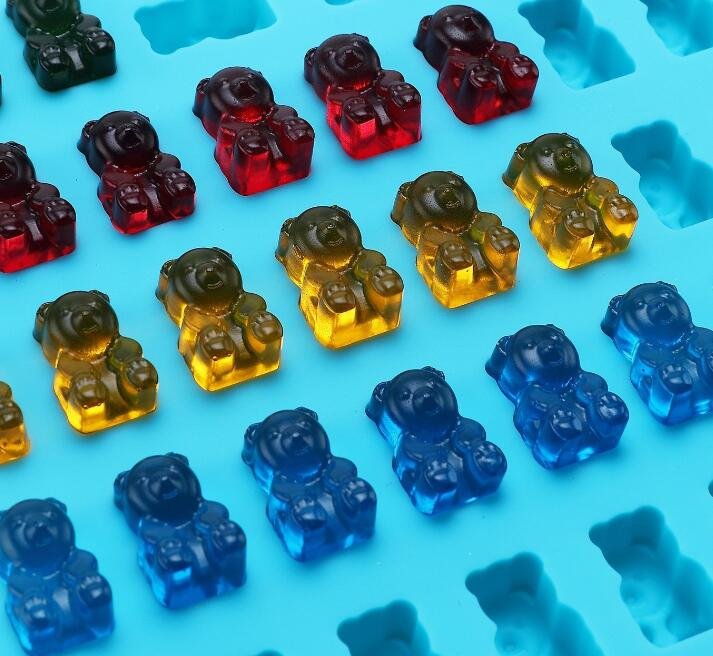
Moreover, downtime shrinks from hours to minutes, boosting throughput for continuous lines like those crafting vibrant gummy bears or crisp biscuits. For YTjellycandymachine production setups, which handle viscous candy mixes, CIP integration prevents cross-contamination, ensuring product purity. Safety enhances too, as operators avoid hazardous manual cleaning, fostering a compliant workplace under HACCP and FDA guidelines.
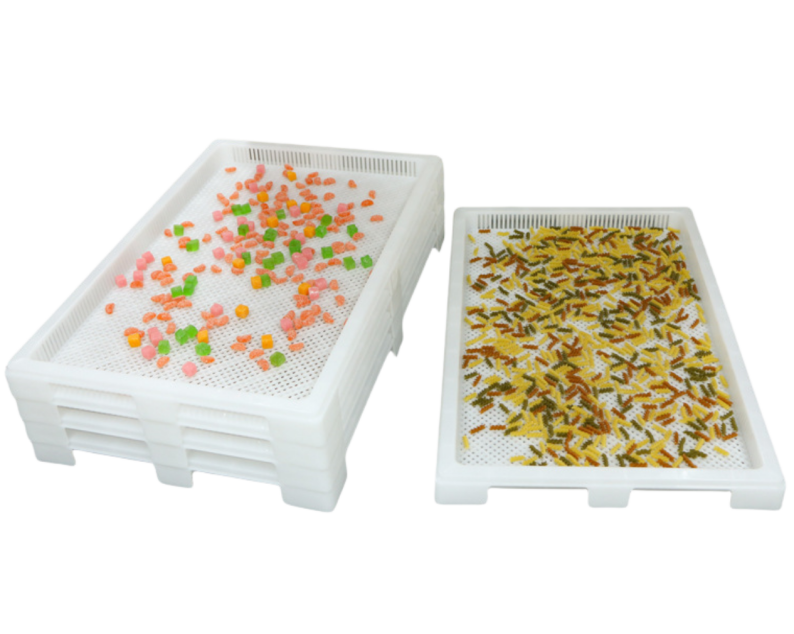
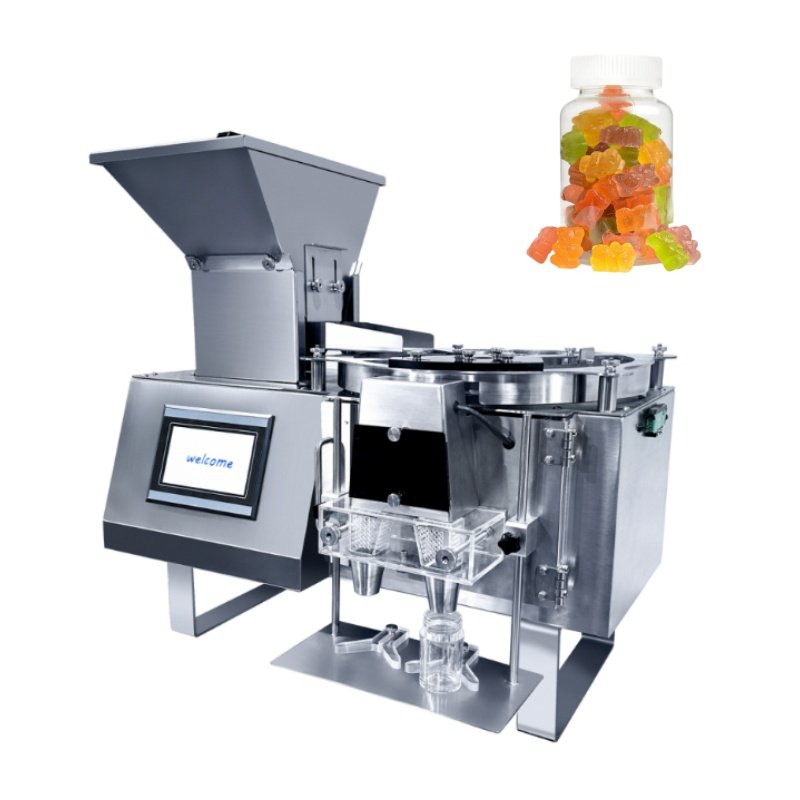
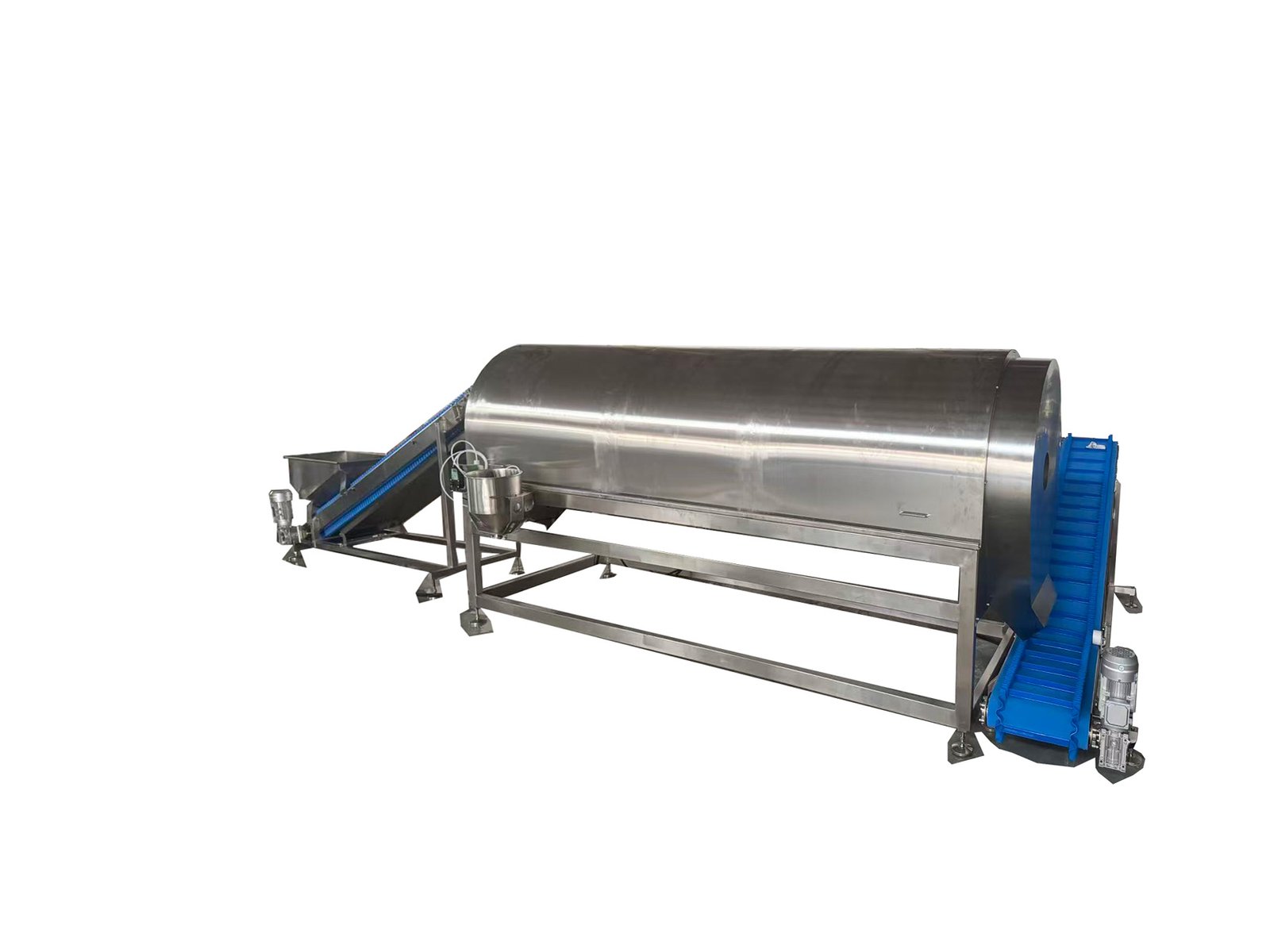
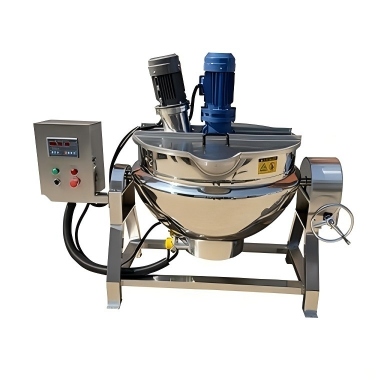
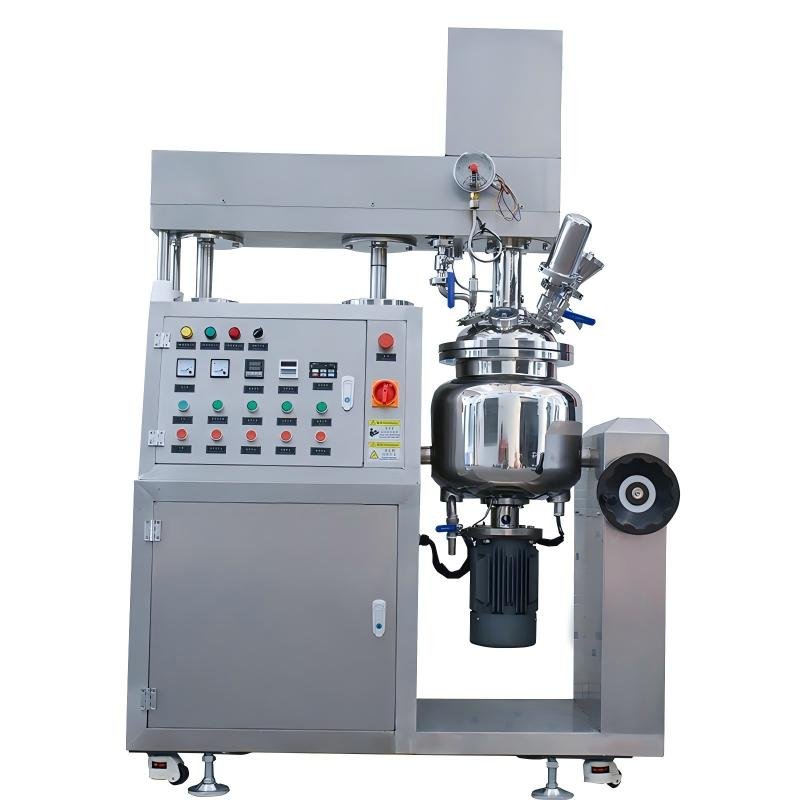
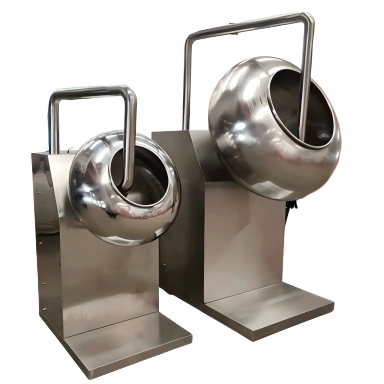
These benefits extend to cost savings: initial investments recoup within 18-24 months via reduced utility bills and waste disposal fees. Factories report 20-30% operational savings, making it a strategic upgrade for competitive edges in the gummy and biscuit sectors.
Key Components of an Eco-Friendly CIP System
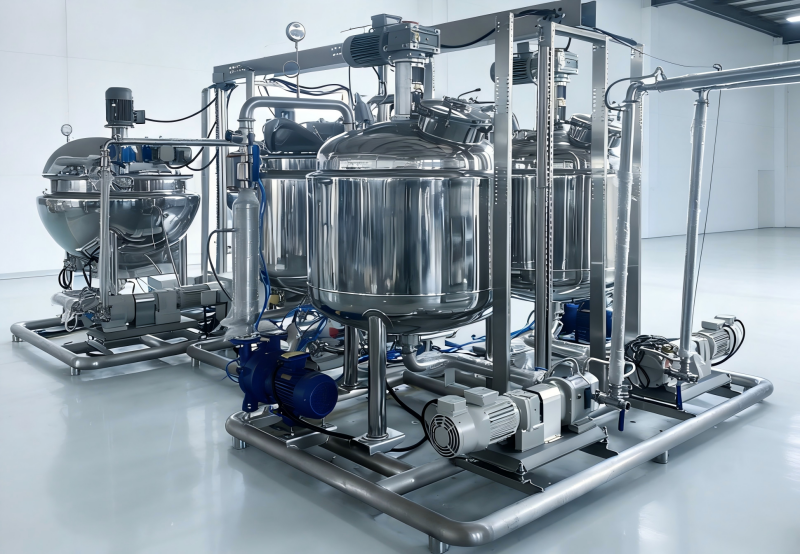
Building an effective CIP requires selecting interoperable components. Central to this is the recovery tank, which captures rinse water for reuse after filtration. Automated dosing pumps ensure precise chemical injection, preventing overuse. Sensors monitor conductivity, temperature, and flow, enabling real-time adjustments for optimal cleaning.
To illustrate compatibility with production lines, consider the following table comparing traditional versus eco-friendly CIP setups, particularly suited for YTjellycandymachine jelly candy lines:
| Feature | Traditional CIP | Eco-Friendly CIP |
|---|---|---|
| Water Usage per Cycle | 500-1000 liters | 200-400 liters |
| Chemical Consumption | High (non-biodegradable) | Low (biodegradable) |
| Energy per Cycle | 50-80 kWh | 20-40 kWh |
| Downtime | 2-4 hours | 30-60 minutes |
| Compatibility with Gummy/Biscuit Lines | Limited recovery | Full integration with viscosity sensors |
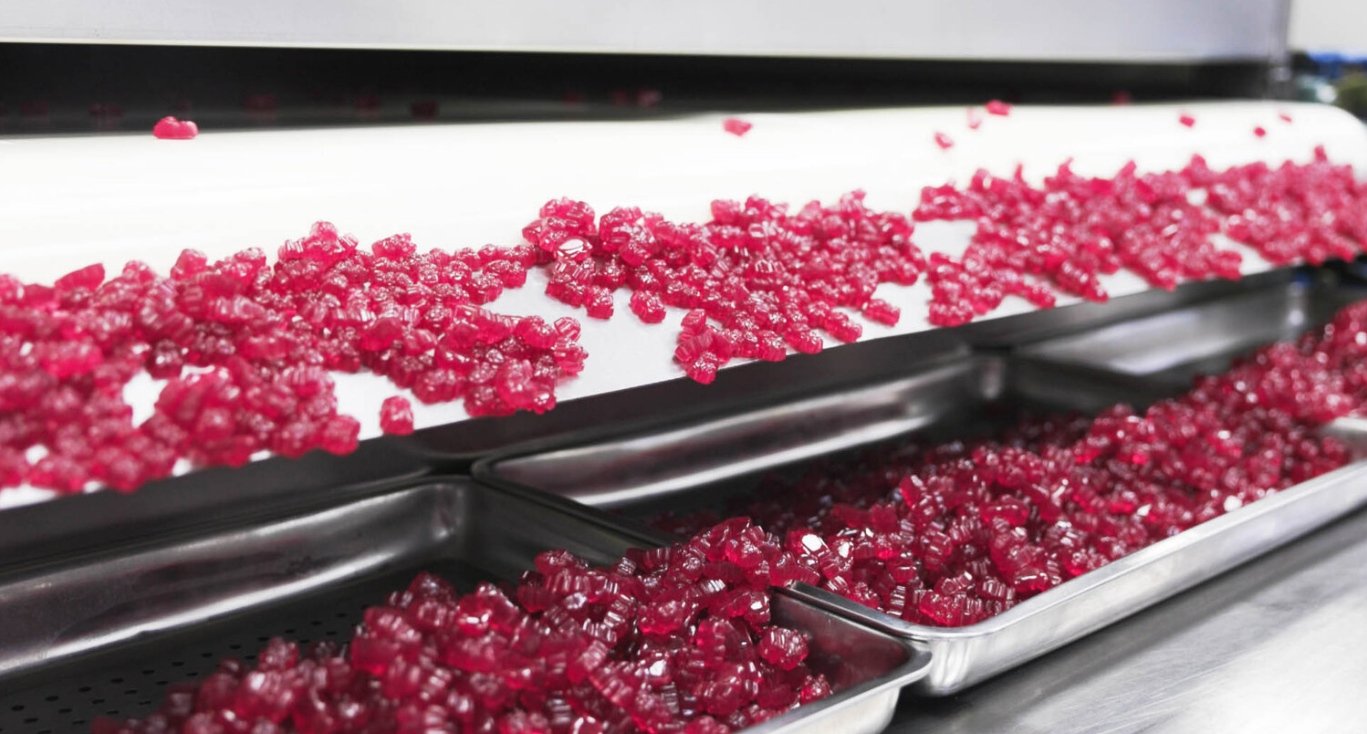
This table underscores the efficiency gains, especially for handling the adhesive residues in gummy production or flour dust in biscuits.
Step-by-Step Integration Process
Integrating eco-friendly CIP demands a structured approach. Begin by auditing your current production line—mapping pipelines, tanks, and valves used in biscuit baking or gummy depositing. Identify high-risk zones prone to bacterial buildup, such as heat exchangers in candy cookers.
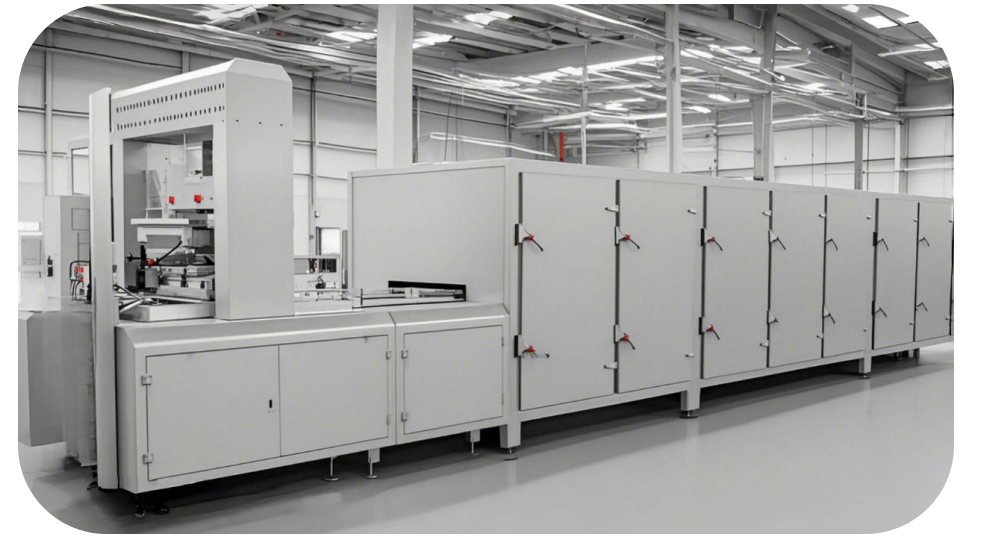
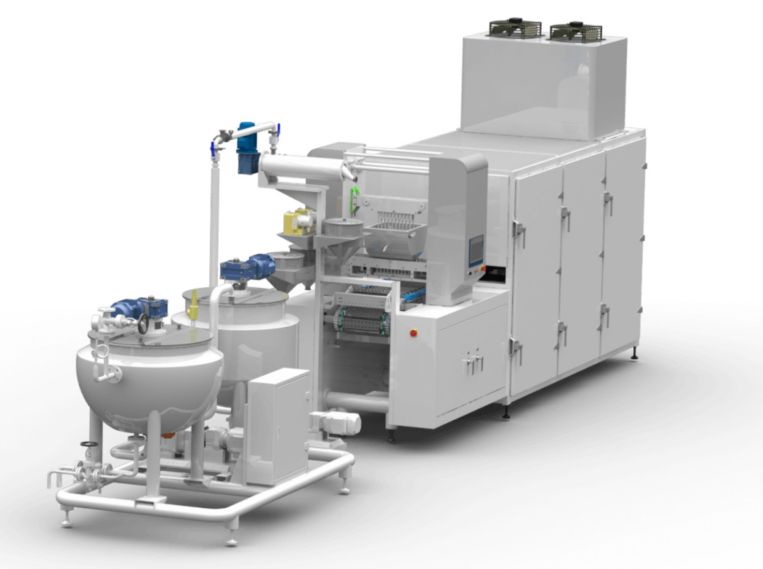
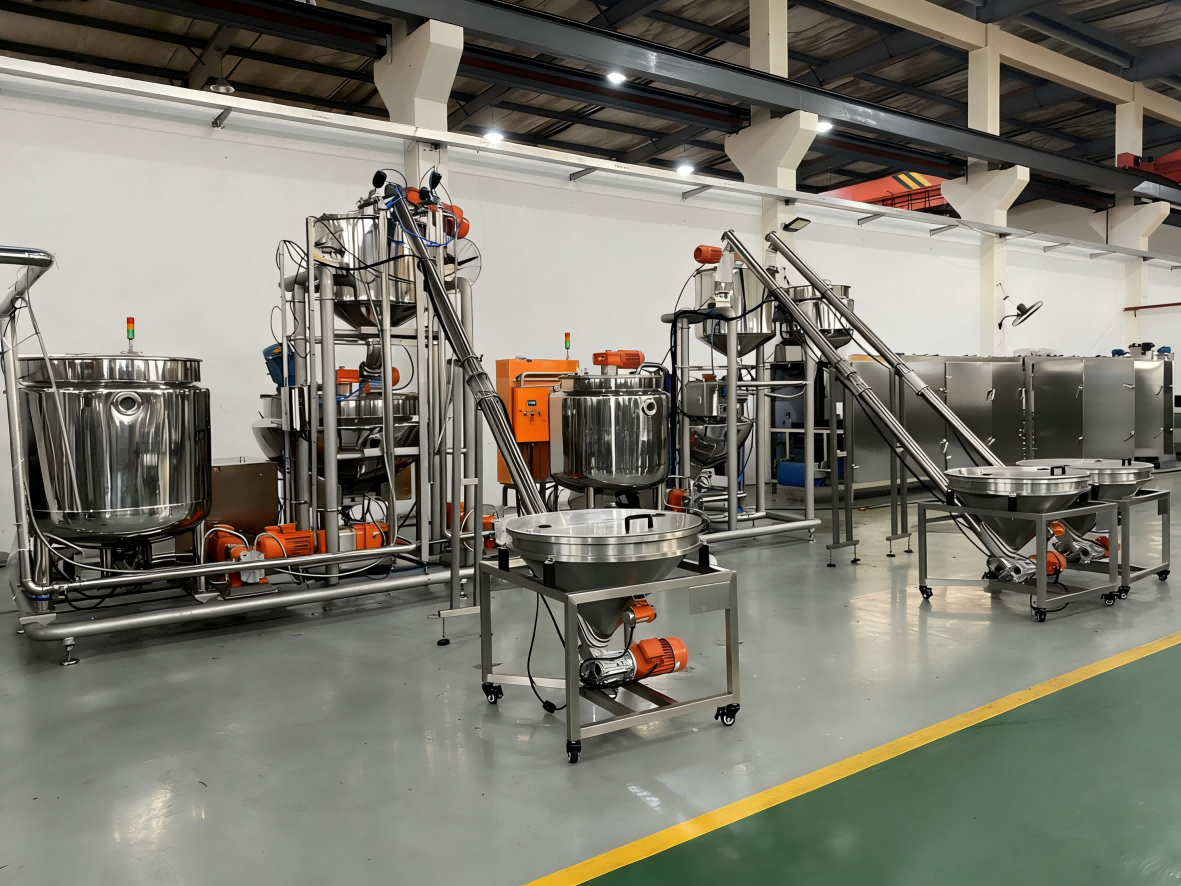
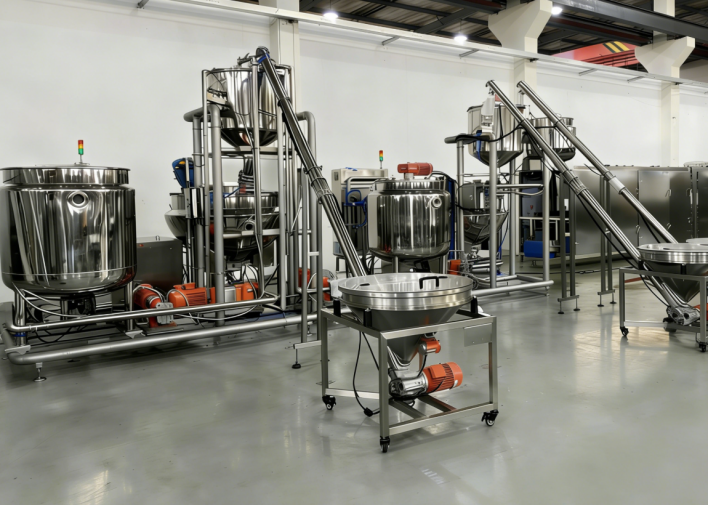
Next, select scalable CIP modules compatible with existing equipment. YTjellycandymachine offers customized CIP kits designed for their depositors and extruders, ensuring plug-and-play installation. Engage certified engineers for hydraulic modeling to optimize flow paths, preventing dead zones.
The following numbered list outlines the essential integration steps:
- Site Assessment: Evaluate water quality, space constraints, and power supply. For biscuit factories, focus on powder-handling sections; for gummies, prioritize cooling tunnels.
- Design Customization: Use software simulations to tailor cycles—acid for minerals, alkali for proteins, with interim rinses.
- Installation: Retrofit pumps and tanks during scheduled maintenance, minimizing production halts to under 48 hours.
- Validation and Testing: Run ATP swabbing and microbial tests post-installation to verify efficacy, achieving 99.9% sanitation.
- Staff Training and Automation: Implement PLC controls with HMI interfaces for one-touch operation, coupled with IoT monitoring for predictive maintenance.
Following these steps ensures seamless adoption. Transitional monitoring via data loggers refines protocols over initial runs, adapting to product variations like fruit-flavored gummies or chocolate-coated biscuits.
Overcoming Common Challenges
Despite advantages, challenges arise. Viscous residues in gummy lines can resist standard flows, addressed by pulsed pumping in advanced YTjellycandymachine systems. Biscuit factories face starch buildup, mitigated by enzymatic cleaners. Regulatory hurdles demand validation documentation—partnering with vetted suppliers like YTjellycandymachine provides pre-certified compliance packs.
Scalability concerns for growing operations are resolved through modular designs, allowing expansion without full overhauls. Initial costs, around $50,000-$150,000 depending on line size, offset via grants for green tech in regions like the EU and US.
Future-Proofing with Sustainable Practices
Looking ahead, integrating CIP positions factories for emerging trends like zero-waste manufacturing. Combining with energy recovery ventilators and solar-powered heaters amplifies sustainability. For biscuit and gummy producers, this not only attracts premium clients but also fortifies supply chains against climate-driven regulations.
In conclusion, eco-friendly CIP integration revolutionizes food production by blending hygiene, efficiency, and environmental stewardship. By following the outlined steps and leveraging specialized solutions from YTjellycandymachine, your factory can achieve superior cleanliness with minimal ecological impact. Embrace this upgrade today to future-proof your operations and stand out in the competitive candy and biscuit markets.
Last Updated on June 11, 2026 by YTjellycandymachine