Table of Contents
Pectin vs Gelatin Does your production line need different settings
In the competitive world of candy and gummy production, choosing between pectin and gelatin as gelling agents significantly impacts product texture, shelf life, and manufacturing efficiency. For biscuit or candy gummy factories looking to expand or optimize their lines, understanding these differences is crucial. At YTjellycandymachine, our advanced production lines from China are designed to handle both seamlessly, but does your current setup require adjustments? This article delves into the nuances of pectin versus gelatin, exploring their properties, processing requirements, and implications for your production line.
Transitioning from traditional biscuits to innovative gummy candies opens new revenue streams, yet it demands precision in machinery settings. Whether you’re a biscuit factory diversifying into confections or a dedicated gummy producer, adapting your line for pectin or gelatin can make or break efficiency.
What is Pectin
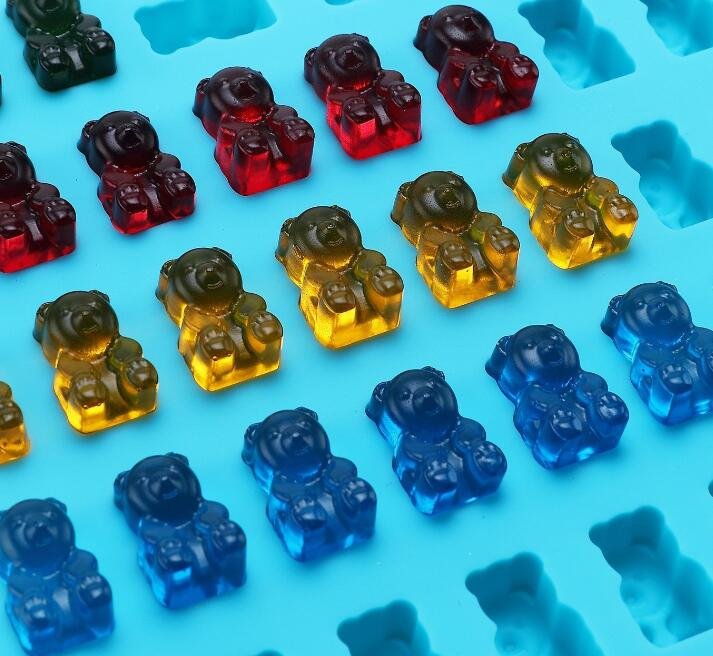
Pectin, a natural polysaccharide derived primarily from citrus fruits and apples, serves as a plant-based gelling agent ideal for vegan and vegetarian gummy candies. Its ability to form a firm yet tender gel under specific pH and sugar conditions makes it popular in health-conscious markets. Unlike animal-derived alternatives, pectin gummies offer a fruity chewiness that appeals to modern consumers avoiding gelatin for dietary or ethical reasons.
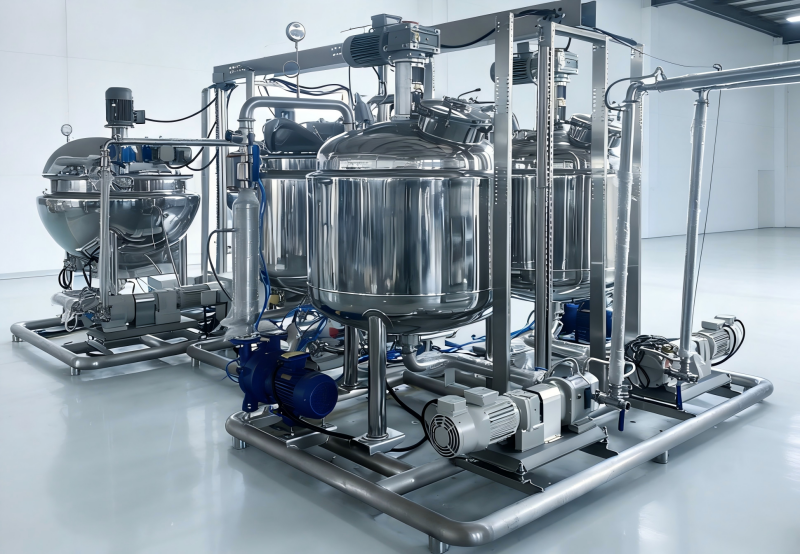
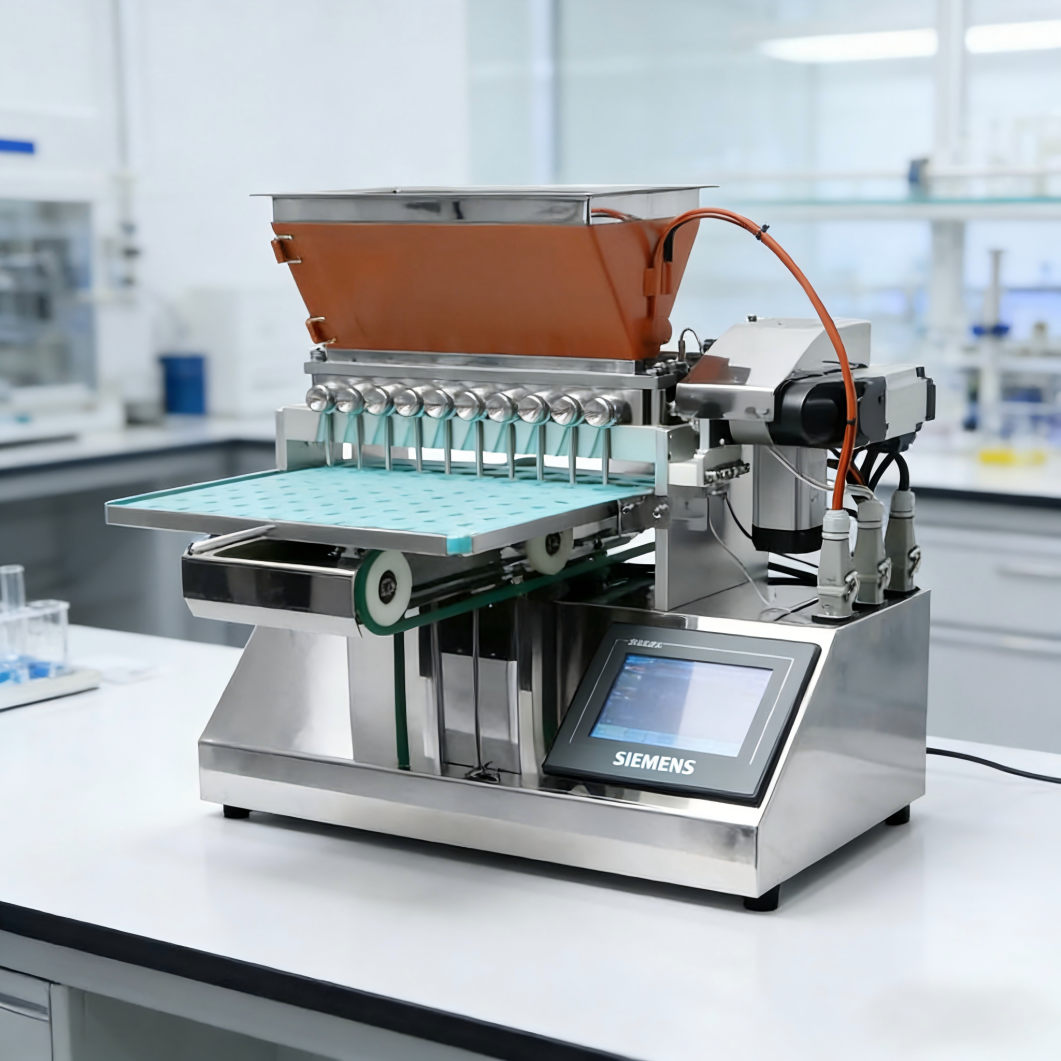
In production, pectin requires rapid heating to 105-110°C for proper dissolution, followed by cooling in a controlled environment to achieve the desired set. Factories must maintain low pH levels, typically between 3.2 and 3.5, to activate its gelling properties. This process demands equipment with precise temperature controls and automated dosing systems, features standard in YTjellycandymachine production lines.
Understanding Gelatin
Gelatin, extracted from animal collagen through hydrolysis, has long been the cornerstone of gummy candy production due to its versatile melt-in-the-mouth texture and clarity. It blooms in cold water before melting at around 40°C, setting at temperatures below 25°C. This thermo-reversible property allows for unique shapes and fillings, making it a favorite in traditional recipes.
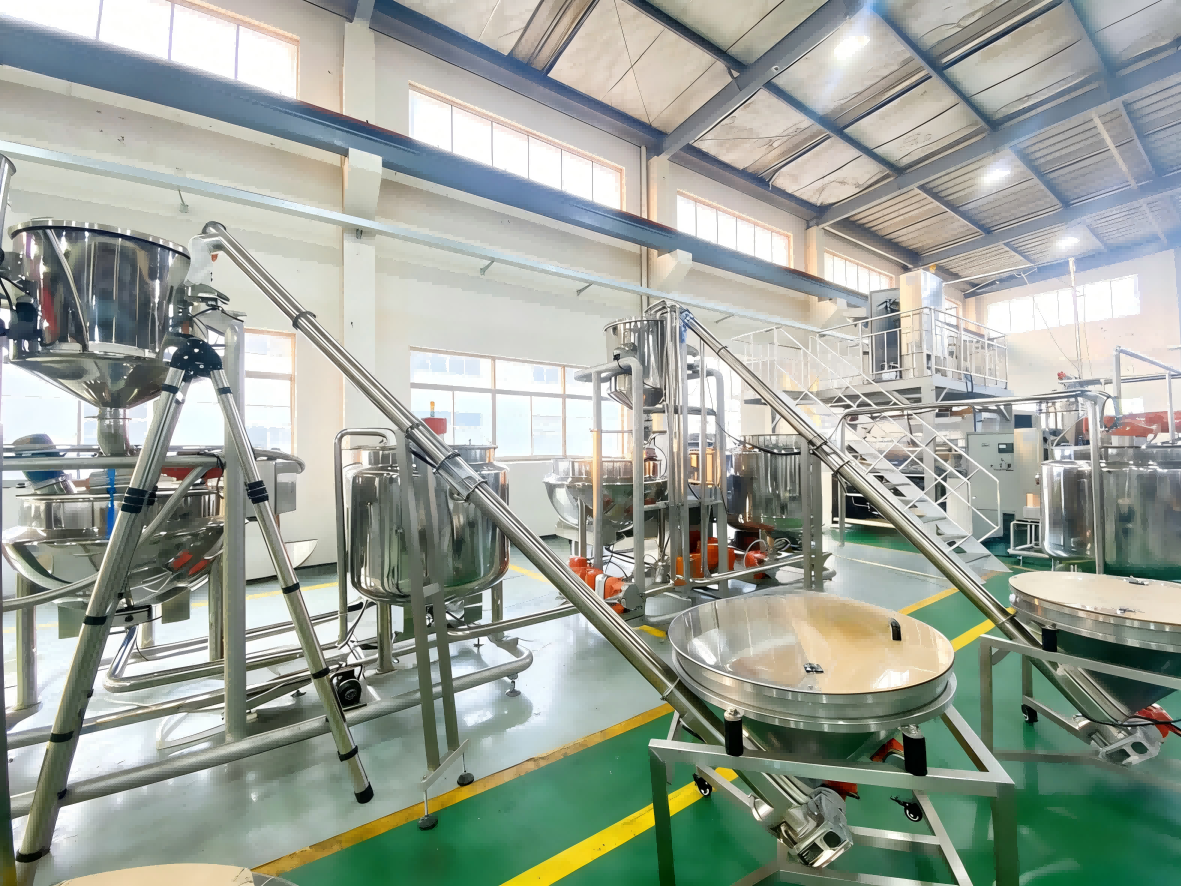
Gelatin processing involves longer hydration times and higher moisture tolerance, with optimal cooking temperatures reaching 105°C. Its sensitivity to acidity means factories often work at neutral pH, contrasting sharply with pectin workflows. For biscuit factories venturing into gummies, gelatin’s familiarity eases entry, but scalability requires robust mixers and depositors.
Key Differences Between Pectin and Gelatin
While both create appealing gummies, their chemical behaviors necessitate distinct production parameters. Pectin gels are thermoreversible only at high temperatures and excel in high-sugar environments, whereas gelatin offers elasticity across broader conditions. These variances affect cooking times, cooling rates, and even mold release, potentially requiring recipe tweaks or machine recalibrations.
To illustrate, pectin demands buffer salts for stability, adding a preparation step absent in gelatin batches. Shelf life also differs: pectin products are more heat-stable but prone to syneresis if not formulated correctly, while gelatin gummies risk melting in warm climates. Transitioning between them without downtime is possible with versatile equipment from YTjellycandymachine, minimizing reconfiguration hassles.
- Gelling Mechanism: Pectin requires calcium ions and low pH; gelatin relies on protein network formation.
- Temperature Sensitivity: Pectin sets faster upon cooling; gelatin needs precise blooming.
- Dietary Appeal: Pectin is vegan-friendly; gelatin suits conventional markets.
- Processing Time: Pectin mixes quicker but demands exact sugar ratios; gelatin allows flexibility.
- Cost Implications: Pectin often pricier upfront but yields premium products.
Production Line Settings Comparison
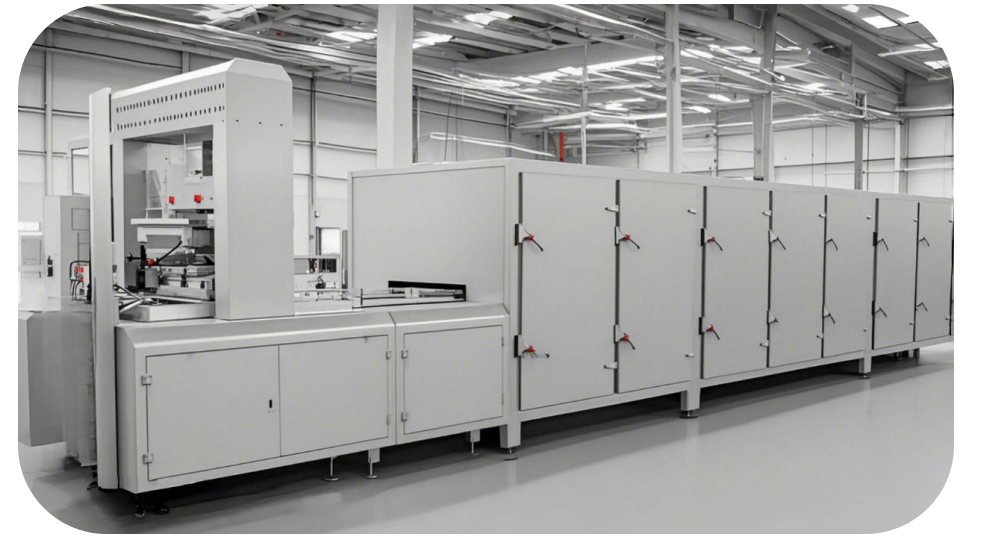
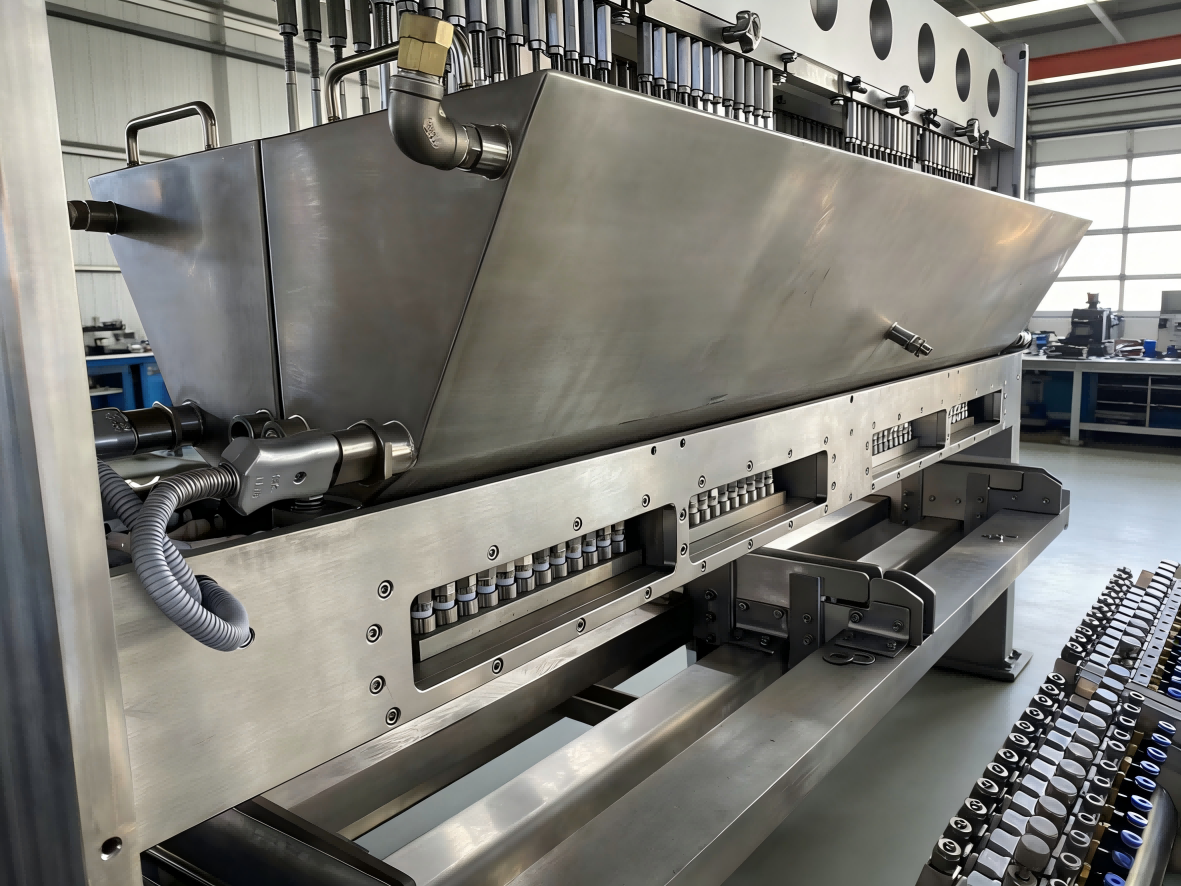
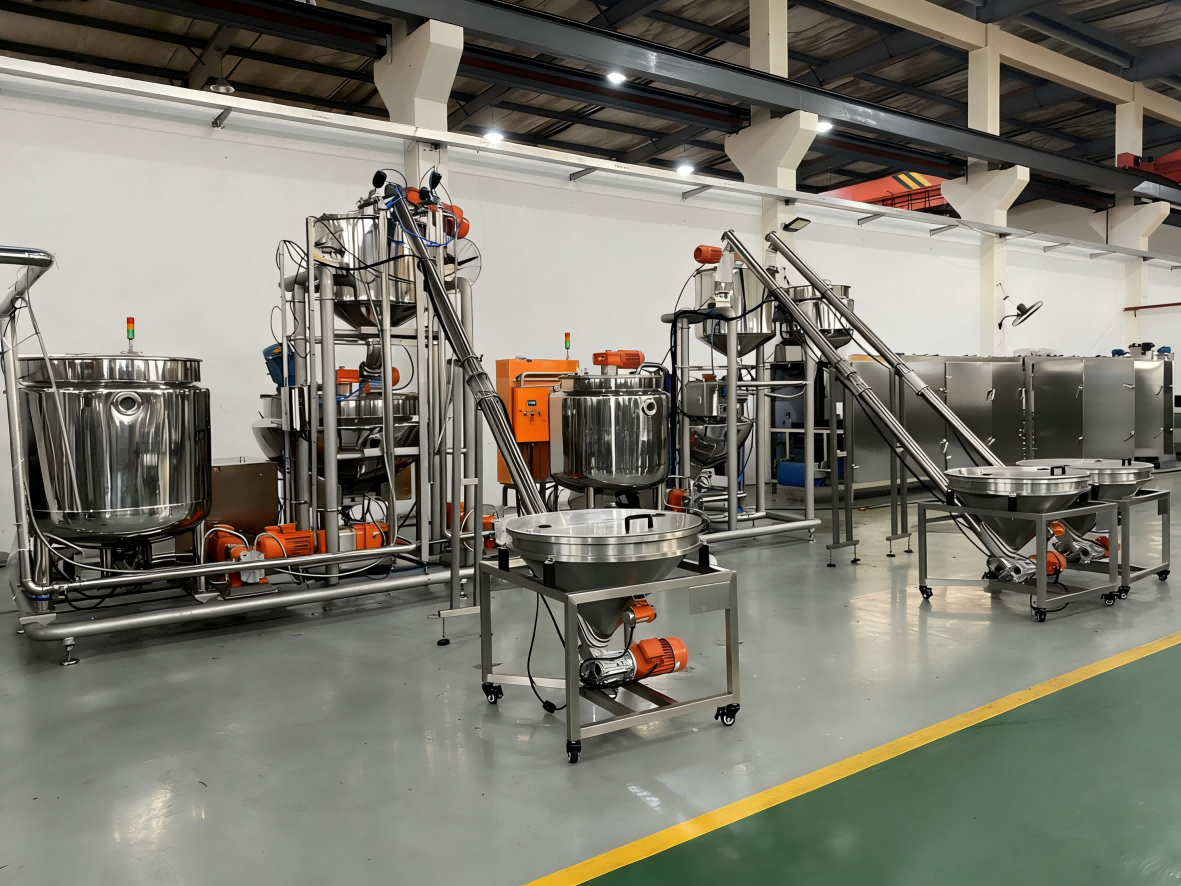
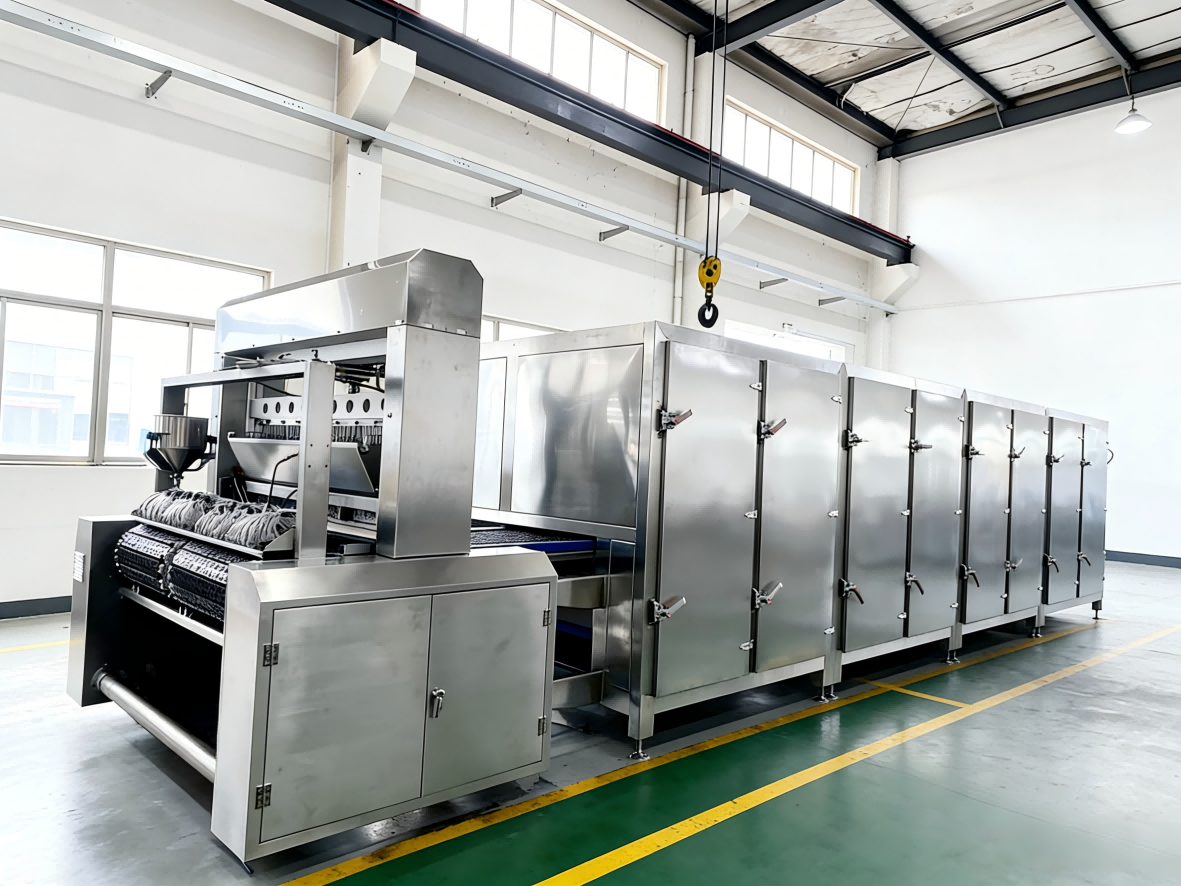
Adapting your production line for pectin or gelatin involves tweaking depositor speeds, cooker temperatures, and cooling tunnels. Biscuit factories, accustomed to dough handling, may find gummy lines more fluid-dynamic, yet YTjellycandymachine offers plug-and-play solutions. Below is a detailed comparison table highlighting essential settings.
| Parameter | Pectin Settings | Gelatin Settings |
|---|---|---|
| Cooking Temperature | 105-110°C | 100-105°C |
| pH Range | 3.2-3.5 | 5.0-6.0 |
| Cooling Time | 20-30 minutes | 30-45 minutes |
| Mixer Speed (RPM) | 200-300 | 150-250 |
| Sugar Concentration | 70-80% | 60-70% |
| Depositor Pressure | High (for firm gel) | Medium (elastic flow) |
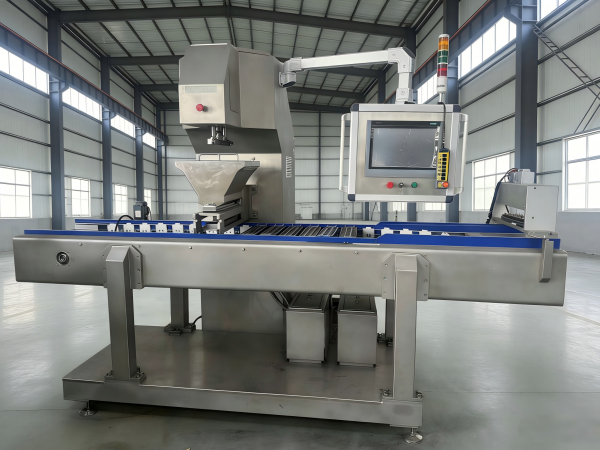
As shown, these differences can slow production if your line isn’t modular. YTjellycandymachine machines feature touchscreen interfaces for instant parameter switches, ensuring seamless transitions for candy gummy factories.
Implications for Your Factory
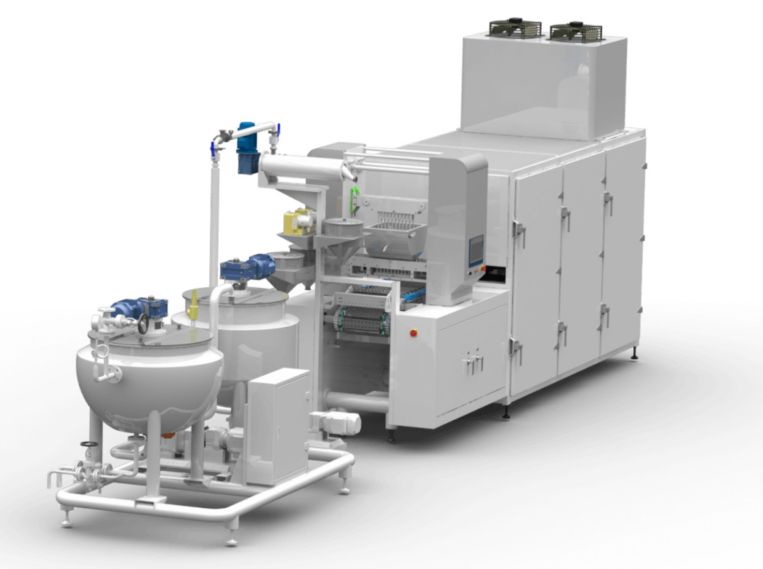
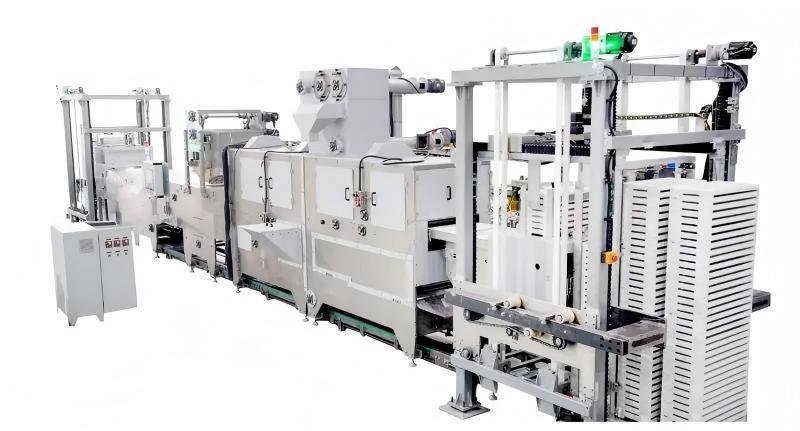
For biscuit producers eyeing gummy diversification, pectin lines tap into booming vegan trends, while gelatin maintains classic appeal. Challenges arise in cross-contamination or inconsistent textures without adaptive tech. Our YTjellycandymachine production lines integrate PLC controls and servo-driven depositors, accommodating both agents with minimal adjustments—often under 15 minutes.
Moreover, scaling output from 100kg to 1000kg/hour is effortless, reducing labor and waste. Candy gummy factories report 20% efficiency gains post-installation, thanks to automated sanding and packaging modules tailored for either gelling agent.
Optimizing with YTjellycandymachine
YTjellycandymachine stands out by offering fully customizable lines from China, engineered for global standards like HACCP and CE certification. Whether retrofitting existing setups or building new ones, our expertise ensures your production line thrives regardless of pectin or gelatin choice. Clients from biscuit backgrounds praise the intuitive design, bridging bakery precision with confectionery speed.
Investing in such versatility future-proofs your operations against market shifts, like rising demand for plant-based sweets.
Conclusion
In summary, pectin and gelatin each bring unique advantages to gummy production, but their divergent settings underscore the need for adaptable machinery. Biscuit or candy gummy factories can avoid costly overhauls by partnering with YTjellycandymachine, whose production lines master both effortlessly. Embrace efficiency and innovation—contact us to elevate your line today.
Last Updated on April 2, 2026 by YTjellycandymachine