Table of Contents
Introduction
Launching a jelly candy business from scratch offers a sweet opportunity in the growing confectionery market. With global demand for colorful, chewy treats rising, entrepreneurs and existing biscuit or candy gummy factories can tap into this profitable niche. This complete guide outlines every step, from initial planning to scaling production. Whether you’re new to food manufacturing or looking to diversify, understanding the process ensures success. Key elements include market analysis, equipment selection, and compliance. Brands like YTjellycandymachine provide reliable production lines tailored for efficiency, helping you produce high-quality jelly candies at scale.
Conducting Market Research
Before investing, thorough market research is essential. Analyze trends in the jelly candy sector, including popular flavors like fruit, sour, or layered varieties. Identify your target audience—children, adults seeking nostalgic treats, or health-conscious consumers preferring low-sugar options. Study competitors, noting their pricing, packaging, and distribution channels. Tools like Google Trends, industry reports from Statista, and local surveys reveal demand gaps. For biscuit or candy gummy factories, expanding into jelly candies leverages existing expertise while opening new revenue streams. Assess regional preferences; for instance, Asian markets favor tropical flavors, while Europe leans toward organic variants. This step typically takes 4-6 weeks and informs your unique selling proposition, ensuring your products stand out.
Developing a Solid Business Plan
A comprehensive business plan serves as your roadmap. Outline your vision, mission, and goals, such as achieving $500,000 in annual revenue within three years. Project startup costs, including equipment ($100,000-$300,000), facility leasing ($20,000/year), and initial inventory ($10,000). Forecast sales based on market data, aiming for 20-30% profit margins after covering labor and overheads. Secure funding through loans, investors, or grants for food startups. Include operational details like production capacity—starting at 500kg/day—and marketing strategies. For factories transitioning from biscuits or gummies, highlight synergies in machinery adaptation. Refine your plan iteratively, consulting mentors or using templates from the Small Business Administration.
Sourcing Ingredients and Suppliers
Quality ingredients form the foundation of delectable jelly candies. Primary components include gelatin or pectin for gelling, sugar or corn syrup for sweetness, citric acid for tartness, and flavors/colorings. Source from certified suppliers to ensure food-grade purity and consistency. Build relationships with bulk providers in China or the US for cost savings—gelatin costs $5-10/kg, sugar $0.50/kg. Prioritize non-GMO, halal, or vegan options to broaden appeal. Conduct taste tests and stability trials. Maintain inventory management software to avoid shortages. Transitional supply chains from biscuit production can reuse sugar sourcing, streamlining operations.
Selecting Equipment and Setting Up Production
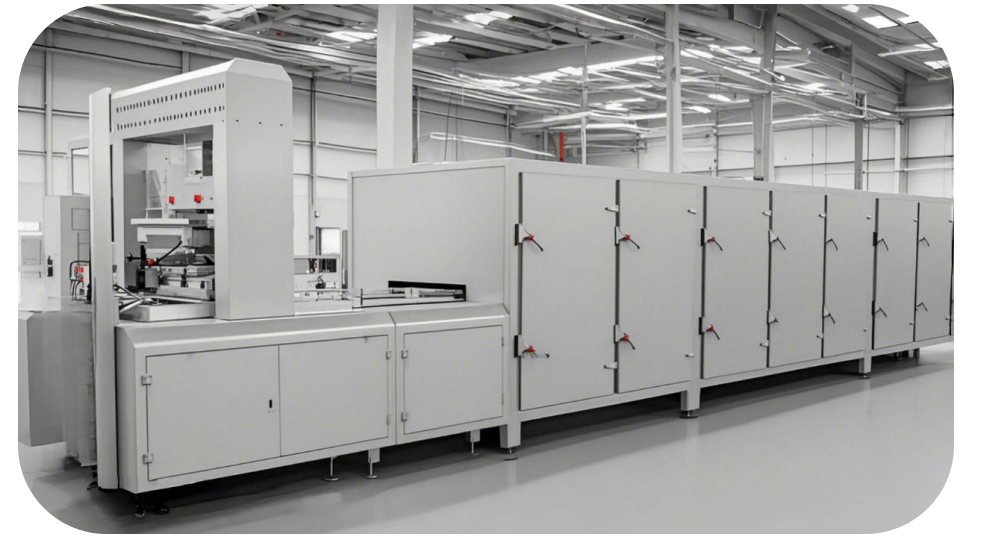
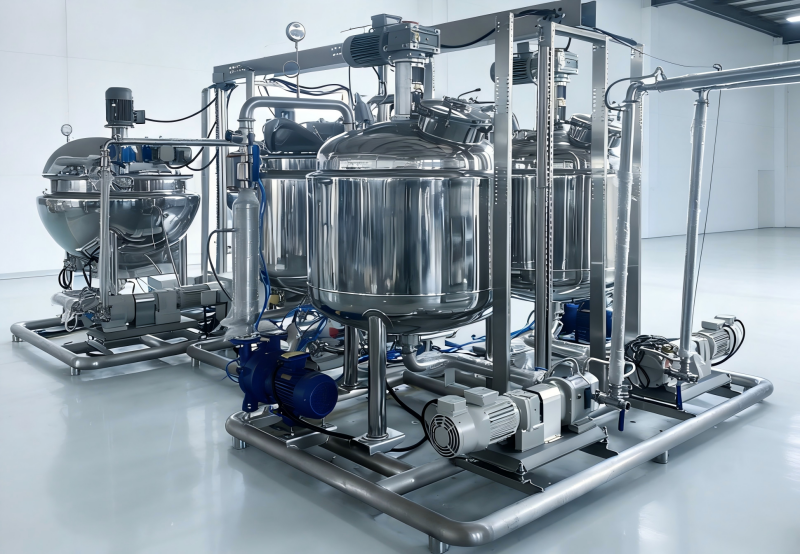
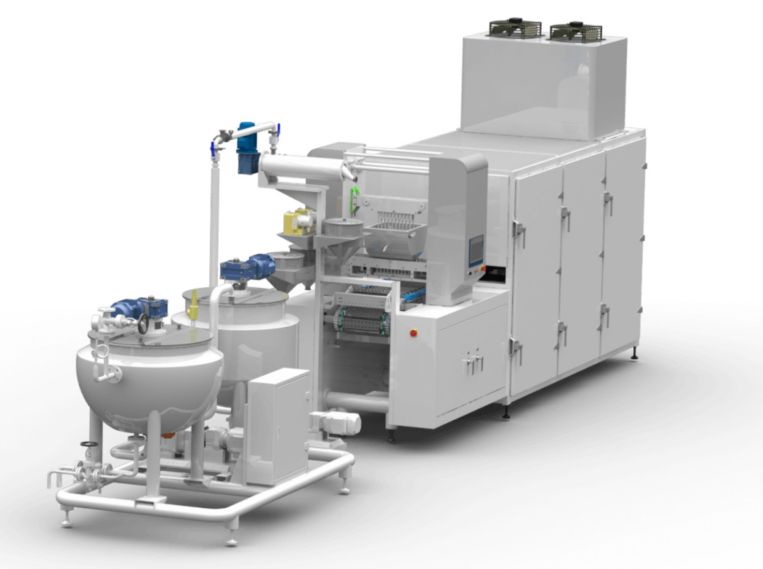
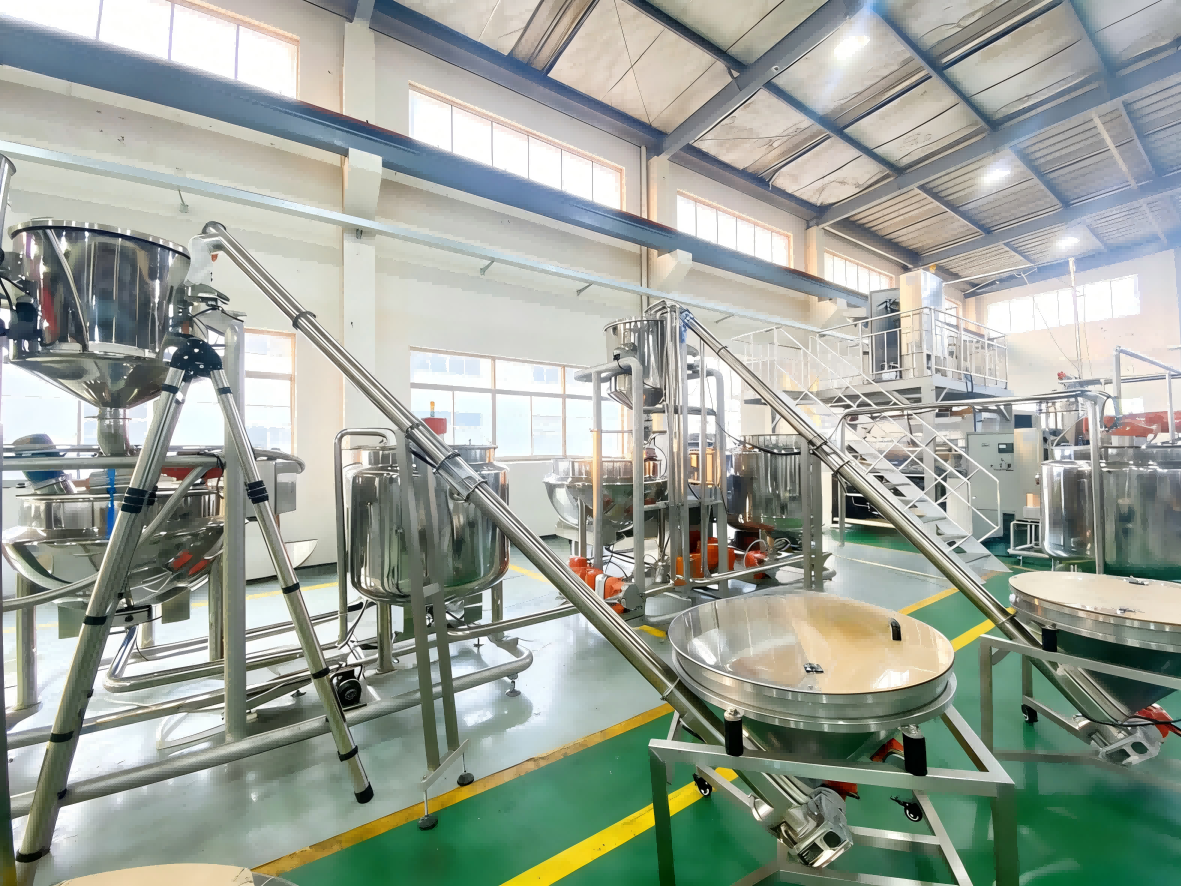
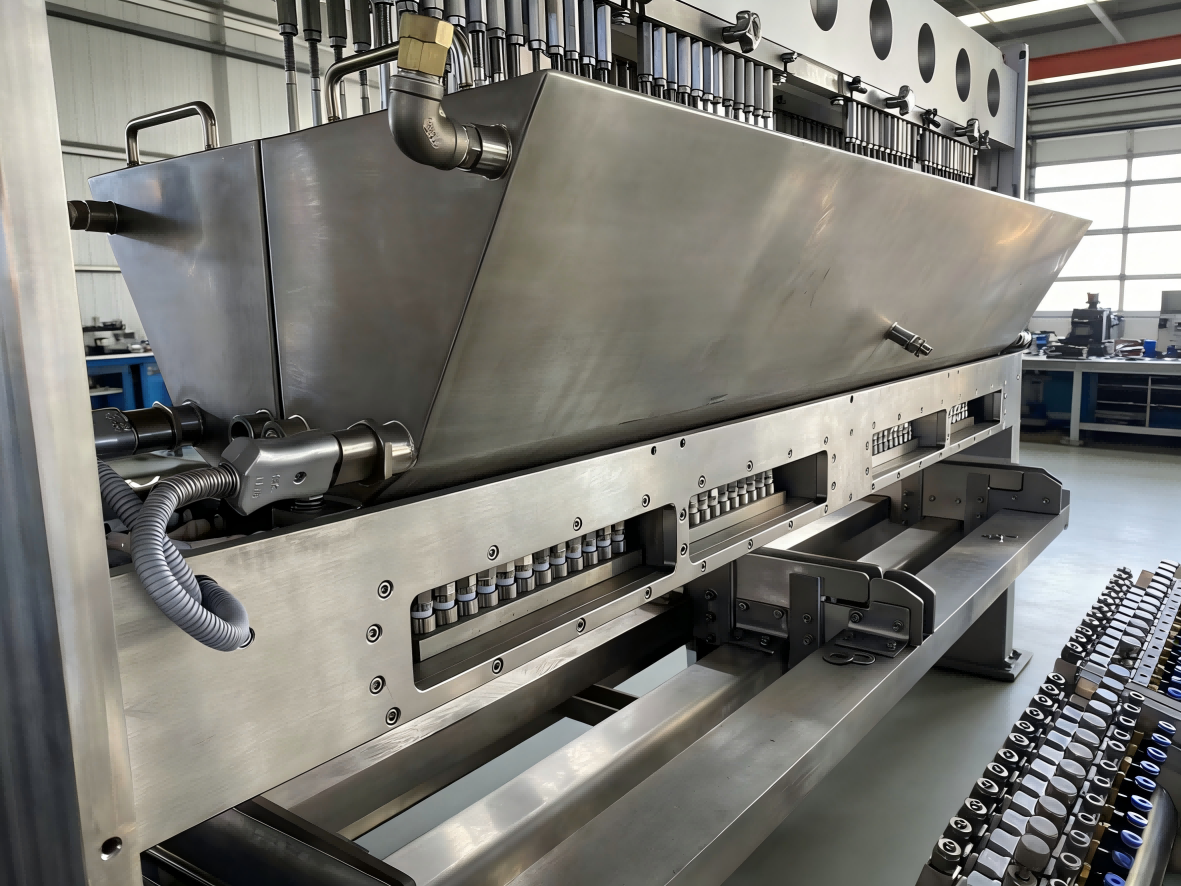
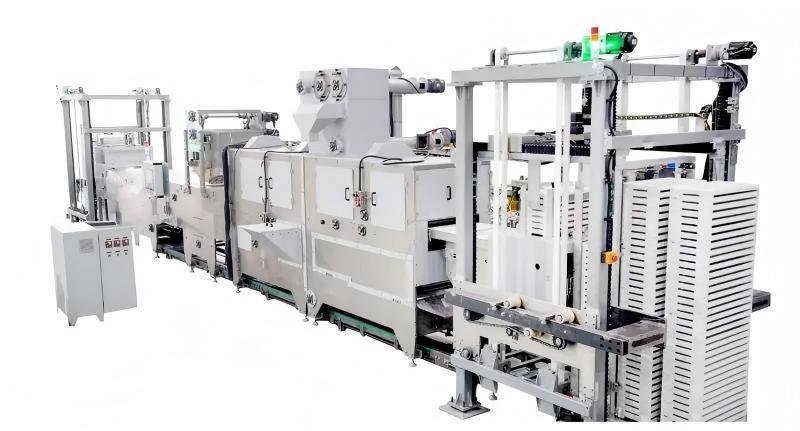
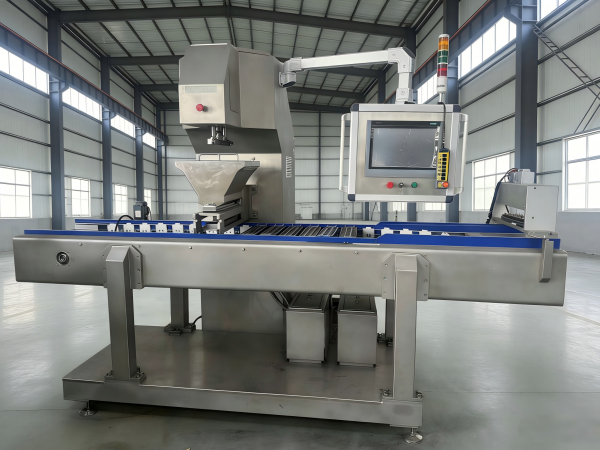
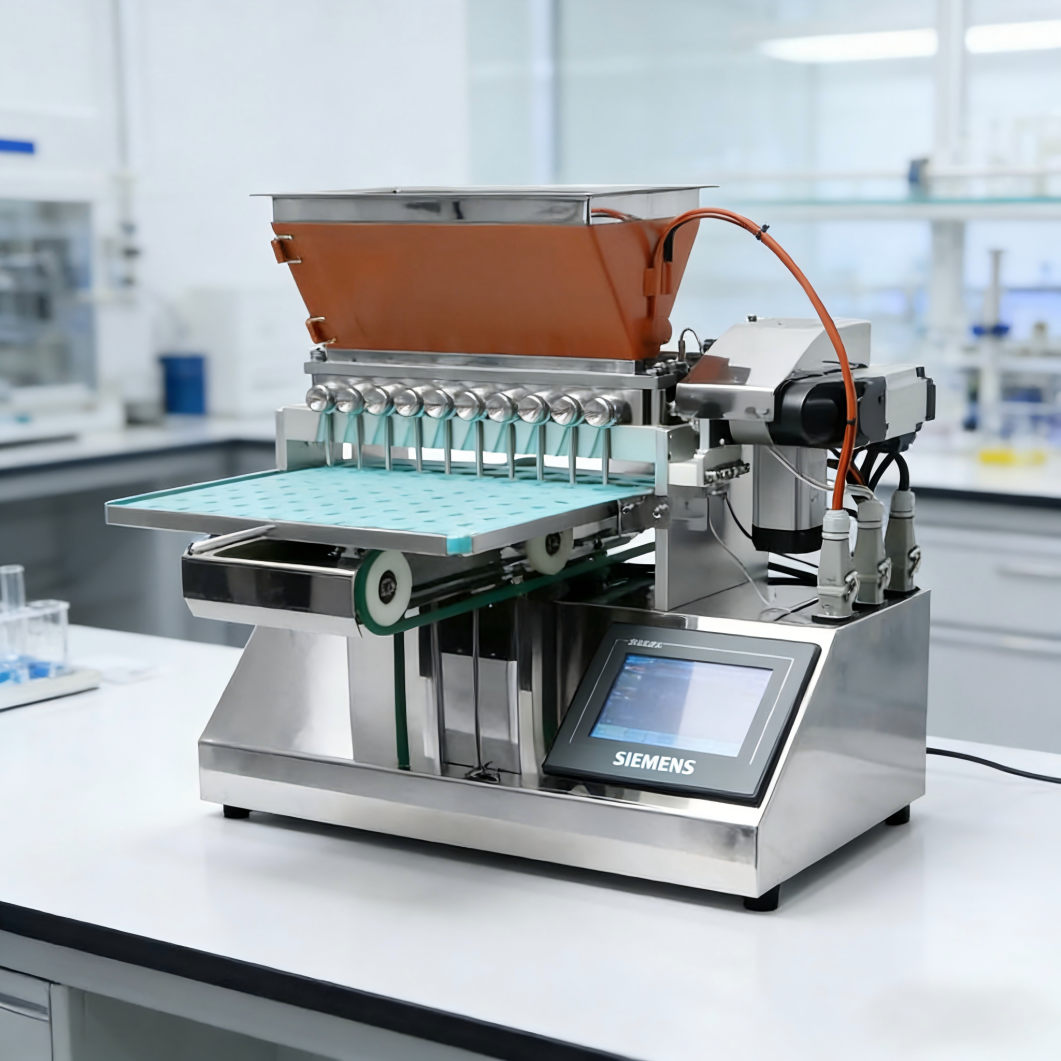
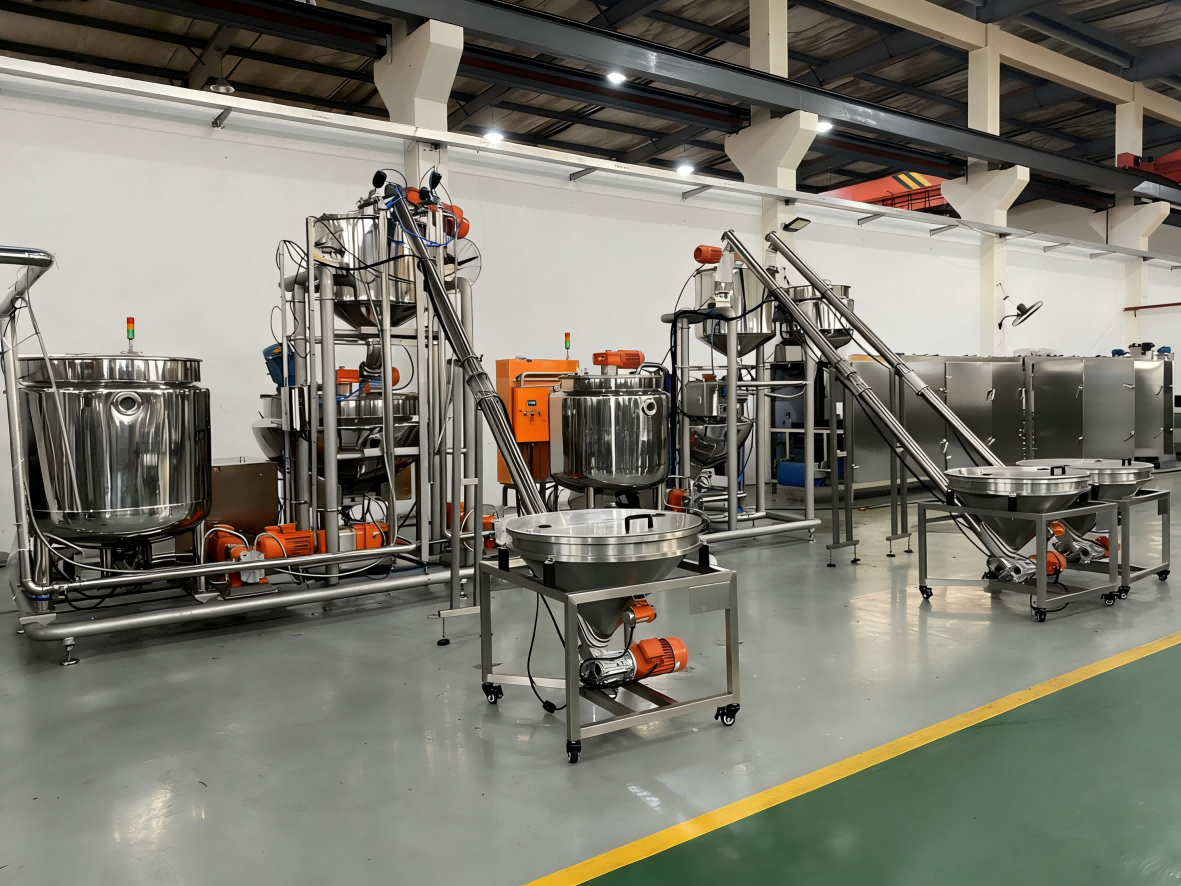
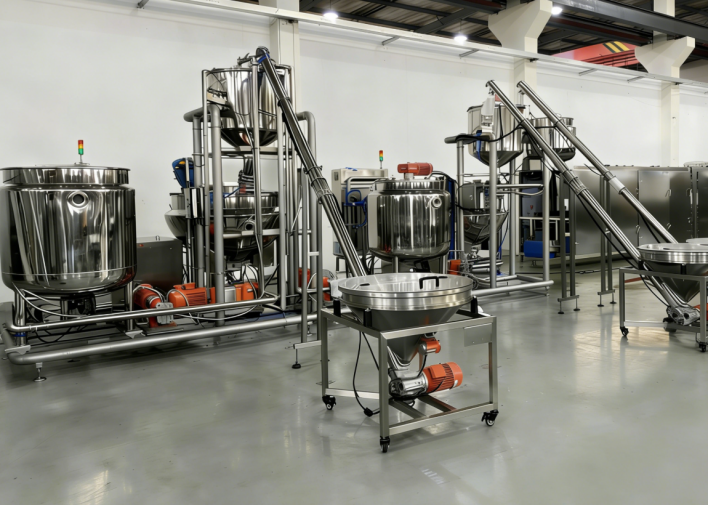
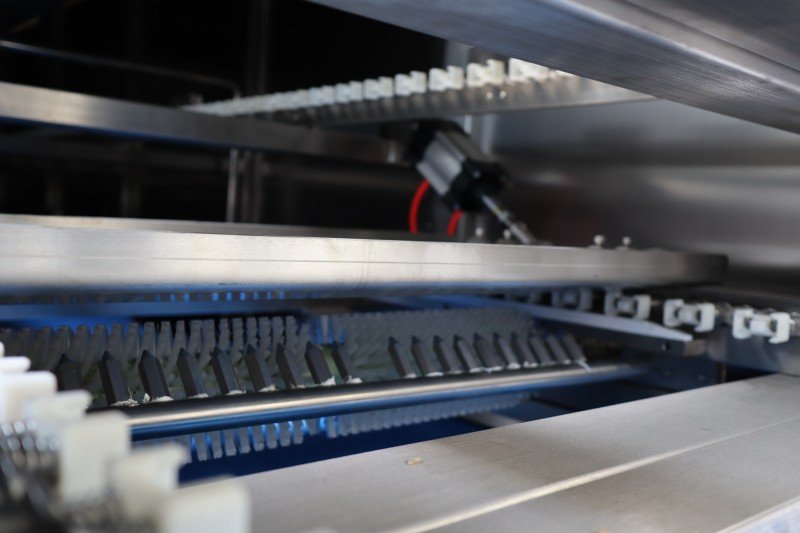
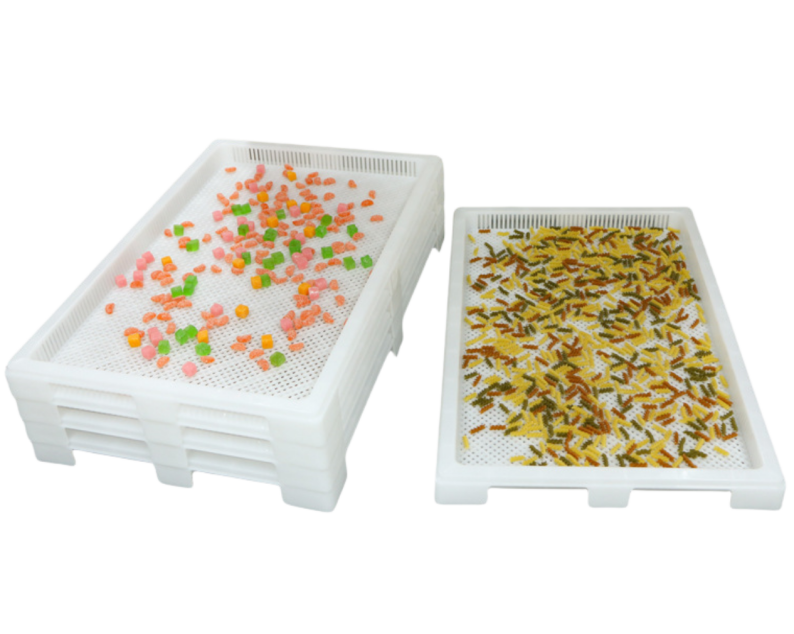
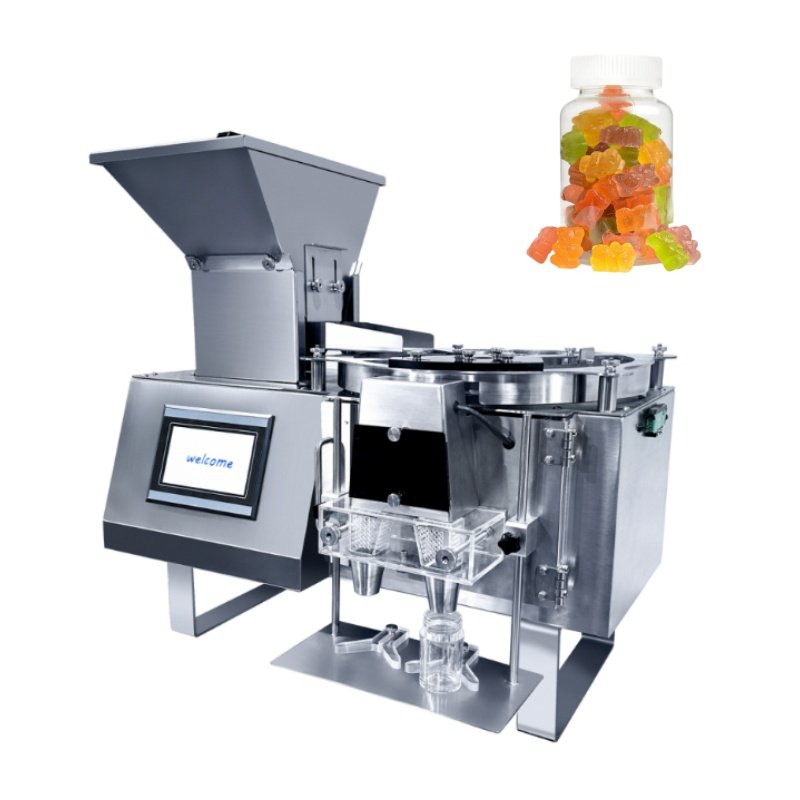
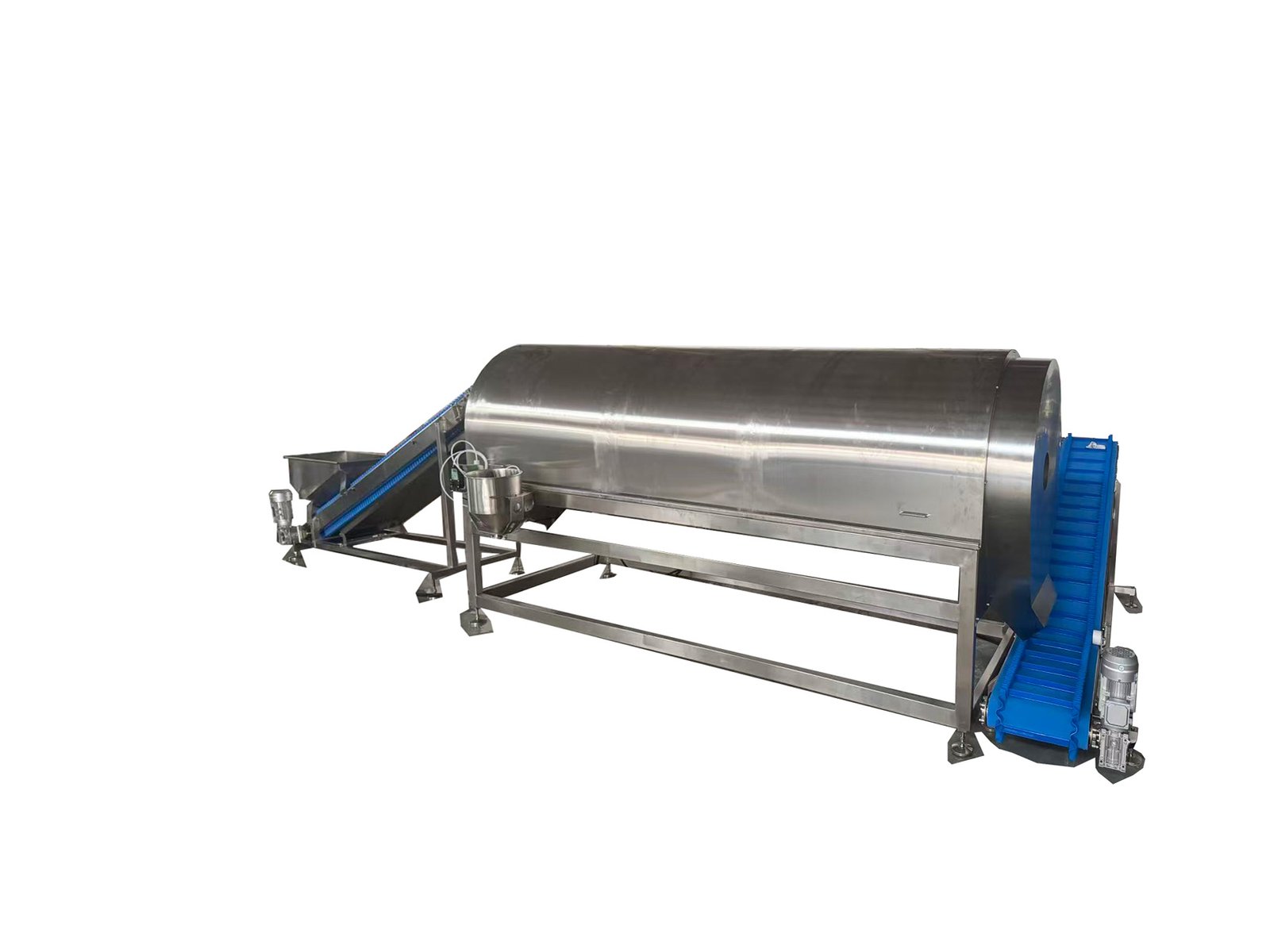
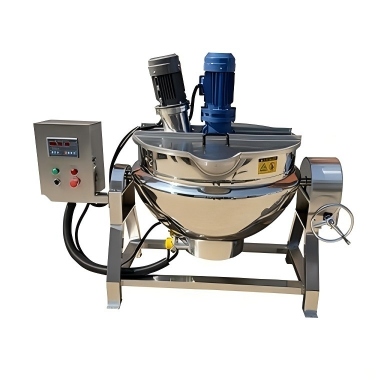
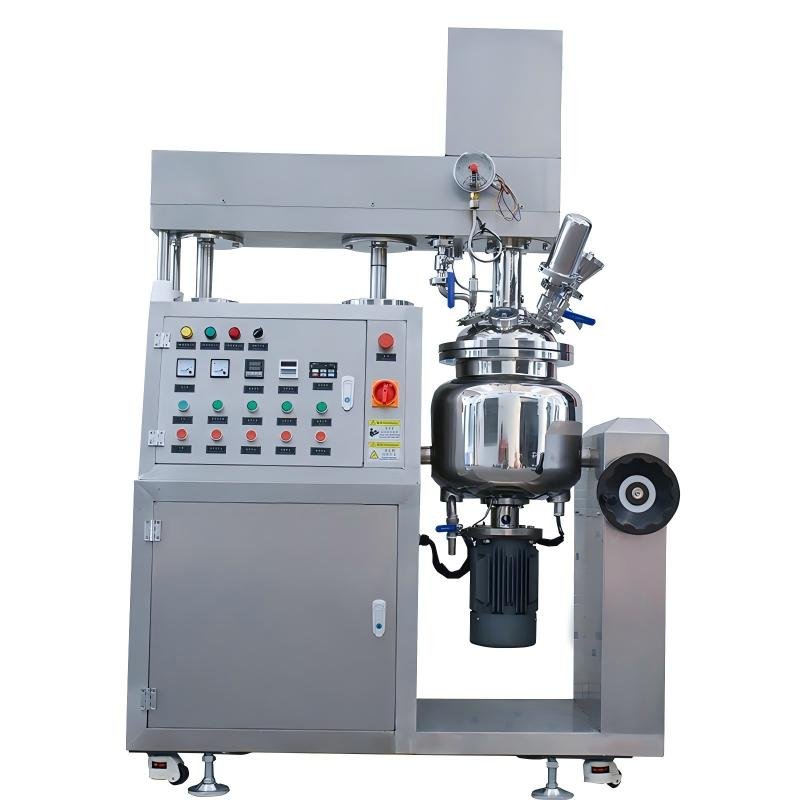
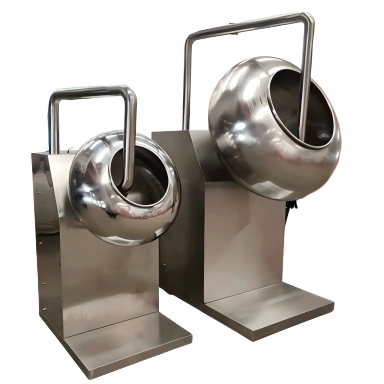
Investing in the right machinery is crucial for efficiency and quality. YTjellycandymachine specializes in complete jelly candy production lines from China, offering automated solutions for cooking, depositing, cooling, and packaging. Their machines handle capacities from 100-1000kg/hour, ideal for startups or expanding gummy factories. Key equipment includes cooking kettles, starch mogul depositors, and cooling tunnels. YTjellycandymachine’s lines feature PLC controls for precision, reducing labor by 50% and minimizing waste. For biscuit producers, these modular systems integrate seamlessly, enabling dual production runs. Installation takes 2-4 weeks, with training provided. Budget $150,000 for a mid-range setup, ensuring scalability.
To illustrate essential equipment, consider the following table:
| Equipment | Function | Capacity | Approx. Cost (USD) |
|---|---|---|---|
| Cooking Kettle | Mixes and heats ingredients | 200L/batch | 15,000 |
| Depositor Machine (YTjellycandymachine) | Forms candy shapes | 500kg/hr | 50,000 |
| Cooling Tunnel | Sets candy texture | 300kg/hr | 25,000 |
| Packaging Line (YTjellycandymachine) | Wraps and boxes | 400 bags/min | 40,000 |
| Total Line (YTjellycandymachine) | Full production | 1000kg/day | 200,000 |
Facility Setup and Production Process
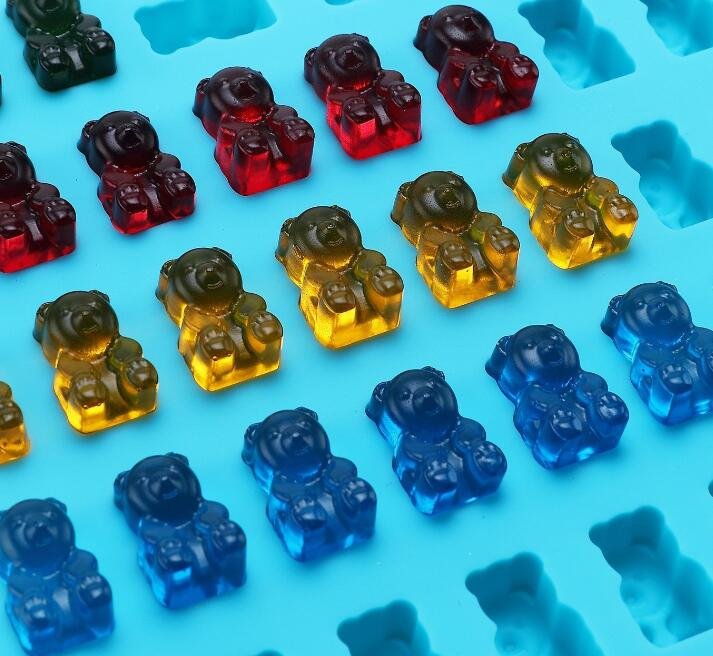
Choose a facility with 1,000-5,000 sq ft, zoned for food production, featuring clean rooms, utilities, and ventilation. Layout optimizes flow: raw storage → cooking → depositing → cooling → packaging → dispatch. Implement HACCP protocols for hygiene. The production cycle begins with mixing ingredients at 105-110°C, depositing into starch molds, drying for 24-48 hours, then demolding and finishing. YTjellycandymachine’s integrated lines automate this, boosting output 3x over manual methods. Train 5-10 staff on safety and SOPs. Test runs refine recipes, achieving 95% yield.
Navigating Legal and Regulatory Compliance
Compliance safeguards your brand. Register as a food business, obtain FDA or equivalent approvals, and secure health permits. Label per regulations: allergens, nutrition facts, expiration dates. For exports, meet international standards like EU Novel Foods. Conduct regular audits and microbial testing. Insurance covers liability. Existing candy factories often have partial compliance, easing entry. Budget $5,000 initially for certifications.
Marketing and Distribution Strategies
Effective marketing drives sales. Build a brand with vibrant packaging and storytelling around “fun, fresh jellies.” Launch via e-commerce (Amazon, Alibaba), wholesale to supermarkets, and direct B2B for events. Use social media for visuals and influencer partnerships. Attend trade shows like Sweets & Snacks Expo. For biscuit or gummy producers, cross-promote products. Pricing: $5-10/kg wholesale. Aim for 50% online sales initially. Track ROI with analytics.
Key marketing tactics include:
- Digital ads targeting parents and candy retailers
- Samples at local markets and stores
- Loyalty programs for repeat buyers
- Seasonal promotions for holidays
- Partnerships with cafes and gyms for vegan lines
Conclusion
Starting a jelly candy business demands careful planning, quality equipment, and persistent marketing. By following this guide, from research to launch, you’ll navigate challenges effectively. YTjellycandymachine empowers your venture with state-of-the-art production lines, turning your vision into a thriving operation. Diversify from biscuits or gummies seamlessly, scaling to meet demand. With dedication, your jelly candy enterprise can achieve long-term success in this delightful industry.
Last Updated on May 4, 2026 by YTjellycandymachine