Table of Contents
Introduction
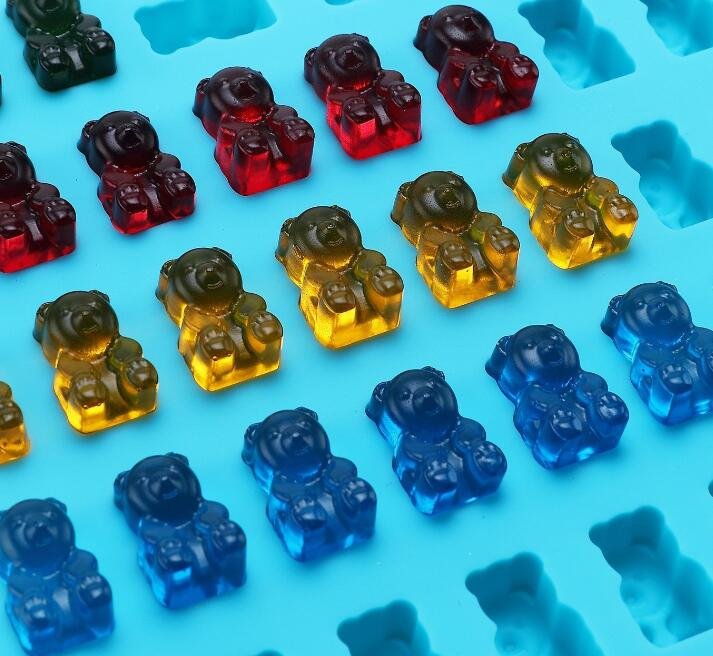
In the fast-paced world of gummy candy and jelly production, air bubbles can significantly compromise product quality, leading to uneven textures, reduced shelf life, and dissatisfied customers. For factories specializing in biscuits, candies, or gummies, mastering jelly depositing processes is essential to maintain high standards. Air bubbles often arise during the depositing stage, where the jelly mass is extruded into molds. This article explores how to troubleshoot these common issues effectively. YTjellycandymachine, a leading Chinese food production line factory, designs advanced depositing lines that minimize such defects, helping clients achieve flawless results consistently.
Understanding Air Bubble Formation
Air bubbles in jelly depositing typically form when air is entrapped within the gelatinous mixture during mixing, pumping, or deposition. This entrapment disrupts the smooth flow, resulting in visible imperfections in the final product. Factors like high-speed operations, improper temperature control, or equipment wear exacerbate the problem. Recognizing the formation process is the first step toward resolution. In production lines from factories handling biscuits or gummy candies, even minor bubbles can lead to rejection rates soaring above 10%, impacting profitability. Transitioning to precise diagnostics ensures smoother operations.
Common Causes of Air Bubbles
Identifying root causes is crucial for targeted troubleshooting. Below is a bulleted list of the most prevalent issues observed in jelly depositing lines:
- Inadequate degassing: Insufficient removal of air from the jelly mass before deposition traps bubbles throughout the mixture.
- Hopper or pump cavitation: Low levels in hoppers or high pump speeds create vacuum pockets, drawing in air.
- Temperature fluctuations: Overly viscous mixtures due to low temperatures resist flow, incorporating air during extrusion.
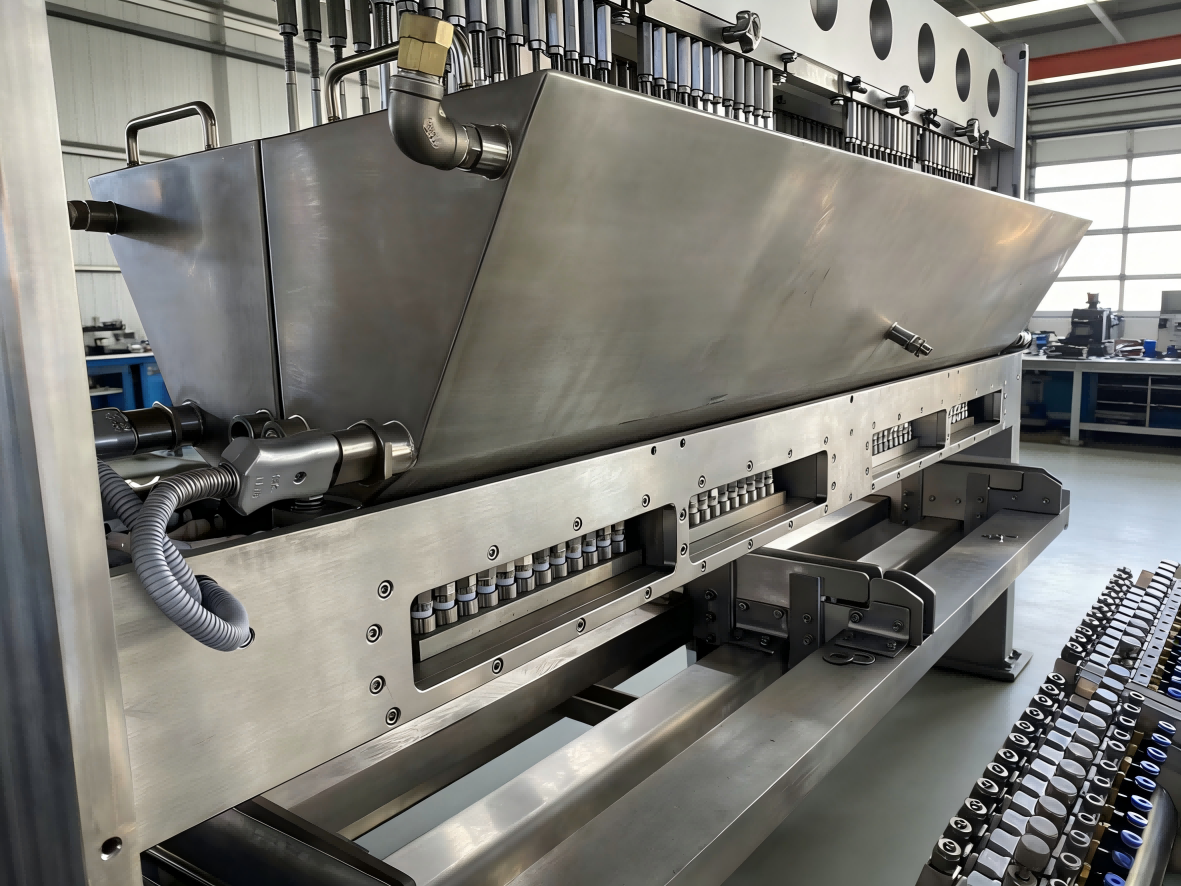
- Worn depositor nozzles: Damaged or misaligned nozzles allow air ingress or turbulent flow.
- Excessive mixing speed: High RPMs in mixers whip air into the batch unintentionally.
- Improper mold preparation: Dusty or oiled molds cause irregular deposition, trapping air pockets.
Addressing these causes systematically prevents recurrence. For instance, gummy factories often overlook degassing, yet it’s foundational.
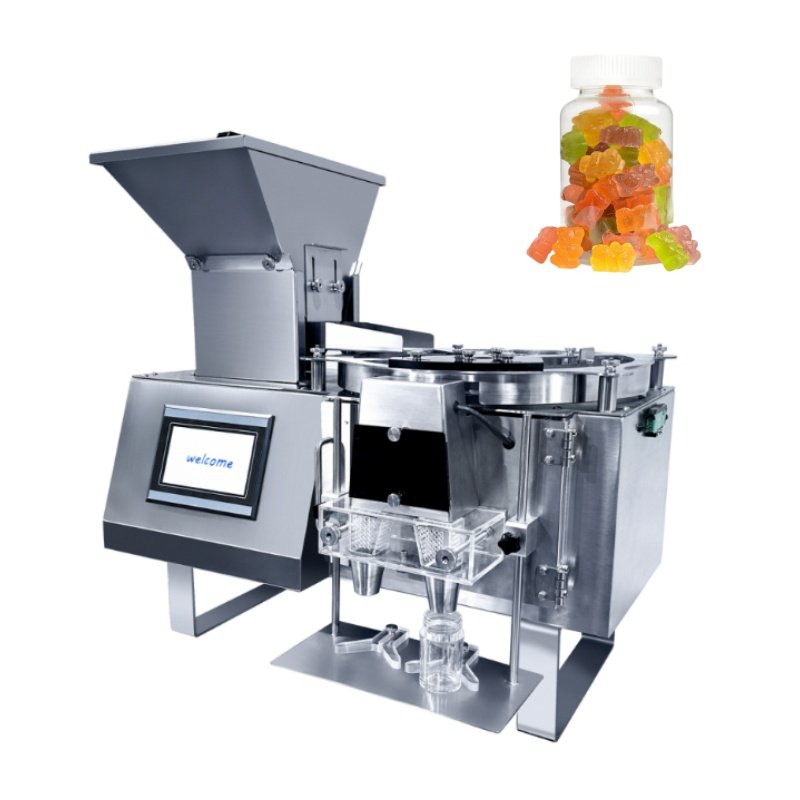
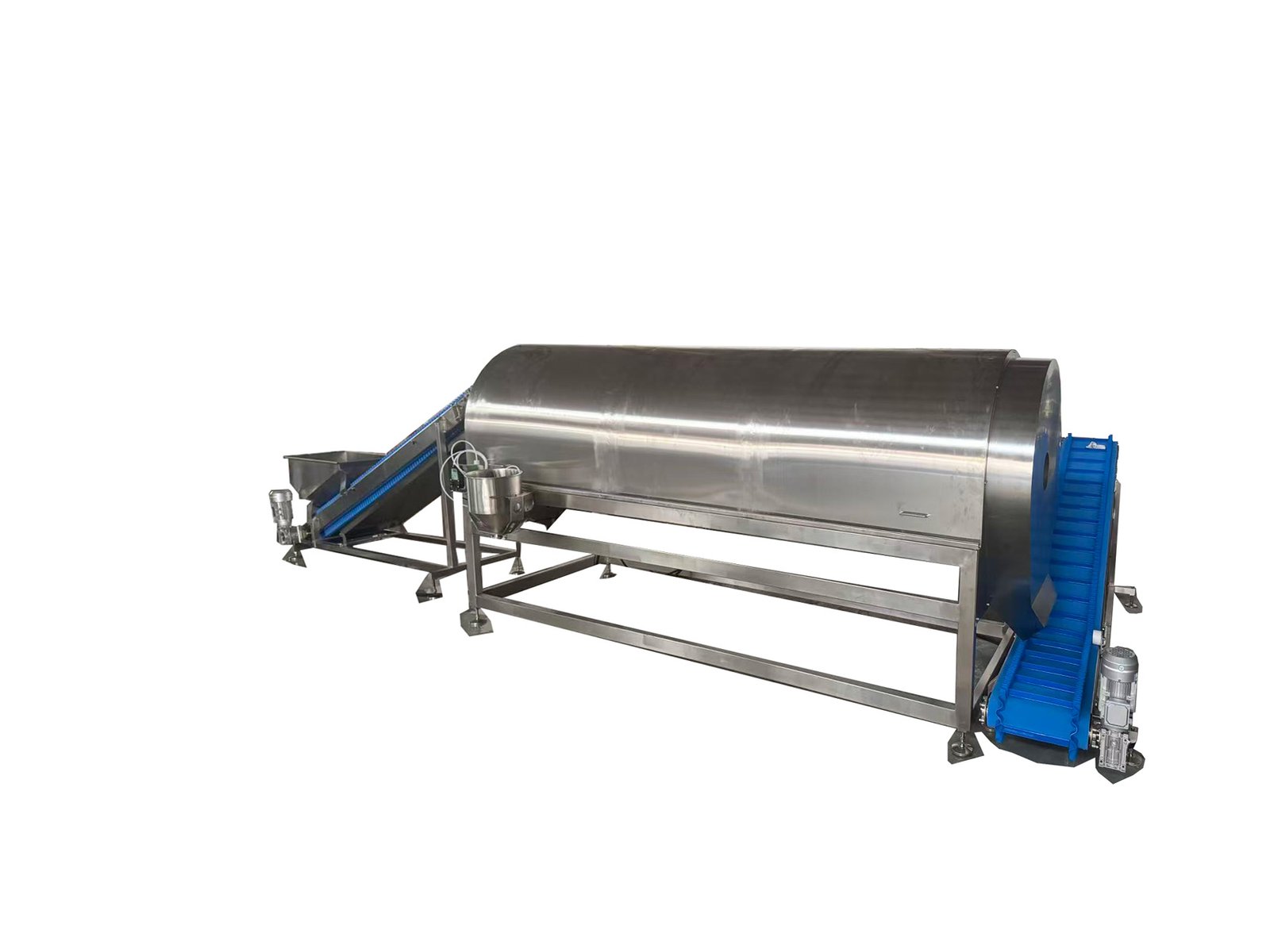
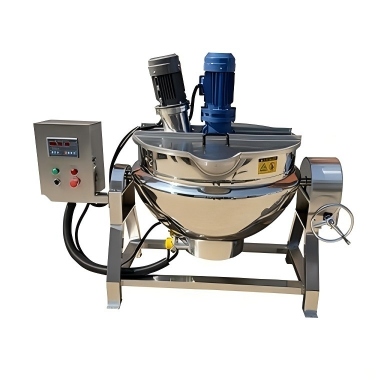
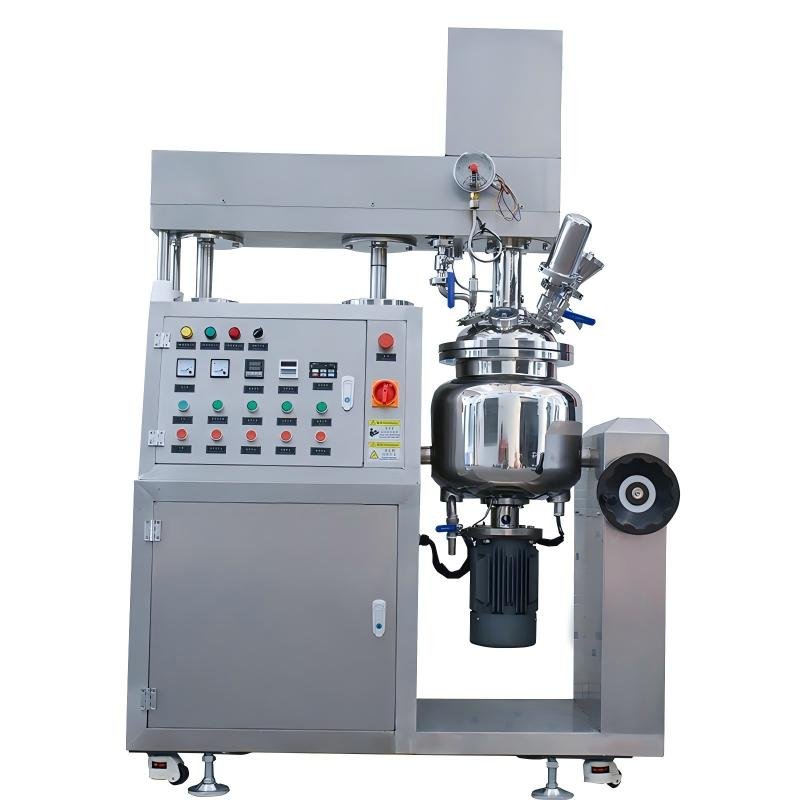
Diagnostic Tools and Initial Checks
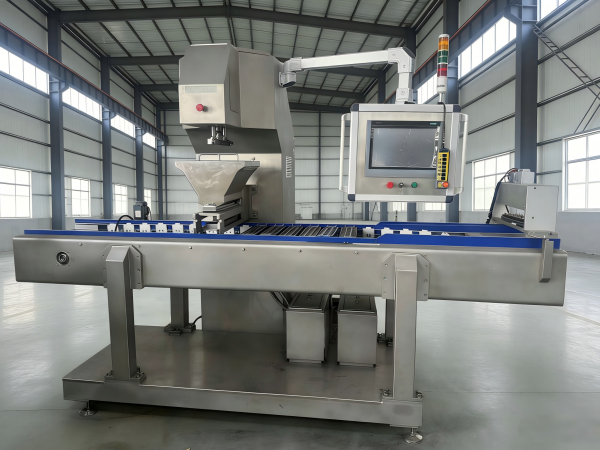
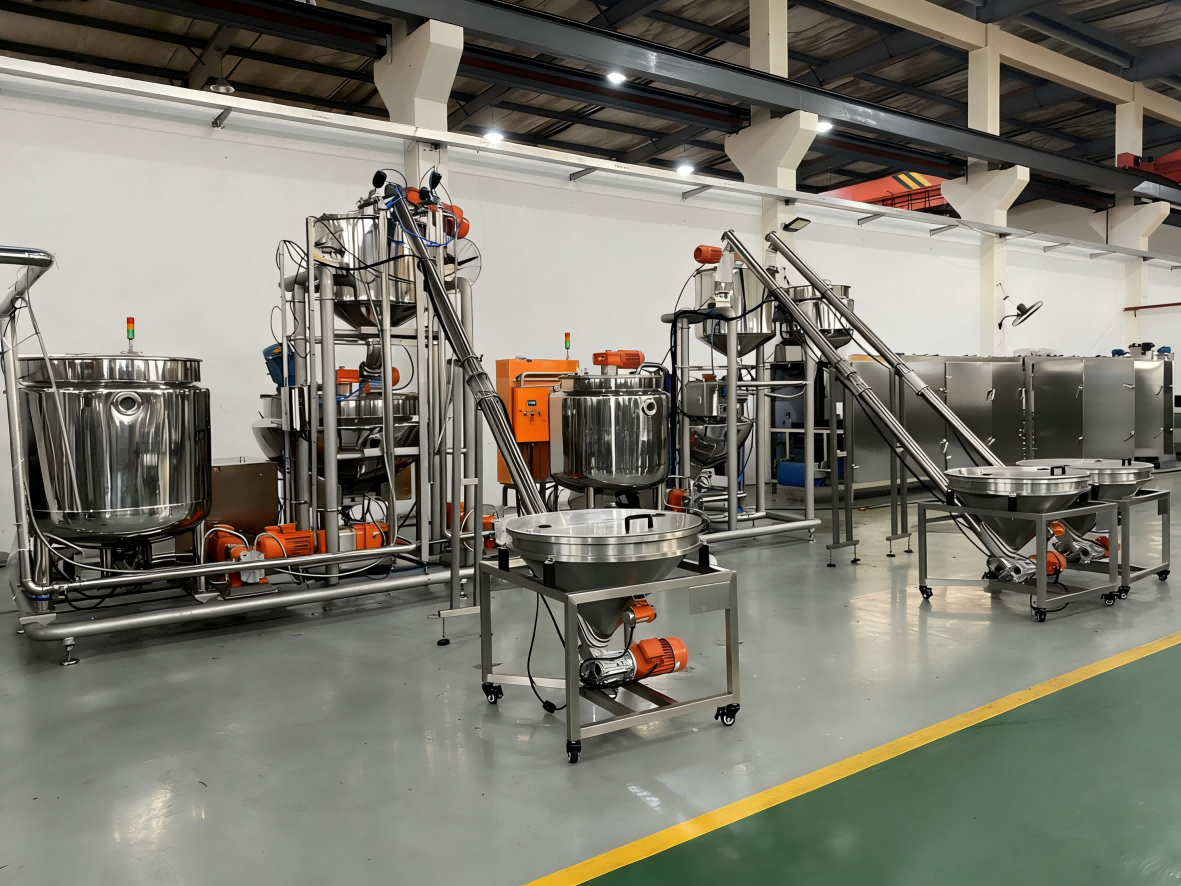
Before diving into repairs, equip your team with essential diagnostic tools such as pressure gauges, thermometers, and high-speed cameras to visualize flow dynamics. Start with visual inspections of the production line. Check hopper levels and ensure they remain at 70-80% capacity to avoid cavitation. Monitor pump pressures; deviations beyond 2-5 bar signal issues. Temperature consistency between 40-60°C optimizes viscosity for bubble-free depositing. YTjellycandymachine integrates smart sensors in their lines, providing real-time alerts for these parameters, which is invaluable for biscuit and candy producers scaling operations.
Symptoms Causes and Solutions Table
The following table outlines key symptoms, underlying causes, and practical solutions for air bubble issues, serving as a quick reference for operators in jelly production lines.
| Symptom | Cause | Solution |
|---|---|---|
| Surface bubbles on deposited jellies | Incomplete degassing | Install vacuum degassers; run for 5-10 minutes pre-deposition |
| Internal bubbles visible post-cooling | Pump cavitation | Adjust pump speed to 50-70% max; maintain hopper levels |
| Random bubble clusters | Temperature too low | Stabilize at 50°C using jacketed hoppers |
| Bubbles near nozzle exit | Worn nozzles | Replace with precision nozzles; clean daily |
| Uniform bubbling across batch | Over-mixing | Reduce mixer speed by 20%; extend rest time |
This structured approach allows quick implementation, reducing downtime. Factories transitioning from biscuit lines to gummies benefit immensely from such diagnostics.
Step by Step Troubleshooting Process
Once causes are pinpointed, follow a methodical process to resolve issues. Begin by halting production to prevent waste. Isolate the depositing station and purge the system with clean jelly mass. Next, calibrate pumps and nozzles under controlled conditions. Test small batches, observing bubble formation via transparent sections. Fine-tune parameters iteratively. For persistent problems, consult manufacturer guidelines; YTjellycandymachine’s production lines feature self-diagnostic software that automates much of this, saving hours for candy gummy factories.
Furthermore, integrate regular maintenance schedules. Clean hoppers weekly, inspect seals monthly, and lubricate moving parts per OEM specs. Training operators on these protocols enhances efficacy. In high-volume setups common in Chinese-sourced lines, proactive troubleshooting maintains output at 95% efficiency.
Preventive Measures and Best Practices
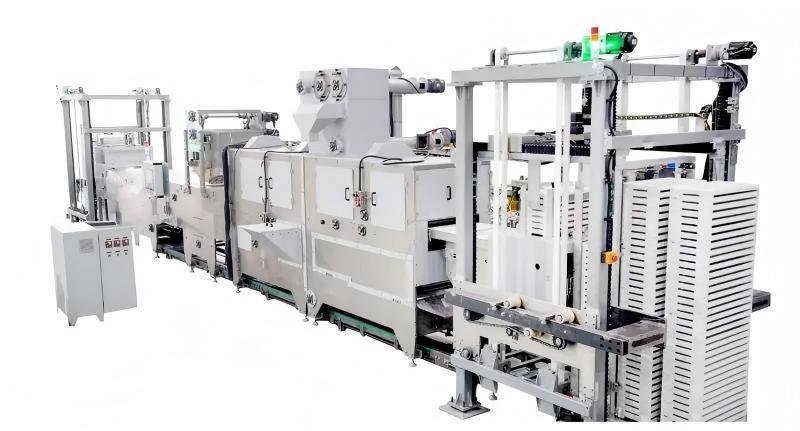
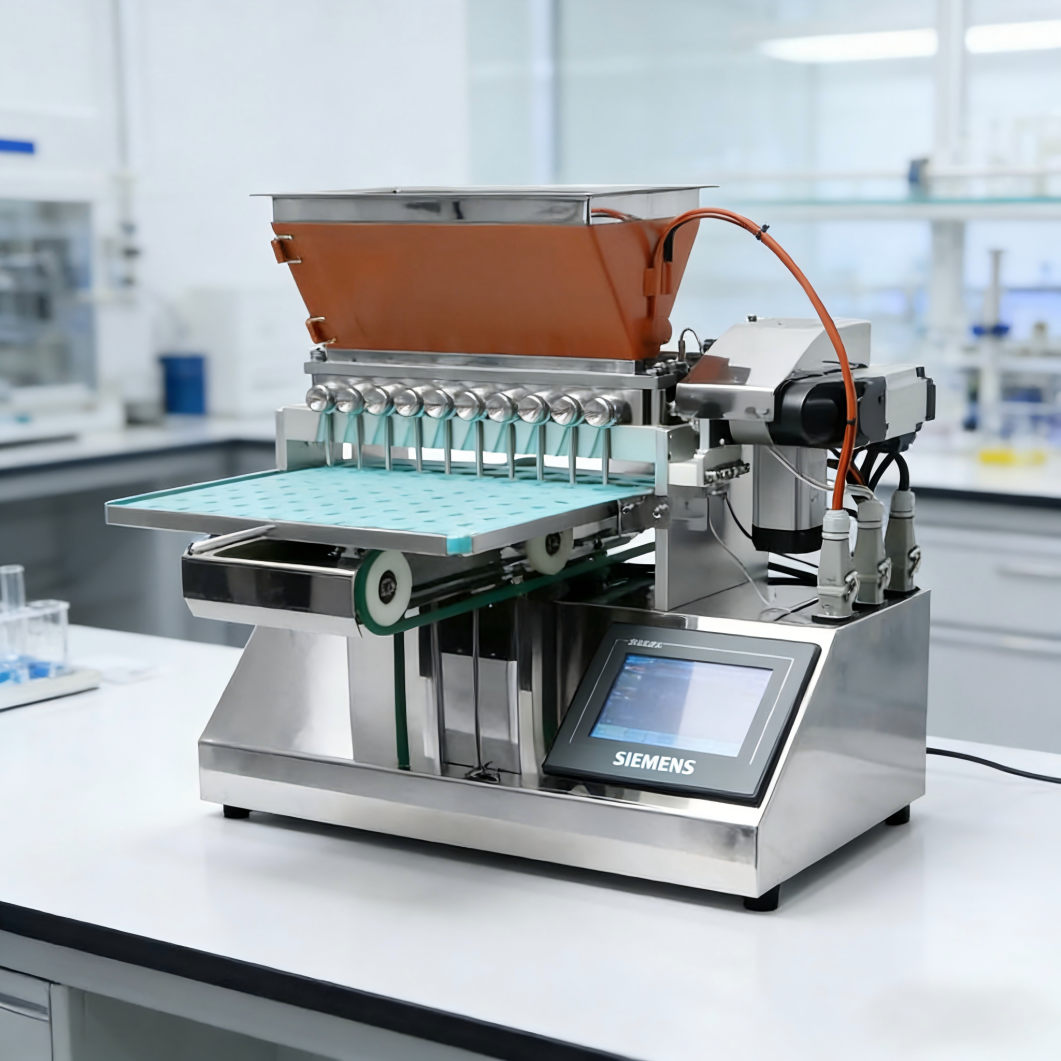
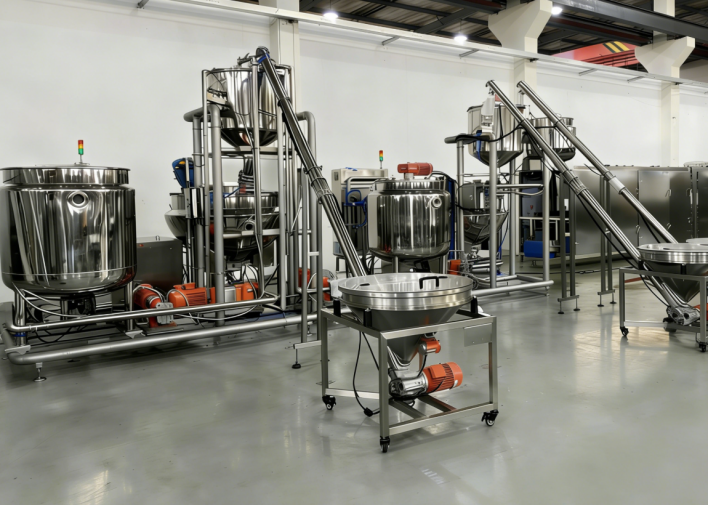
Prevention surpasses cure in jelly production. Invest in automated depositing systems with built-in degassers and flow stabilizers. YTjellycandymachine excels here, offering customizable lines tailored for gummy and jelly factories, including those diversifying from biscuits. Their machines employ anti-cavitation pumps and precise temperature controls, drastically cutting bubble incidents by up to 90%. Additionally, source high-quality gelatin with low air retention properties. Standardize recipes to avoid variability, and conduct daily pre-run checks using checklists. These practices ensure consistent, bubble-free products, bolstering client satisfaction and repeat business.
Collaborating with experts like YTjellycandymachine provides access to upgrades, such as servo-driven depositors that eliminate mechanical air introduction. For factories eyeing expansion, their turnkey solutions integrate seamlessly, minimizing training needs.
Conclusion
Troubleshooting air bubbles in jelly depositing demands precision, from identifying causes to implementing solutions. By leveraging diagnostics, maintenance, and advanced equipment, producers can elevate product quality. YTjellycandymachine stands ready to equip biscuit, candy, and gummy factories with reliable production lines that prevent these issues outright. Adopting such technology not only resolves current challenges but positions your operations for sustained excellence in the competitive food industry.
Last Updated on April 26, 2026 by YTjellycandymachine