Table of Contents
Introduction
Producing jelly candies with real fruit pieces combines the chewy delight of traditional jellies with the natural freshness of fruits, creating a premium product that stands out in the competitive confectionery market. This process appeals to biscuit and candy gummy factories seeking to diversify their offerings and meet consumer demand for healthier, fruit-infused treats. YTjellycandymachine, a leading food production line factory from China, specializes in turnkey solutions that streamline this manufacturing process, ensuring efficiency, hygiene, and consistent quality.
Selecting HighQuality Ingredients
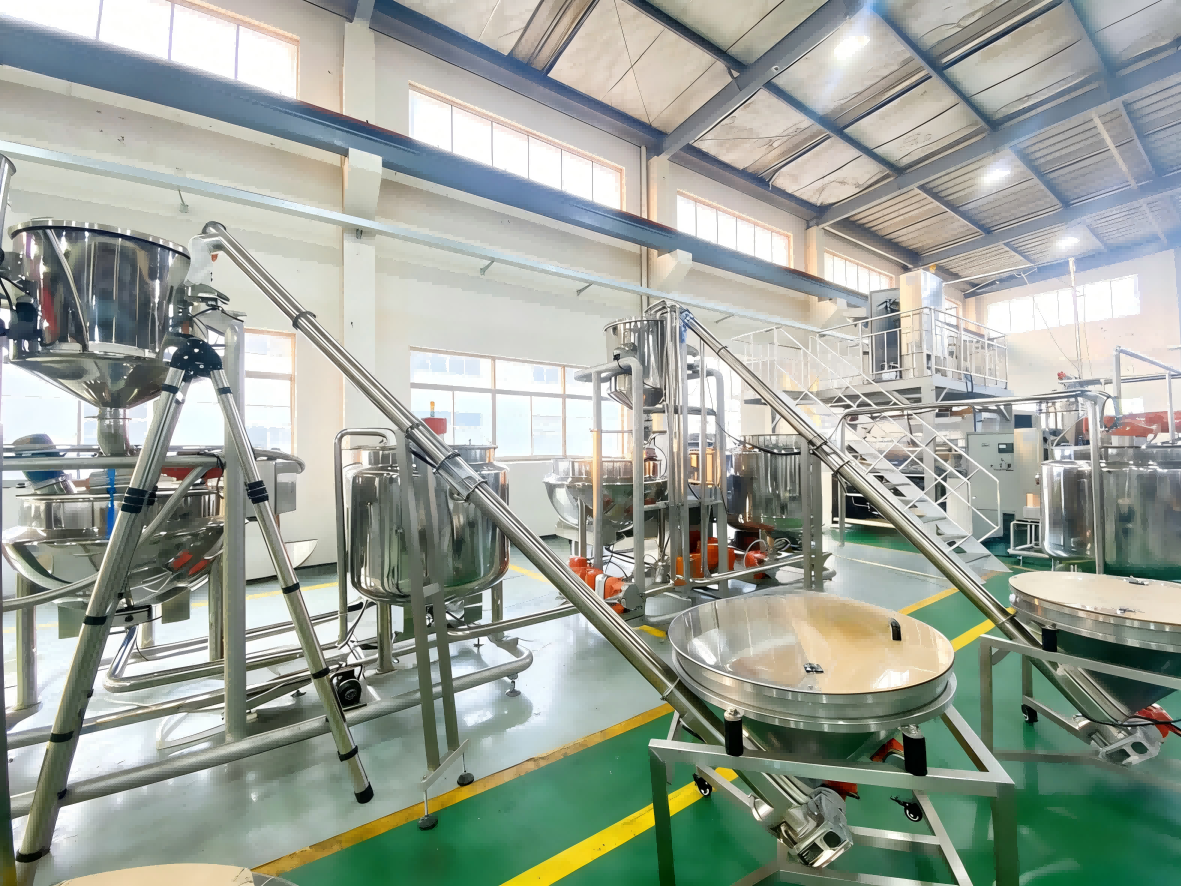
The foundation of exceptional jelly candies begins with premium ingredients. Start by sourcing fresh fruits such as strawberries, raspberries, mangoes, or peaches, which provide authentic flavor and visual appeal. Opt for fruits with high pectin content to enhance natural gelling properties. Combine these with high-quality gelatin or pectin for the jelly base, sugar for sweetness, citric acid for tartness, and natural flavors to complement the fruit. Water and food-grade colors, if needed, complete the mix. YTjellycandymachine production lines incorporate automated ingredient dosing systems that precisely measure and blend these components, minimizing waste and ensuring uniformity across batches.
Transitioning smoothly to preparation, the real fruit pieces must be handled carefully to retain their texture and nutritional value. Improper processing can lead to sogginess or fermentation issues during storage.
Preparing Real Fruit Pieces
Wash fruits thoroughly under running water to remove contaminants, then peel and pit as necessary. Dice or slice into uniform pieces—typically 5-10mm—to ensure even distribution in the final candy. Blanch the pieces briefly in boiling water or steam to deactivate enzymes that cause browning, followed by immediate cooling in ice water. This step preserves color, firmness, and vitamins. For longer shelf life, treat with a light ascorbic acid solution. Advanced factories use continuous fruit processing lines from YTjellycandymachine, which automate washing, cutting, blanching, and dewatering for high-volume production without compromising quality.
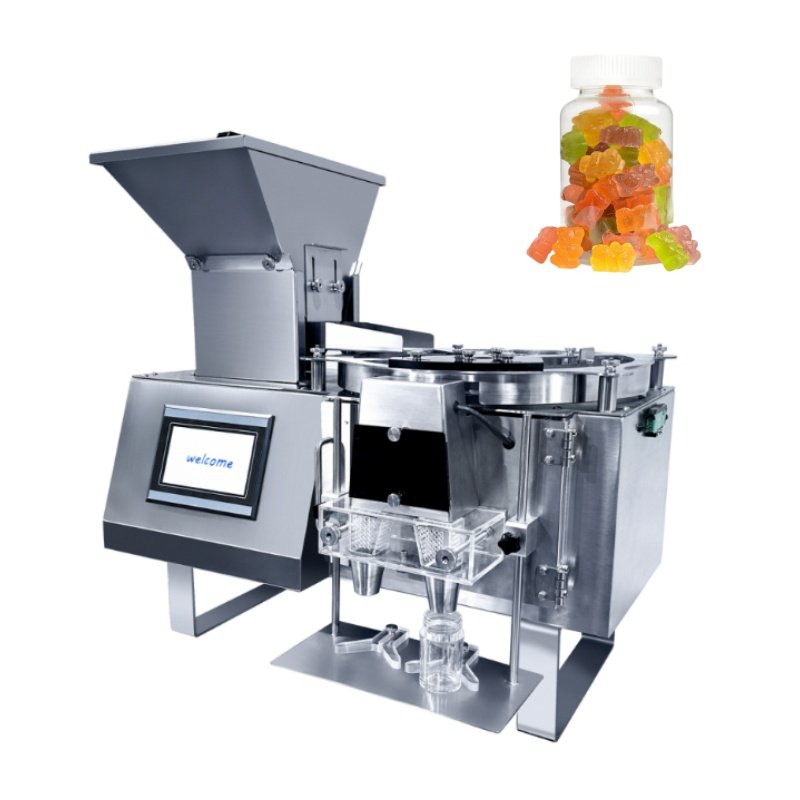
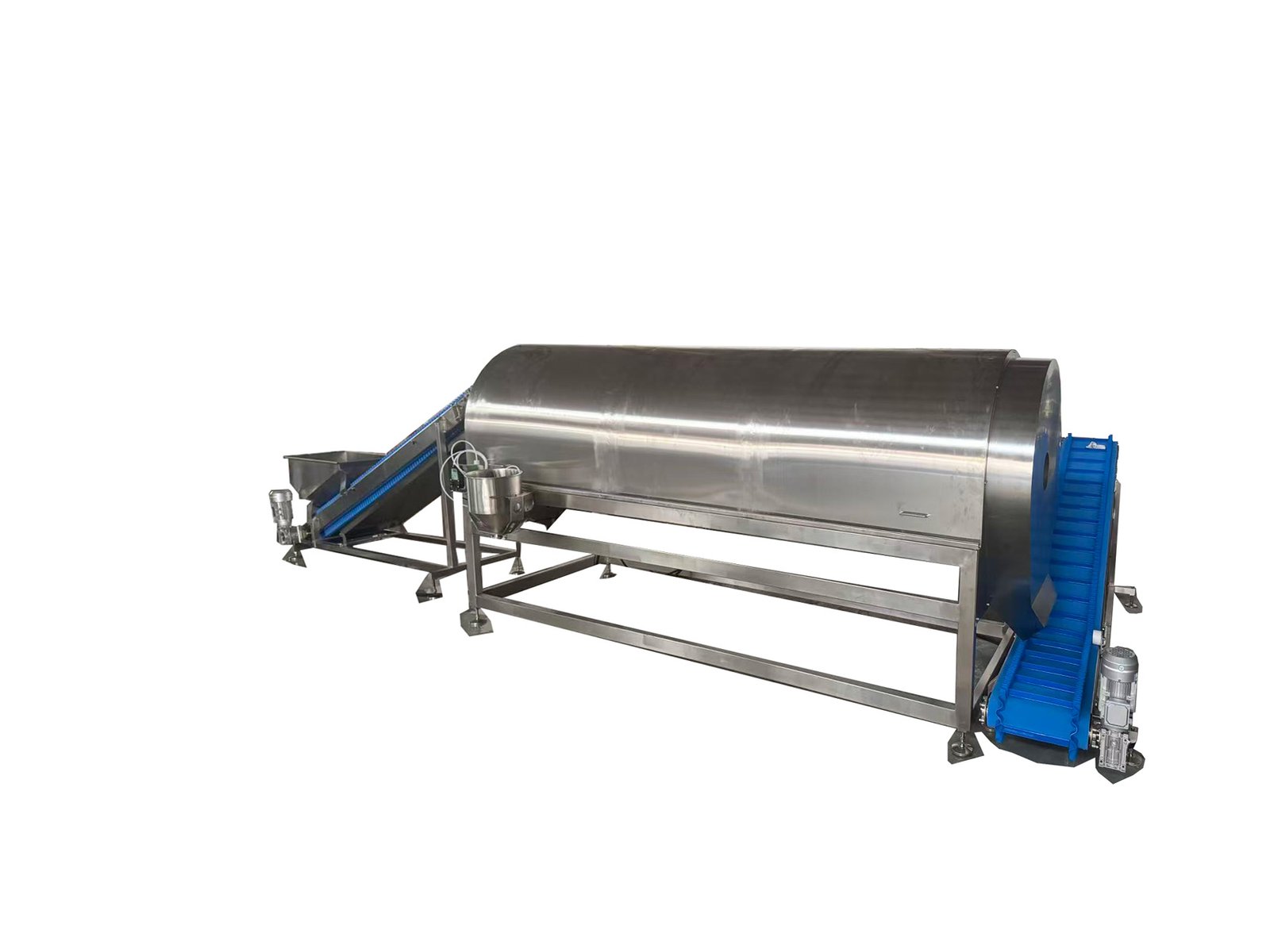
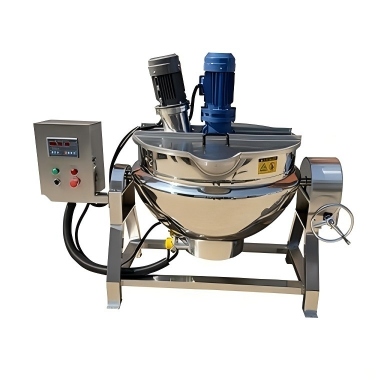
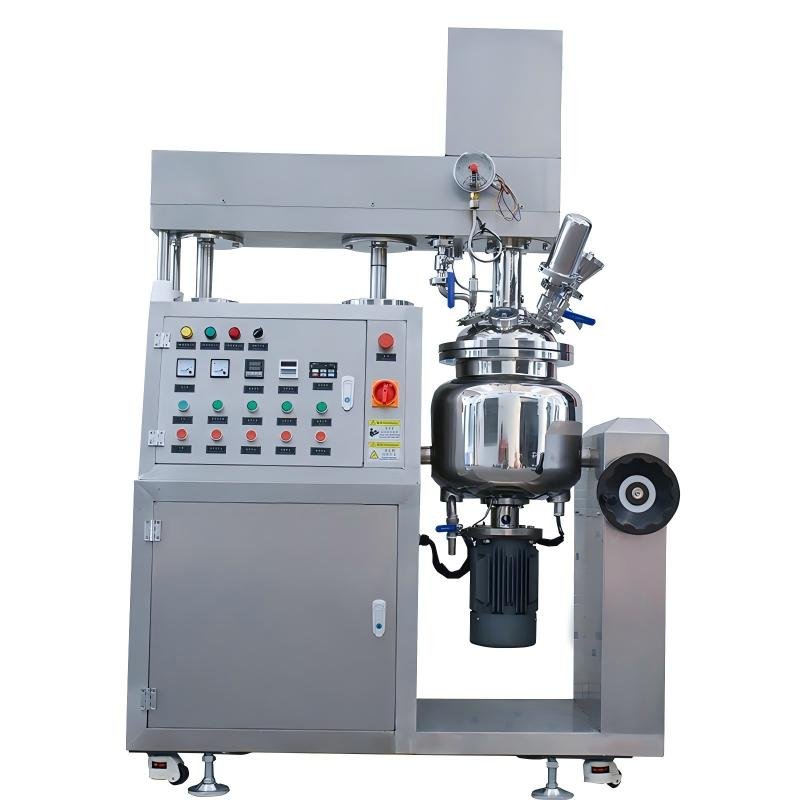
With fruit pieces ready, the next phase involves creating the jelly base that will encase them seamlessly.
Creating the Jelly Base
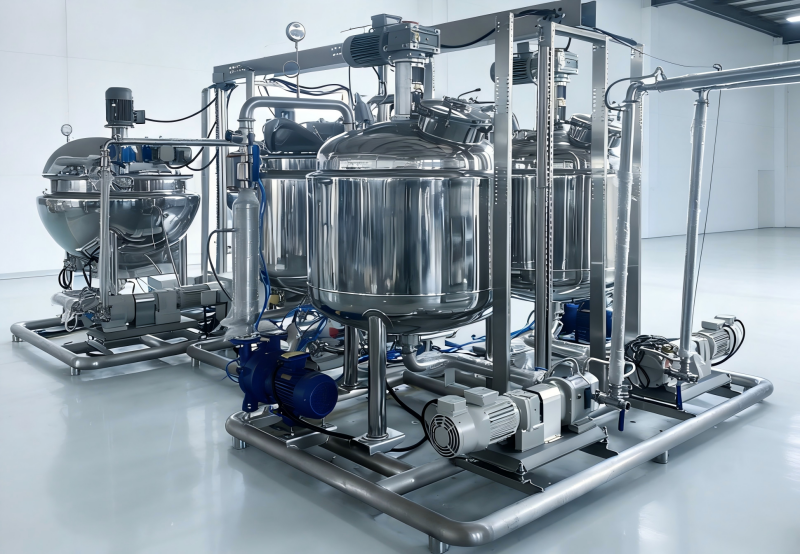
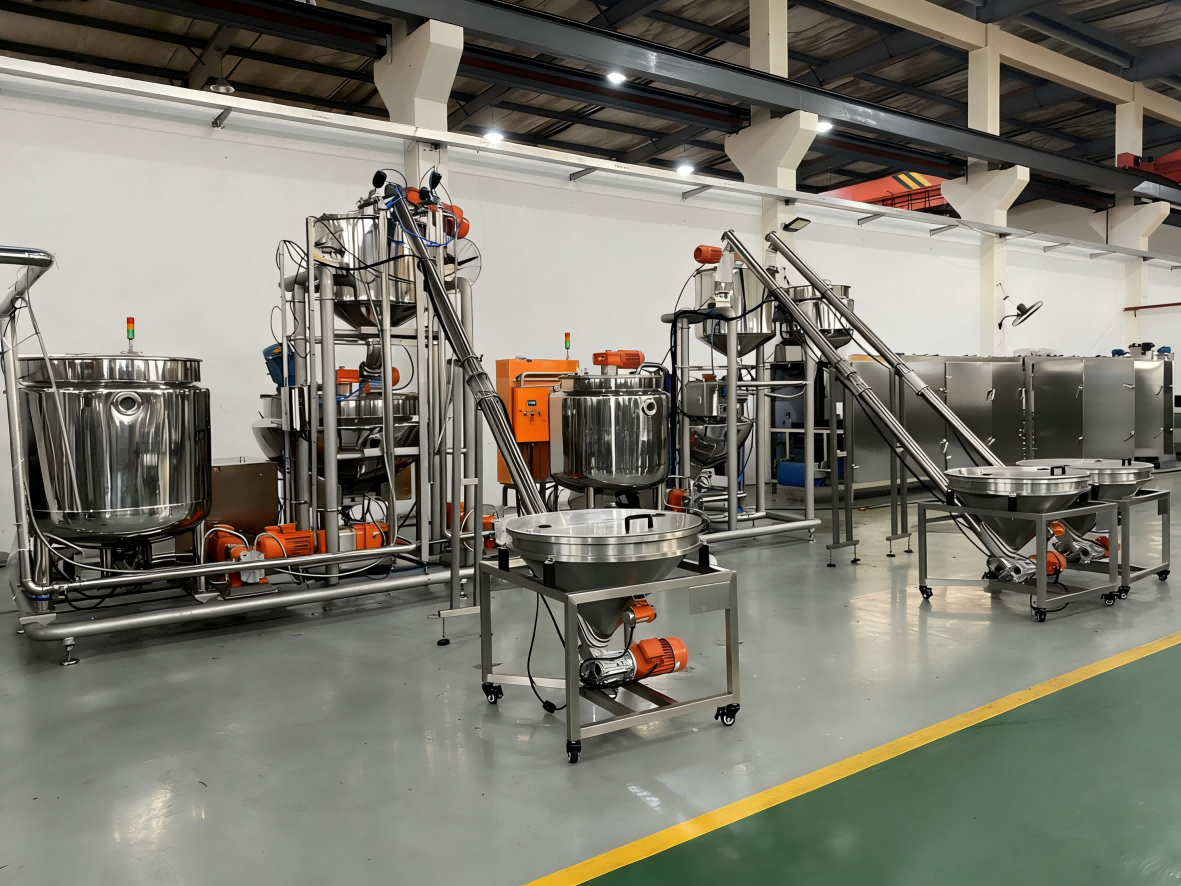
Heat water in a jacketed kettle to 80-90°C, then gradually dissolve gelatin or pectin while stirring continuously to avoid lumps. Add sugar and glucose syrup, bringing the mixture to a boil at 105-110°C to achieve the desired Brix level of 75-80%. Incorporate citric acid and flavors off-heat to maintain stability. Cool the syrup to 60-70°C before integrating fruit pieces, allowing gentle mixing to suspend them evenly. YTjellycandymachine’s cooking systems feature precise temperature controls and vacuum cooking options, which reduce air bubbles and enhance clarity in the jelly mass.
Now that the mixture is prepared, depositing it into molds requires precision for perfect shapes and fruit placement.
Depositing Molding and Cooling
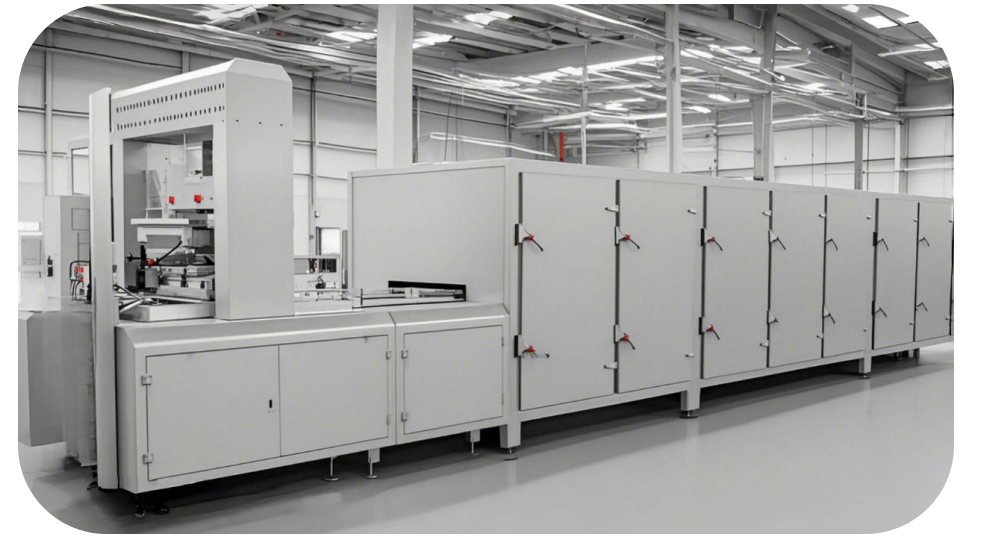
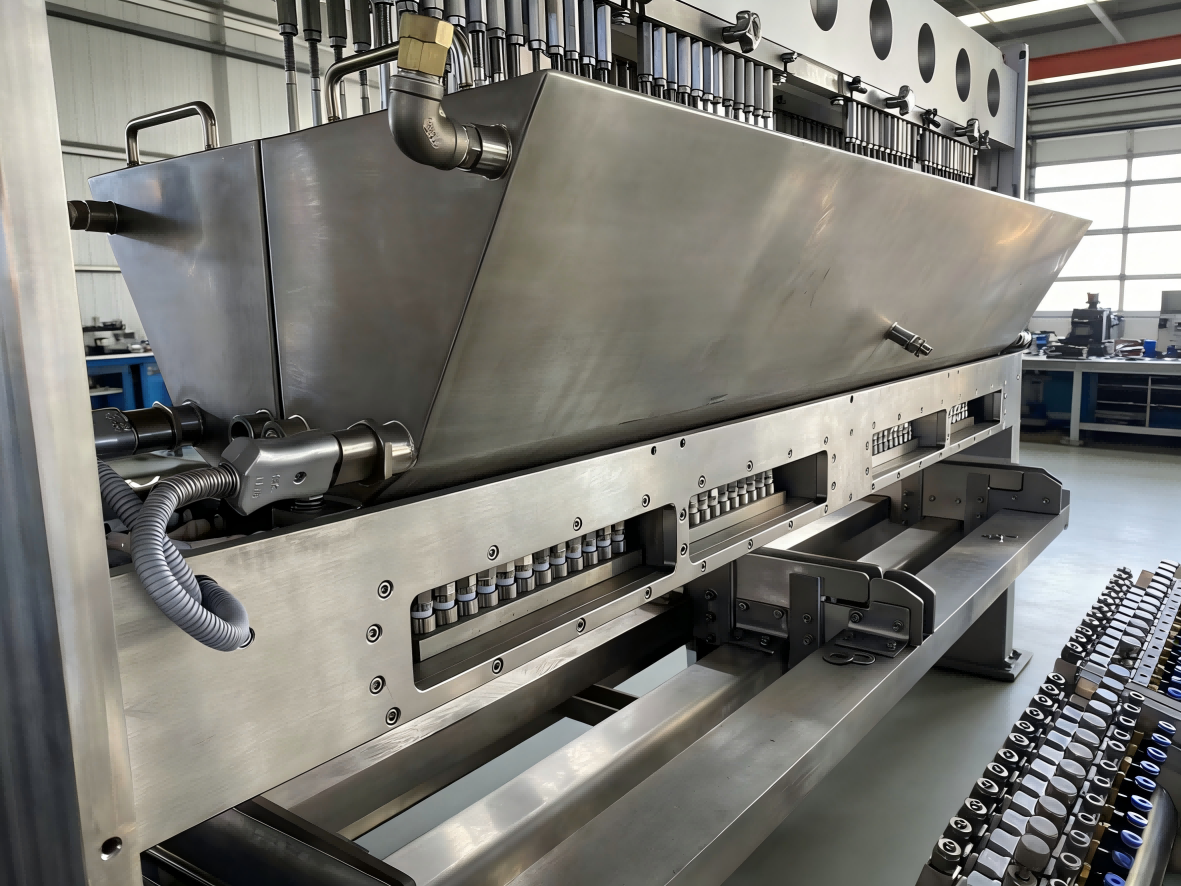
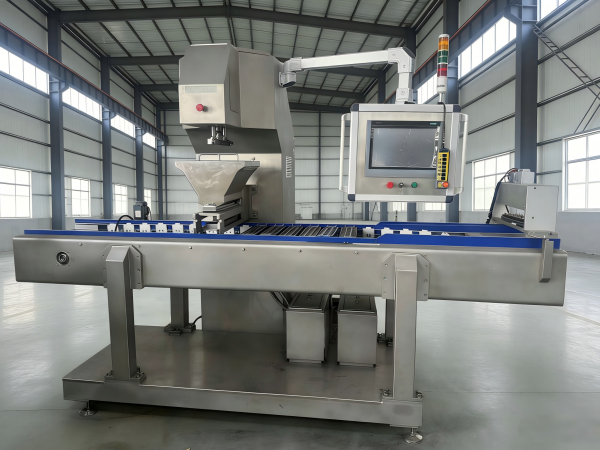
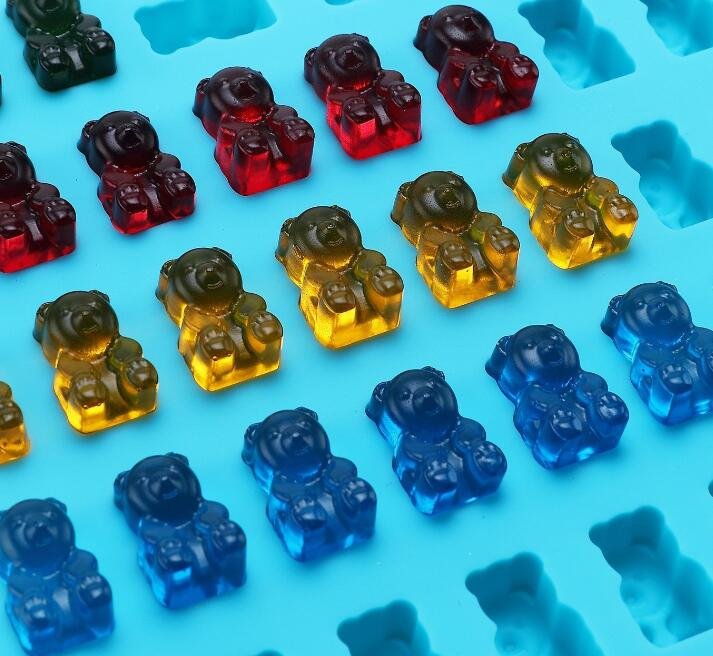
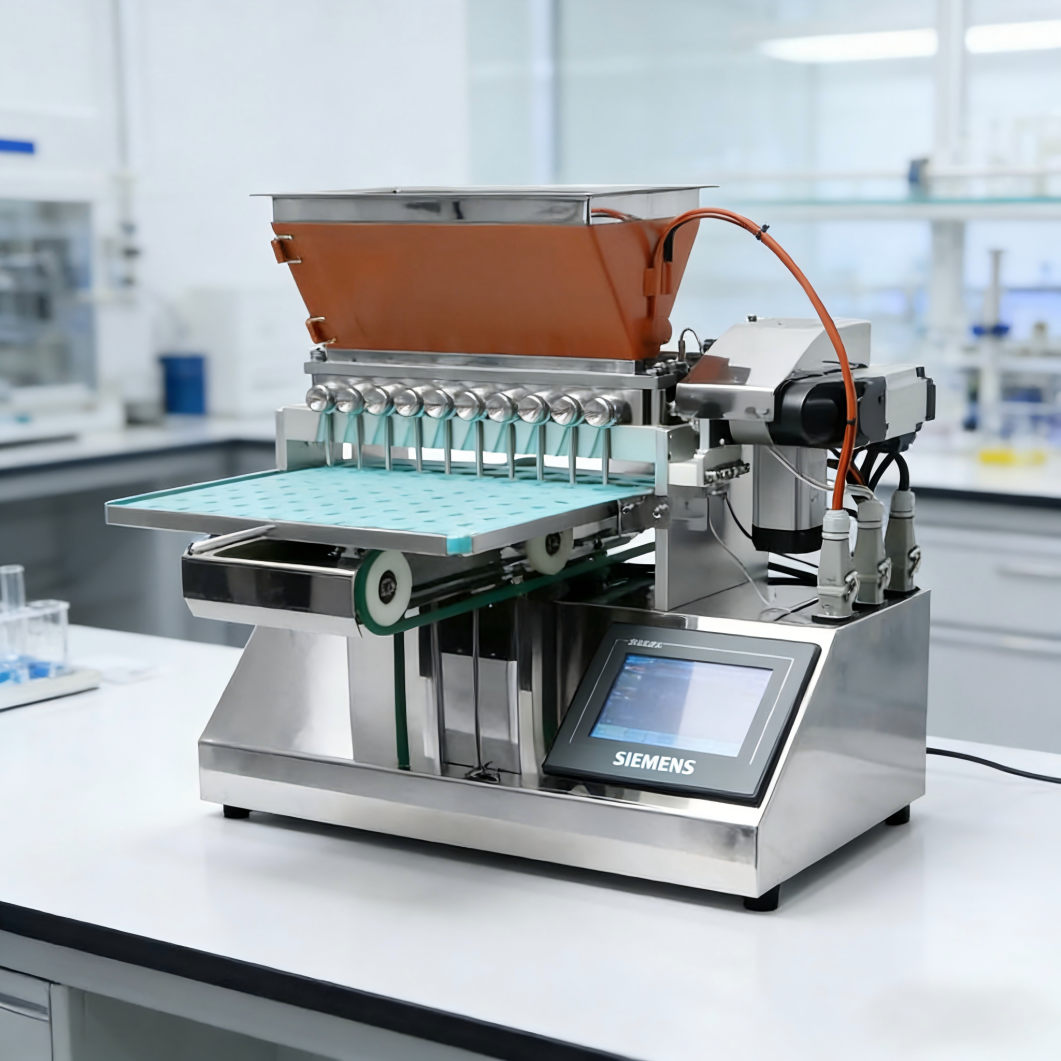
Use starch moguls or servo-driven depositors to fill molds with the fruit-infused jelly mass. Ensure molds are pre-dusted with cornstarch or pectin to prevent sticking. For intricate designs, multiple-nozzle heads deposit layers or patterns. Once filled, allow the candies to set in a cooling tunnel at 15-20°C for 20-30 minutes, promoting gelation while keeping fruit pieces intact. Demolding follows, with automated lines gently releasing candies onto conveyor belts. YTjellycandymachine offers fully integrated depositing lines tailored for fruit jelly candies, boosting throughput to over 5 tons per shift.
To guide you through the core production steps efficiently, consider the following numbered process outline:
- Ingredient Preparation: Measure and pre-treat fruits and base components.
- Cooking: Dissolve gelling agents and cook syrup to specification.
- Fruit Integration: Cool syrup and fold in fruit pieces uniformly.
- Depositing: Fill molds precisely with automated equipment.
- Setting and Demolding: Cool, set, and release candies.
- Finishing: Dry, polish, and inspect for quality.
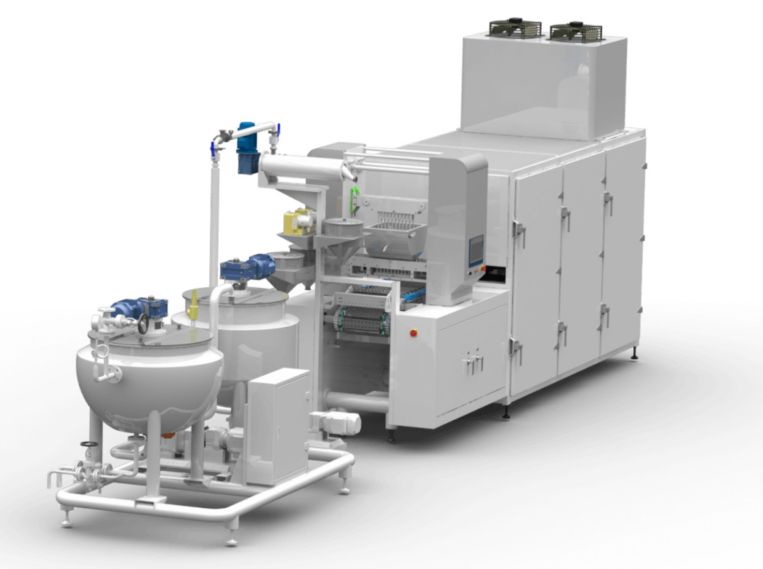
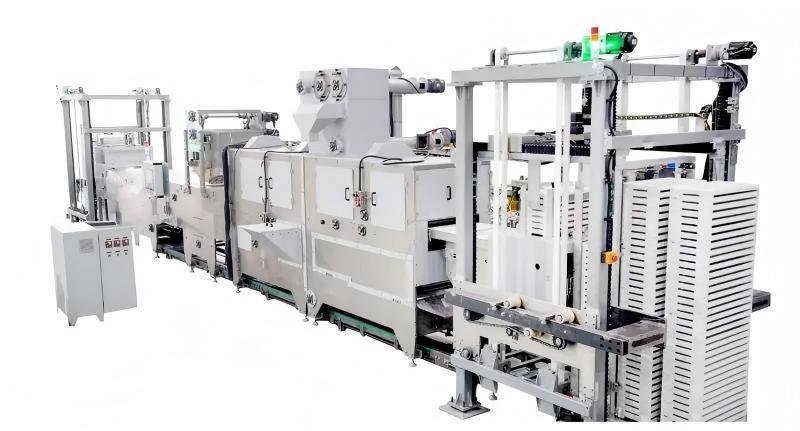
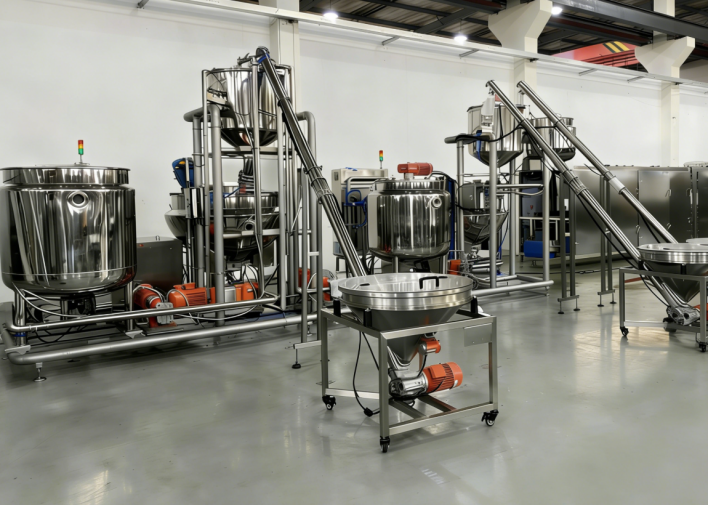
Understanding the equipment ecosystem is crucial for scaling this process, as detailed in the table below showcasing key components of a YTjellycandymachine production line.
| Machine Type | Function | Capacity | Key Features |
|---|---|---|---|
| Fruit Washing & Cutting Line | Preps real fruit pieces | 2-5 tons/hour | Automated sorting, blanching, multi-blade dicers |
| Continuous Cooking Kettle | Jelly base preparation | 500-2000 kg/batch | Vacuum mixing, precise temp control |
| Servo Depositor | Molding with fruit | 20-50 molds/min | Multi-nozzle for even fruit distribution |
| Cooling Tunnel | Gelation phase | Matches depositor speed | Humidity control, stainless steel belts |
| Sanding & Packaging Line | Finishing and packing | 1000-5000 pcs/min | Anti-stick coating, flow-wrap sealing |
This table illustrates how YTjellycandymachine’s modular lines integrate seamlessly, reducing labor and downtime for biscuit or gummy factories venturing into jelly production.
Moving to post-production, finishing touches elevate the product to market-ready status.
Finishing Drying and Packaging
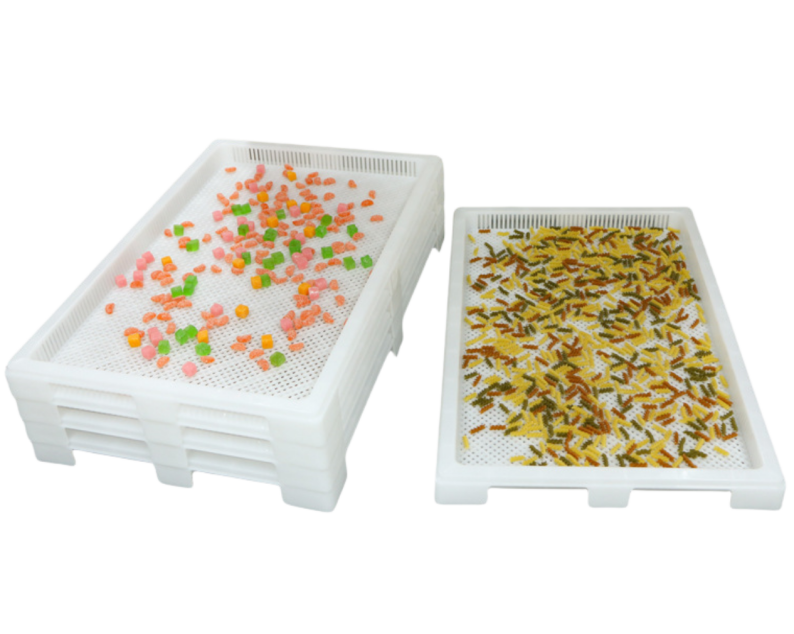
After demolding, pass candies through a sanding machine to apply a thin cornstarch layer, absorbing excess moisture and adding a signature matte finish. For glossy varieties, use steam polishers or oil sprayers. Dry in controlled-air tunnels at 25-30°C and 40-50% humidity for 4-6 hours to stabilize moisture content at 15-18%. Rigorous quality checks for fruit integrity, size uniformity, and microbial safety follow. Package in moisture-proof bags or trays under modified atmosphere to extend shelf life up to 12 months. YTjellycandymachine’s packaging modules handle high speeds with minimal rejects, ideal for export-oriented factories.
Quality Control and Safety
Throughout production, implement HACCP protocols: monitor pH (3.2-3.6), aw (0.75-0.80), and fruit load (10-20% by weight). Test for allergens and contaminants using inline sensors. YTjellycandymachine lines include CIP cleaning systems and metal detectors, ensuring compliance with global standards like FDA and EU regulations.
Scaling up? YTjellycandymachine’s customized lines adapt to capacities from 1-20 tons daily, with ROI in under a year for most clients.
Conclusion
Mastering jelly candy production with real fruit pieces unlocks new revenue streams for biscuit and candy gummy factories. By following these steps and leveraging advanced equipment, producers achieve superior products that delight consumers. YTjellycandymachine stands ready as your partner, delivering reliable, innovative production lines from China to elevate your operations worldwide.
Last Updated on June 21, 2026 by YTjellycandymachine