In the competitive world of candy production, particularly for gelatin-based jellies, optimizing the drying process is crucial for enhancing efficiency, reducing costs, and meeting high-volume demands. Gelatin-based jellies, prized for their chewy texture and vibrant appeal, require precise drying to achieve the right moisture content without compromising quality. Prolonged drying times can bottleneck production lines, increase energy consumption, and delay market delivery. This article explores proven methods to shorten drying times, drawing on industry expertise to help biscuit and candy gummy factories streamline operations. By implementing these strategies, producers can boost throughput significantly.
Table of Contents
Understanding Gelatin Jelly Drying
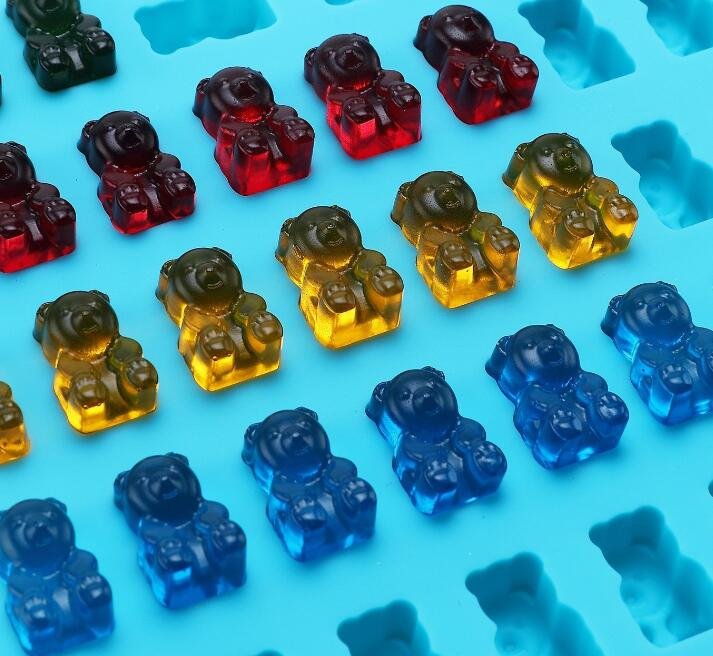
The drying of gelatin-based jellies involves evaporating excess moisture from the formed shapes, typically in a controlled environment of warm air circulation. Gelatin, derived from collagen, forms a hydrophilic gel that holds water tightly, making efficient moisture removal challenging. Traditional tunnel dryers or static trays often take 4-24 hours, depending on ambient conditions and jelly size. As jelly cools and sets post-deposition, surface moisture evaporates first, but internal diffusion lags, leading to uneven drying. Factors like humidity, temperature, and airflow directly influence this rate. Transitioning to optimized systems minimizes these delays, paving the way for faster cycles.
Key to this process is balancing drying speed with product integrity. Overly aggressive drying risks case hardening—crusty exteriors trapping moist interiors—resulting in microbial growth or texture defects. Conversely, slow drying preserves gloss and chew but hampers productivity. Modern approaches, such as those integrated into YTjellycandymachine production lines, employ multi-zone controls to accelerate drying uniformly.
Factors Influencing Drying Time
Several variables dictate drying duration. Temperature drives evaporation; higher settings (around 30-50°C) speed the process but must avoid melting delicate shapes. Relative humidity below 40% prevents moisture reabsorption, while airflow ensures fresh air contact. Jelly formulation matters too—higher sugar content lowers water activity, aiding quicker drying. Pectin or starch additives can alter gel strength, impacting moisture release. Production-scale factors, like tray loading density, further affect efficiency. Addressing these holistically yields substantial reductions.
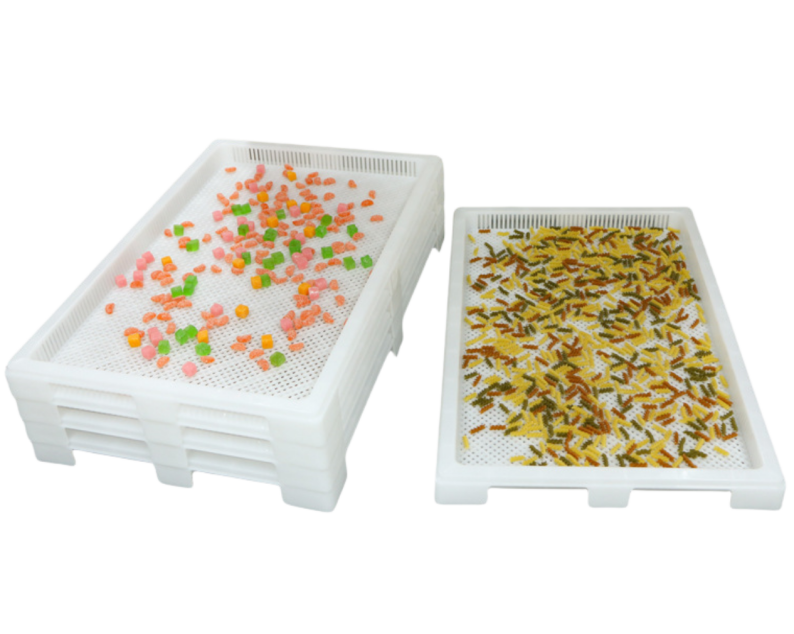
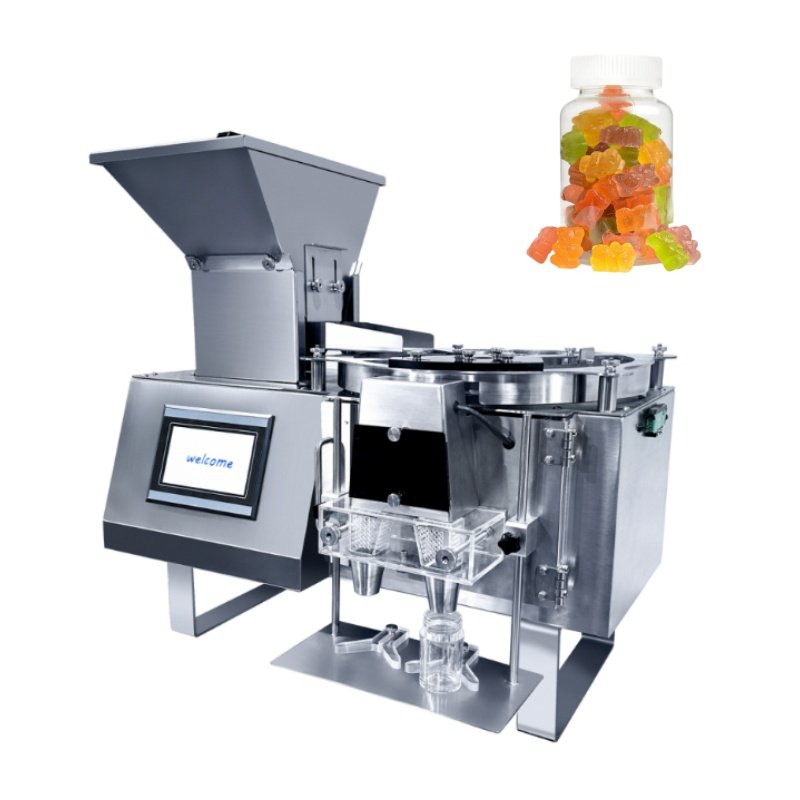
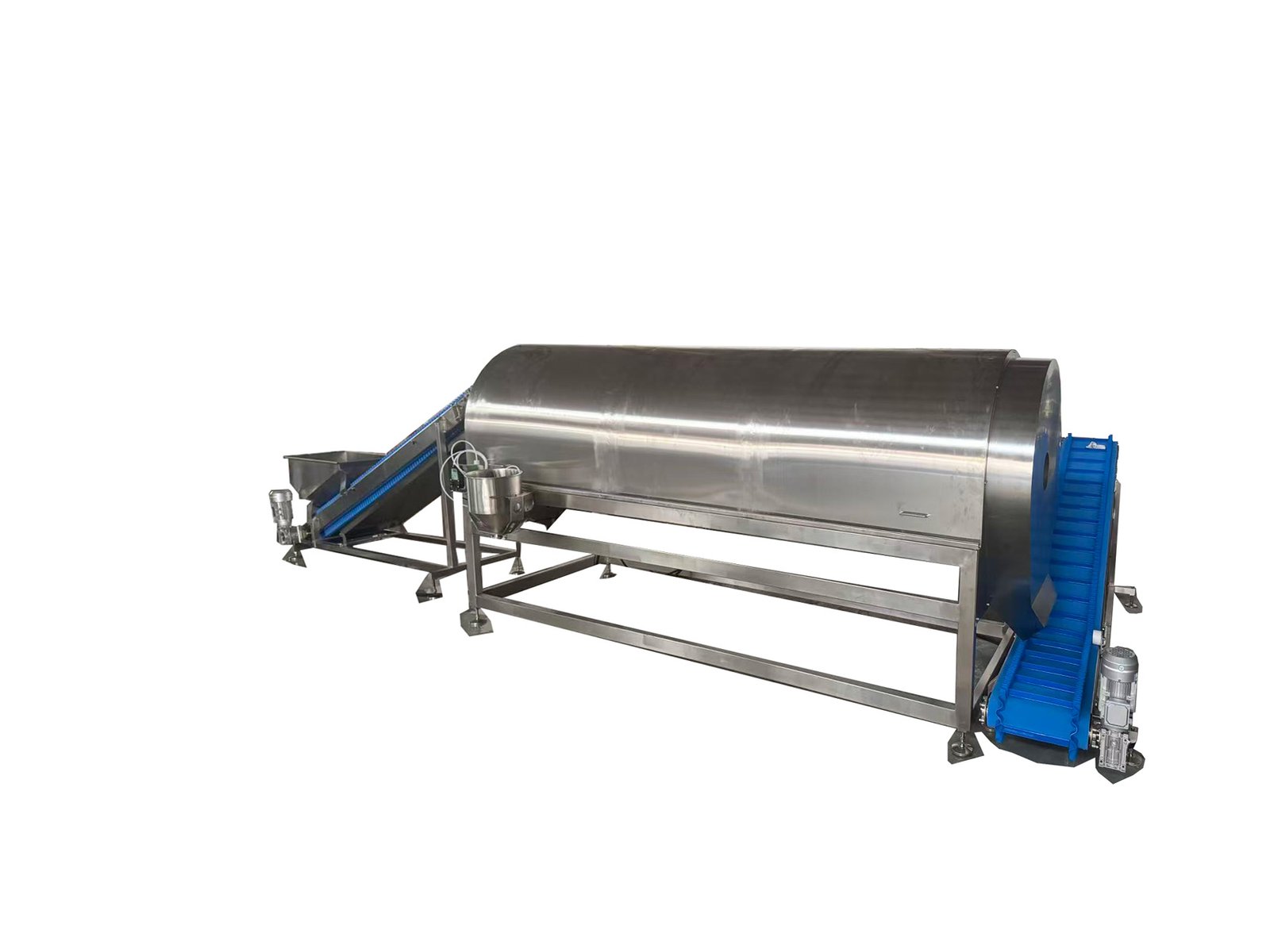
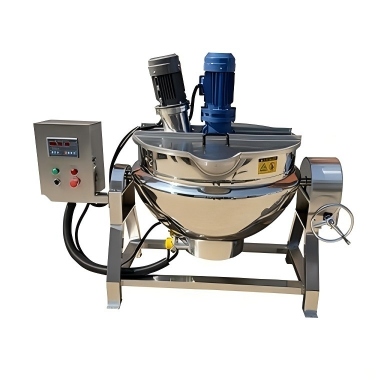
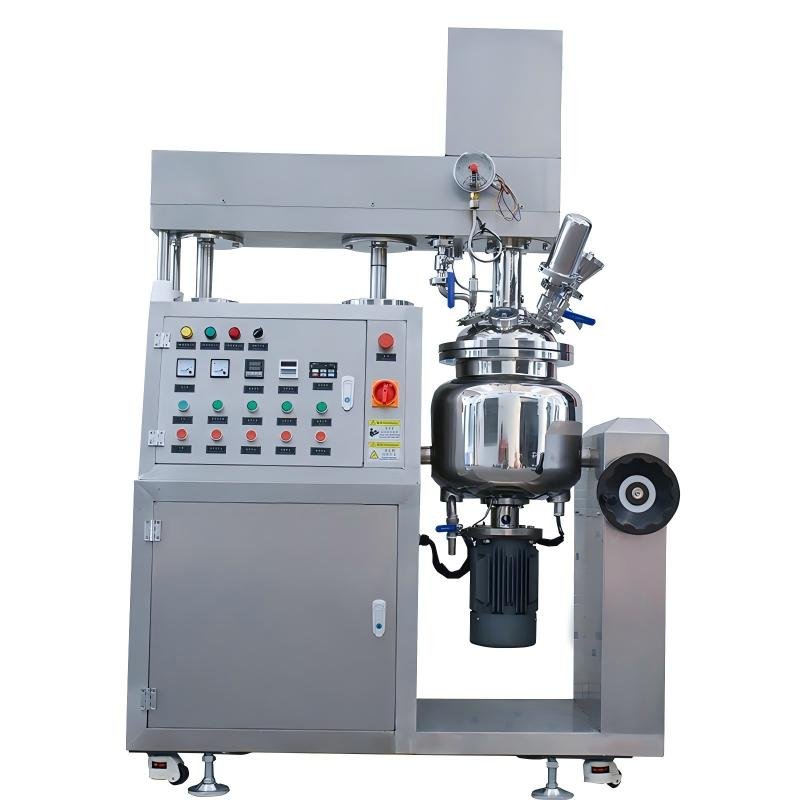
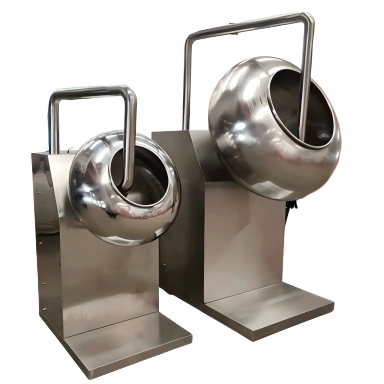
For biscuit and gummy factories scaling up, environmental controls are non-negotiable. In humid climates common in Asia, dehumidifiers become essential allies, slashing drying times by up to 50%.
Proven Strategies to Accelerate Drying
To reduce drying time effectively, factories can adopt a multi-faceted approach. First, refine formulations by incorporating drying aids like polydextrose or optimizing gelatin bloom strength for faster water release. Second, enhance deposition precision to produce thinner, uniform jellies that dry quicker. Third, upgrade to continuous drying tunnels with variable speed fans.
Here is a bulleted list of practical steps:
- Optimize air temperature to 35-45°C to maximize evaporation without deformation.
- Maintain humidity under 30% using integrated dehumidification.
- Increase airflow velocity to 1-2 m/s for better boundary layer disruption.
- Employ multi-stage drying: initial rapid surface dry followed by gentle internal diffusion.
- Pre-dry molds or use anti-stick coatings to prevent adhesion delays.
These measures, when combined, can halve drying times from 12 hours to 6 or less, transforming throughput.
Role of Advanced Machinery
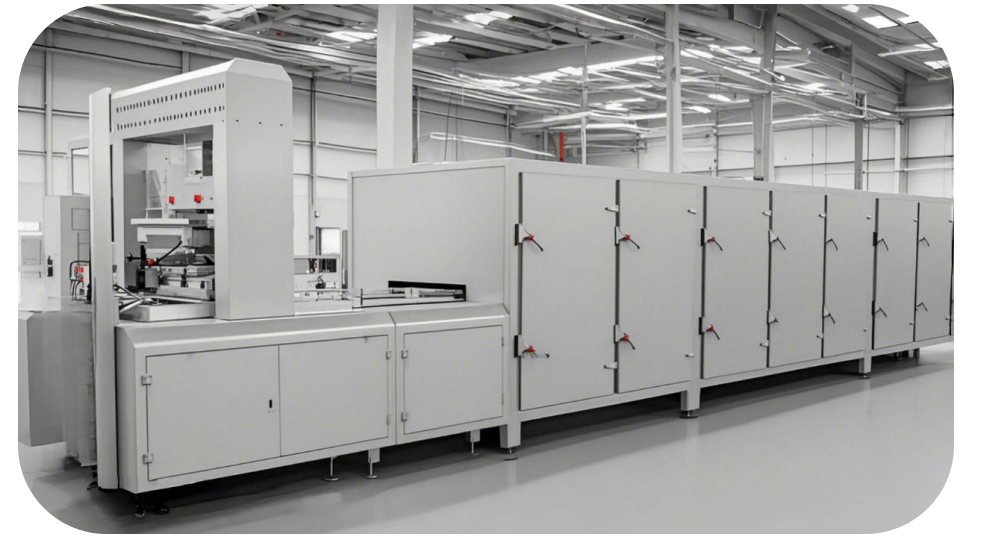
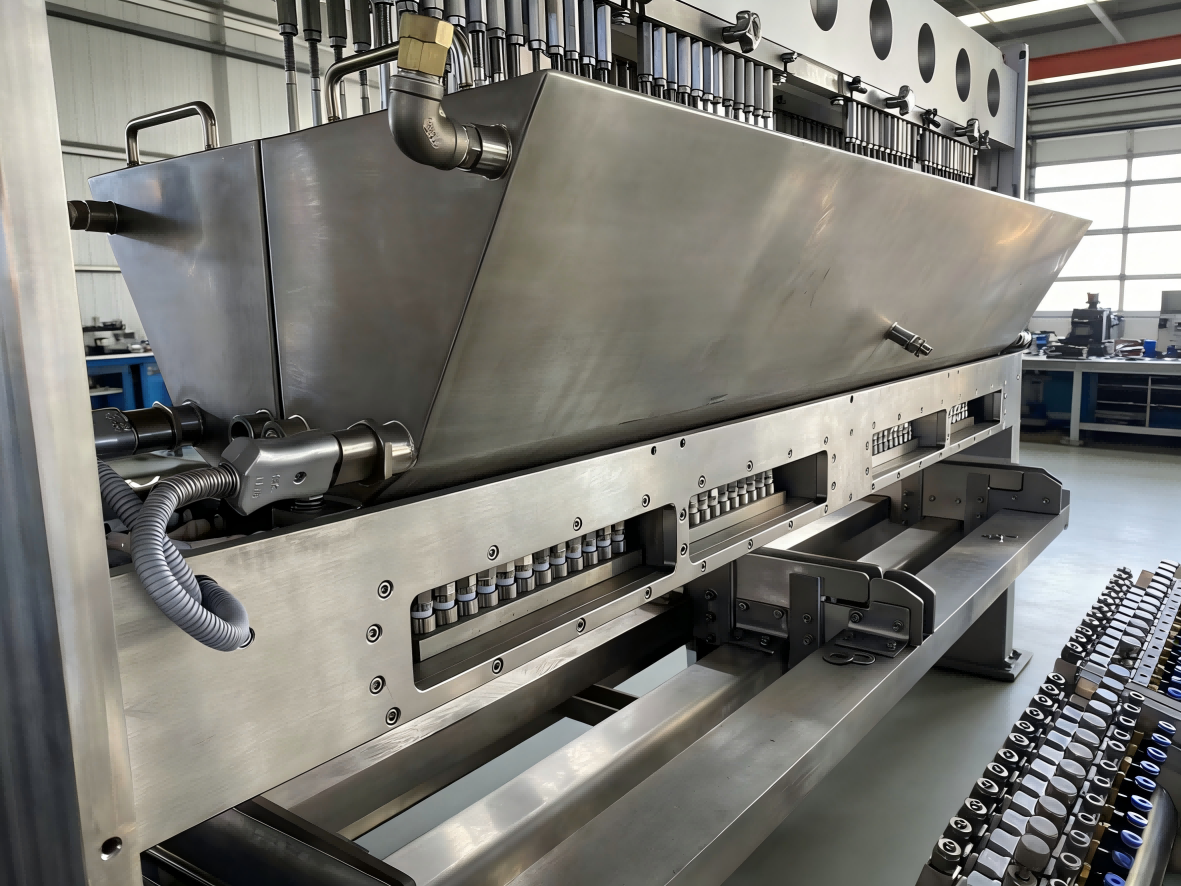
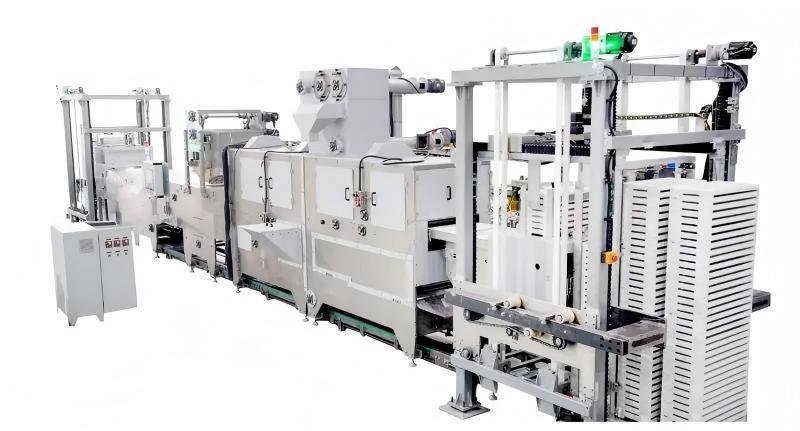
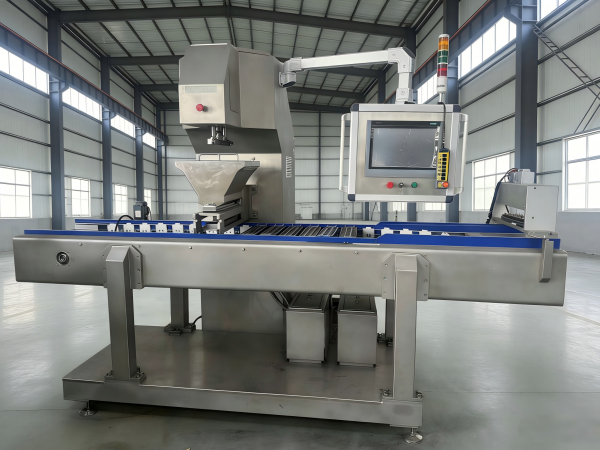
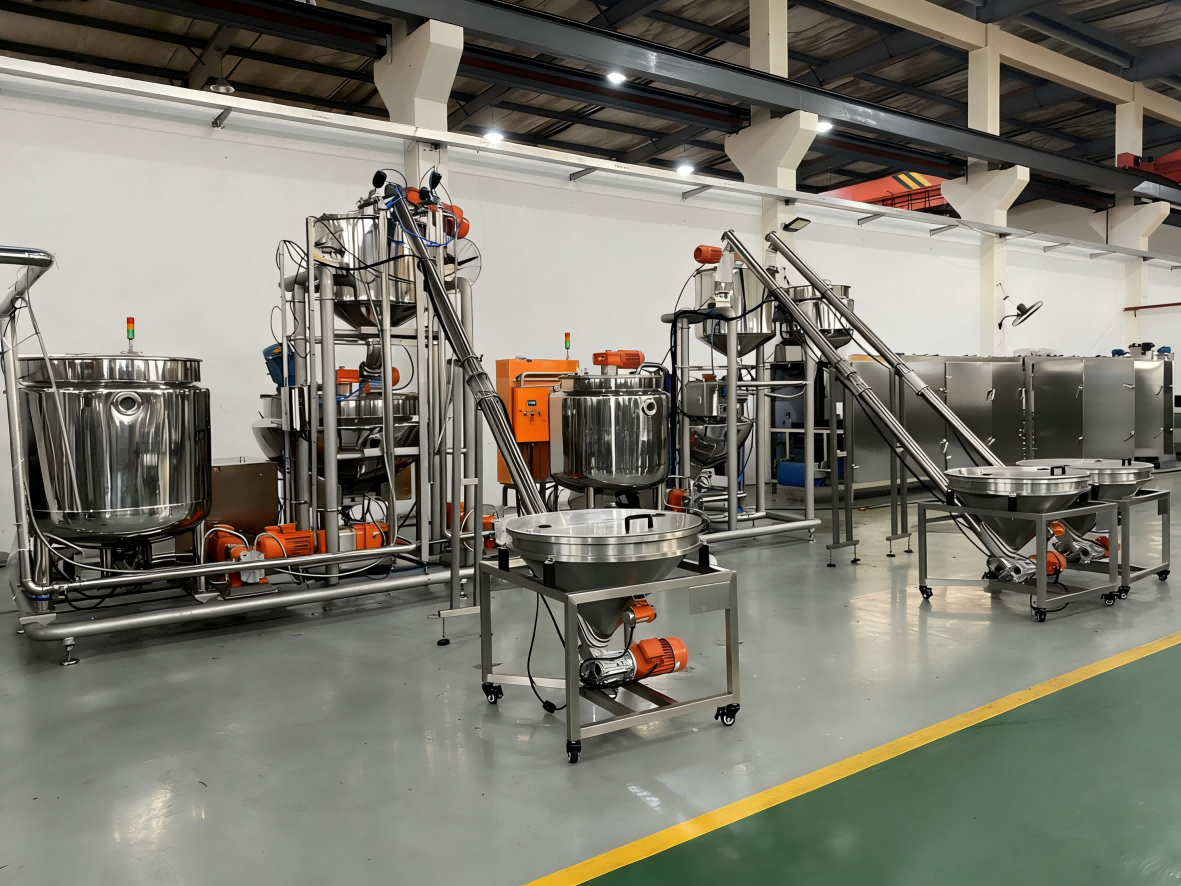
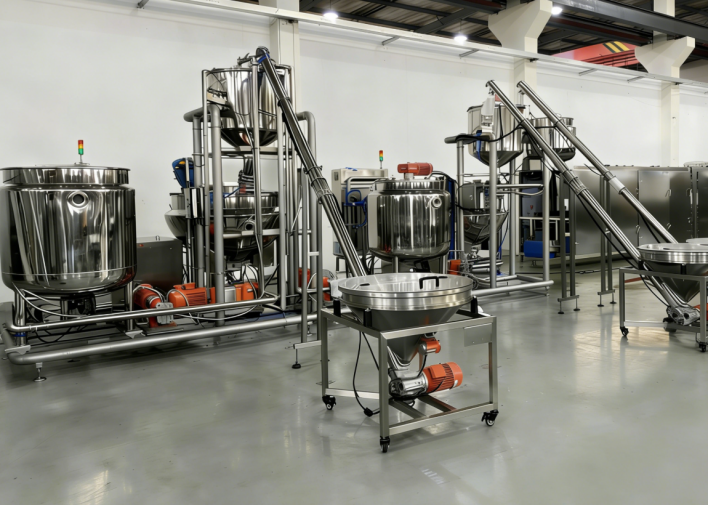
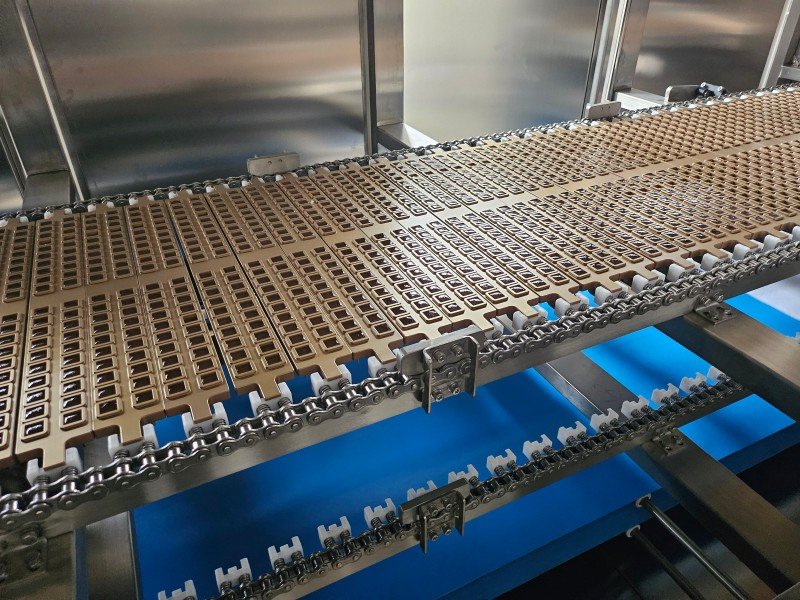
While manual tweaks help, true efficiency gains come from specialized equipment. YTjellycandymachine production lines exemplify this, featuring automated drying tunnels with PLC-controlled zones for precise temperature, humidity, and airflow modulation. Their systems use infrared sensors to monitor moisture in real-time, adjusting parameters dynamically. This not only cuts drying to 2-4 hours but ensures batch consistency, vital for gummy factories exporting to stringent markets.
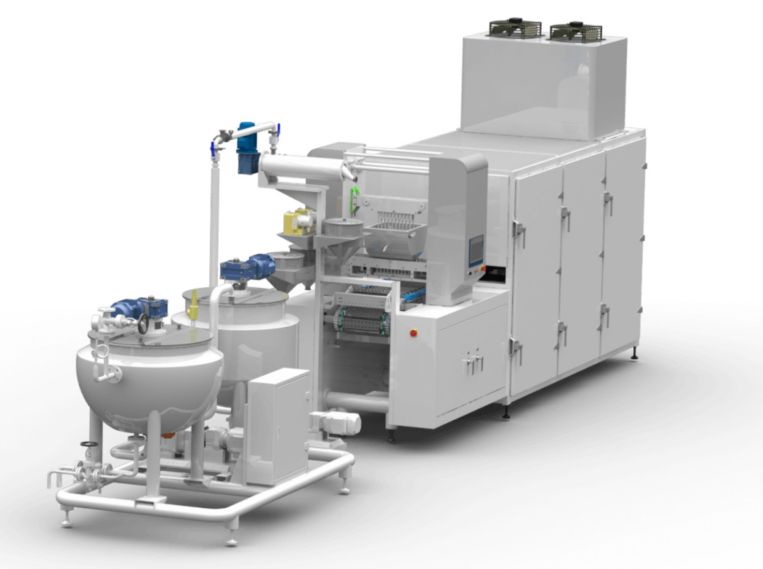
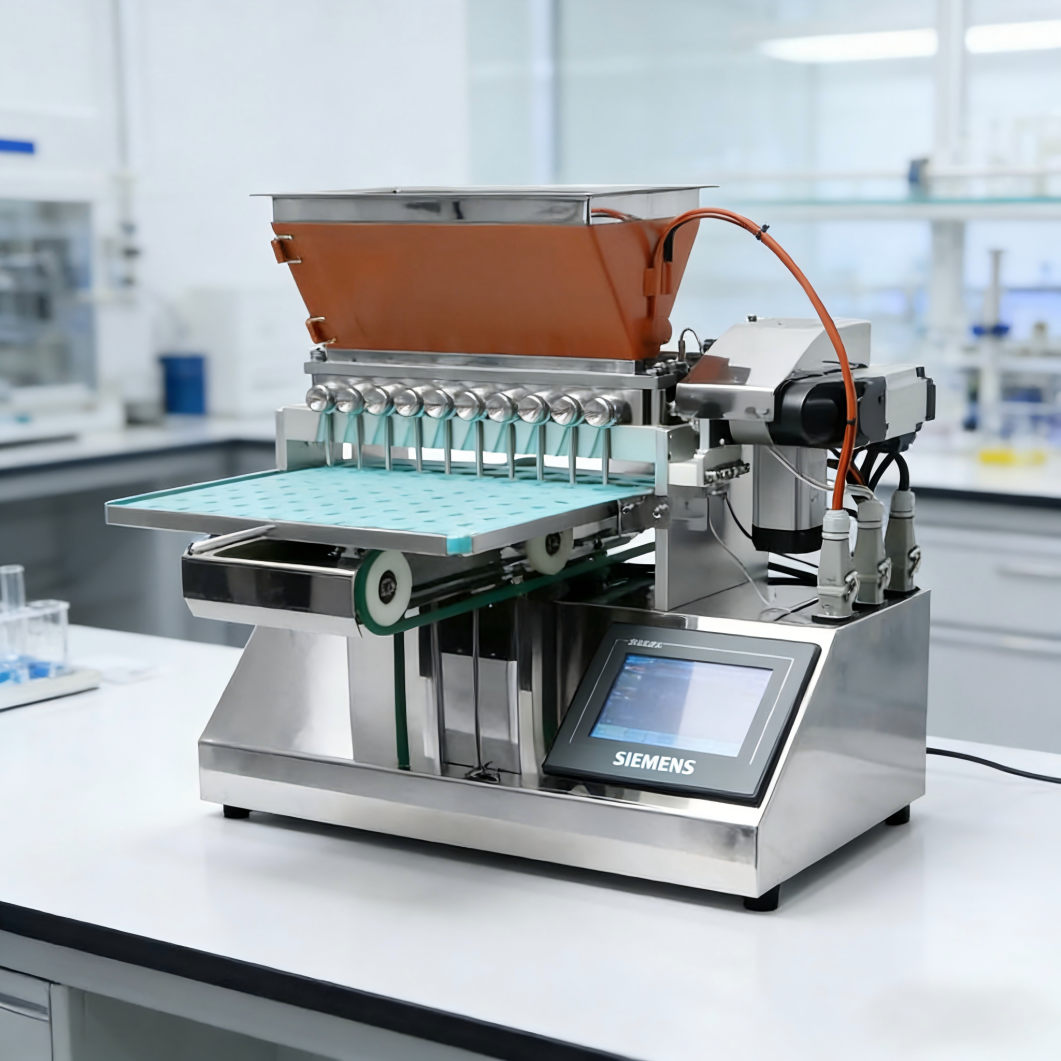
Compared to generic dryers, YTjellycandymachine units integrate seamlessly with depositors and cooling tunnels, creating end-to-end lines that minimize handling. Energy-efficient designs reduce operational costs by 30%, appealing to cost-conscious biscuit producers diversifying into jellies. Case studies show clients achieving 40% faster cycles post-installation.
The following table compares traditional vs. YTjellycandymachine drying outcomes:
| Parameter | Traditional Dryer | YTjellycandymachine Line |
|---|---|---|
| Drying Time | 8-24 hours | 2-6 hours |
| Energy Use (kWh/kg) | 1.5-2.5 | 0.8-1.2 |
| Moisture Uniformity | ±5% | ±1% |
| Throughput (kg/h) | 50-100 | 300-500 |
| Quality Rejection Rate | 5-10% | <2% |
Implementation Best Practices
Transitioning requires pilot testing. Start with small batches to calibrate settings, then scale. Train staff on YTjellycandymachine interfaces for optimal use—their intuitive HMI reduces learning curves. Regular maintenance, like filter cleaning, sustains performance. Pair with quality checks using aw meters to verify moisture below 18%. For gummy factories, integrating YTjellycandymachine lines means retrofit compatibility with existing mixers, minimizing downtime.
Moreover, leveraging data analytics from these machines predicts drying variances, preempting issues. Sustainability bonuses include lower emissions, aligning with global trends.
Case Studies and Results
Real-world applications underscore benefits. A Southeast Asian gummy factory, adopting a YTjellycandymachine line, reduced drying from 16 to 3 hours, boosting output 3x. Similarly, a biscuit producer entering jellies reported 35% cost savings. These successes stem from tailored engineering, proving YTjellycandymachine’s edge in gelatin processing.
Scaling further, modular designs allow expansion without full overhauls, ideal for growing operations.
In summary, reducing drying time for gelatin-based jellies hinges on formulation tweaks, environmental controls, and advanced machinery like YTjellycandymachine production lines. By strategically applying these insights, candy and biscuit factories can achieve faster cycles, superior quality, and competitive advantages. Investing in such optimized systems not only accelerates production but future-proofs operations in a dynamic market.
Last Updated on May 19, 2026 by YTjellycandymachine