Table of Contents
Why Does My Jelly Candy Have an Uneven Color Distribution
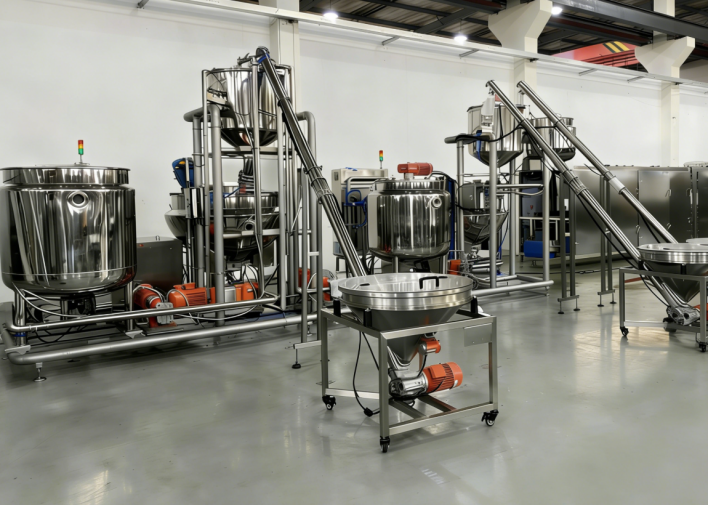
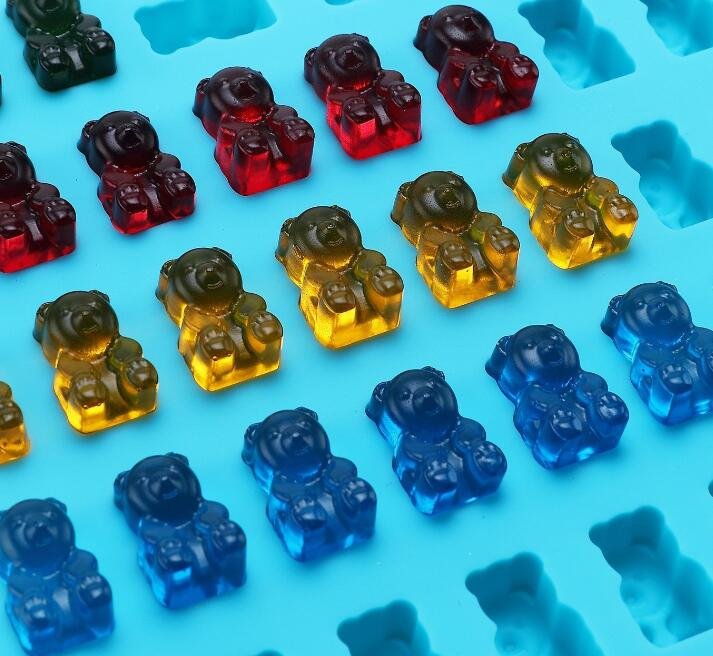
In the competitive world of confectionery production, achieving consistent quality is paramount, especially for jelly candies where visual appeal plays a crucial role in consumer attraction. Uneven color distribution can mar the product’s appearance, leading to rejected batches, reduced shelf appeal, and lost revenue. As a leading manufacturer from China, YTjellycandymachine specializes in advanced production lines tailored for candy and gummy factories, helping biscuit and candy producers eliminate such defects efficiently. This article delves into the reasons behind uneven coloring in jelly candies and explores practical solutions, emphasizing how state-of-the-art machinery can restore uniformity.
Transitioning from production challenges to actionable insights, understanding the root causes is the first step toward resolution. Jelly candy coloring involves dispersing pigments throughout a gelatin-based mixture, which requires precise control over mixing, temperature, and deposition stages. When these falter, colors appear mottled or streaked, disappointing end-users.
Key Factors in the Coloring Process
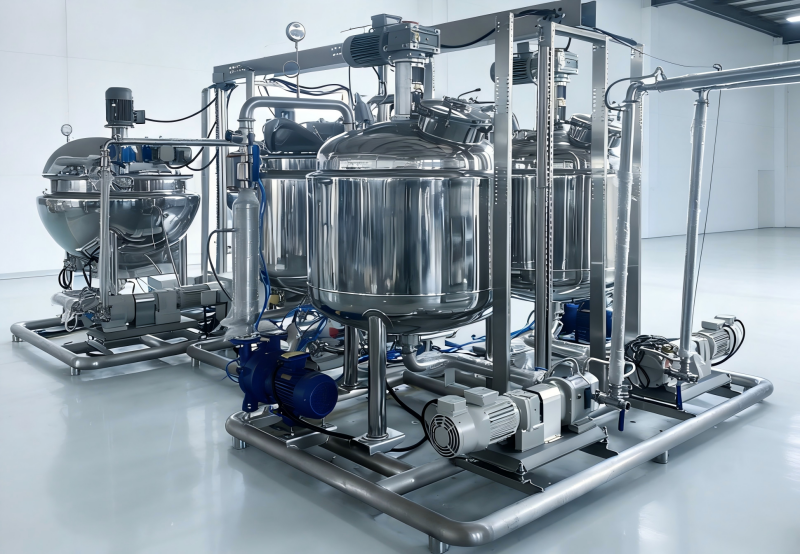
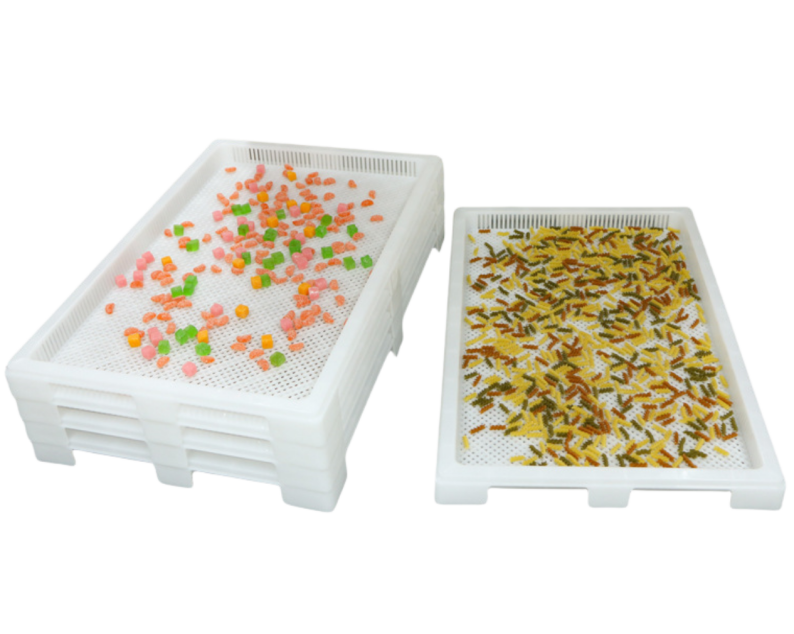
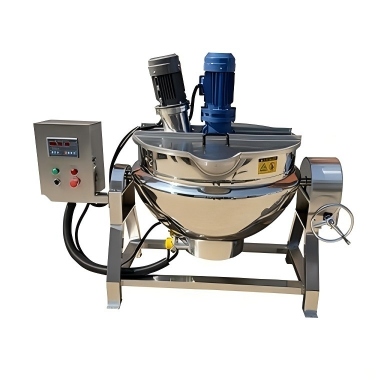
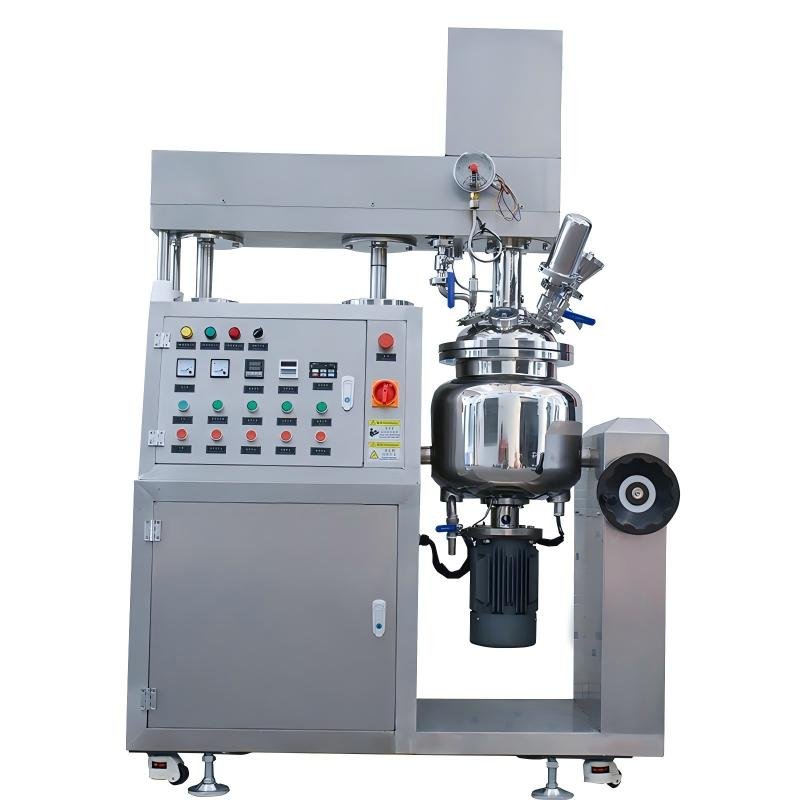
The journey of color in jelly candy begins with ingredient integration. Water, sugar, gelatin, and colorants are cooked into a homogeneous syrup. Ideal dispersion demands high-shear mixing to break down color particles evenly. Subsequently, the mixture cools and deposits into molds, where further uniformity is essential. Any deviation here amplifies discrepancies, visible post-demolding and drying.
Moreover, environmental controls like humidity and airflow influence color stability. Inadequate oversight often results from outdated equipment, common in expanding biscuit or gummy factories scaling production without upgrading lines. By adopting YTjellycandymachine production lines, manufacturers ensure seamless integration of these stages, preventing color inconsistencies from the outset.
Common Causes of Uneven Color
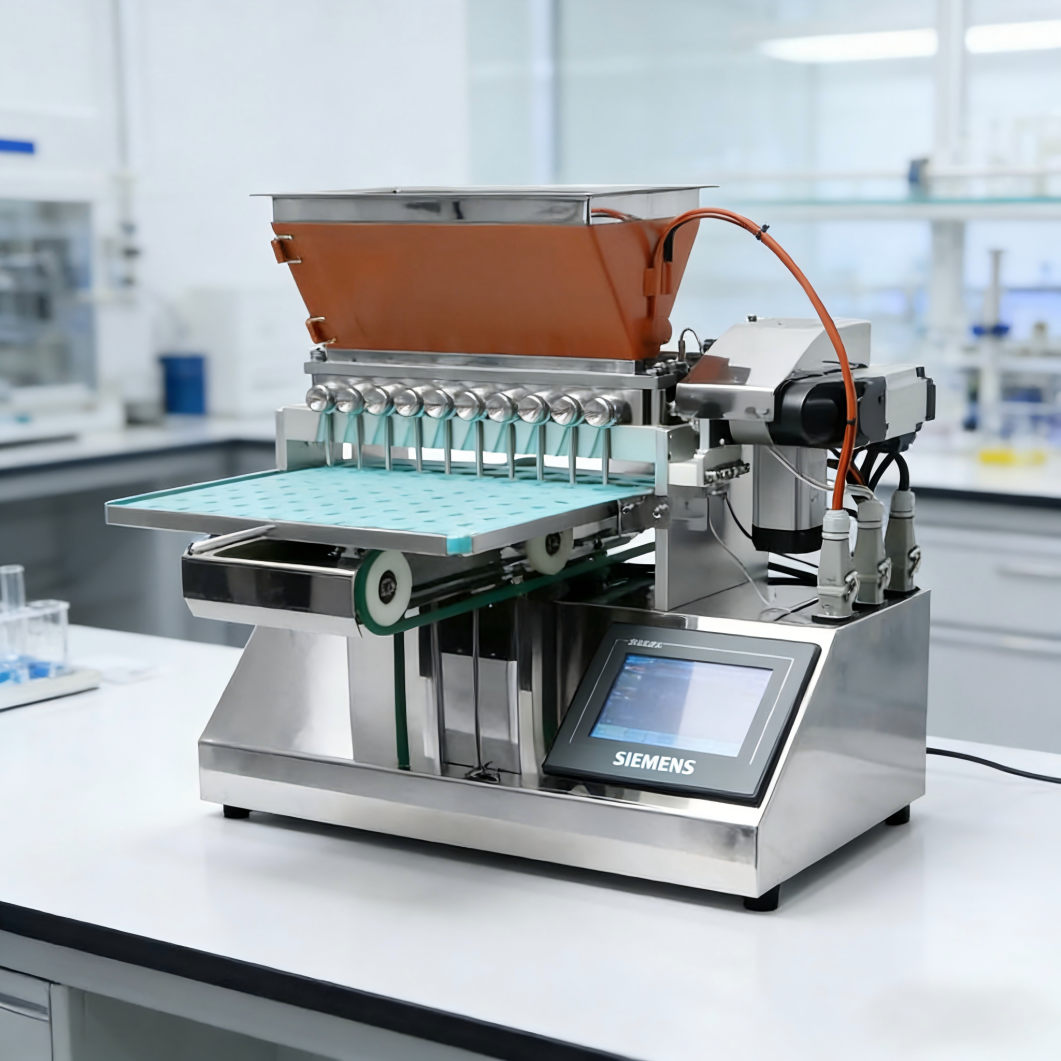
Several interconnected issues contribute to uneven color distribution. First, insufficient mixing leads to colorant clumping, as low-speed stirrers fail to emulsify pigments thoroughly. Second, temperature fluctuations during cooking alter color solubility, causing separation. Third, imprecise deposition machines deposit varying syrup volumes, resulting in patchy shades.
Additionally, ingredient quality variations—such as inconsistent colorant batches or impurities—exacerbate problems. Worn equipment parts, like depositor nozzles, introduce air bubbles that disrupt flow. Over time, these accumulate, particularly in high-volume operations typical of candy gummy factories transitioning to jelly lines.
To systematically identify issues, consider the following numbered list of diagnostic steps:
- Inspect mixing equipment for shear efficiency and blade condition.
- Monitor cooking temperatures with calibrated sensors for stability within 105-115°C.
- Evaluate depositor precision by measuring syrup output per mold.
- Test colorant batches for purity and solubility consistency.
- Assess cooling tunnel airflow uniformity to prevent localized drying variances.
Addressing these reveals most discrepancies stem from machinery limitations, underscoring the need for integrated production lines like those from YTjellycandymachine.
Impact on Production and Marketability
Uneven coloring not only affects aesthetics but also operational efficiency. Factories report up to 20% yield loss from rework, inflating costs for biscuit or candy producers. Consumers perceive inconsistency as poor quality, impacting brand loyalty in a market favoring vibrant, uniform products.
Furthermore, regulatory standards for food safety demand color uniformity to ensure even dye distribution, avoiding health risks from over-concentrated spots. Transitioning to automated solutions mitigates these, as YTjellycandymachine’s systems incorporate PLC controls for real-time adjustments.
Advanced Solutions for Uniform Coloring
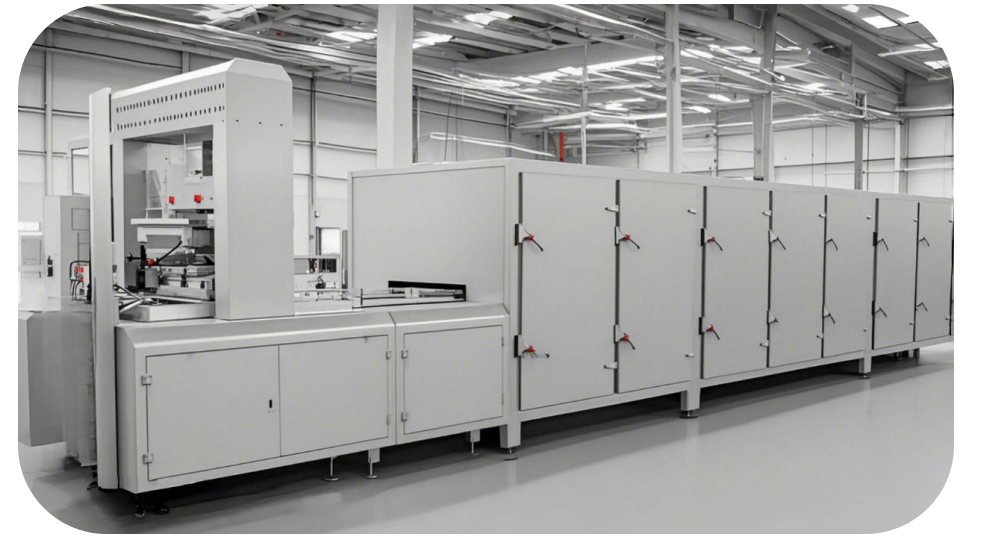
Modern production lines rectify these issues through precision engineering. High-speed planetary mixers achieve micron-level dispersion, while servo-driven depositors ensure volumetric accuracy to ±0.1g. Cooling tunnels with laminar airflow maintain even temperatures, solidifying colors uniformly.
The following table compares traditional manual/semi-automatic setups against YTjellycandymachine’s fully automated lines:
| Feature | Traditional Setup | YTjellycandymachine Line |
|---|---|---|
| Mixing Uniformity | 70-80% dispersion | 98%+ with high-shear vacuums |
| Deposition Accuracy | ±1g variance | ±0.05g servo precision |
| Temperature Control | Manual, ±5°C | Automated, ±0.5°C |
| Yield Efficiency | 75-85% | 98%+ |
| Color Consistency | Frequent mottling | Uniform across batches |
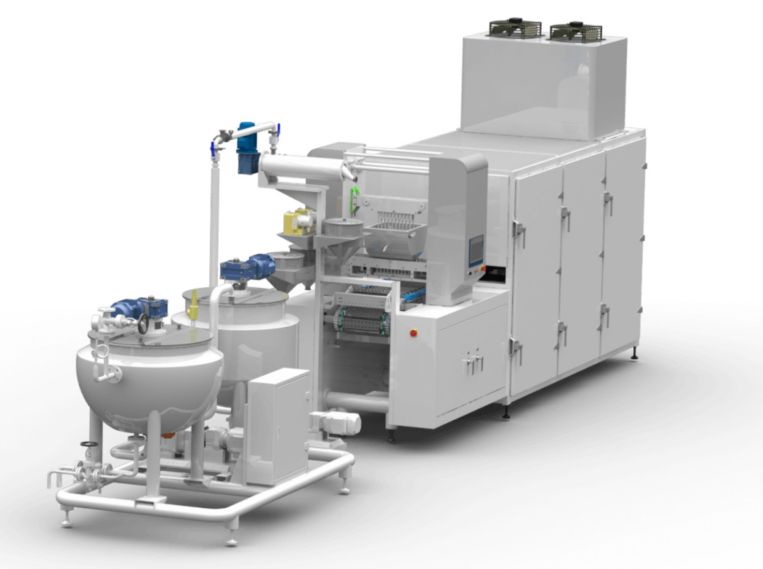
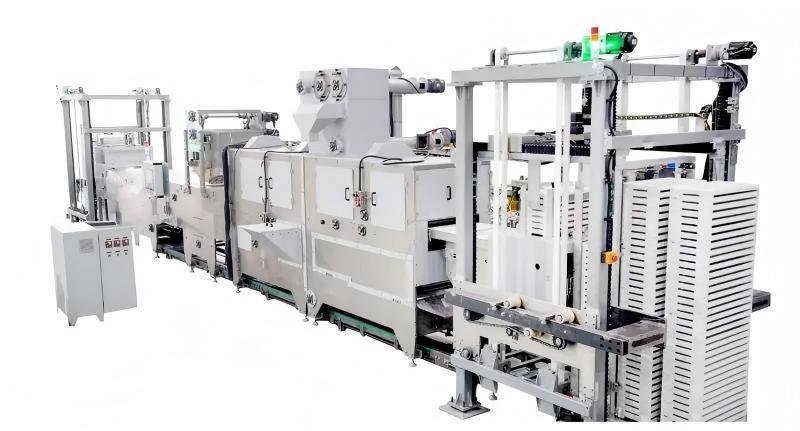
As illustrated, YTjellycandymachine outperforms legacy systems, delivering flawless jelly candy with even hues. For biscuit factories diversifying into gummies, these lines offer scalable modularity, integrating seamlessly with existing setups.
Implementing YTjellycandymachine for Superior Results
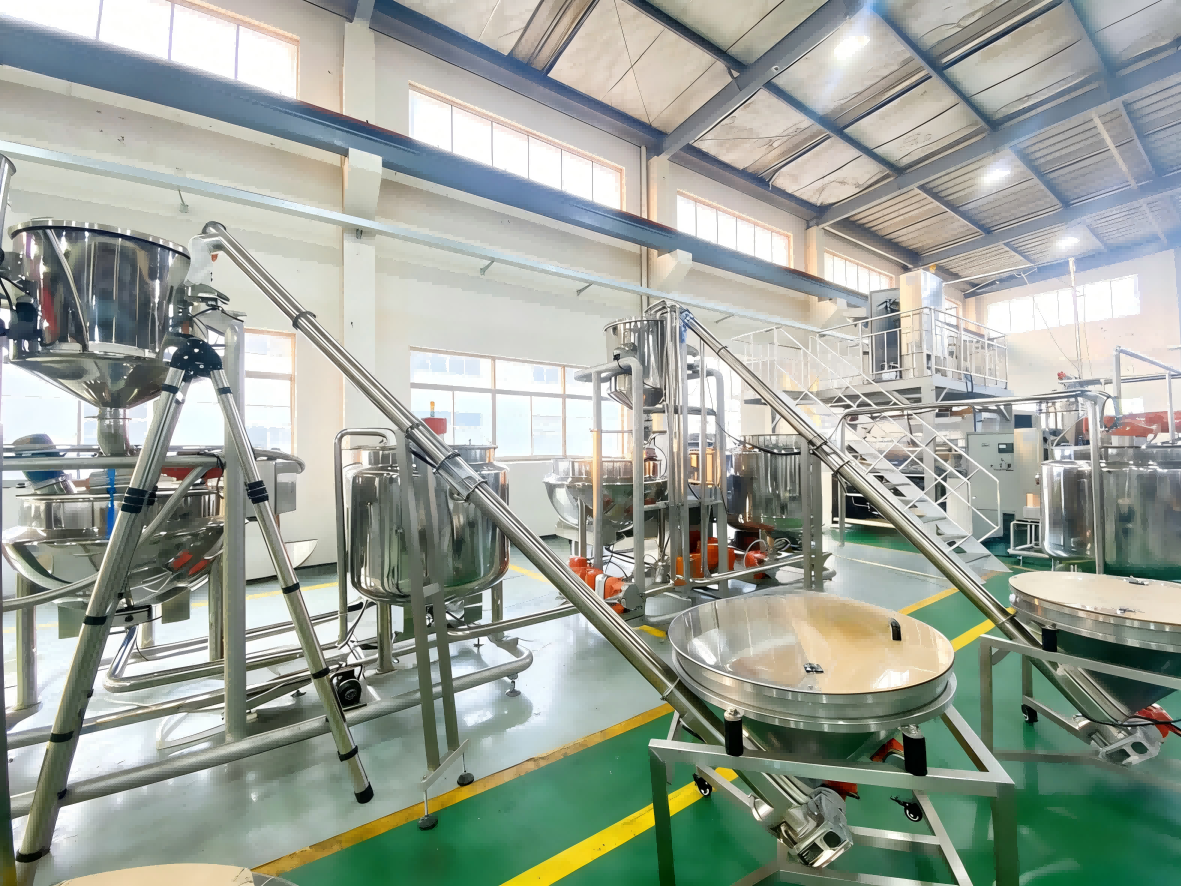
Choosing YTjellycandymachine means investing in reliability. Our production lines feature stainless steel construction for hygiene, easy-clean designs reducing downtime, and customizable capacities from 100-1000kg/hour. Clients from candy gummy sectors report 30% faster throughput and zero color complaints post-installation.
Moreover, our after-sales support includes on-site training and remote diagnostics, ensuring sustained performance. By upgrading, factories eliminate uneven coloring root causes, enhancing product appeal and profitability.
Conclusion
In summary, uneven color distribution in jelly candy arises from mixing inadequacies, temperature inconsistencies, and deposition errors, all resolvable with advanced automation. YTjellycandymachine production lines provide the definitive solution, empowering biscuit and candy gummy factories to achieve impeccable uniformity. Embrace precision engineering today for candies that captivate visually and tastefully, securing a competitive edge in global markets.
Last Updated on May 16, 2026 by YTjellycandymachine