Table of Contents
Why jelly candy sticks to the mold and how to fix it
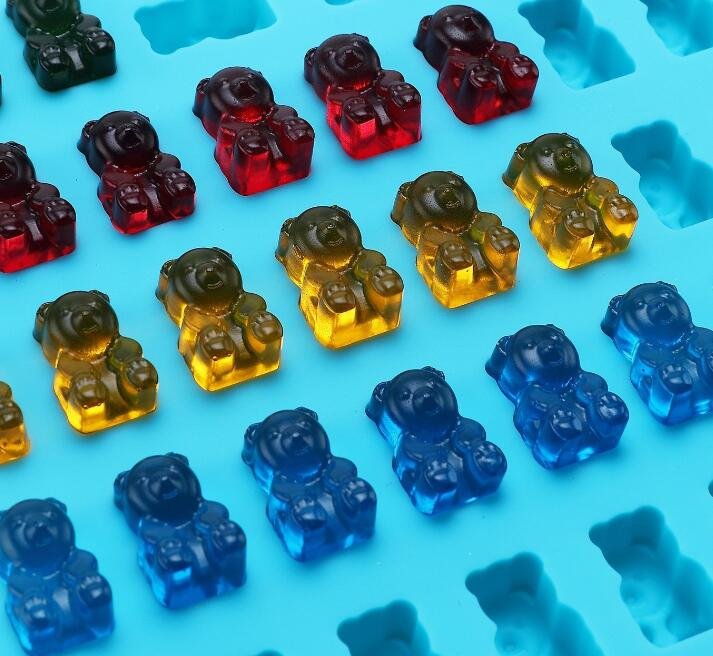
In the competitive world of candy production, achieving perfectly formed jelly candies is essential for quality and efficiency. However, a common frustration for operators in gummy or jelly candy factories is when the product sticks stubbornly to the molds, leading to deformed shapes, production delays, and increased waste. This issue can disrupt your entire production line, affecting output and profitability. Understanding the root causes and implementing effective fixes is crucial. As a leading provider like YTjellycandymachine, we specialize in high-quality production lines designed to minimize such problems, ensuring smooth operations for biscuit and candy gummy factories worldwide.
Understanding the sticking phenomenon
Jelly candy sticking occurs primarily due to interactions between the candy mass and the mold surface during forming and cooling. The gelatin-based mixture, rich in sugars and water, becomes tacky under certain conditions, adhering to the mold instead of releasing cleanly. Factors like temperature fluctuations, humidity levels, and mold preparation play significant roles. In high-volume factories, even minor sticking can escalate into major bottlenecks, underscoring the need for precise control in your production process.
Transitioning from observation to analysis, let’s delve into the primary causes. These are often interconnected, making systematic troubleshooting essential before applying remedies.
Common causes of jelly candy sticking
One prevalent cause is inadequate mold temperature. If molds are too cold, the candy sets unevenly, creating a vacuum-like suction that pulls it back into the mold crevices. Conversely, overly warm molds prevent proper gelation, leaving the surface sticky. Another key factor is the absence or improper application of release agents. Without a thin, even layer of food-grade oil or silicone spray, the hydrophilic nature of gelatin bonds directly to metal or plastic surfaces.
Humidity in the production environment exacerbates the problem by increasing moisture in the candy mass, heightening its stickiness. Poor mold maintenance, such as scratches or residue buildup, creates micro-roughness that traps candy. Finally, formulation issues—like excessive corn syrup or insufficient pectin—can make the mixture inherently tackier, overwhelming even well-prepared molds.
To systematically identify your specific issue, consider the following numbered list of diagnostic steps:
- Inspect mold temperature during deposition using an infrared thermometer; ideal range is 40-50°C for most starch molds.
- Check release agent coverage; uneven application often shows patchy sticking patterns.
- Evaluate ambient humidity; levels above 60% correlate strongly with adhesion problems.
- Examine mold surfaces for wear or residue; clean with warm soapy water and dry thoroughly.
- Review recipe ratios; high invert sugar content (>30%) frequently causes persistent sticking.
This structured approach helps pinpoint the culprit efficiently, paving the way for targeted solutions.
Proven solutions to prevent sticking
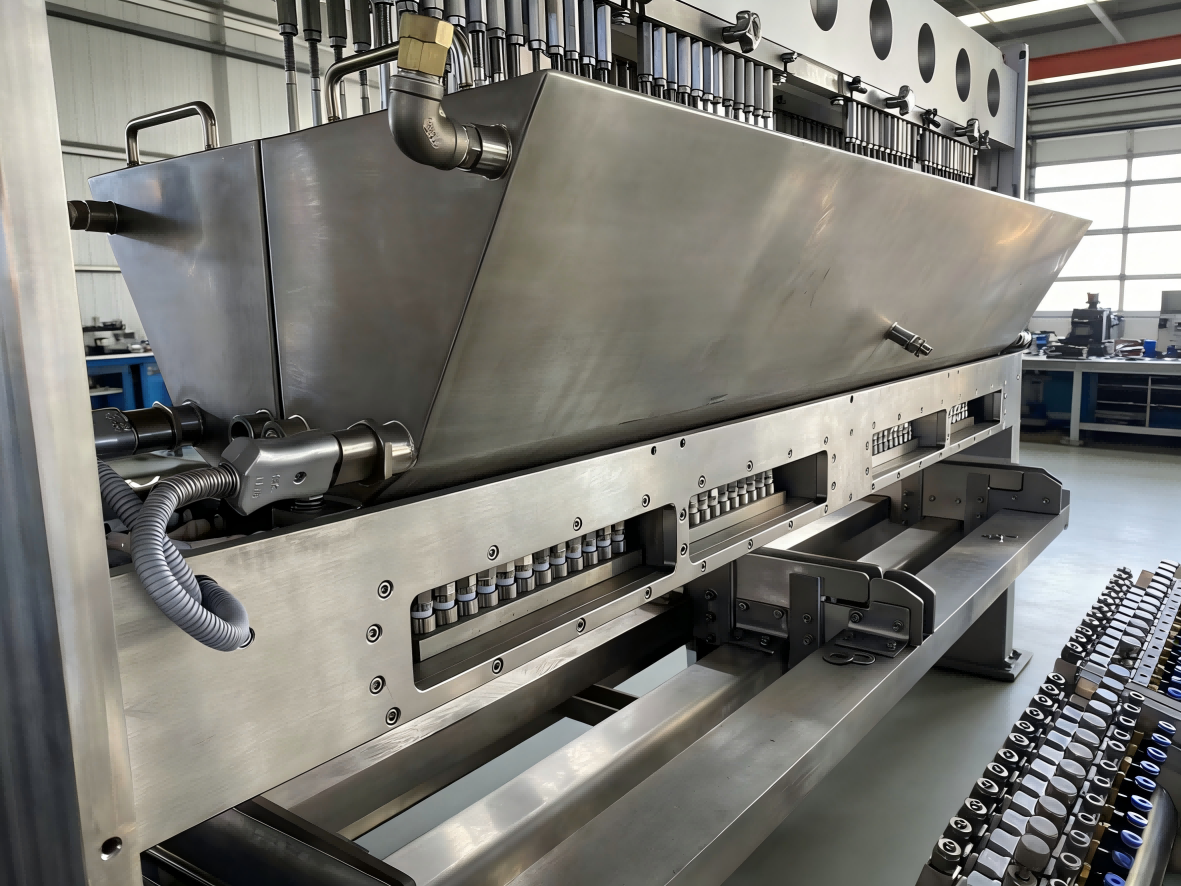
Addressing sticking begins with optimizing mold preparation. Always preheat molds to the recommended temperature and apply a release agent uniformly using automated sprayers for consistency. YTjellycandymachine production lines integrate precise heating systems and automated oiling stations, reducing manual errors and ensuring flawless release every cycle.
Next, control your environment. Install dehumidifiers to maintain 40-50% relative humidity, and ensure steady airflow around cooling tunnels. For formulation tweaks, balance sugars with stabilizers like sorbitol, which reduce tackiness without altering texture. Regular mold maintenance is non-negotiable—polish surfaces weekly and replace worn molds promptly.
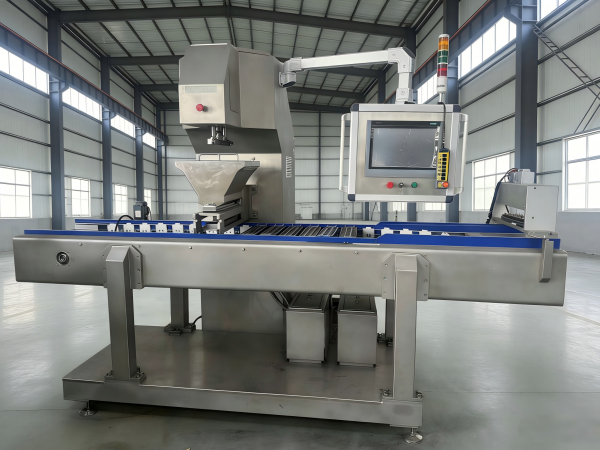
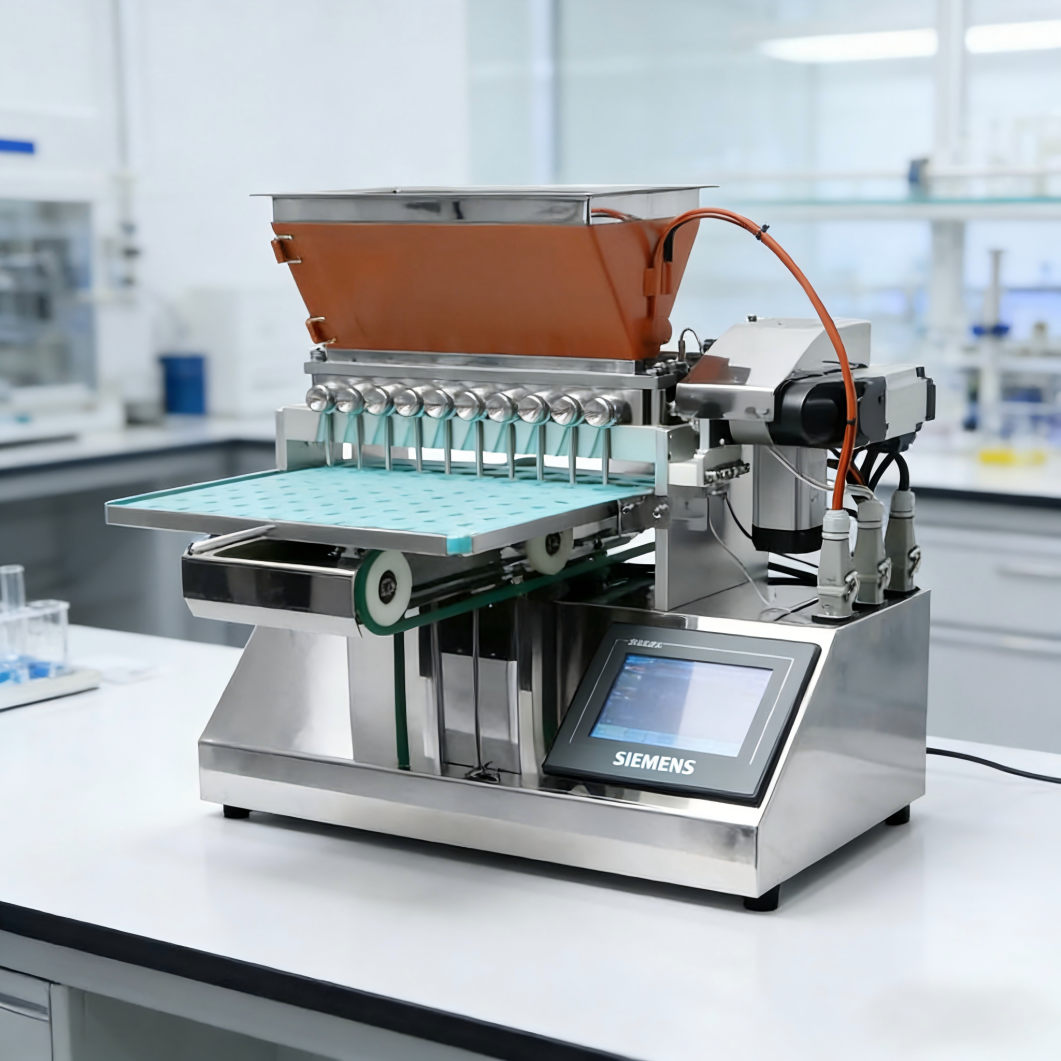
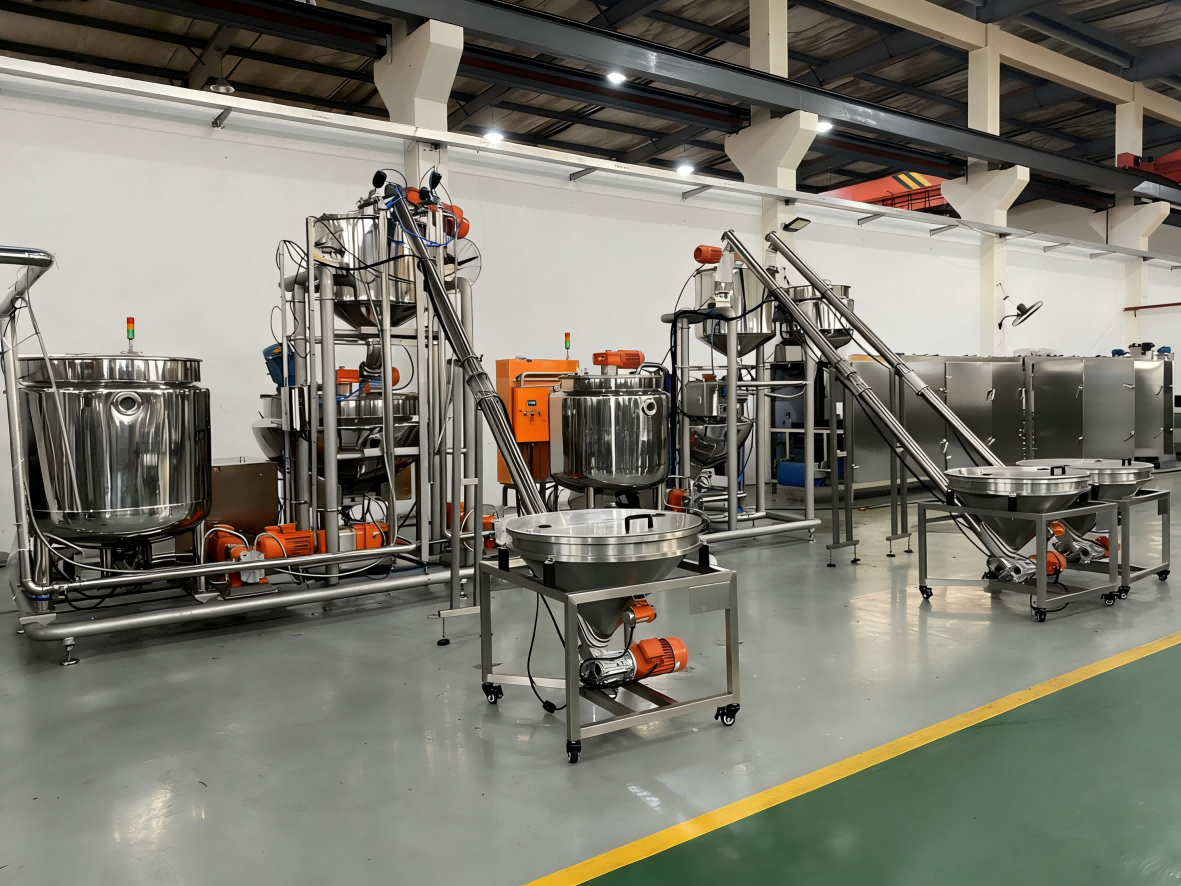
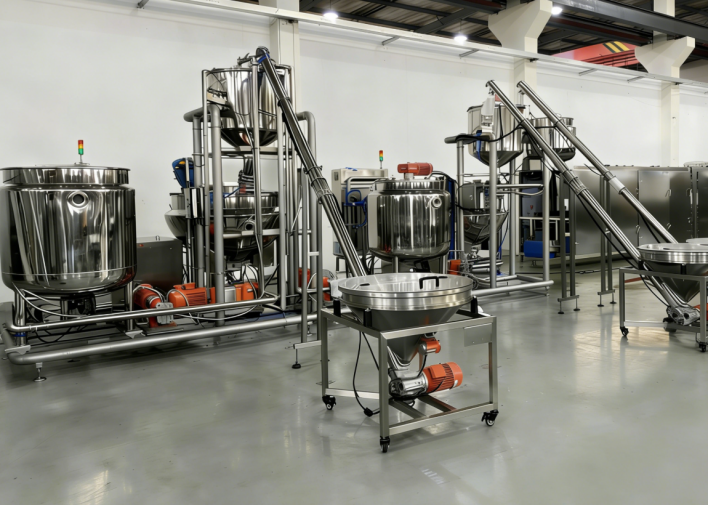
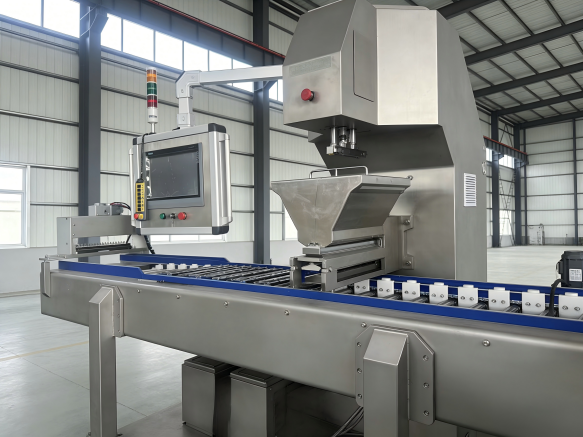
For factories scaling up, investing in advanced equipment transforms this challenge. YTjellycandymachine offers state-of-the-art depositors with non-stick coated molds made from premium PTFE or silicone, engineered for zero-adhesion performance. These systems also feature programmable cooling cycles, adapting to various jelly recipes seamlessly.
To illustrate the impact of different mold types, refer to the table below, which compares common options based on anti-stick efficacy and suitability for high-speed lines.
| Mold Type | Material | Anti-Stick Rating (1-10) | Best For | Maintenance Needs |
|---|---|---|---|---|
| Starch Molds | Corn Starch | 7 | Small batches | High (daily dusting) |
| Metal Molds | Aluminum | 5 | Hard candies | Medium (weekly polishing) |
| Polycarbonate Molds | Plastic | 8 | Jelly gummies | Low (monthly cleaning) |
| YTjellycandymachine Non-Stick Molds | PTFE-Coated Alloy | 10 | High-volume production | Very Low (quarterly inspection) |
As shown, YTjellycandymachine’s proprietary molds outperform standard alternatives, delivering superior release and longevity. Integrating such technology into your line not only fixes sticking but boosts throughput by up to 30%.
Advanced strategies for long-term prevention
Beyond basics, adopt automation for precision. Servo-driven depositors ensure even mass distribution, minimizing air pockets that cause sticking. Pair this with inline vision systems to detect defects early. Training staff on best practices— from recipe logging to mold rotation—fosters a culture of excellence.
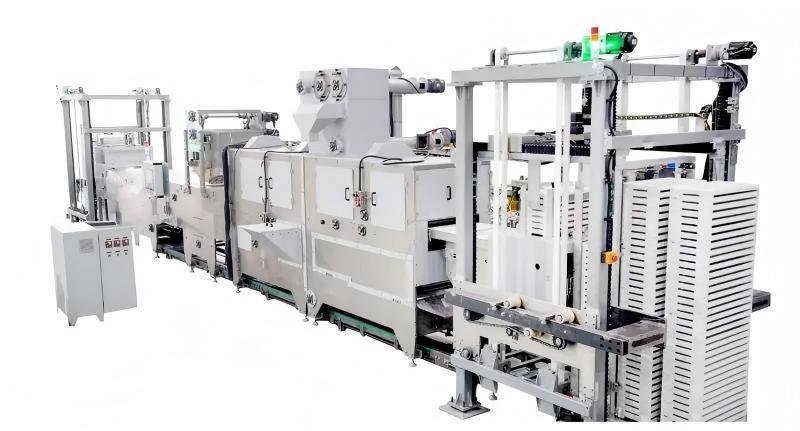
For biscuit or candy gummy factories eyeing expansion, YTjellycandymachine provides turnkey solutions tailored to your needs. Our production lines from China incorporate these anti-stick features as standard, helping clients worldwide achieve consistent, high-quality output with minimal downtime. Regular software updates further refine cooling and deposition parameters based on real-time data.
Implementing these strategies requires initial effort but yields substantial returns. Factories using YTjellycandymachine report near-elimination of sticking issues, allowing focus on innovation rather than firefighting.
Conclusion
Jelly candy sticking to molds is a solvable challenge that, when addressed proactively, enhances production efficiency and product quality. By diagnosing causes through systematic checks, applying proven fixes, and upgrading to reliable equipment like YTjellycandymachine lines, your factory can overcome this hurdle. Embrace these insights to streamline operations, reduce waste, and captivate customers with flawless jellies. Contact YTjellycandymachine today to elevate your production capabilities.
Last Updated on May 14, 2026 by YTjellycandymachine