Table of Contents
How to scale your candy production from small to industrial capacity
Scaling candy production from a small-scale operation to industrial levels represents a pivotal step for businesses aiming to meet growing market demands and expand their reach. Whether you operate a boutique gummy factory or a biscuit production line venturing into candies, transitioning requires strategic planning, investment in robust machinery, and process optimization. This article outlines a comprehensive roadmap, highlighting practical steps and tools like those provided by YTjellycandymachine, a leading Chinese manufacturer of food production lines tailored for candy and gummy makers.
As consumer preferences shift toward innovative confections such as jelly candies and gummies, factories must evolve from manual or semi-automated setups to fully integrated industrial systems. This shift not only boosts output but also enhances efficiency, reduces costs, and ensures consistency. By following a structured approach, producers can seamlessly upgrade without disrupting operations.
Assess Current Production Capacity
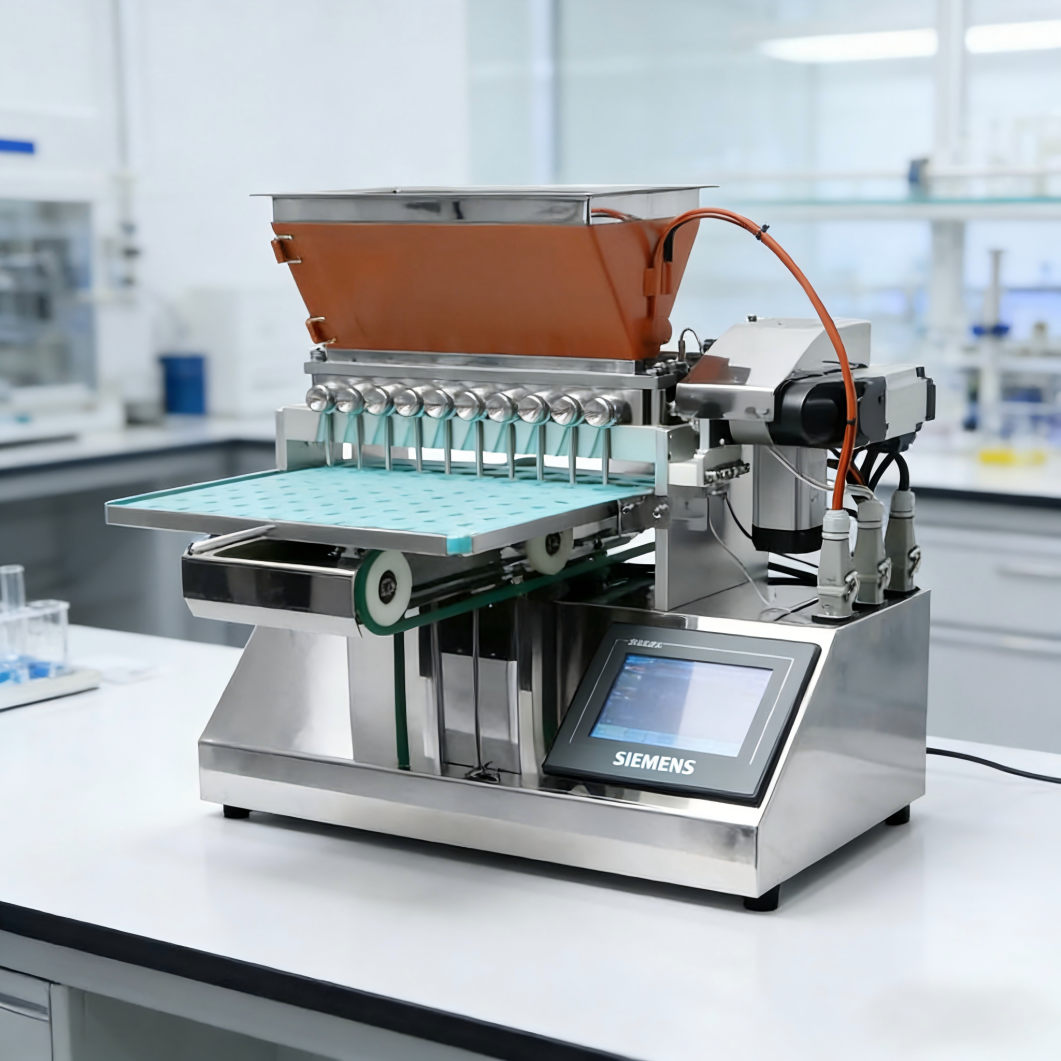
Before embarking on expansion, conduct a thorough evaluation of your existing setup. Analyze daily output, equipment limitations, workforce efficiency, and bottleneck areas. For instance, small-scale candy kitchens often produce 100-500 kg per day using batch cookers and manual depositors, whereas industrial lines target 5-20 tons daily.
Gather data on peak demand periods, especially for seasonal gummy products, and forecast future growth based on market trends. Tools like production logs and ERP software can reveal inefficiencies, such as prolonged cooling times or inconsistent molding. This assessment serves as the foundation, guiding investments toward scalable solutions from providers like YTjellycandymachine.
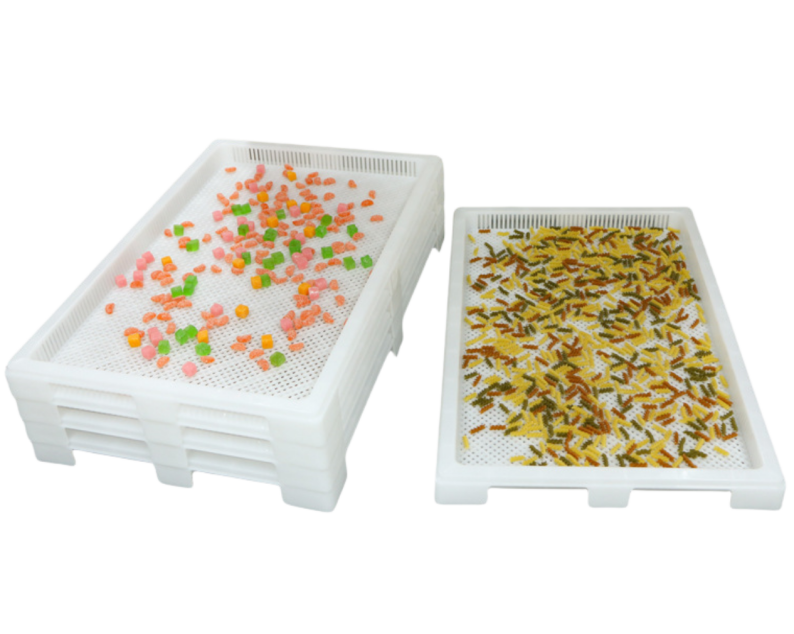
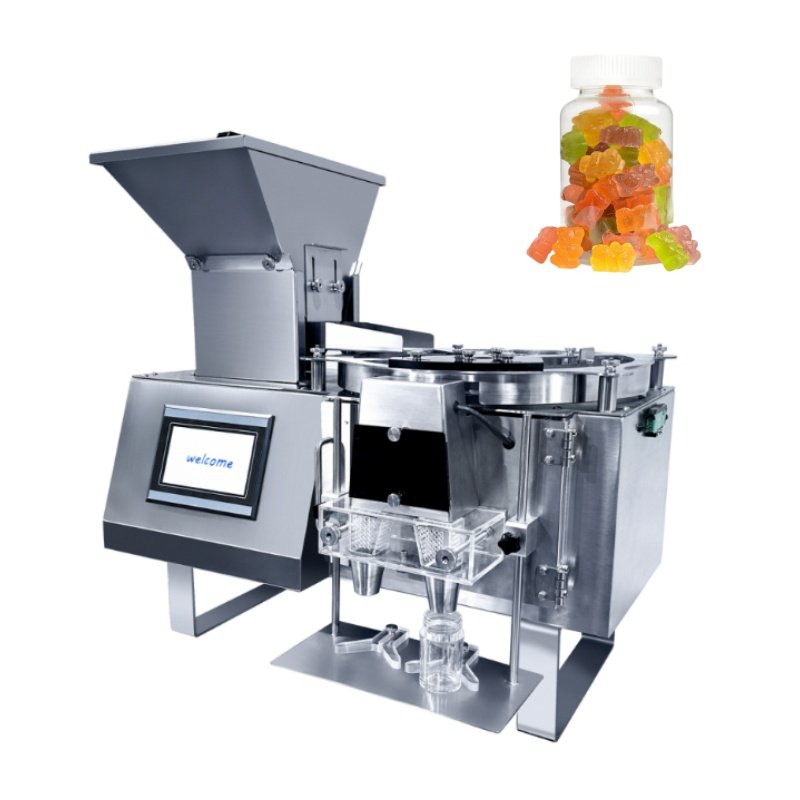
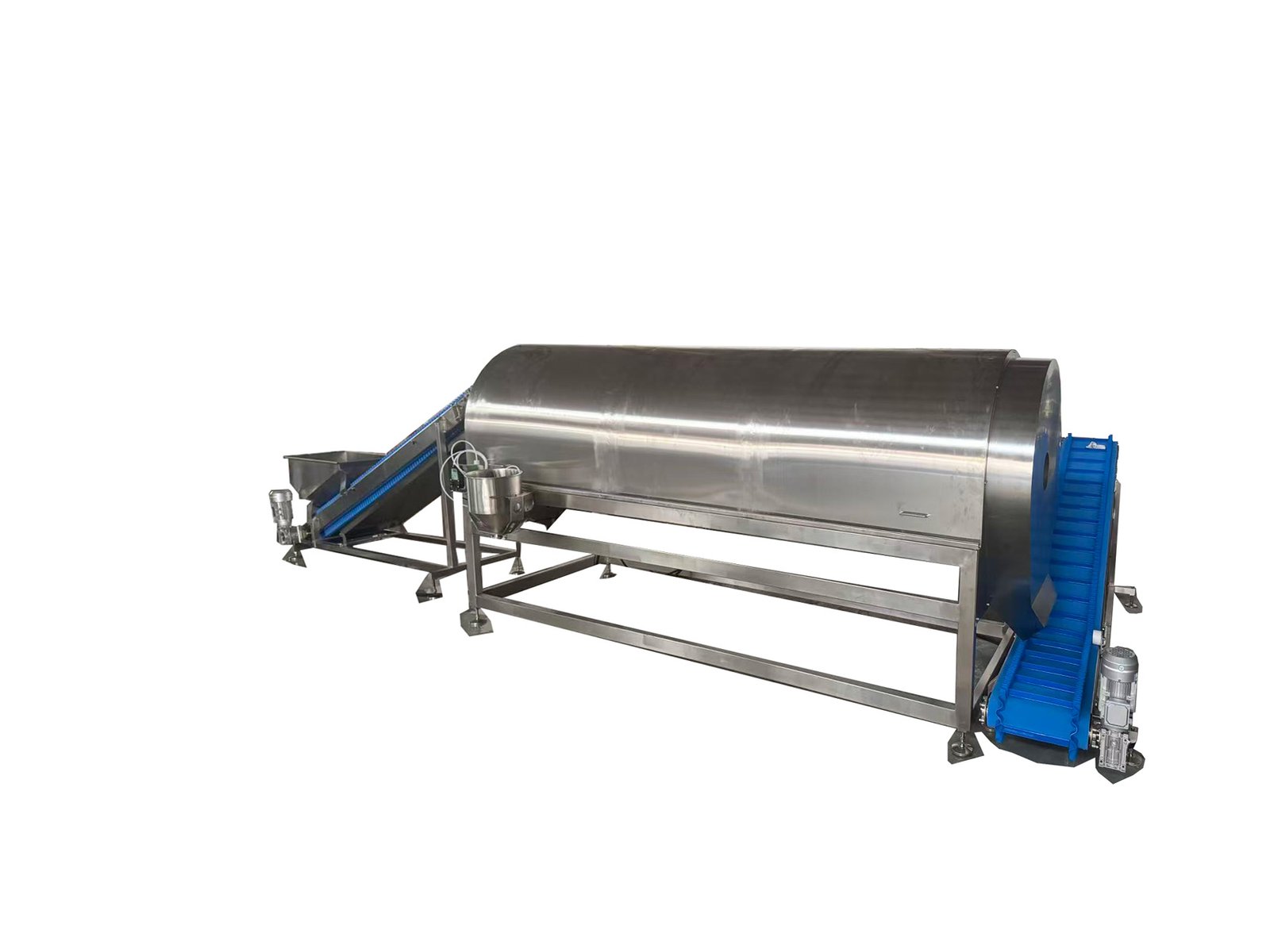
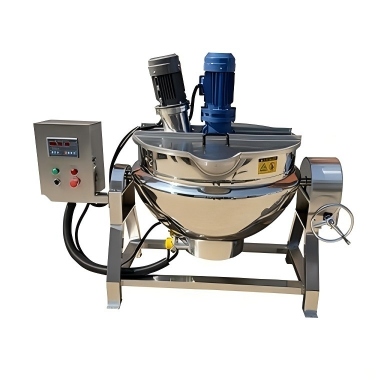
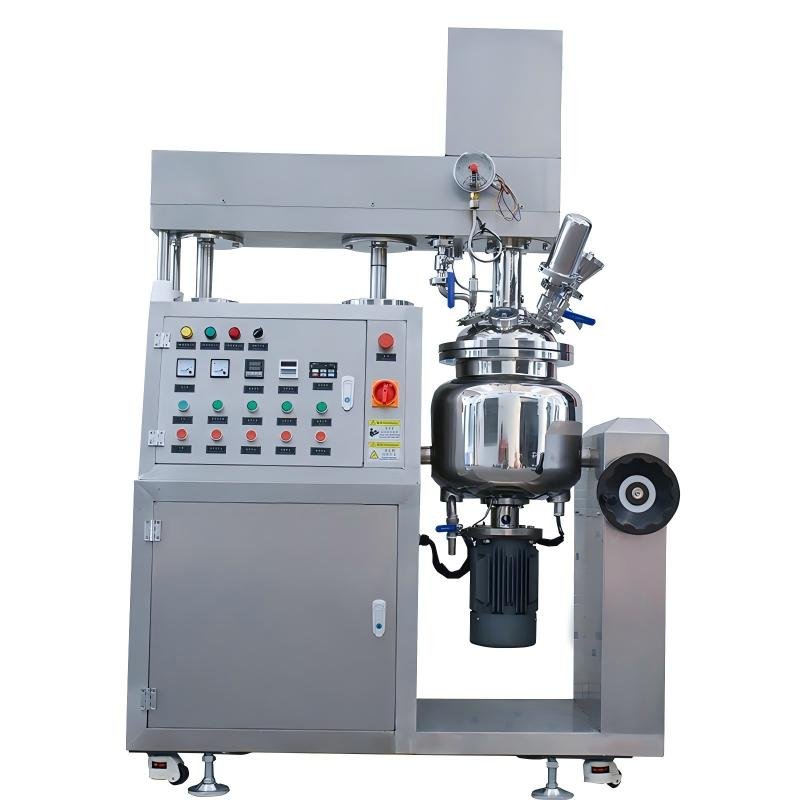
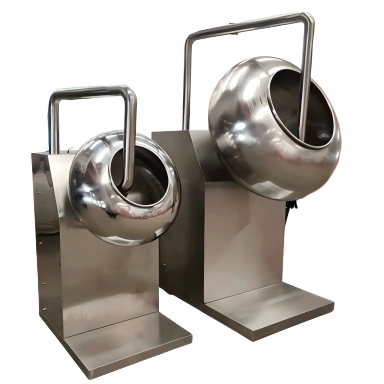
Transitioning smoothly requires benchmarking against industry standards. Compare your metrics to peers: if your gummy deposition rate lags behind competitors, prioritize automation upgrades.
Key Steps to Scaling Production
With assessment complete, follow these structured steps to scale effectively. Each phase builds on the previous, ensuring minimal downtime and maximum ROI.
- Plan Infrastructure Upgrades: Expand facility space for larger machinery footprints and raw material storage. Ensure utilities like power, water, and steam meet industrial demands.
- Source Reliable Suppliers: Partner with manufacturers specializing in turnkey production lines, such as YTjellycandymachine, known for customizable gummy and jelly candy setups.
- Implement Automation: Integrate PLC-controlled systems for cooking, molding, cooling, and packaging to handle high volumes precisely.
- Train Workforce: Upskill employees on new equipment through vendor-provided programs, fostering a culture of continuous improvement.
- Monitor and Iterate: Use IoT sensors for real-time data, adjusting processes to optimize yield and minimize waste.
These steps provide a clear pathway, reducing risks associated with rapid expansion.
Invest in Industrial-Grade Machinery
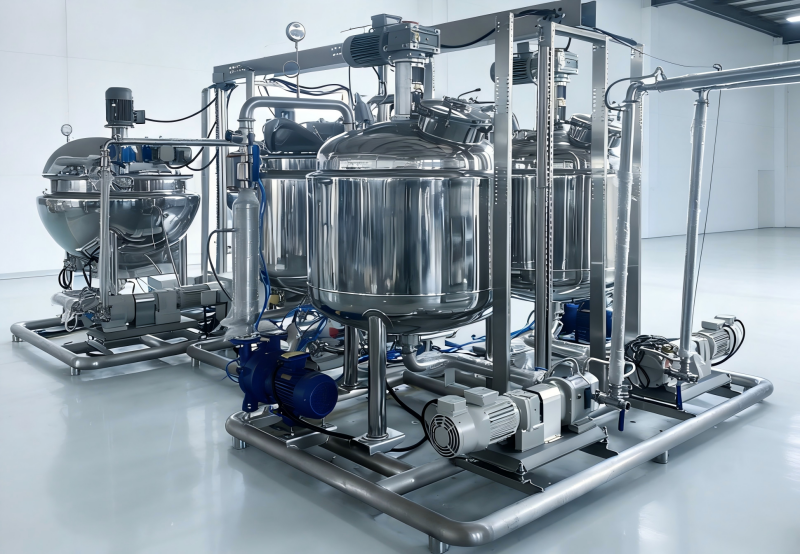
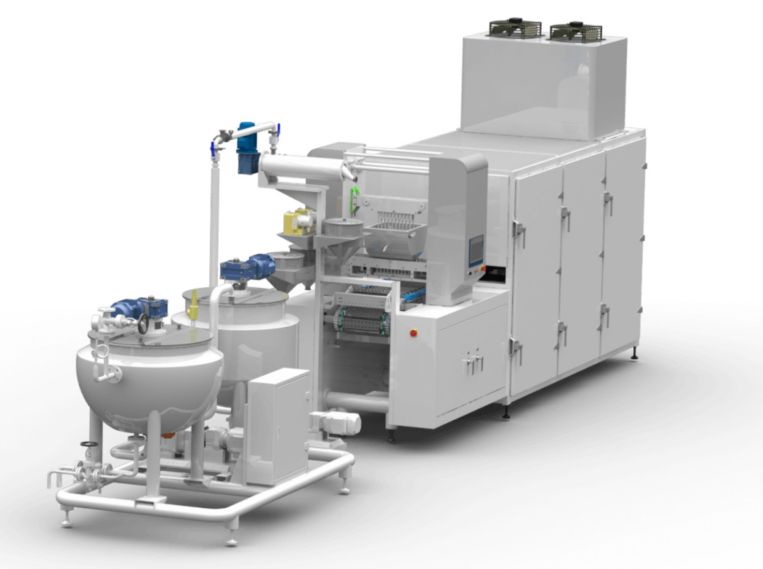
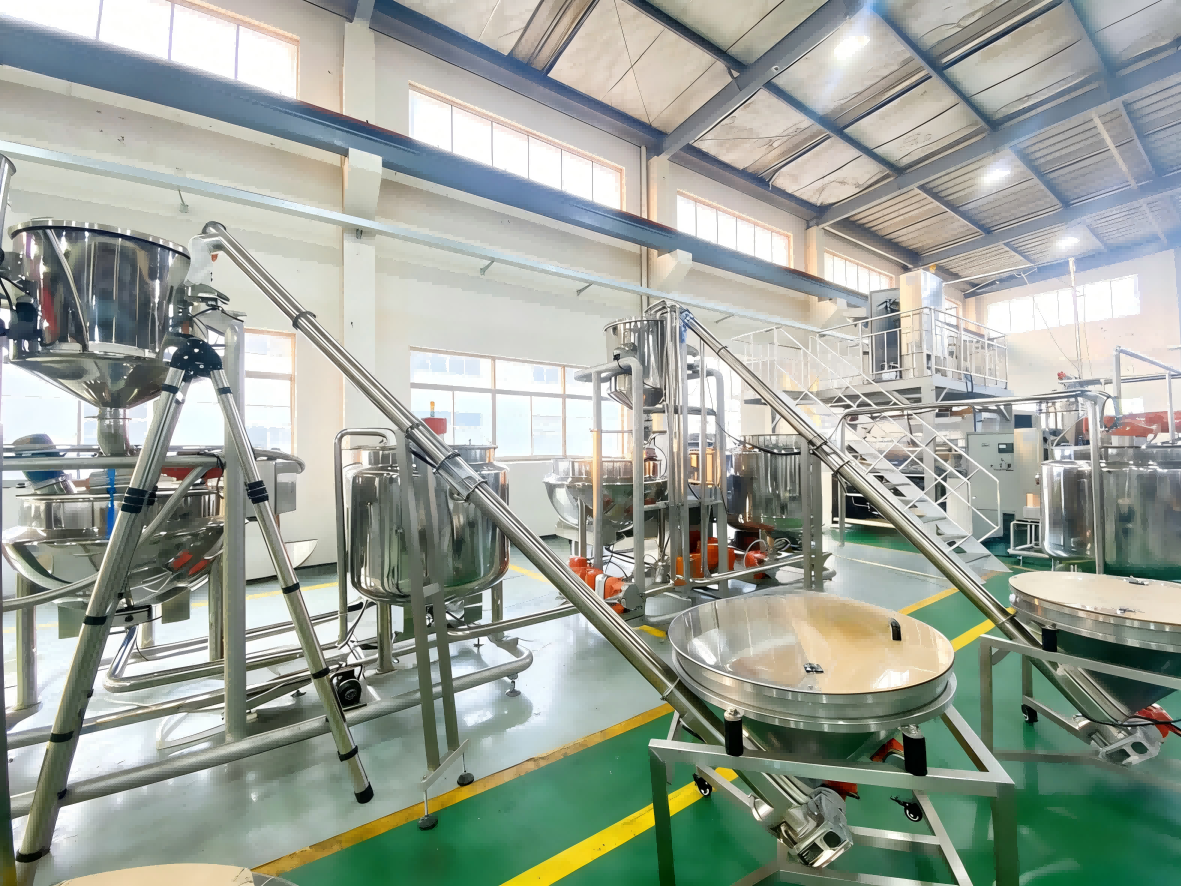
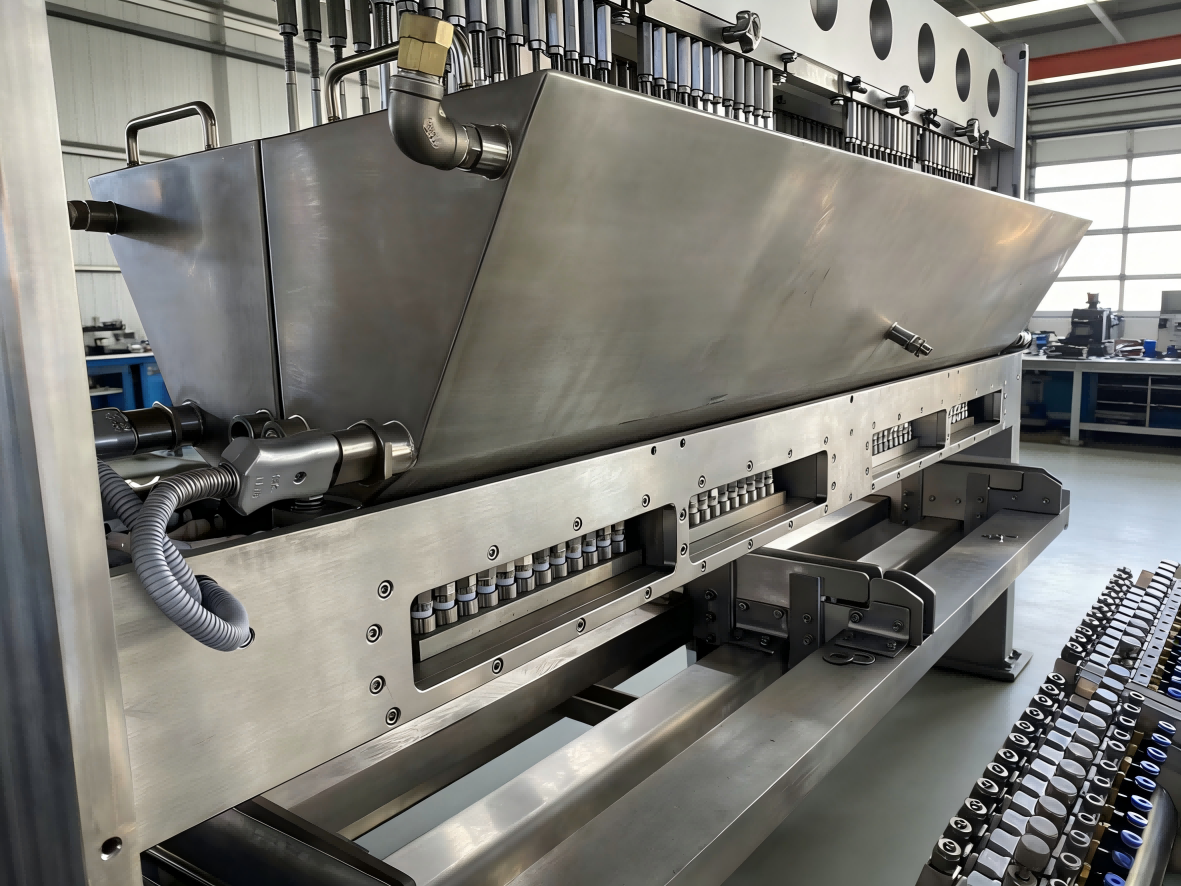
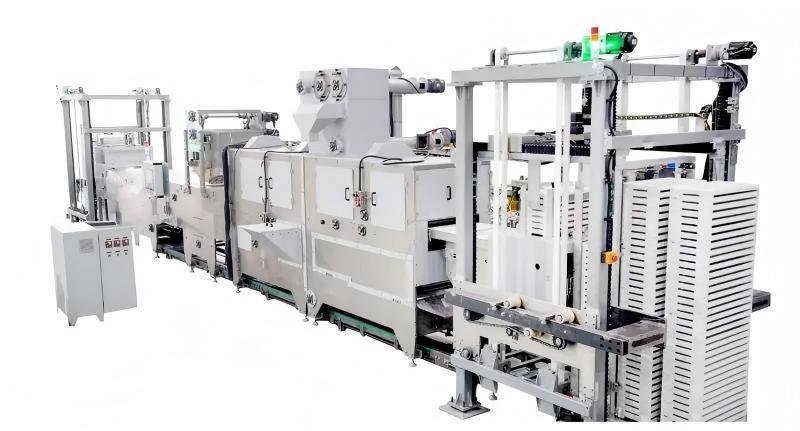
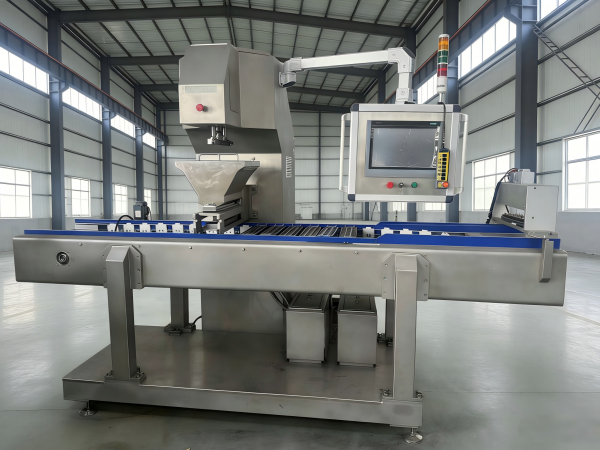
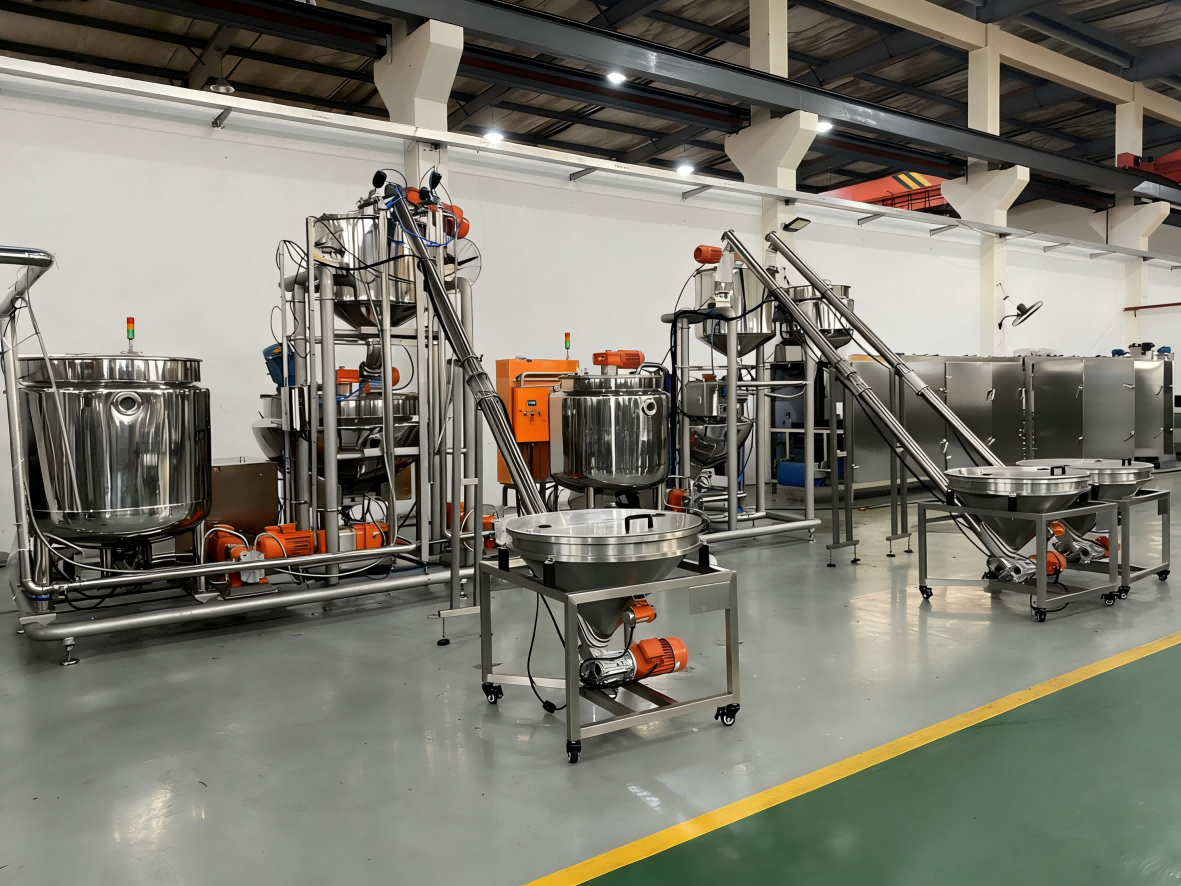
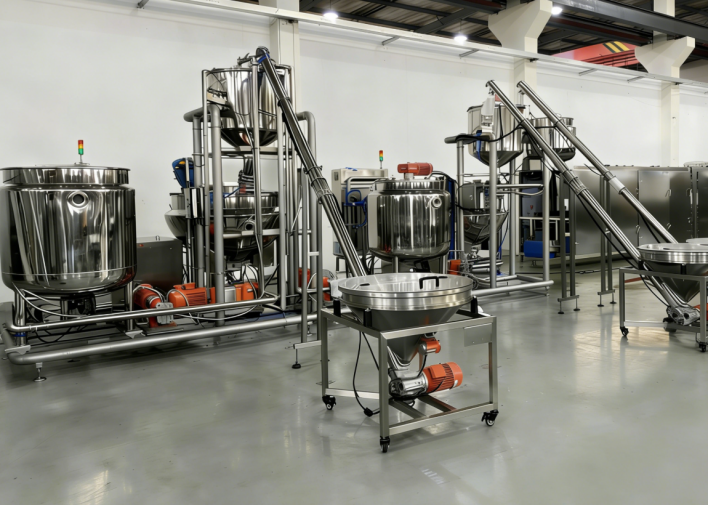
Central to scaling is acquiring machinery capable of industrial throughput. YTjellycandymachine excels here, offering complete production lines from mixing to packaging, ideal for gummy and jelly candy factories transitioning from artisanal to mass production.
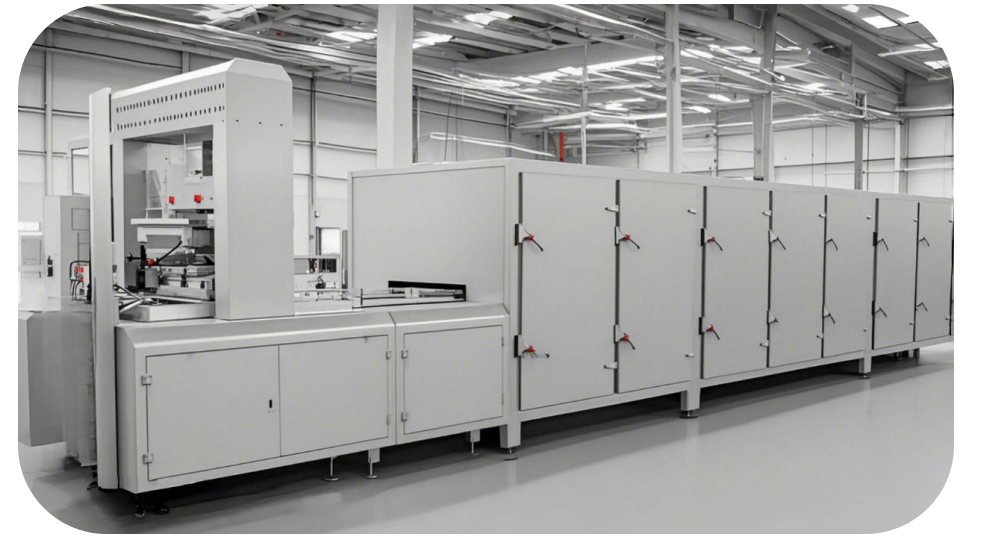
Key components include continuous cookers that process up to 2 tons/hour, automatic starch moguls for precise depositor integration, and tunnel coolers ensuring uniform texture. For biscuit producers diversifying into candies, YTjellycandymachine’s versatile lines accommodate hybrid recipes with minimal reconfiguration.
Moreover, their energy-efficient designs lower operational costs by 20-30% compared to outdated models, making them a smart investment for long-term scalability.
Production Capacity Comparison Table
| Aspect | Small-Scale | Industrial-Scale (YTjellycandymachine Line) |
|---|---|---|
| Daily Output | 200-500 kg | 5-20 tons |
| Operators Needed | 5-10 | 15-30 |
| Automation Level | Manual/Semi | Fully Automated PLC |
| Energy Consumption | 50-100 kW | 200-500 kW (efficient) |
| Product Consistency | Variable | 99.9% Uniform |
| ROI Timeline | N/A | 12-18 Months |
This table illustrates the transformative impact of upgrading to systems like those from YTjellycandymachine, enabling factories to leap from boutique to market leader status.
Optimize Operations and Quality Control
Scaling demands refined operations. Implement lean manufacturing principles to streamline workflows, reducing changeover times between flavors from hours to minutes. Advanced sanding and demolding stations ensure flawless finishes on gummies.
Quality control elevates with in-line vision systems detecting defects instantly, complying with global standards like HACCP and ISO 22000. YTjellycandymachine integrates these features seamlessly, minimizing recalls and enhancing brand reputation.
As you integrate new lines, focus on supply chain reliability—secure bulk gelatin and sugar contracts to match heightened production rates.
Financial and Market Strategies
Budgeting for scale-up involves calculating CAPEX for machinery (typically $500K-$2M for full lines) against projected revenues from expanded markets. Financing options like vendor leasing from YTjellycandymachine ease upfront burdens.
Market your industrial capabilities through certifications and demos, targeting distributors in Europe, North America, and Asia. Diversify into functional gummies to tap premium segments, leveraging your upgraded capacity.
In conclusion, scaling candy production from small to industrial levels unlocks exponential growth opportunities for gummy and biscuit factories. By assessing needs, following proven steps, investing in top-tier equipment like YTjellycandymachine production lines, and optimizing relentlessly, businesses achieve sustainable success. Embrace this transformation today to dominate the confectionery landscape.
Last Updated on May 7, 2026 by YTjellycandymachine