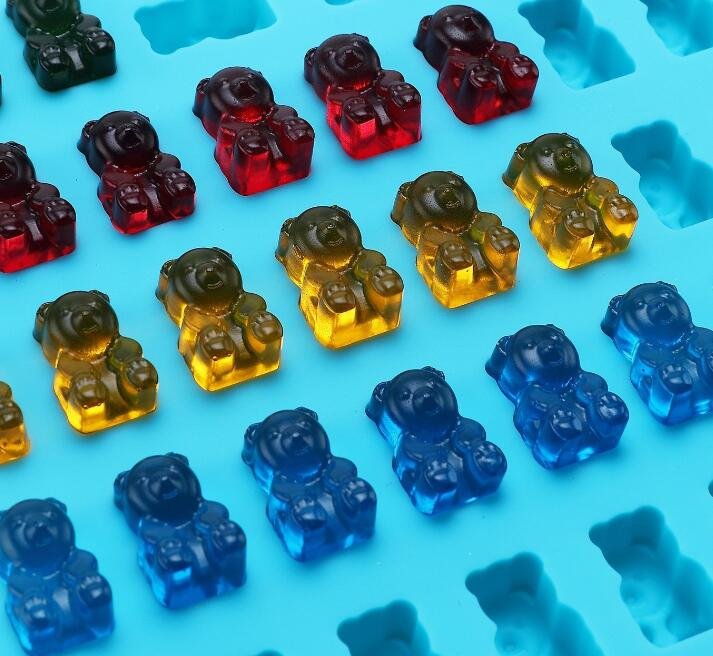
In the competitive world of confectionery manufacturing, producing jelly candies with uniform weight and size is paramount for quality control, regulatory compliance, and customer satisfaction. Inconsistent products can lead to waste, financial losses, and damage to brand reputation. For factories specializing in biscuits or gummy candies transitioning to jelly production, mastering this aspect ensures scalability and market edge. This article explores proven methods to achieve consistency, highlighting how YTjellycandymachine’s advanced production lines can transform your operations.
Transitioning from biscuit or gummy lines to jelly candy requires precise control over multiple variables. Jelly candies, with their delicate gelatin-based structure, are particularly susceptible to variations in deposition, cooling, and demolding processes. Let’s delve into the core challenges first.
Table of Contents
Common Challenges in Jelly Candy Production
One primary issue is ingredient variability, where fluctuations in gelatin strength or sugar syrup viscosity affect mold filling. Temperature inconsistencies during cooking or cooling can cause expansion or contraction, altering final dimensions. Manual handling in smaller setups exacerbates errors, leading to uneven weights. For biscuit factories adapting to softer confections like jelly, these hurdles are amplified without specialized equipment.
Additionally, mold wear and alignment problems contribute to size discrepancies. High-speed lines demand millisecond precision, which traditional machinery often lacks. Addressing these systematically paves the way for reliable output.
Essential Factors for Uniformity
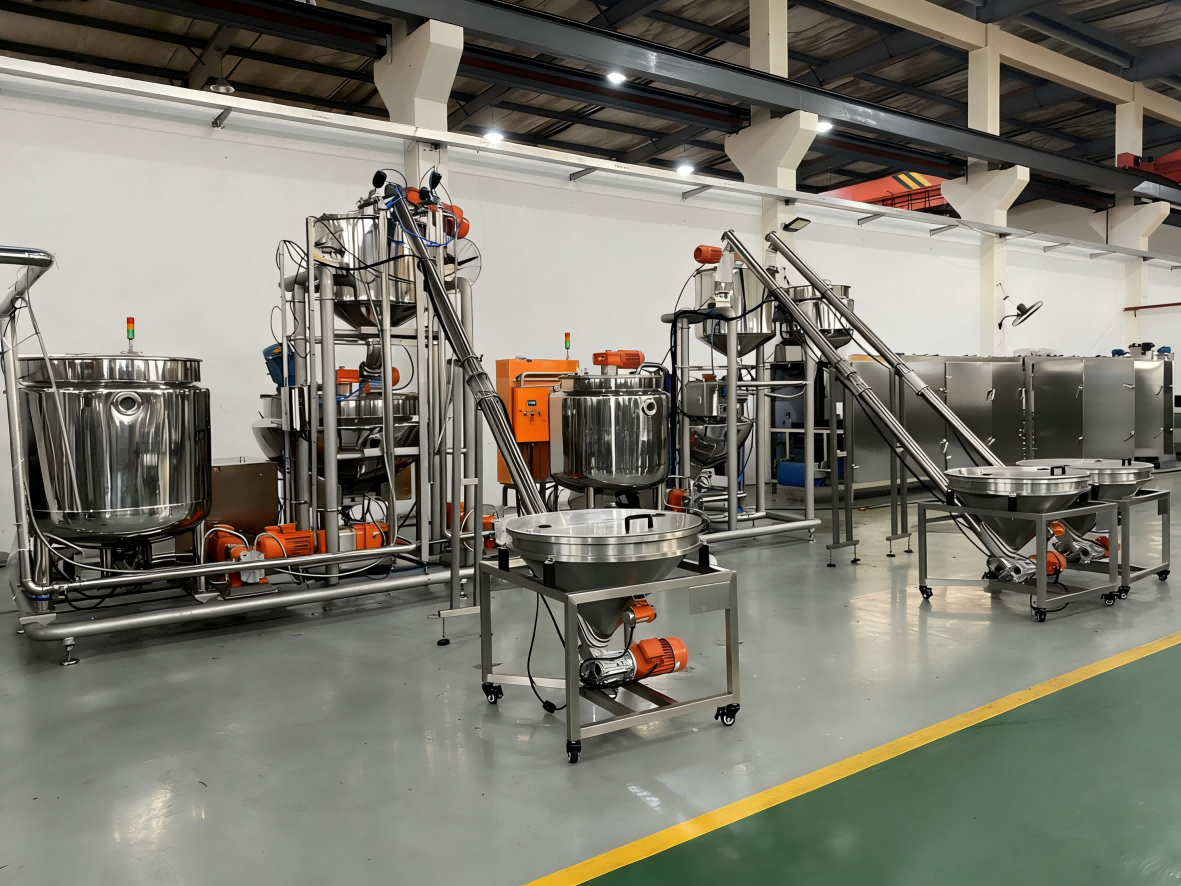
To ensure every jelly candy meets exact specifications, focus on raw material standardization. Use calibrated scales and automated dosing systems to measure ingredients precisely, minimizing batch-to-batch differences. Maintaining a consistent cooking temperature—typically between 105-110°C—prevents over- or under-caramelization, which impacts weight.
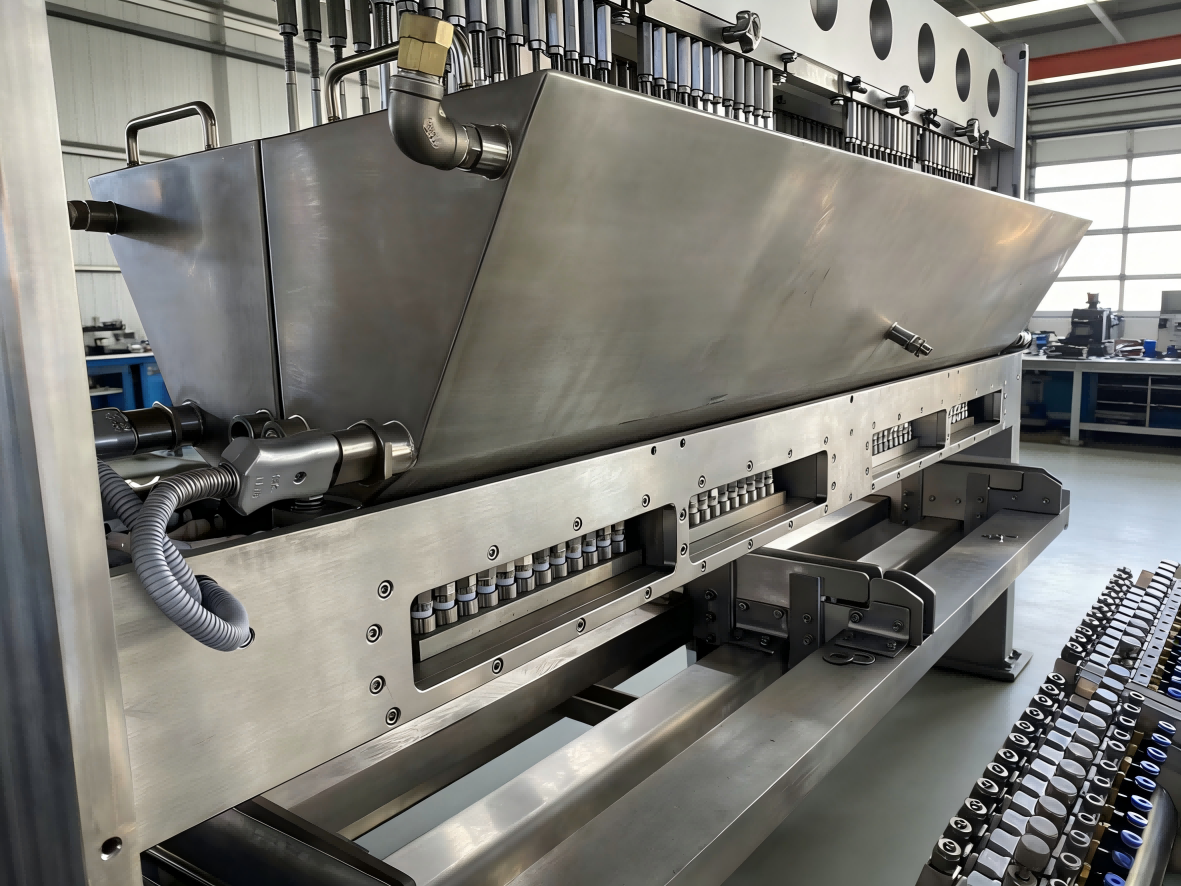
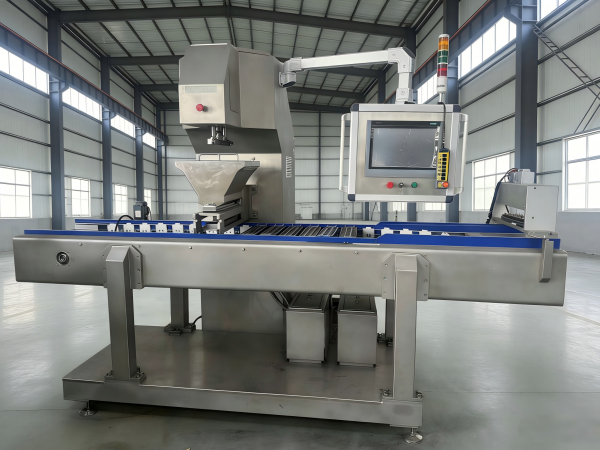
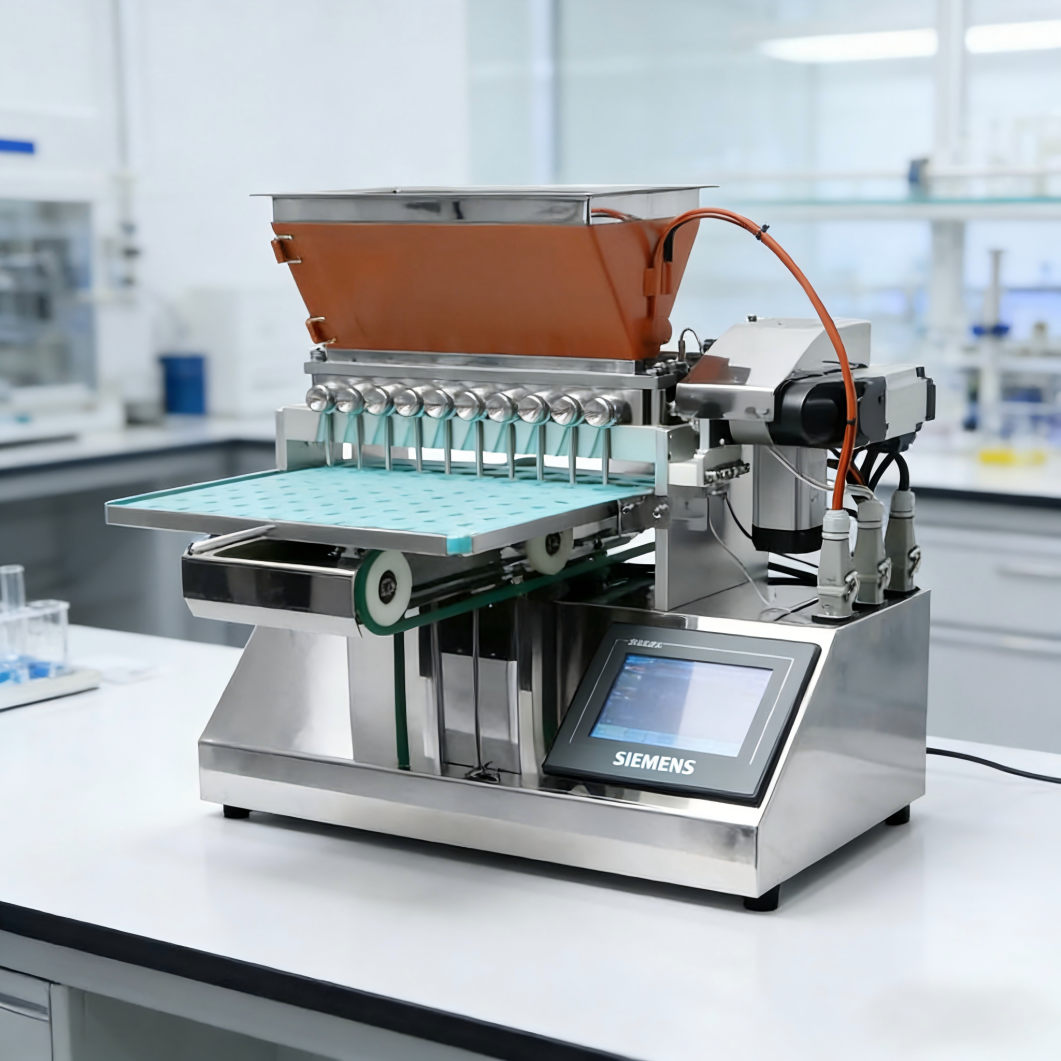
Next, consider the deposition stage. Servo-driven depositors provide volumetric accuracy, depositing exact amounts into molds. Cooling tunnels with uniform airflow stabilize shapes, reducing shrinkage variations to under 1%. For gummy candy producers eyeing jelly lines, integrating these controls mirrors the precision of biscuit extruders but tailored for fluid depositions.
Step by Step Guide to Consistency
Implementing a structured approach guarantees results. The following numbered list outlines key steps:
- Calibrate all scales and pumps daily to ensure dosing accuracy within 0.1g tolerances.
- Standardize recipes with moisture analyzers to maintain syrup consistency at 12-15% solids.
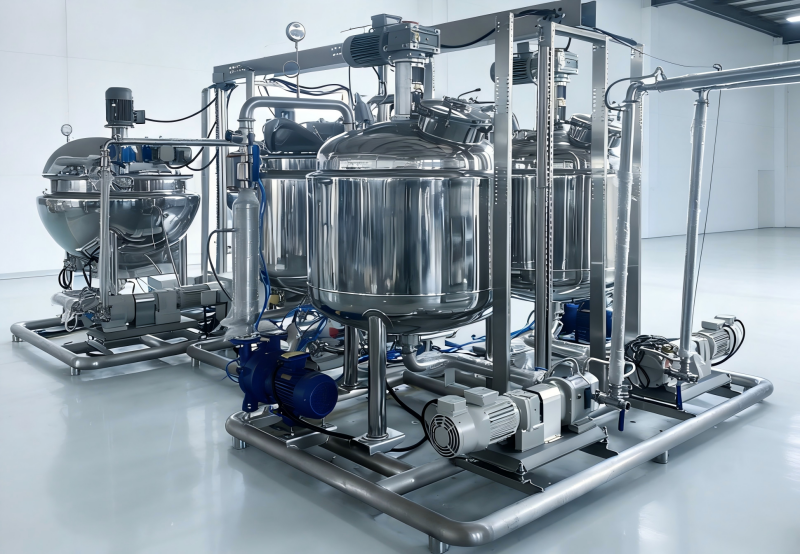
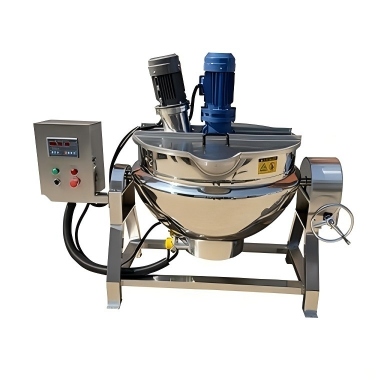
- Employ temperature-controlled cookers to hit precise endpoints, verified by refractometers.
- Use multi-row depositors for simultaneous, uniform filling across molds.
- Monitor cooling with infrared sensors, adjusting belts for even exposure.
- Conduct post-demolding weighing checks with reject mechanisms for outliers.
- Regularly maintain molds and lubricate to prevent sticking and deformation.
By following these steps sequentially, factories can achieve 99%+ uniformity, significantly boosting throughput.
Role of Advanced Production Lines
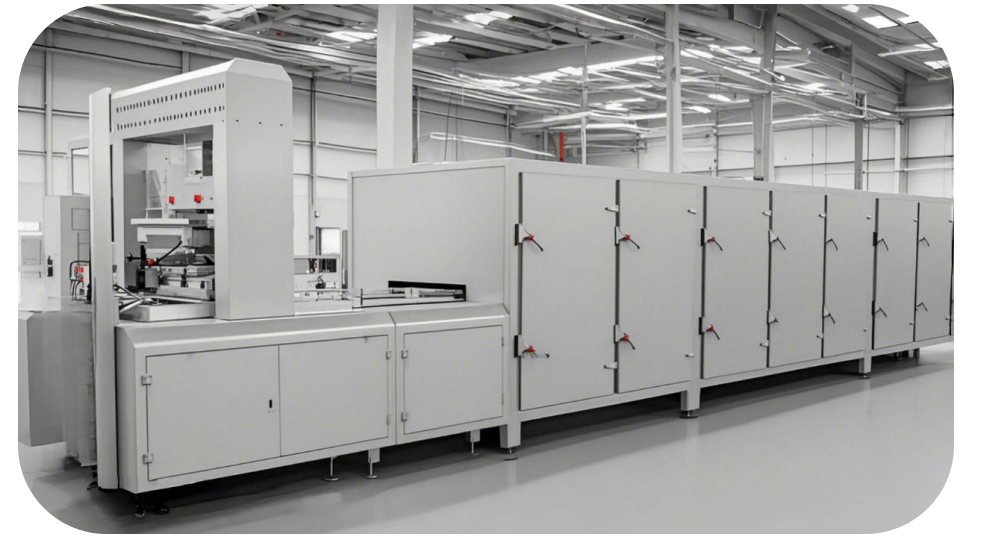
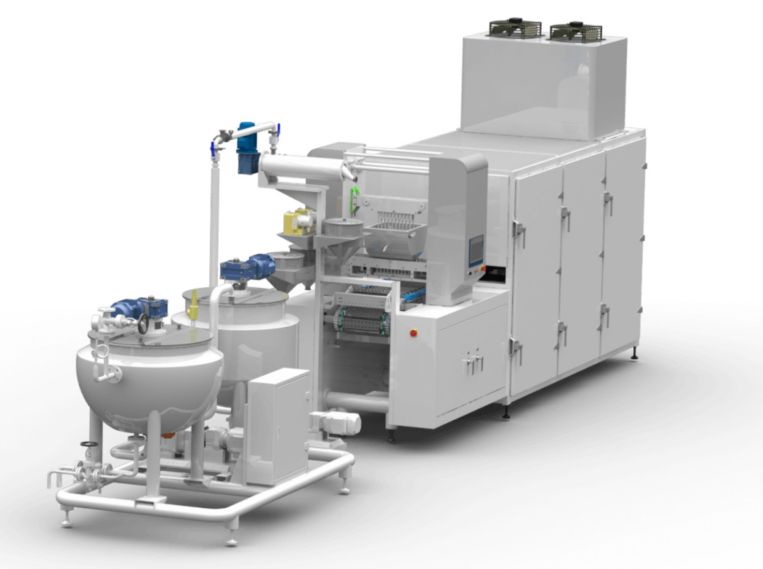
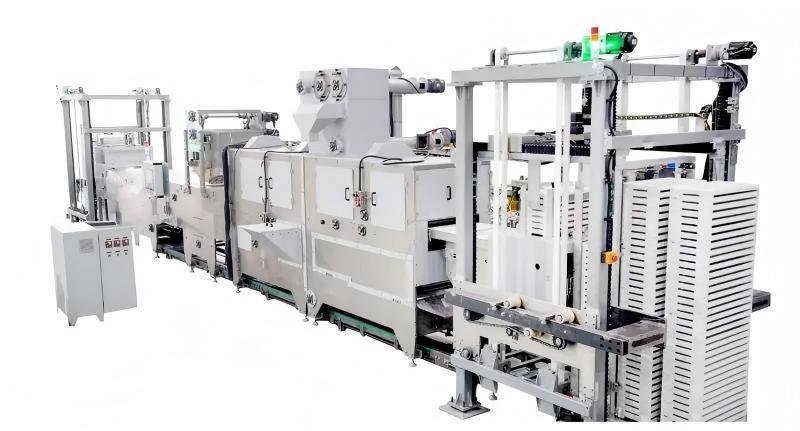
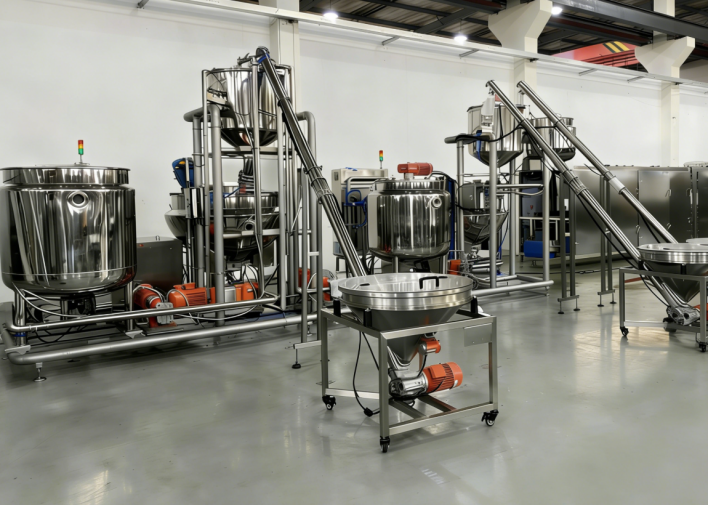
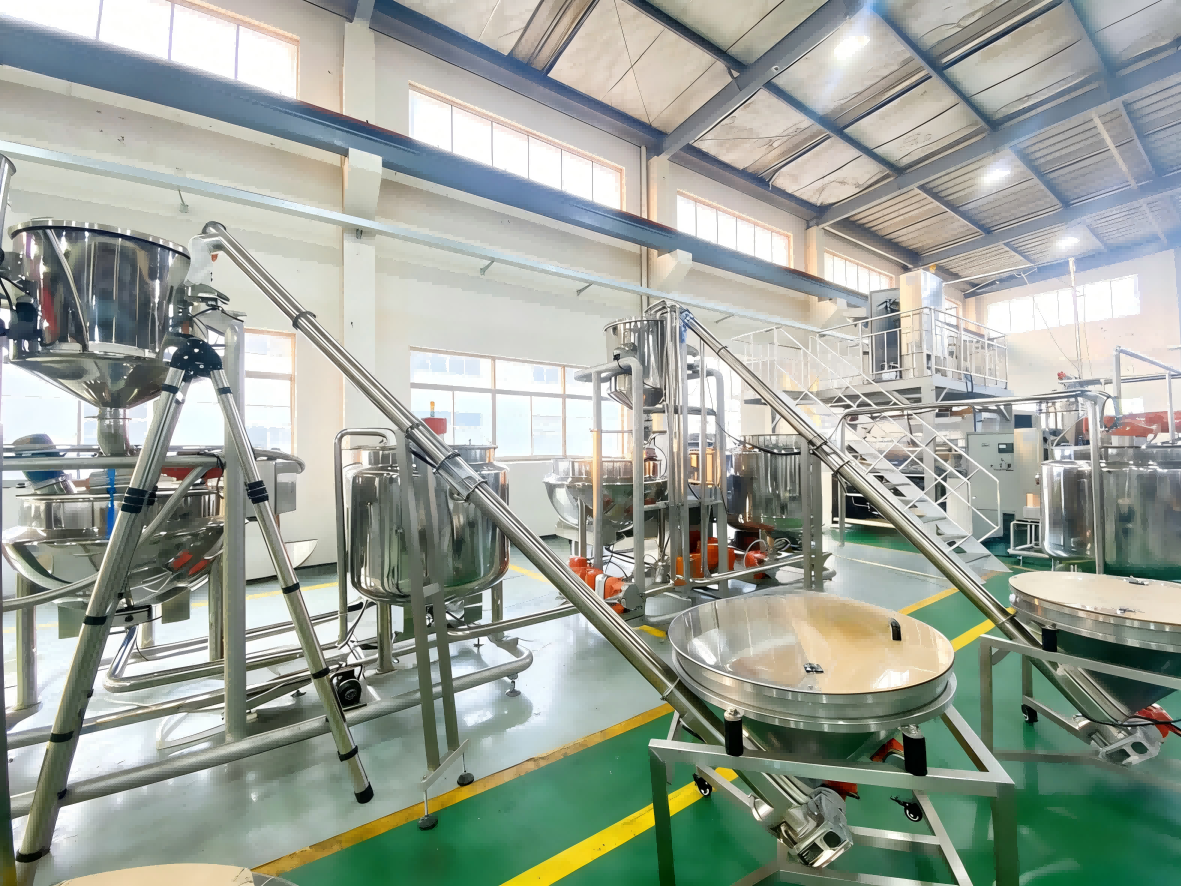
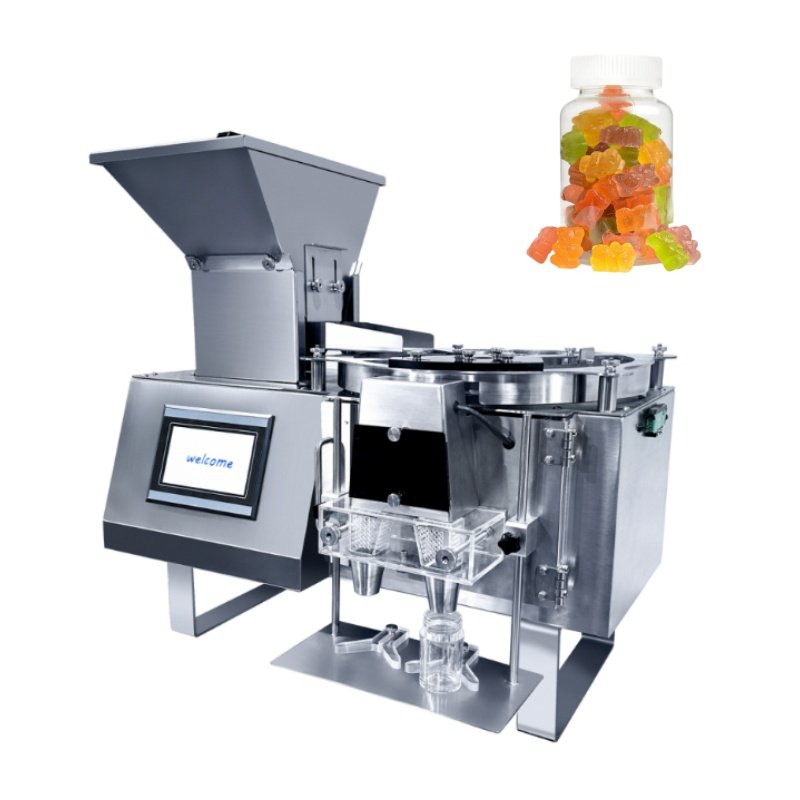
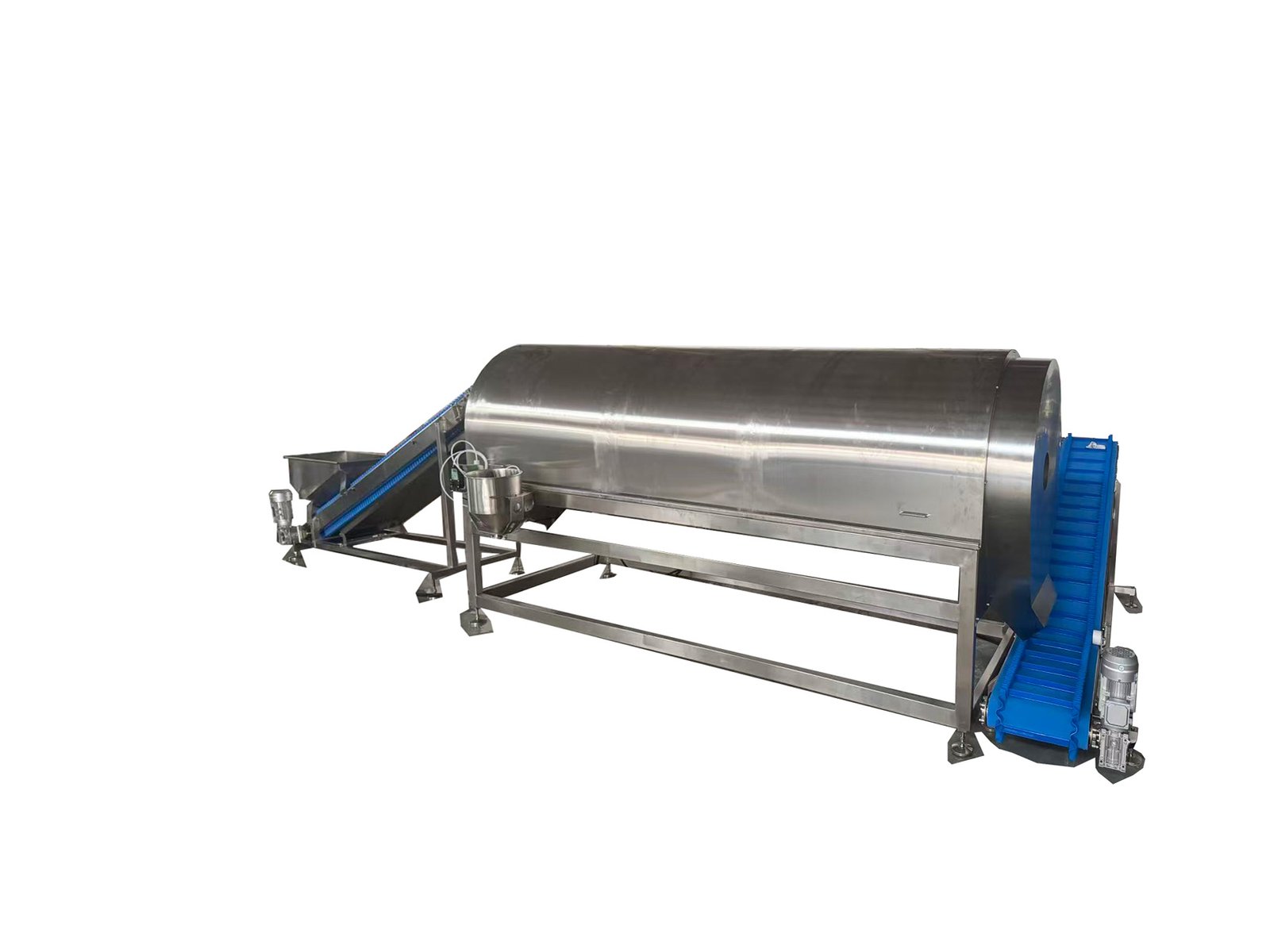
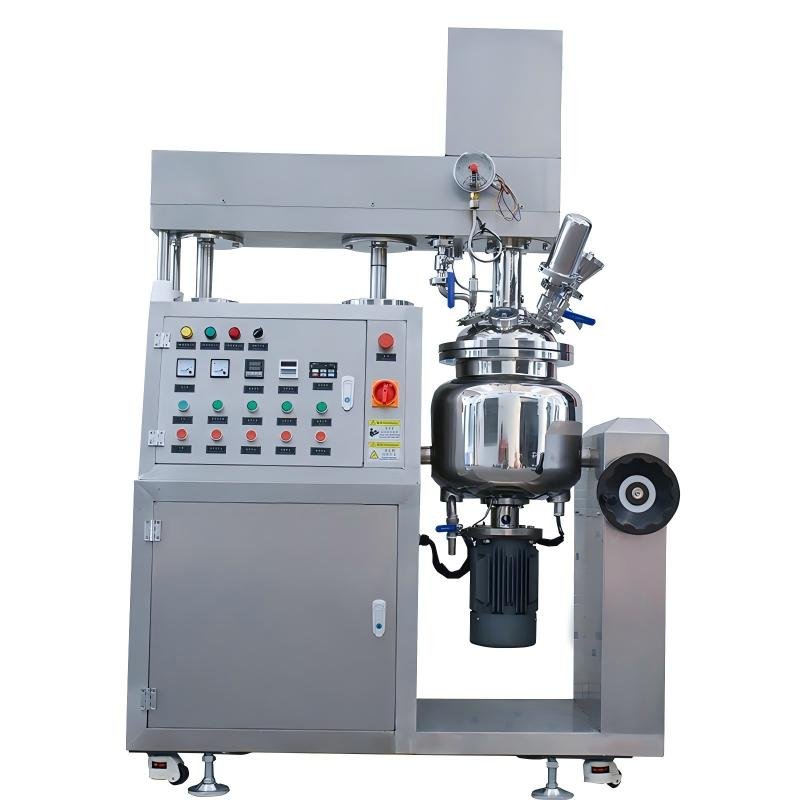
While manual methods suffice for small batches, scaling up necessitates automation. YTjellycandymachine’s production lines excel here, integrating PLC controls for real-time adjustments. Their depositors feature pneumatic or servo pumps that deliver pinpoint accuracy, ideal for high-volume jelly runs.
To illustrate the benefits, consider this comparison table of production methods:
| Method | Weight Variance | Size Consistency | Output Speed (kg/hr) | YTjellycandymachine Integration |
|---|---|---|---|---|
| Manual | ±5-10% | ±3-5mm | 50-100 | Not applicable |
| Semi-Auto | ±2-4% | ±1-2mm | 200-500 | Partial upgrade |
| Fully Automated (YTjellycandymachine) | ±0.5% | ±0.5mm | 1000-3000 | Complete solution |
This table underscores how YTjellycandymachine elevates performance, making it a top choice for biscuit and gummy factories upgrading to jelly production.
Quality Control and Monitoring
Beyond machinery, robust in-line inspection is crucial. Vision systems scan for size anomalies, while load cells weigh samples continuously. Data logging allows trend analysis, preempting issues. YTjellycandymachine incorporates these seamlessly, providing dashboards for operators.
For factories from biscuit lines, where hardness testing is routine, adapting to jelly’s texture checks involves penetrometers. Combining these with YTjellycandymachine’s feedback loops ensures ongoing precision.
Maintenance and Training
Sustained consistency hinges on upkeep. Schedule weekly cleanings and quarterly part replacements. Train staff on software interfaces to leverage full capabilities. YTjellycandymachine offers comprehensive training, easing transitions for candy gummy producers.
Moreover, energy-efficient designs reduce costs, with ROI often within 12 months for mid-sized plants. As production scales, these investments compound reliability.
Case Studies and Real World Results
Numerous clients, including those shifting from biscuits, report transformative outcomes with YTjellycandymachine. One gummy factory achieved 0.3% weight variance post-installation, slashing rejects by 70%. Such metrics highlight the brand’s reliability in diverse settings.
Transitioning smoothly involves pilot testing, which YTjellycandymachine supports, customizing lines to your specs.
In summary, ensuring consistent weight and size in jelly candies demands a blend of precise processes, vigilant monitoring, and cutting-edge equipment. By adopting the strategies outlined— from standardized steps to automated lines like those from YTjellycandymachine—your factory can deliver flawless products every time. Embrace these practices to elevate quality, efficiency, and profitability in your confectionery ventures.
Last Updated on May 2, 2026 by YTjellycandymachine