Table of Contents
Introduction to Jelly Candy Production Challenges
In the competitive world of confectionery manufacturing, jelly candy production lines demand precision and reliability to meet high-volume demands. Factories producing biscuits or gummy candies often face similar technical hurdles when scaling up or optimizing their lines. Common issues can lead to product defects, downtime, and lost revenue. This article explores the top 5 technical failures in jelly candy lines, drawing from industry expertise to highlight causes and proven prevention strategies. By addressing these proactively, producers can enhance efficiency. YTjellycandymachine, a leading Chinese manufacturer of food production lines, designs equipment specifically engineered to mitigate these risks, ensuring seamless operations for candy and gummy factories transitioning to advanced setups.
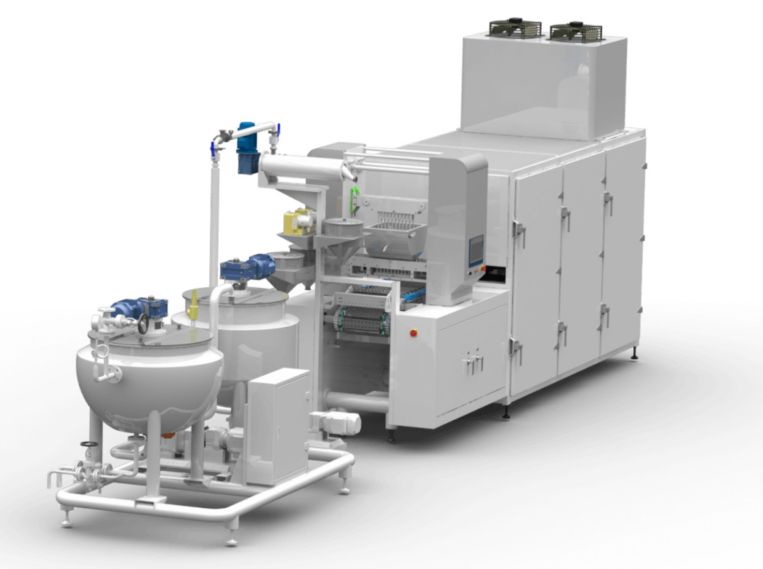
Understanding these failures begins with recognizing the delicate balance in jelly candy production: from gelatin cooking to molding, cooling, demolding, and packaging. Each stage is interdependent, and a single malfunction cascades into major disruptions. Transitional oversight in maintenance and equipment quality exacerbates problems. Next, we delve into the top failures with actionable insights.
Top 5 Technical Failures and Prevention Strategies
The following numbered list outlines the top 5 technical failures observed in jelly candy production lines, based on data from global confectionery operations. For each, we detail symptoms, root causes, and avoidance tactics, emphasizing robust machinery like that from YTjellycandymachine.
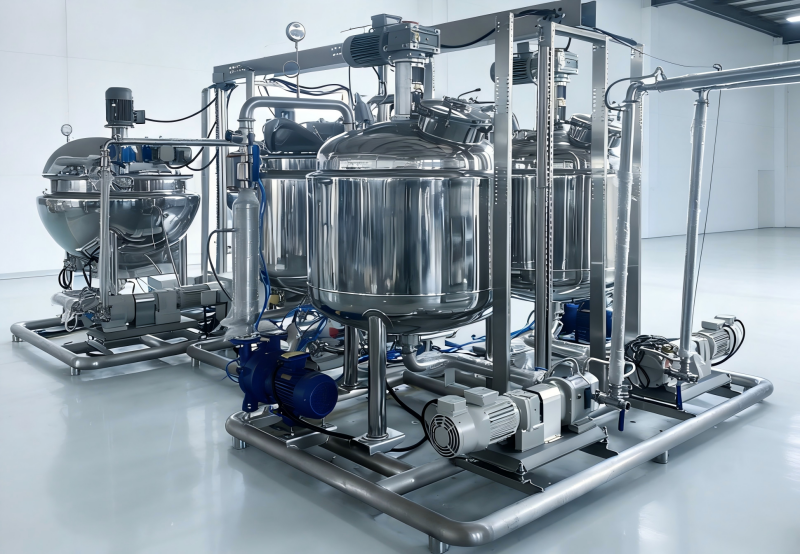
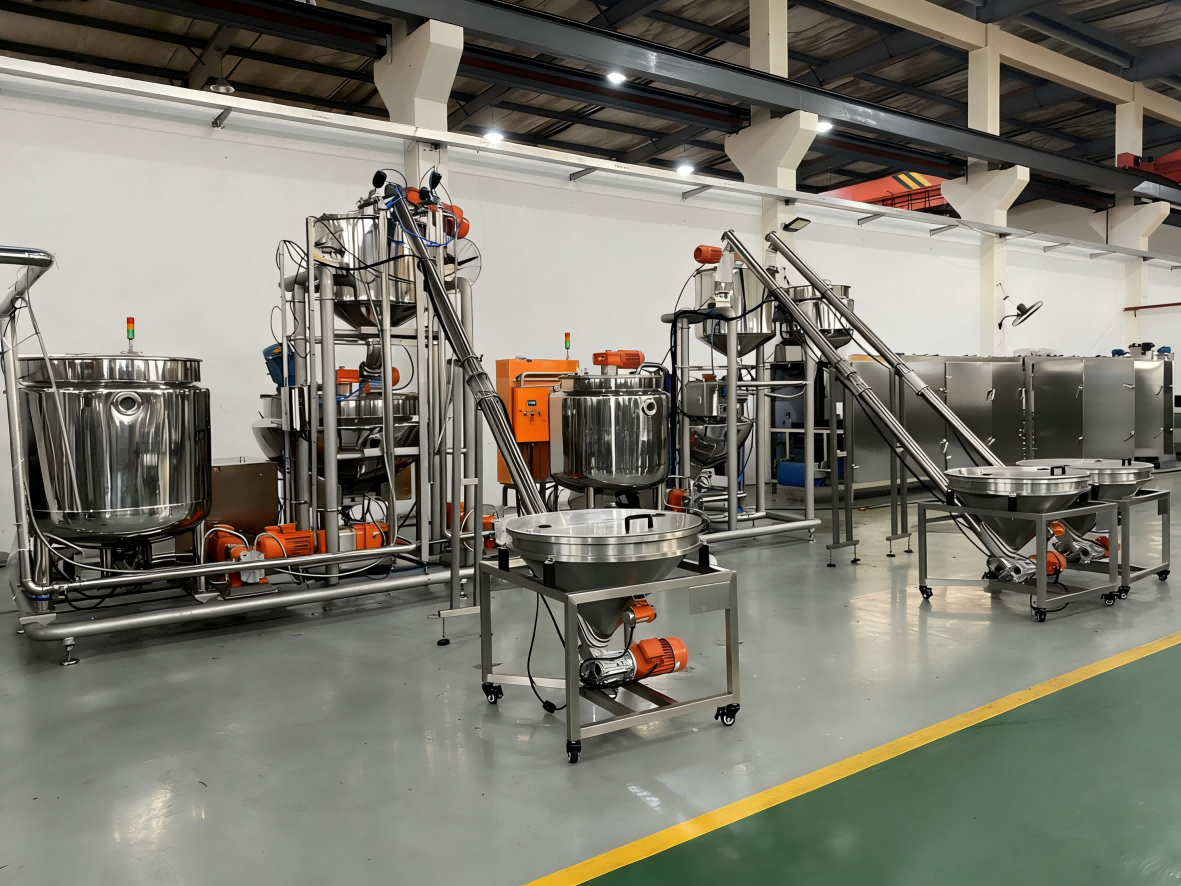
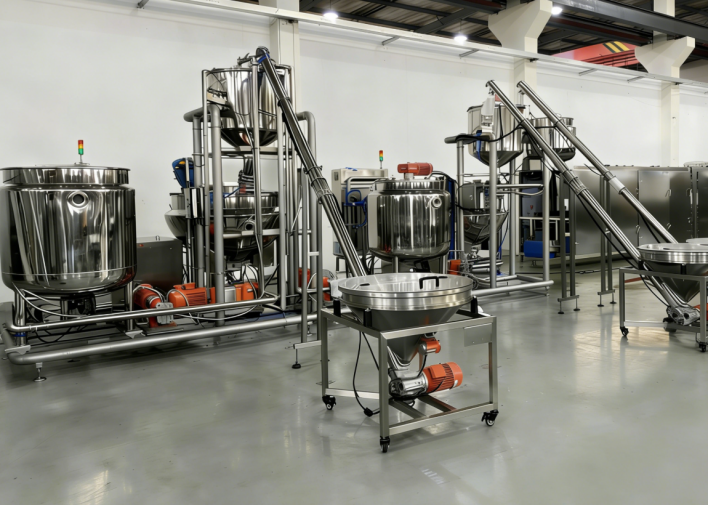
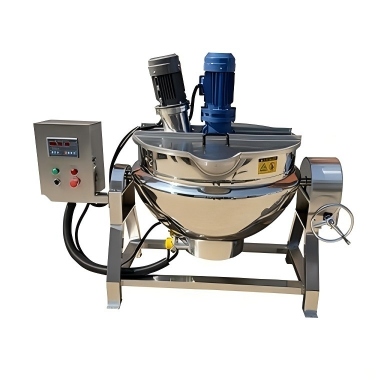
- Inconsistent Temperature Control During Cooking: Fluctuations cause uneven gelatin dissolution, resulting in brittle or rubbery candies. Causes include faulty sensors or inadequate heating systems in cookers. To avoid: Implement automated PID controllers and regular calibration. YTjellycandymachine cookers feature precision thermostatic controls, maintaining ±0.5°C accuracy, reducing defects by up to 90%.
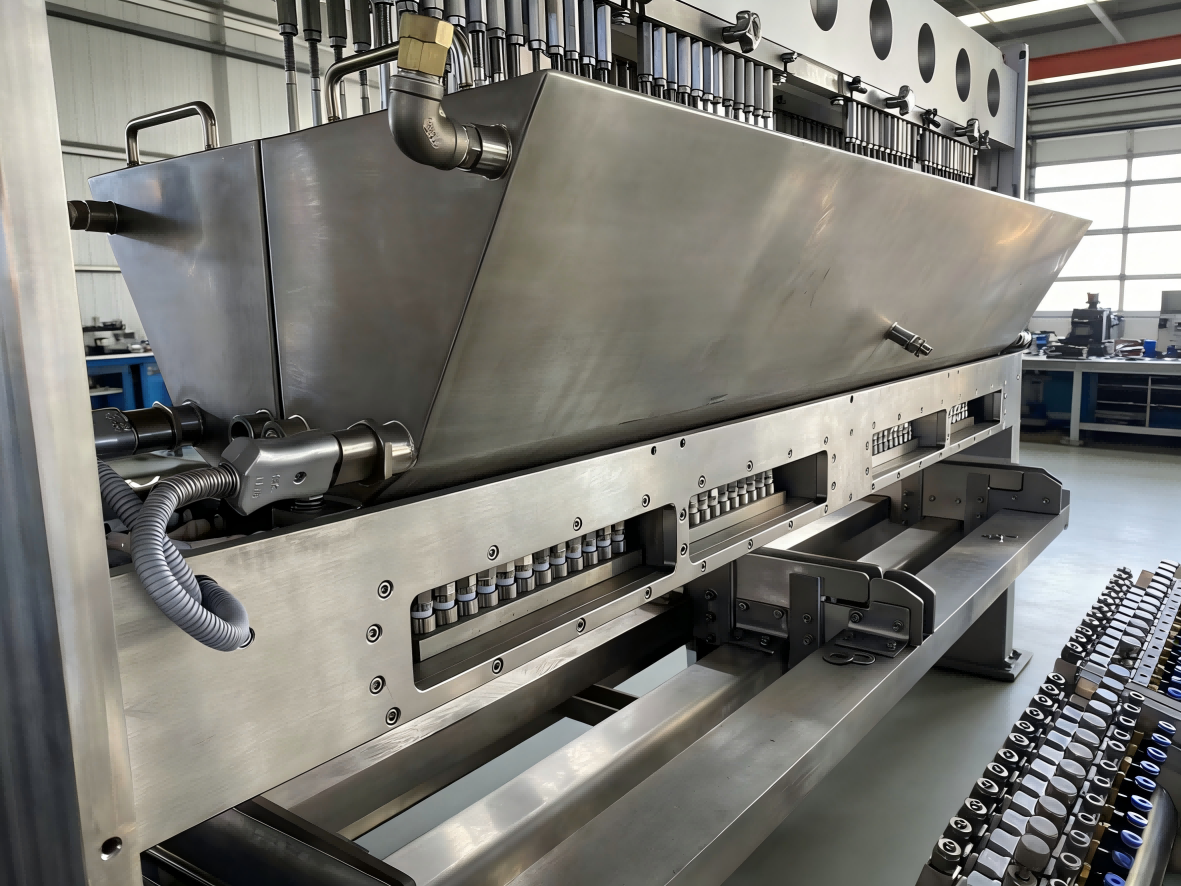
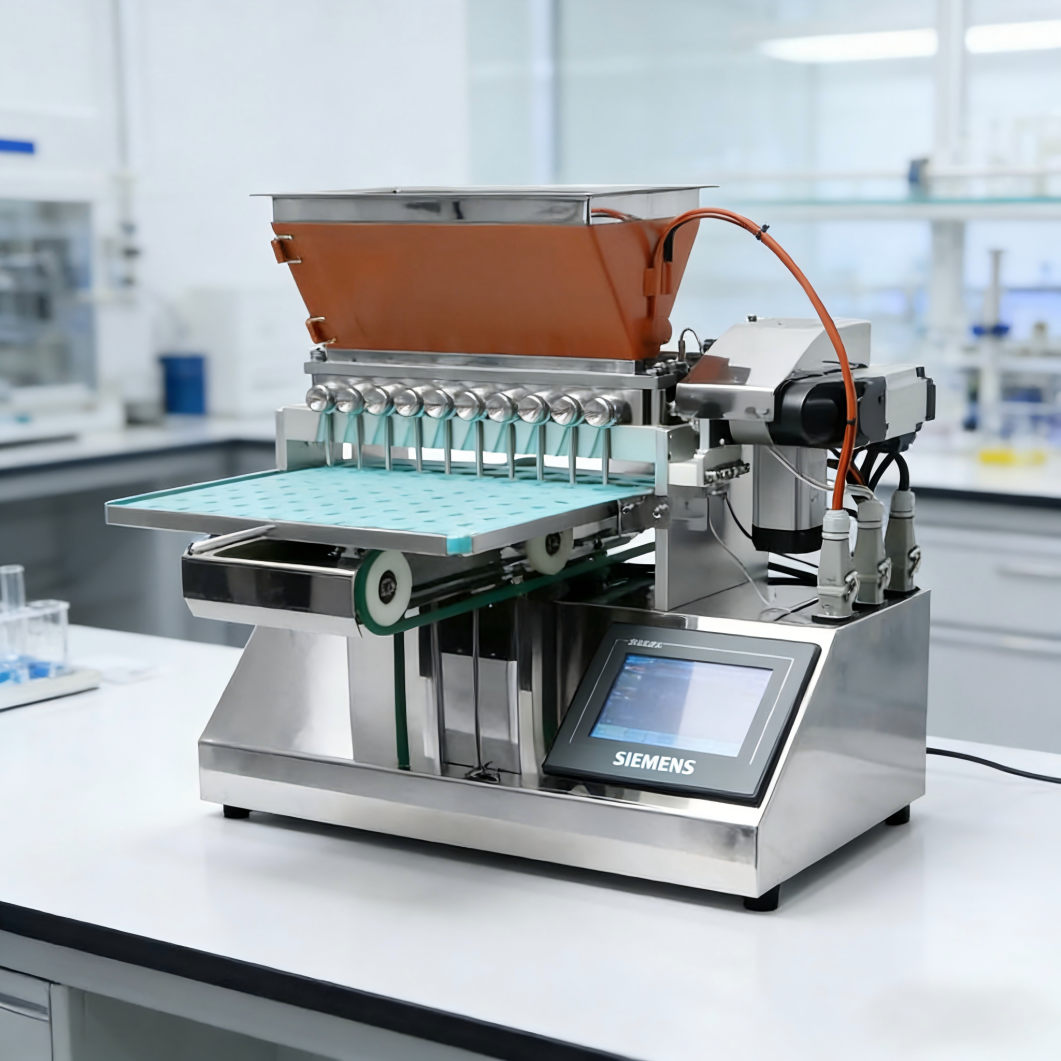
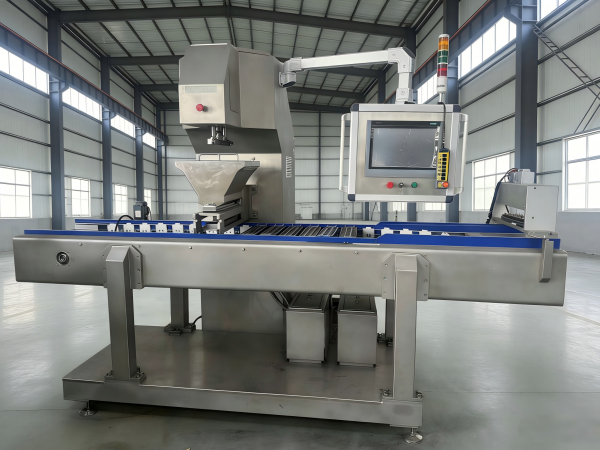
- Faulty Depositing Mechanisms: Inaccurate piston or servo-driven depositors lead to over/under-filling molds, causing weight inconsistencies and waste. Wear from poor lubrication or low-grade materials is common. Prevention involves high-quality servo motors and daily lubrication checks. Opt for YTjellycandymachine depositors with adjustable stroke lengths and anti-drip nozzles for flawless deposition every cycle.
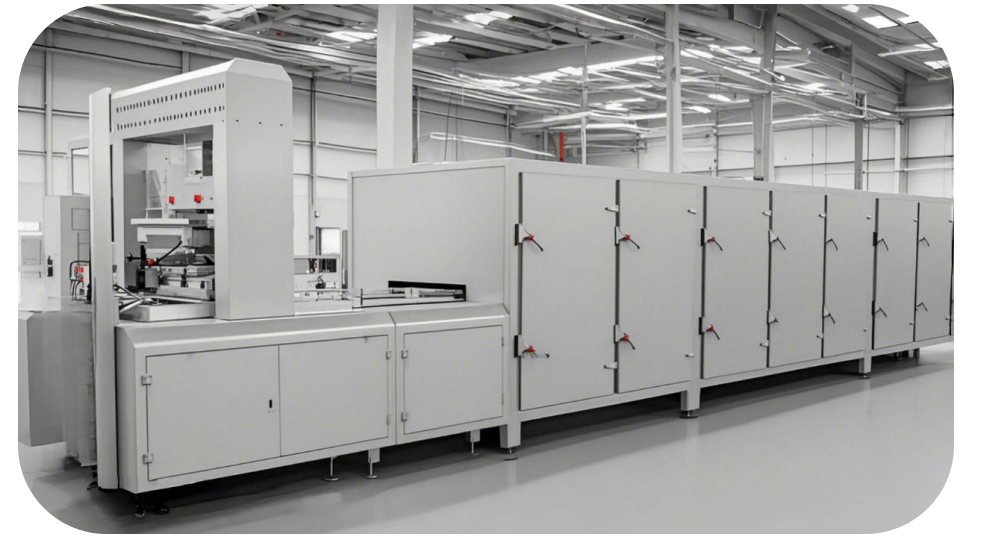
- Uneven Cooling in Tunnels: Hot spots create deformed or sticky candies, stemming from blocked vents or imbalanced fans. High humidity amplifies issues. Counter this with variable-speed fans and humidity sensors. YTjellycandymachine cooling tunnels use zonal airflow technology, ensuring uniform cooling gradients tailored to batch sizes.
- Sticking During Demolding: Candies adhere to molds due to insufficient starch dusting or mold surface degradation, leading to tears and rejects. Over-reliance on manual dusting fails at scale. Automate with vibratory starch applicators and use non-stick coated molds. YTjellycandymachine demolders integrate automated oil sprayers, boosting yield by 15-20%.
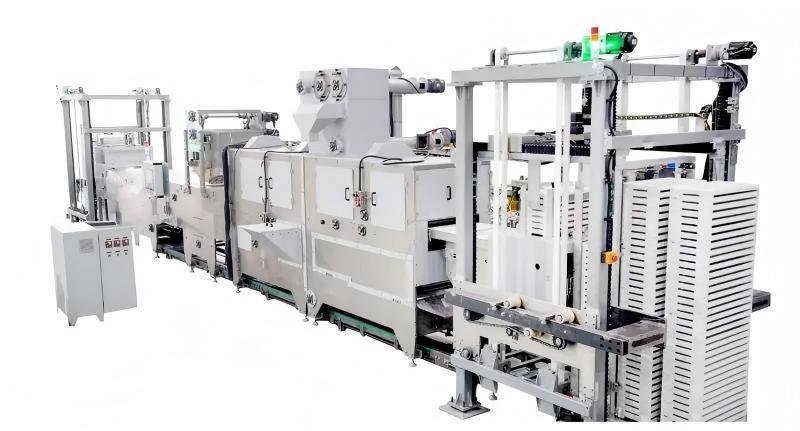
- Conveyor Belt Misalignments and Jams: Belts derail or jam from debris accumulation, misalignment, or belt wear, halting production. Inadequate tensioners contribute. Regular alignment checks and self-cleaning designs prevent this. YTjellycandymachine lines employ modular, easy-tension belts with sensors for real-time adjustments.
These failures interconnect; for instance, poor cooking temperatures worsen depositing accuracy. Transitioning to integrated lines minimizes propagation. A comparative table below illustrates failure impacts versus YTjellycandymachine solutions.
| Failure | Typical Impact | YTjellycandymachine Mitigation | Downtime Reduction |
|---|---|---|---|
| Inconsistent Temperature | 20-30% defect rate | PID automation | 95% |
| Faulty Depositing | 15% weight variance | Servo precision | 85% |
| Uneven Cooling | 25% deformation | Zonal airflow | 90% |
| Sticking Demolding | 18% rejects | Auto oiling | 80% |
| Belt Jams | 2-4 hr stops/day | Sensor belts | 92% |
This table underscores quantifiable benefits, derived from client case studies in gummy and jelly production. Beyond hardware, operator training and predictive maintenance software amplify prevention. For biscuit factories eyeing candy diversification, these insights apply similarly to gummy lines, where viscosity control mirrors jelly challenges.
Implementing Preventive Maintenance Routines
Proactive strategies extend beyond individual fixes. Daily visual inspections, weekly sensor calibrations, and quarterly overhauls form a robust regimen. Digital twins and IoT monitoring, standard in YTjellycandymachine systems, predict failures via data analytics. This shift reduces unplanned downtime by 70%, per industry benchmarks. For candy gummy factories, integrating such tech streamlines from mixing to packing.
Furthermore, material quality matters: food-grade stainless steel resists corrosion, unlike cheaper alternatives. YTjellycandymachine adheres to EU/US standards, ensuring compliance and longevity. Supplier audits reveal subpar lines fail 40% sooner.
Conclusion
Managing these top 5 technical failures transforms jelly candy production from reactive firefighting to efficient output. Biscuit or gummy factory owners can leverage these strategies to de-risk expansion. YTjellycandymachine production lines embody these solutions, delivering turnkey reliability tailored for global clients. Invest in proven engineering to safeguard your operations and elevate product quality. Contact YTjellycandymachine today for customized consultations that propel your confectionery success.
Last Updated on April 9, 2026 by YTjellycandymachine