Table of Contents
What is a Cooling Tunnel
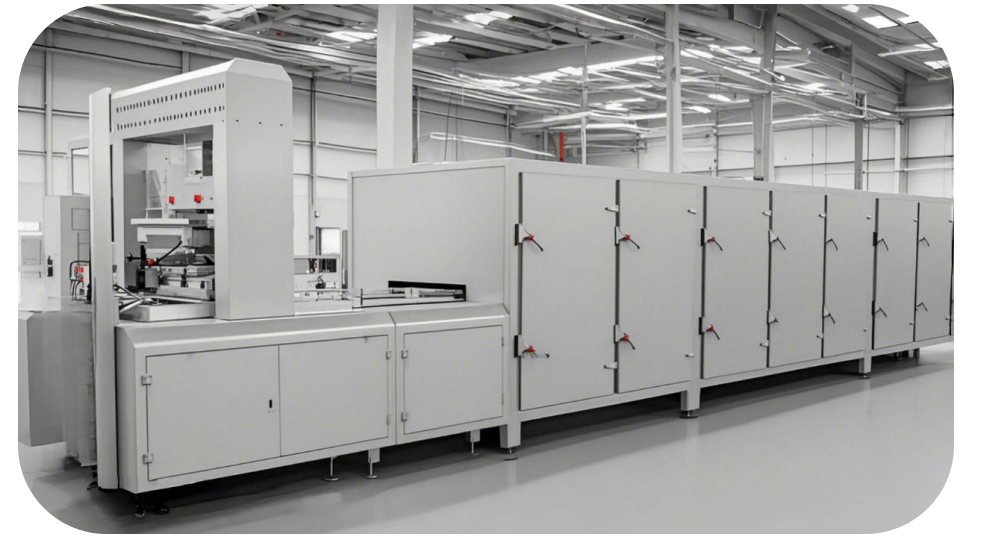
In the intricate world of jelly candy production, achieving the perfect texture is paramount. A cooling tunnel plays a pivotal role in this process, serving as a controlled environment where freshly deposited jelly candies undergo rapid and uniform cooling. This equipment, integral to modern confectionery lines, ensures that the hot, viscous candy mass transforms into the desired firm yet chewy consistency. For factories specializing in gummies or biscuits with similar depositable formulations, integrating a high-quality cooling tunnel can elevate product quality and production efficiency.
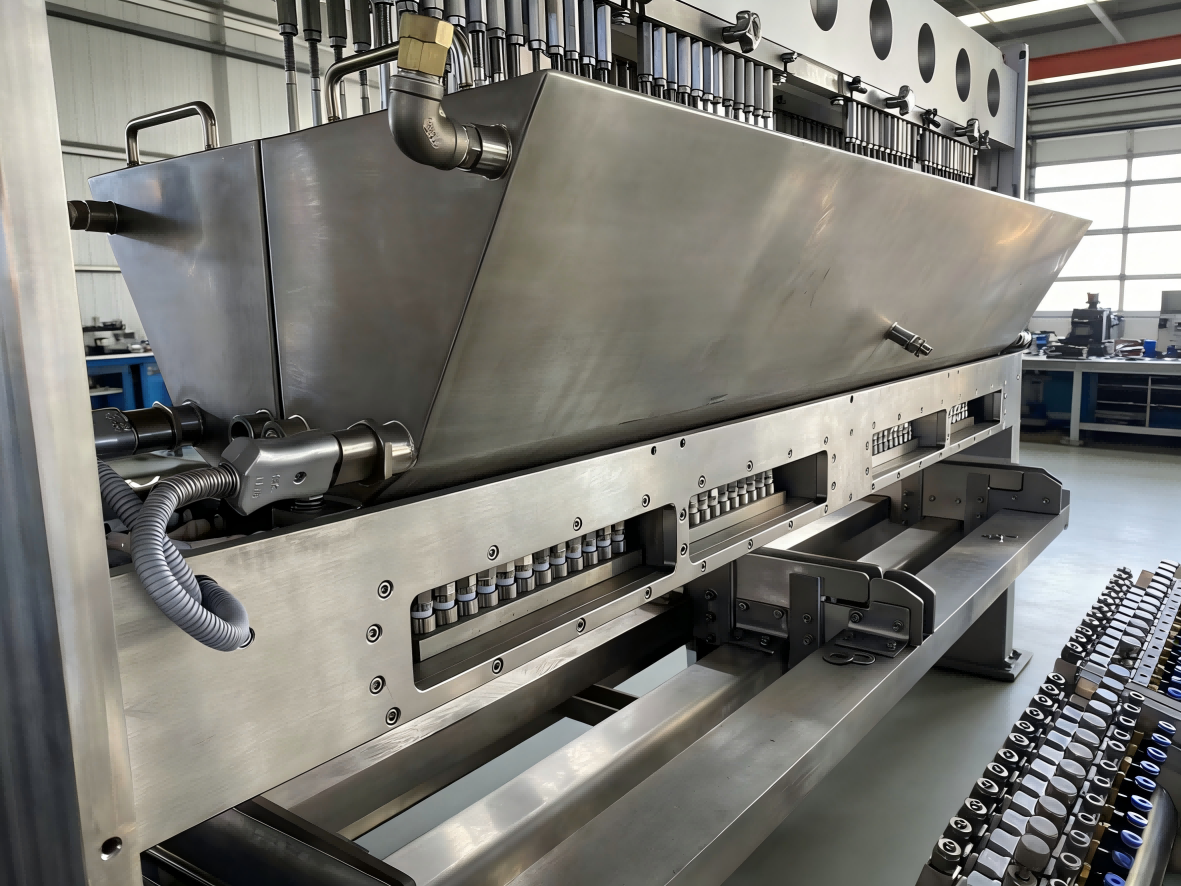
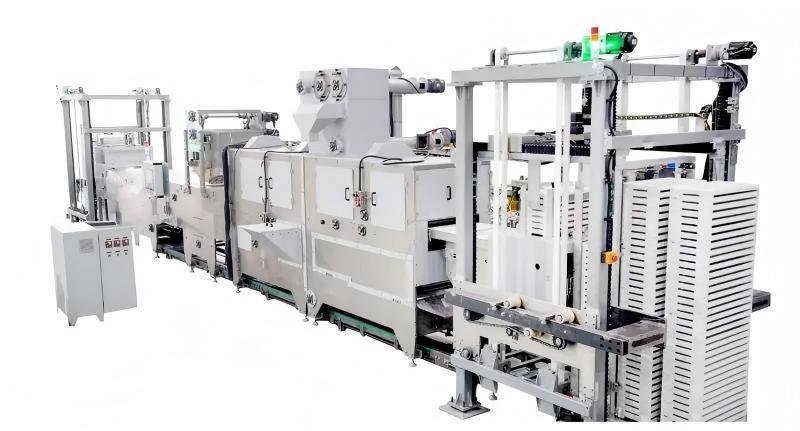
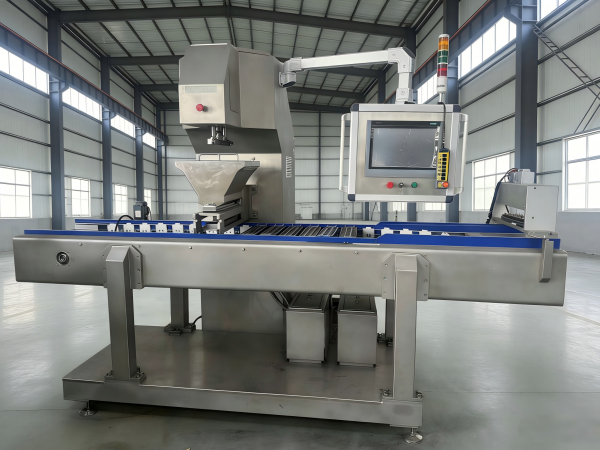
Essentially, a cooling tunnel is a conveyor-based system equipped with refrigeration units that circulate chilled air over the candies as they travel through an enclosed tunnel. Temperatures typically range from 5°C to 15°C, depending on the recipe, allowing for precise thermal management. YTjellycandymachine, a leading manufacturer from China, designs these tunnels with customizable lengths and widths to suit various production scales, making them ideal for candy gummy factories transitioning to advanced automation.
The Science of Jelly Candy Texture
Jelly candies derive their signature texture from a blend of gelatin, sugar syrup, and water, heated to form a pourable liquid. Upon cooling, these components undergo gelation, where the gelatin network sets, trapping syrup for that characteristic bounce and chewiness. Without proper cooling, the texture can become overly soft, sticky, or prone to deformation, leading to rejects and customer dissatisfaction.
The cooling tunnel facilitates controlled crystallization and structure formation. As the candy moves through the tunnel, heat dissipates evenly, preventing uneven setting that causes cracks or dimples. This phase transition from sol to gel is temperature-sensitive; rapid initial cooling solidifies the surface, while gradual internal cooling maintains elasticity. Transitioning from the molding station to the cooling tunnel ensures seamless integration, minimizing handling disruptions.
Key Roles of the Cooling Tunnel in Texture Development
The cooling tunnel’s multifaceted contributions to jelly candy texture are indispensable. Firstly, it accelerates the setting process, reducing production cycle times by up to 50% compared to ambient cooling. This efficiency is crucial for high-volume gummy factories aiming to scale operations.
Moreover, it ensures uniformity across batches. Variations in ambient conditions can lead to inconsistent textures, but the tunnel’s stable microenvironment guarantees every piece emerges with identical firmness. YTjellycandymachine incorporates advanced airflow systems in their cooling tunnels, optimizing this uniformity for superior results.
Additionally, the tunnel prevents moisture migration and sticking, preserving surface smoothness. By maintaining low humidity alongside cold temperatures, it avoids the hygroscopic issues common in sugar-based confections.
To illustrate the primary functions, consider the following numbered list of roles:
- Rapid Heat Extraction: Lowers candy temperature from 80-90°C to ambient in minutes, initiating gelation.
- Surface Firming: Creates a protective skin that maintains shape during demolding.
- Internal Structure Stabilization: Allows even cooling to prevent core softness or crystallization defects.
- Humidity Control: Minimizes water loss, retaining the ideal moisture content for chewiness.
- Scalability Support: Handles high throughput, essential for biscuit and gummy production lines.
Impact on Final Product Quality
The repercussions of suboptimal cooling are evident in texture flaws such as excessive tackiness or brittleness. A well-engineered cooling tunnel, like those from YTjellycandymachine, mitigates these by precisely calibrating dwell times and temperatures. For instance, longer tunnels for delicate recipes extend cooling phases, fostering finer gel networks for premium textures.
Beyond texture, it influences shelf life and sensory attributes. Firm, well-cooled jellies resist melting during packaging and distribution, appealing to biscuit factories diversifying into confections. Transitional phrases guide us to quantifiable benefits: factories report 20-30% fewer rejects post-installation.
Comparative Texture Analysis
To underscore the cooling tunnel’s value, the table below compares jelly candy textures with and without it, based on industry benchmarks.
| Aspect | Without Cooling Tunnel (Ambient Cooling) | With YTjellycandymachine Cooling Tunnel |
|---|---|---|
| Firmness (Bloom Strength) | Variable (50-120g); prone to softness | Consistent (100-150g); ideal chew |
| Surface Smoothness | Rough, sticky; deformation risk | Glossy, non-stick; perfect release |
| Production Time per Batch | 45-60 minutes | 15-20 minutes |
| Reject Rate | 15-25% | 2-5% |
| Texture Uniformity | Low; batch inconsistencies | High; repeatable quality |
This data highlights how YTjellycandymachine’s tunnels deliver measurable improvements, making them a strategic investment for candy gummy and biscuit producers.
Integration with Production Lines
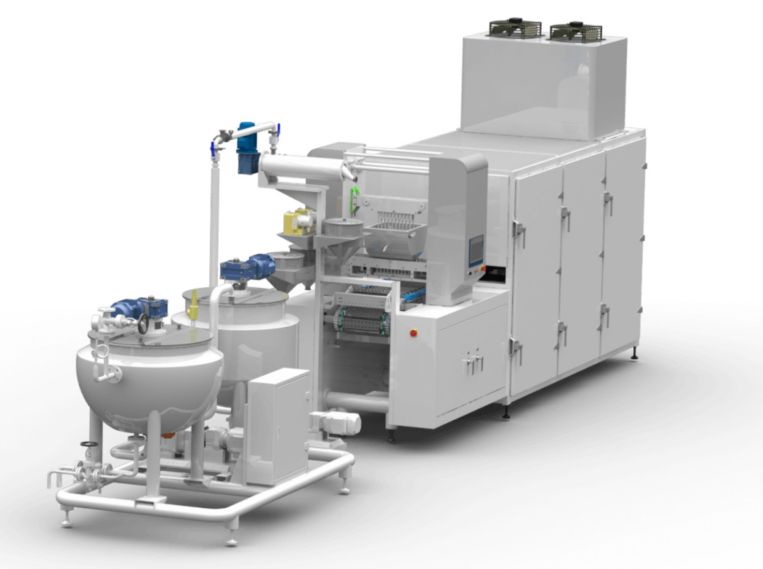
Seamlessly incorporating a cooling tunnel into existing lines requires modular designs, which YTjellycandymachine excels in providing. Their systems sync with depositors and enrobers, ensuring continuous flow. For gummy factories, this means uninterrupted production, while biscuit lines benefit from adaptable cooling for hybrid products.
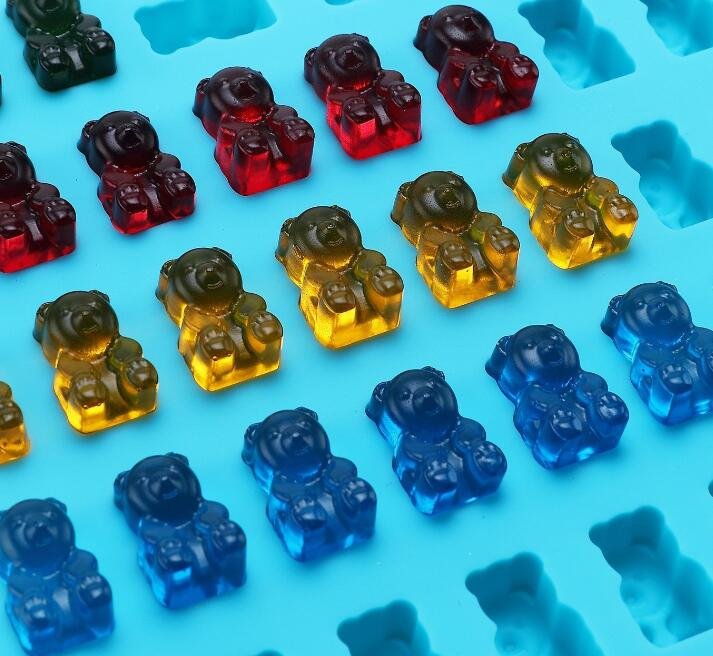
Customization options, such as variable speed conveyors and multi-zone cooling, allow tailoring to specific recipes, from fruit-flavored bears to vitamin-enriched jellies. As production scales, the tunnel’s energy-efficient fans reduce operational costs, transitioning factories toward sustainable practices.
Conclusion
In summary, the cooling tunnel is the cornerstone of superior jelly candy texture, orchestrating the delicate balance of firmness, elasticity, and appearance. By adopting advanced solutions from YTjellycandymachine, confectionery manufacturers—be they biscuit or gummy specialists—can achieve unparalleled consistency and efficiency. Investing in this technology not only refines product quality but also positions businesses for competitive growth in the dynamic food production landscape.
Last Updated on April 7, 2026 by YTjellycandymachine