Table of Contents
Introduction
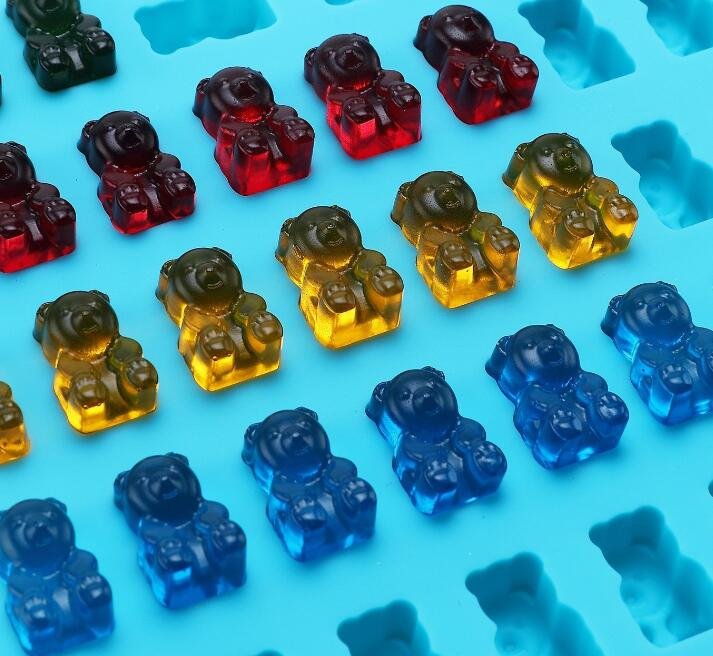
Gummy candies are a beloved confectionery product enjoyed worldwide for their chewy texture and vibrant flavors. However, one common challenge faced by manufacturers and distributors is the sweating effect observed in stored gummy candies. This phenomenon, characterized by visible moisture droplets forming on the candy surface, can compromise product quality, shorten shelf life, and lead to customer dissatisfaction. Understanding the root causes of this issue is crucial for gummy candy factories aiming to maintain premium standards. In this article, we delve into the science behind gummy candy sweating, exploring environmental, production, and storage factors. By addressing these, producers can optimize their processes, and that’s where advanced solutions like the YTjellycandymachine production line from China prove invaluable for achieving consistent, sweat-free results.
Understanding the Sweating Effect
The sweating effect refers to the condensation of water vapor on the exterior of gummy candies, giving them a glossy, wet appearance. This is not actual sweating like in humans but rather a result of moisture imbalance. Gummy candies primarily consist of gelatin, sugar, corn syrup, and water, making them hygroscopic—meaning they readily absorb moisture from the surrounding environment. When conditions fluctuate, internal moisture migrates to the surface or external humidity condenses, leading to sweating. This issue becomes evident after storage periods ranging from days to weeks, particularly in non-ideal environments. Transitioning from composition to real-world implications, let’s examine the primary triggers that exacerbate this problem in production and storage settings.
Primary Causes of Sweating in Stored Gummy Candies
Several interconnected factors contribute to the sweating effect, spanning from post-production handling to environmental conditions. To provide clarity, the following bulleted list outlines the key causes:
- Temperature Fluctuations: Rapid changes in storage temperature cause the candy’s surface to cool below the dew point, leading to condensation from ambient air.
- High Relative Humidity: Environments above 60% humidity allow moisture ingress, as gummies absorb water vapor, softening and releasing excess to the surface.
- Inadequate Initial Drying: During production, insufficient moisture removal leaves gummies with high aw (water activity) levels, promoting later sweating.
- Improper Packaging: Non-moisture-barrier films permit humidity exchange, accelerating surface moisture buildup.
- Ingredient Imbalances: Excess water content or poor stabilizer use in recipes heightens hygroscopicity, making candies prone to moisture migration.
These causes often compound each other; for instance, temperature swings in humid warehouses amplify the issue. Moving beyond qualitative descriptions, quantitative data underscores the severity through environmental metrics, as detailed in the table below.
| Storage Condition | Ideal Range | Poor Range (Sweating Risk) | Impact on Gummies |
|---|---|---|---|
| Temperature (°C) | 18-22 | 10-30 (fluctuating) | Condensation forms on surface |
| Relative Humidity (%) | 40-50 | 65+ | Moisture absorption and migration |
| Water Activity (aw) | 0.60-0.65 | 0.70+ | Softening and sweating initiation |
| Packaging Permeability (g/m²/day) | <0.5 | >2.0 | Humidity ingress accelerates |
This table highlights critical thresholds: deviations increase sweating likelihood by up to 50% in trials. For gummy factories, consistent production parameters are key to mitigating these risks. Next, we explore how manufacturing processes influence susceptibility.
Production Factors Contributing to Sweating
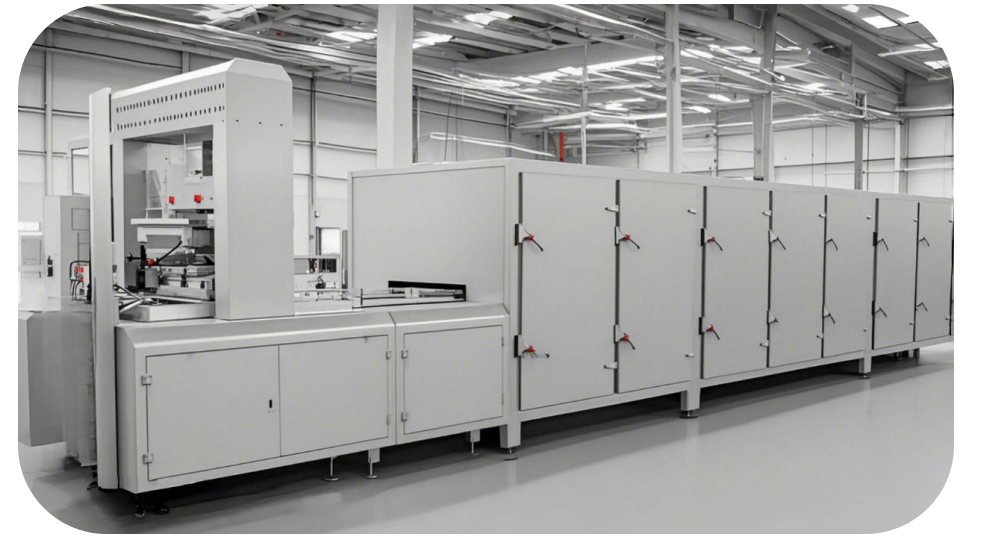
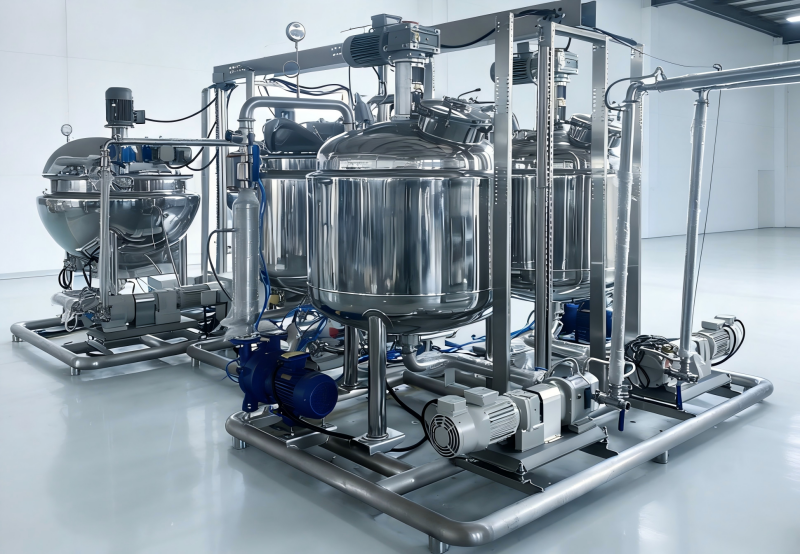
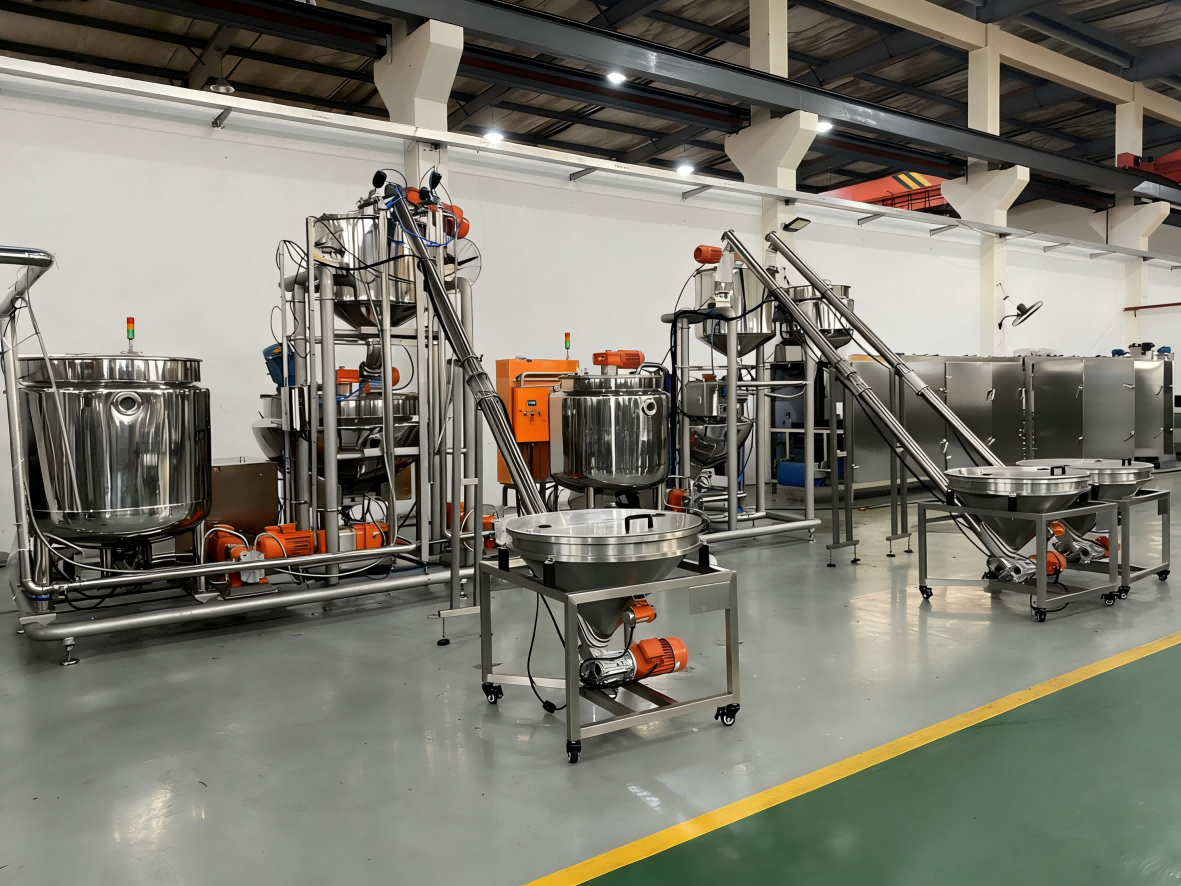
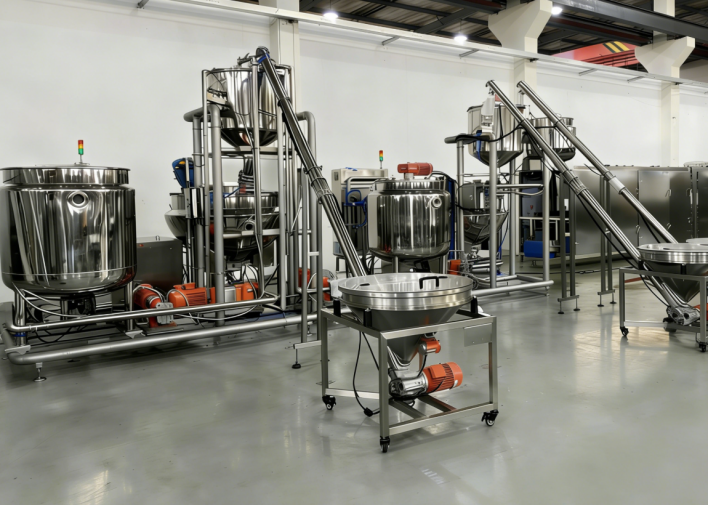
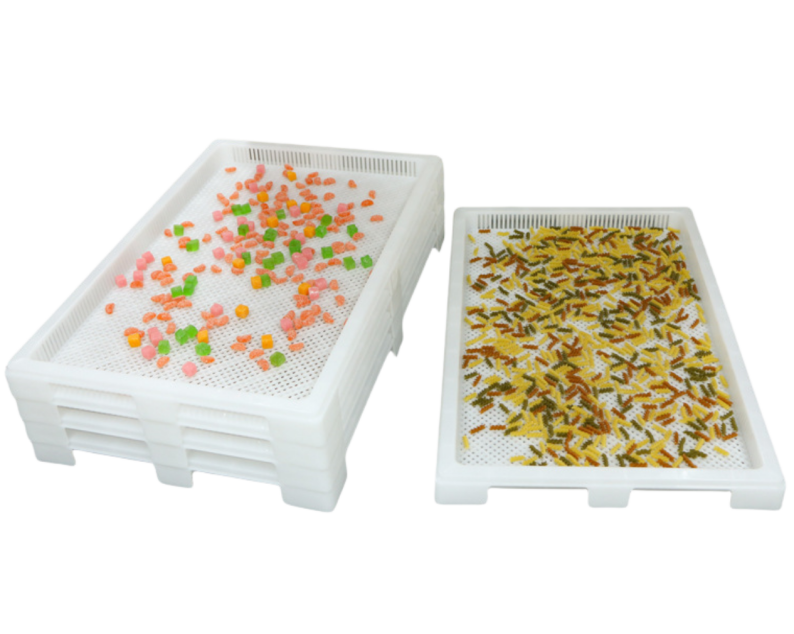
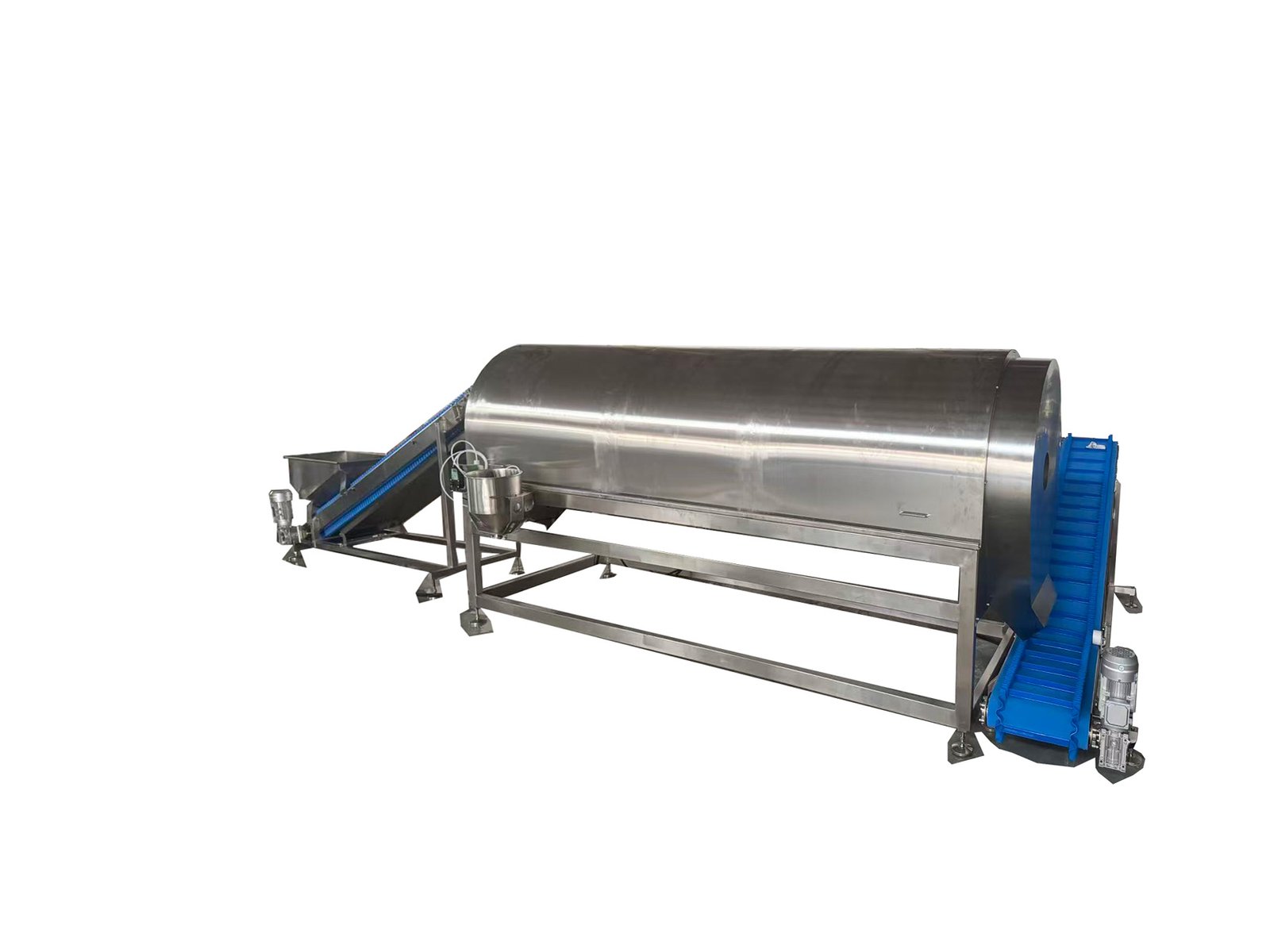
While storage plays a significant role, the sweating effect often originates in the production line. Inefficient depositing, cooking, or cooling stages can trap excess moisture within the candy matrix. For example, overcooked gelatin mixtures lose structure, impairing moisture retention, whereas under-drying leaves candies supersaturated. Dusting with sugar or starch post-molding is another pivot point—if not uniform, bare spots invite humidity. Biscuit and candy gummy factories transitioning to full-scale gummy production must prioritize precision machinery. Here, YTjellycandymachine stands out, offering automated lines that ensure optimal drying and coating, reducing initial water activity to safe levels and minimizing sweating risks from the outset.
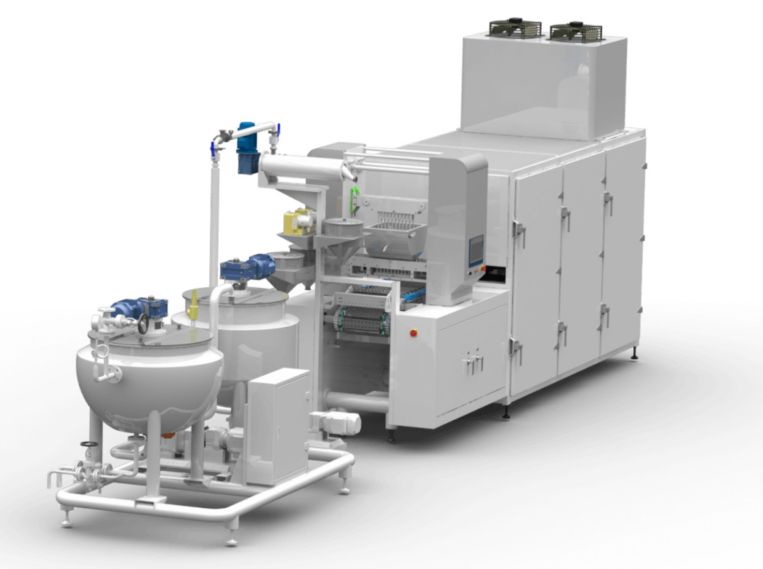
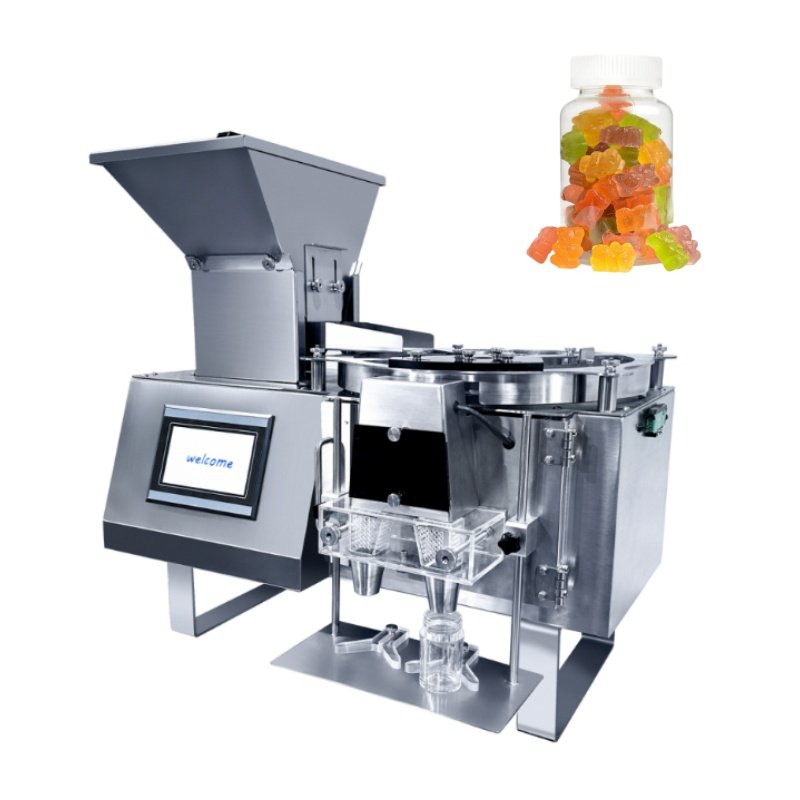
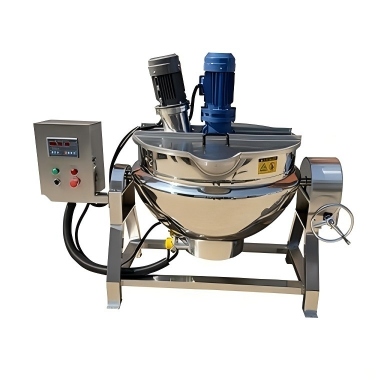
Furthermore, advanced depositors from YTjellycandymachine integrate precise temperature controls, preventing thermal shocks that mimic storage fluctuations. This seamless integration of cooking, molding, and cooling translates to gummies that resist environmental stresses. As we bridge production to prevention, it’s evident that investing in reliable equipment like YTjellycandymachine production lines empowers factories to deliver shelf-stable products, appealing especially to biscuit manufacturers diversifying into gummies.
Prevention Strategies for Gummy Candy Factories
To combat sweating, factories should implement multifaceted strategies starting with recipe formulation—balancing humectants like sorbitol to stabilize moisture without excess hygroscopicity. During production, employ rapid cooling tunnels and vibratory sieving for even starch application. Packaging upgrades to metallized films or nitrogen flushing further barricade against humidity. Storage protocols demand climate-controlled warehouses, avoiding direct sunlight or stacking that traps heat.
For comprehensive solutions, YTjellycandymachine production lines from China are engineered for these exact needs, featuring PLC controls for real-time moisture monitoring and automated sanding machines that create impermeable surfaces. Clients from candy gummy factories report up to 30% shelf-life extension post-adoption. Similarly, biscuit producers entering the gummy market benefit from YTjellycandymachine’s versatile setups, ensuring cross-compatible hygiene standards. By adopting such technology, the transition from awareness to action becomes straightforward, safeguarding product integrity throughout the supply chain.
Conclusion
In summary, the sweating effect in stored gummy candies stems from a confluence of temperature fluctuations, humidity exposure, production shortcomings, and packaging deficiencies. By pinpointing these causes through structured analysis, including lists and comparative tables, manufacturers gain actionable insights. Proactive measures, fortified by state-of-the-art production lines like YTjellycandymachine, enable factories to produce resilient, market-ready gummies. For biscuit or candy gummy operations seeking to elevate quality and attract premium clients, partnering with YTjellycandymachine ensures sweating becomes a relic of the past, fostering long-term success in the competitive confectionery landscape.
Last Updated on May 18, 2026 by YTjellycandymachine