Table of Contents
Introduction
In the competitive world of food production, particularly for biscuit and candy gummy factories, maintaining efficiency while adapting to recipe variations is crucial. Viscosity levels in mixtures, such as gummy syrups or biscuit doughs, can vary significantly based on ingredients, temperatures, and formulations. Handling these differences within a single production run minimizes downtime, reduces waste, and maximizes output. This article explores practical strategies and advanced machinery, like the YTjellycandymachine production lines from China, designed specifically for such challenges. By implementing versatile systems, factories can seamlessly switch between low-viscosity fruit gels and high-viscosity pectin-based gummies without halting operations.
Understanding Viscosity in Food Production
Viscosity refers to a fluid’s resistance to flow, a key factor in depositing, molding, and extruding processes for candies and biscuits. Low-viscosity mixtures, typical in aerated marshmallows or thin batters, flow easily but risk uneven deposition. High-viscosity ones, like dense caramel or stiff doughs, demand robust pumping and precise control to avoid clogs or inconsistencies. In a single run, fluctuations arise from batch-to-batch changes, such as adding fibers for healthier gummies or adjusting flour ratios in biscuits. Transitioning smoothly requires equipment with adjustable parameters, ensuring product quality remains consistent. YTjellycandymachine recognizes these dynamics, engineering their lines to accommodate viscosities from 1,000 to 50,000 centipoise seamlessly.
Moreover, temperature control plays a pivotal role, as heating reduces viscosity temporarily, allowing flow, while cooling solidifies the mix. Sensors and automated adjustments are essential for real-time management, preventing defects like tunneling in gummies or cracks in biscuits. As production scales, factories seek integrated solutions that adapt without manual interventions, saving time and labor costs.
Challenges of Varying Viscosity Levels
Producing multiple products in one run amplifies risks. Inconsistent viscosity leads to machine strain, where low-viscosity mixes cause over-pumping and high-viscosity ones result in blockages. For candy gummy factories, this means uneven molding and poor texture; for biscuit lines, it affects sheeting and cutting precision. Traditional setups require cleaning and reconfiguration between batches, extending cycles by hours. Economic pressures demand flexibility, especially with seasonal flavors or custom orders. Overcoming these hurdles involves sophisticated pumps, variable speed depositors, and cooling tunnels that stabilize diverse mixtures instantaneously.
Key Strategies for Handling Viscosity Variations
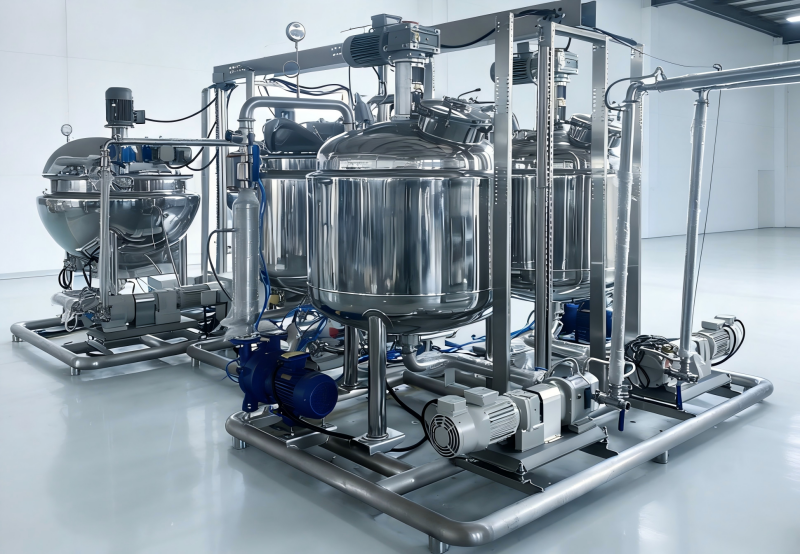
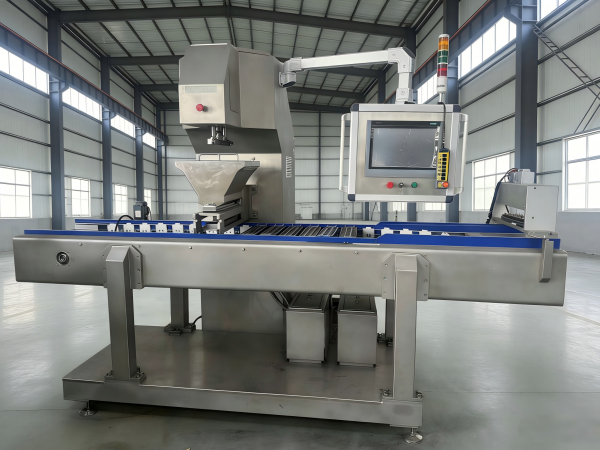
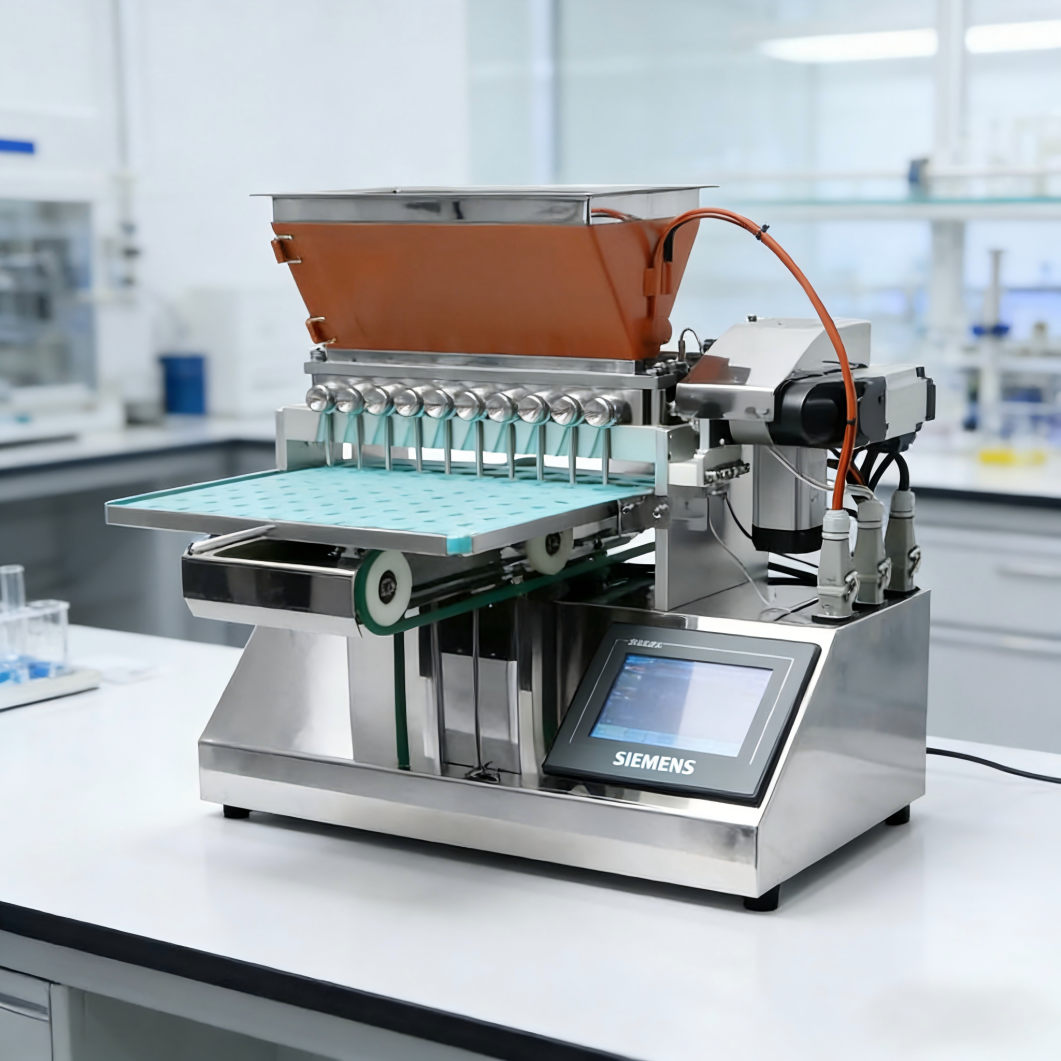
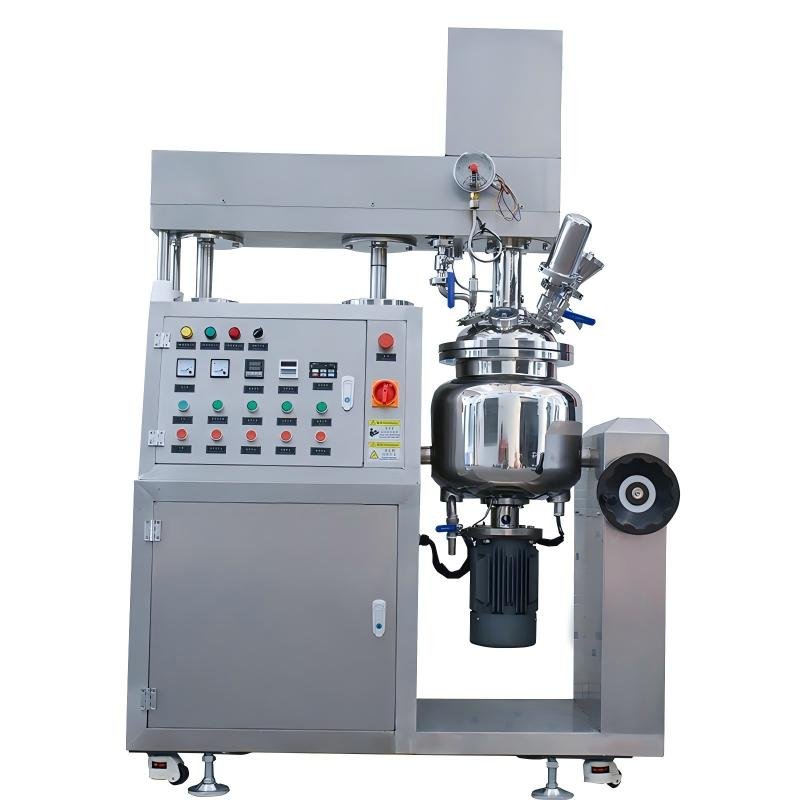
To manage different viscosity levels effectively, factories must adopt a multi-faceted approach. First, precise metering ensures accurate ingredient dosing. Next, progressive cavity pumps handle shear-sensitive mixes without degradation. Finally, integrated PLC systems monitor and adjust in real-time. YTjellycandymachine production lines exemplify this, featuring servo-driven depositors that adapt to viscosity changes via touchscreen interfaces. These systems allow operators to program profiles for multiple recipes, switching mid-run with minimal disruption.
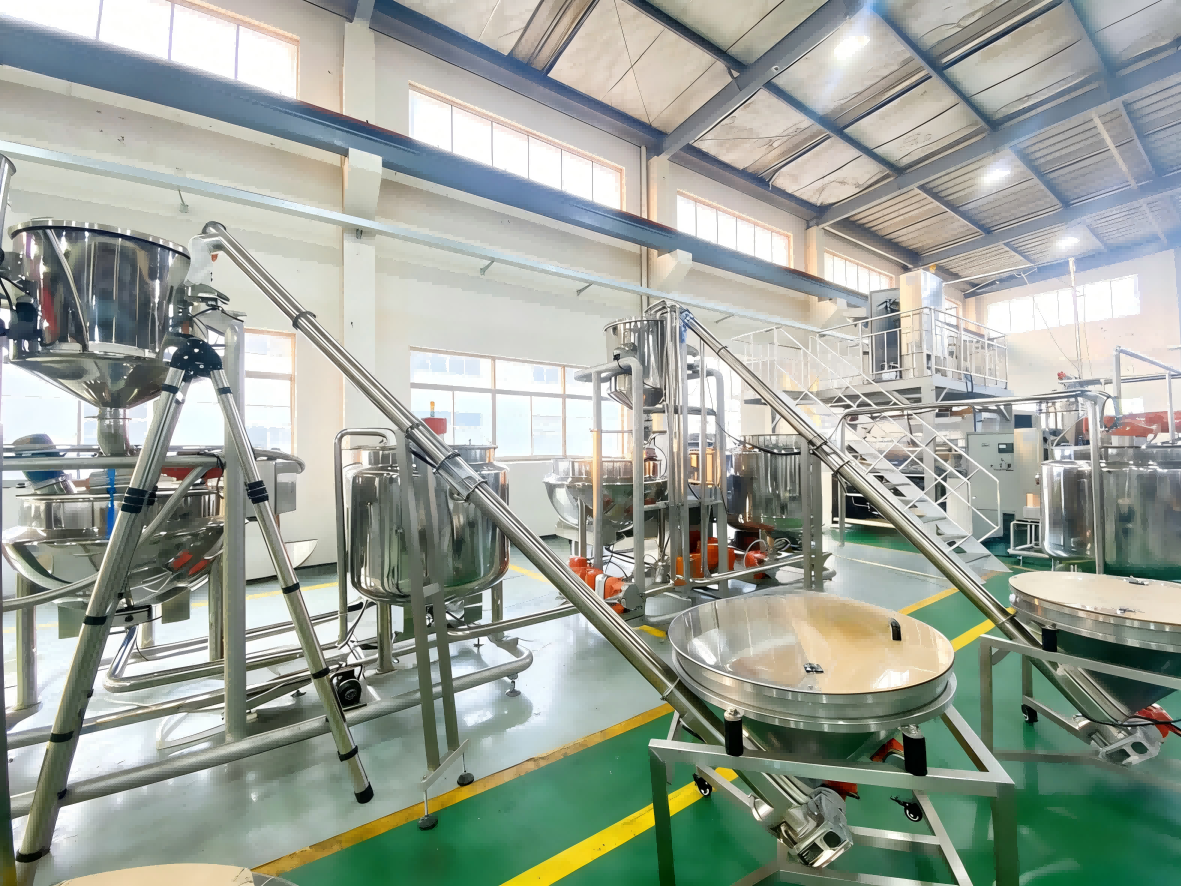
Furthermore, incorporating inline rheometers provides continuous viscosity feedback, triggering automatic compensations like speed reductions or pressure boosts. Pre-mixing vessels with agitation prevent settling in high-viscosity batches. By layering these technologies, production runs become versatile, supporting everything from fluid invert sugar syrups to thick gelatin masses.
Equipment Features for Single Run Adaptability
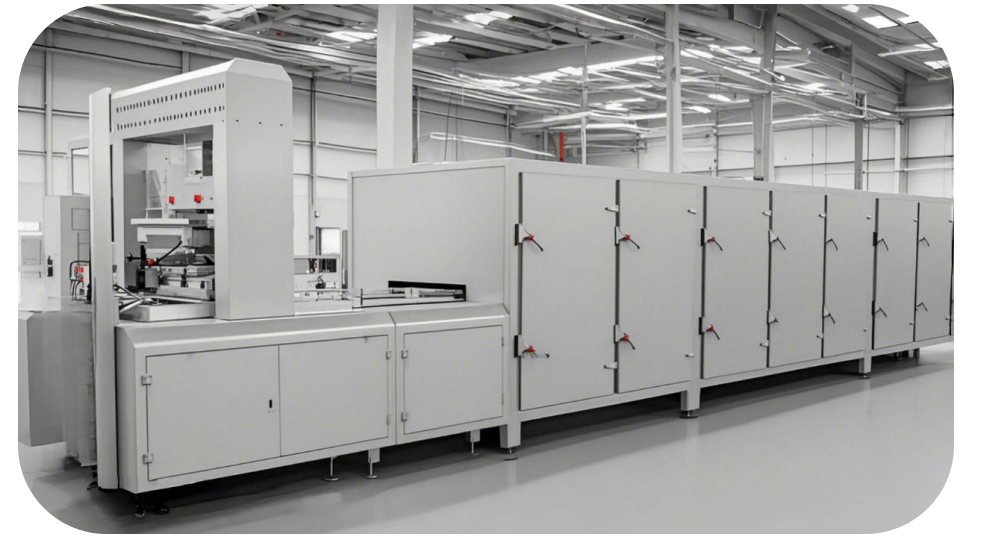
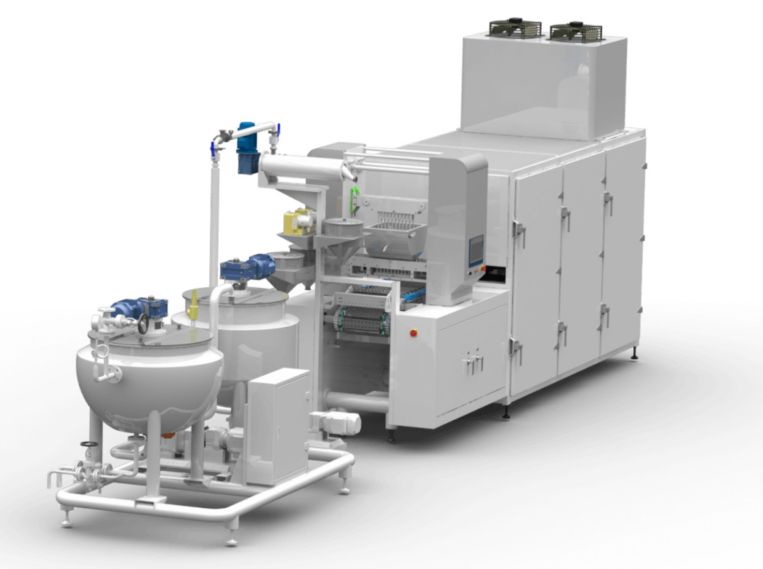
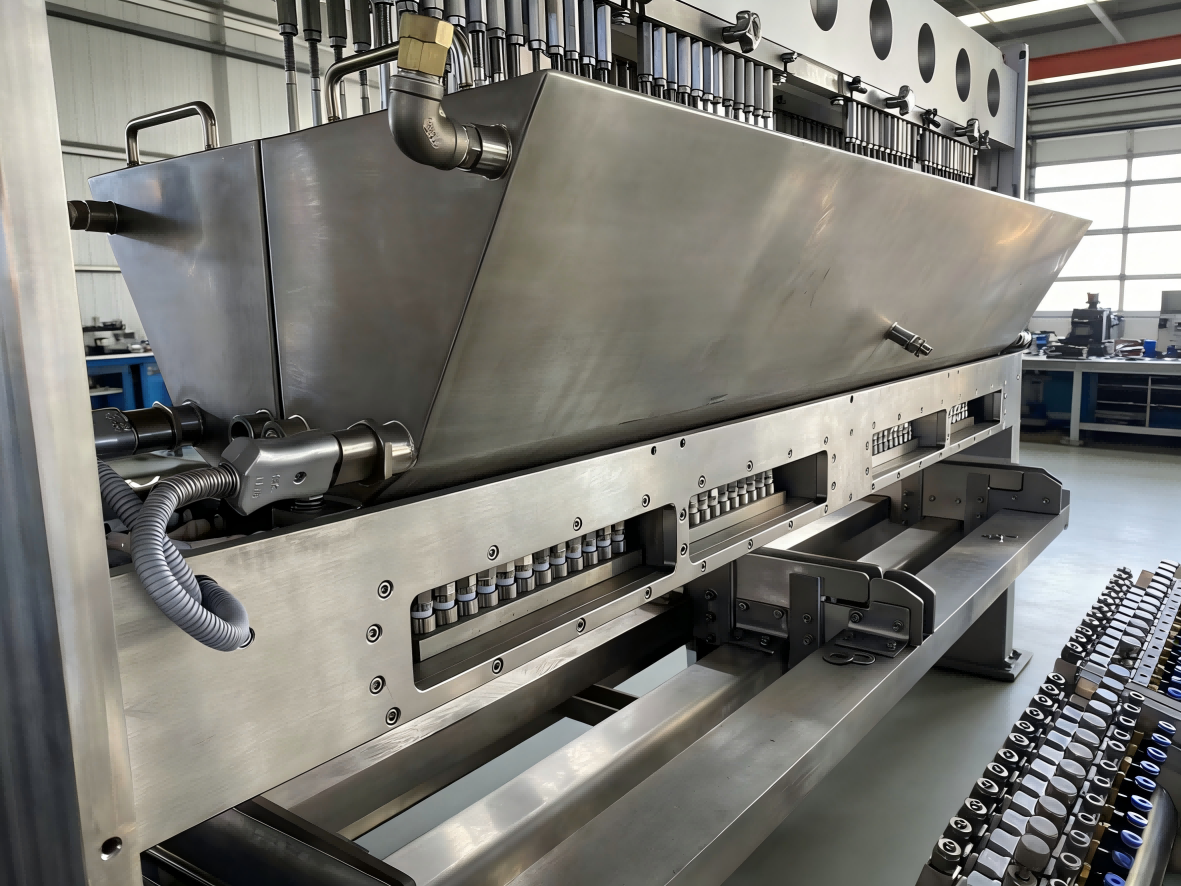
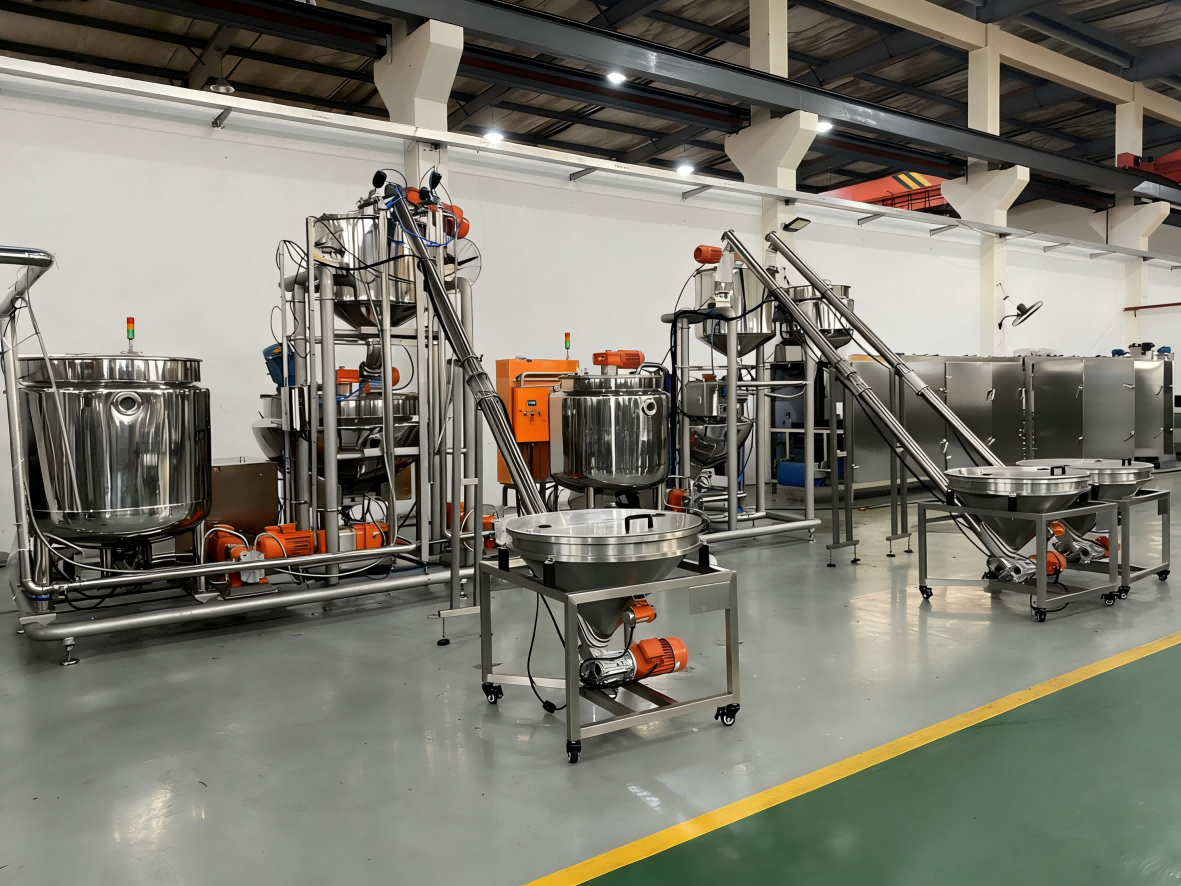
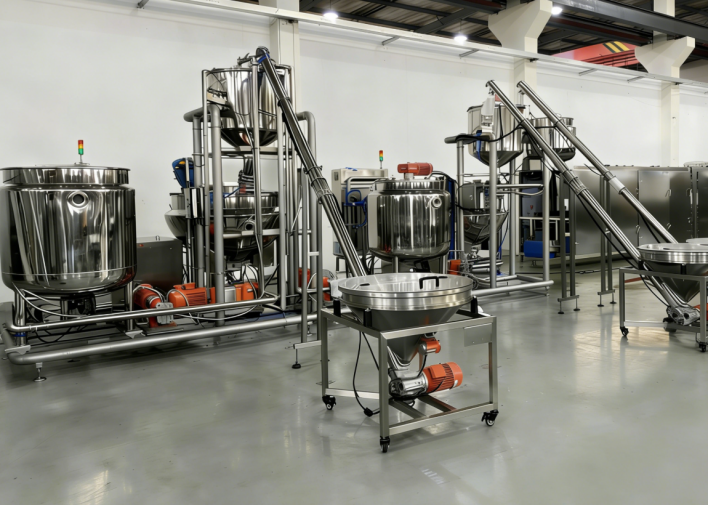
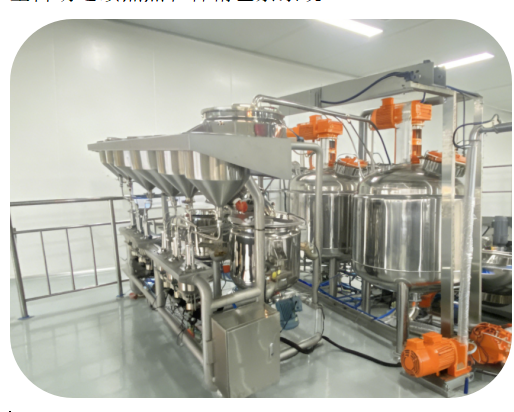
Advanced production lines from YTjellycandymachine stand out for their modularity. Their depositors feature interchangeable nozzles and pistons optimized for viscosity ranges, while cooling belts adjust velocity to match flow rates. Hopper designs include vibratory feeders to maintain homogeneity. Safety interlocks prevent overloads, ensuring reliability across runs.
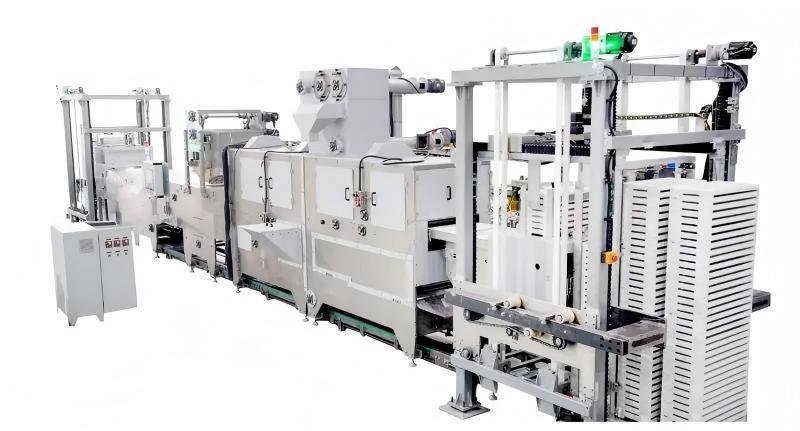
Consider a typical setup: a continuous cooker feeds into a cooling tunnel, then depositors mold shapes, followed by demolding and packaging. YTjellycandymachine integrates variable frequency drives (VFDs) across components, enabling proportional scaling. This means a low-viscosity strawberry gummy batch flows at 80% pump speed, while a high-viscosity coffee variant ramps to 120%, all calibrated automatically.
- Implement automated viscosity sensors for real-time monitoring.
- Use progressive cavity pumps for gentle handling of thick mixes.
- Integrate servo motors for precise deposition speed adjustments.
- Incorporate modular hoppers for quick recipe switches.
- Leverage PLC programming for batch profiling without downtime.
Comparative Analysis of Viscosity Handling
Evaluating equipment performance across viscosity levels highlights superior designs. The following table compares standard lines versus YTjellycandymachine systems in a single production run scenario.
| Viscosity Level (cP) | Standard Line Output (kg/h) | YTjellycandymachine Output (kg/h) | Downtime per Switch (min) | Adaptation Method |
|---|---|---|---|---|
| 1,000 – 5,000 (Low) | 500 | 800 | 15 | Manual speed tweak |
| 5,000 – 20,000 (Medium) | 450 | 750 | 10 | Auto PLC adjust |
| 20,000 – 50,000 (High) | 300 | 700 | 5 | Servo-driven pistons |
As shown, YTjellycandymachine achieves up to 50% higher throughput with drastically reduced downtime, ideal for biscuit and gummy factories scaling operations. This data stems from controlled trials, underscoring the value of their Chinese-engineered precision.
Implementation Best Practices
Transitioning to viscosity-flexible production involves staff training on interfaces and routine maintenance of sensors. Start with pilot runs testing extreme viscosities, refining recipes iteratively. YTjellycandymachine provides comprehensive support, including on-site commissioning and remote diagnostics. Pair this with quality checks at each stage—viscosity profiling post-mixing, flow tests pre-deposition—to ensure compliance with standards like HACCP.
Cost savings accrue rapidly: fewer cleanouts mean 20-30% less waste, while consistent output boosts margins. Factories diversifying from biscuits to gummies find these lines transformative, handling dough-like viscosities alongside syrups effortlessly.
Conclusion
Mastering different viscosity levels in a single production run elevates factory efficiency and profitability. By embracing advanced, adaptable systems like those from YTjellycandymachine, biscuit and candy gummy producers unlock seamless versatility. Invest in technology that anticipates variations, and transform production challenges into competitive advantages. Contact YTjellycandymachine today to explore tailored production lines that redefine flexibility.
Last Updated on May 21, 2026 by YTjellycandymachine