Table of Contents
Introduction
In the competitive world of confectionery production, achieving flawless 3D shapes in jelly candies sets premium products apart from standard offerings. Modern jelly candy molds have revolutionized the process, enabling factories to produce intricate designs that captivate consumers. For biscuit or candy gummy factories looking to expand their lines, investing in advanced molding technology is essential. This article explores how to achieve perfect 3D shapes using contemporary molds, with insights from leading manufacturers like YTjellycandymachine, a trusted Chinese food production line factory specializing in high-precision equipment.
Understanding Modern Jelly Candy Molds
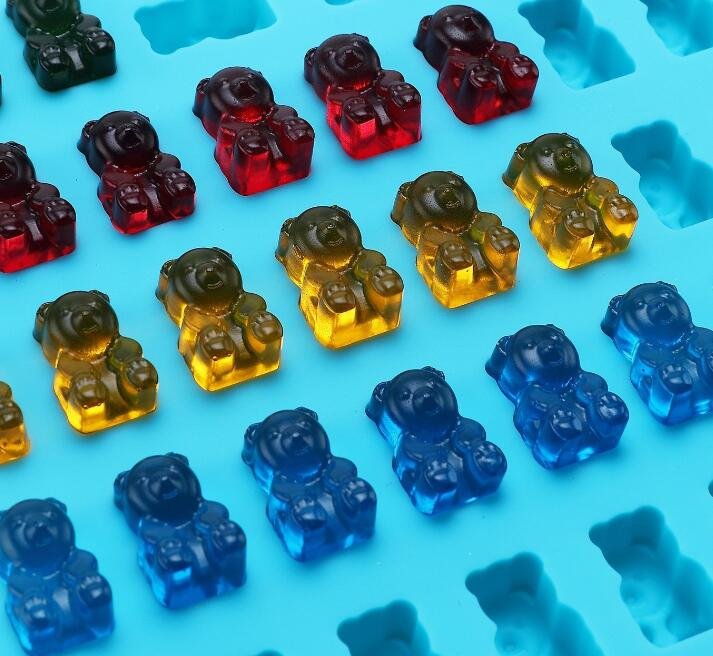
Modern jelly candy molds differ significantly from traditional flat designs. They utilize 3D printing and CNC machining to create intricate, multi-dimensional cavities that capture every detail of complex shapes like animals, fruits, or logos. These molds are crafted from food-grade silicone, high-polish stainless steel, or polycarbonate, ensuring durability and easy release of candies. Transitioning from biscuit production, where flat stamping dominates, to jelly candy molding requires understanding material flexibility and cooling dynamics.
Key to perfection is mold precision. YTjellycandymachine’s production lines incorporate molds with tolerances as low as 0.01mm, minimizing distortions during deposition and setting. As production scales, such accuracy prevents waste and ensures uniformity, appealing to candy gummy factories aiming for consistent output.
Material Selection for Optimal 3D Shapes
Choosing the right mold material is the foundation of perfect 3D shapes. Silicone molds excel in flexibility, allowing demolding without breakage, while metal molds provide superior detail retention for high-volume runs. For gummy production, hybrid materials combine these benefits.
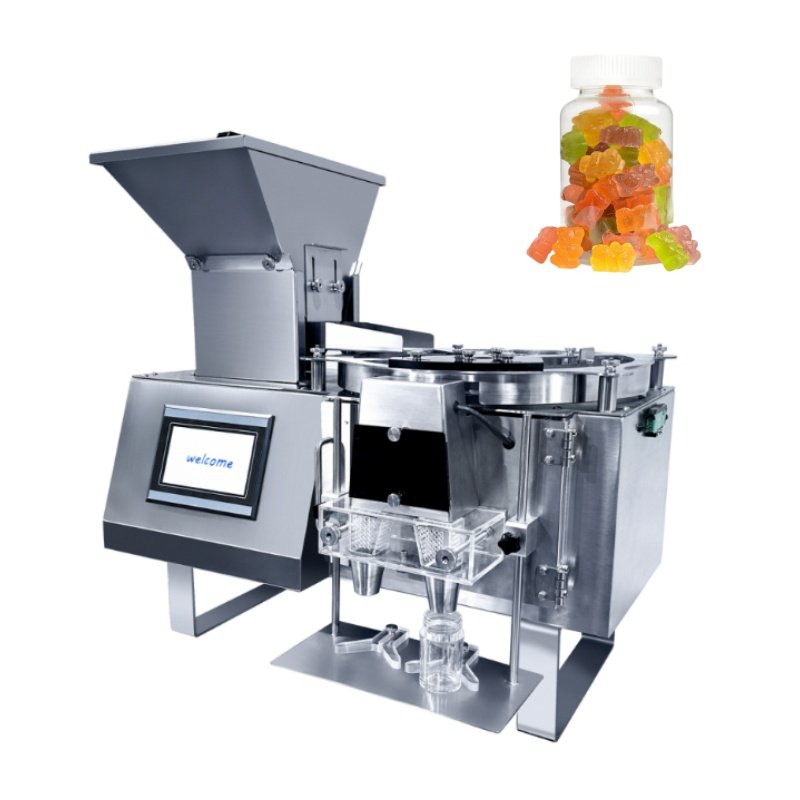
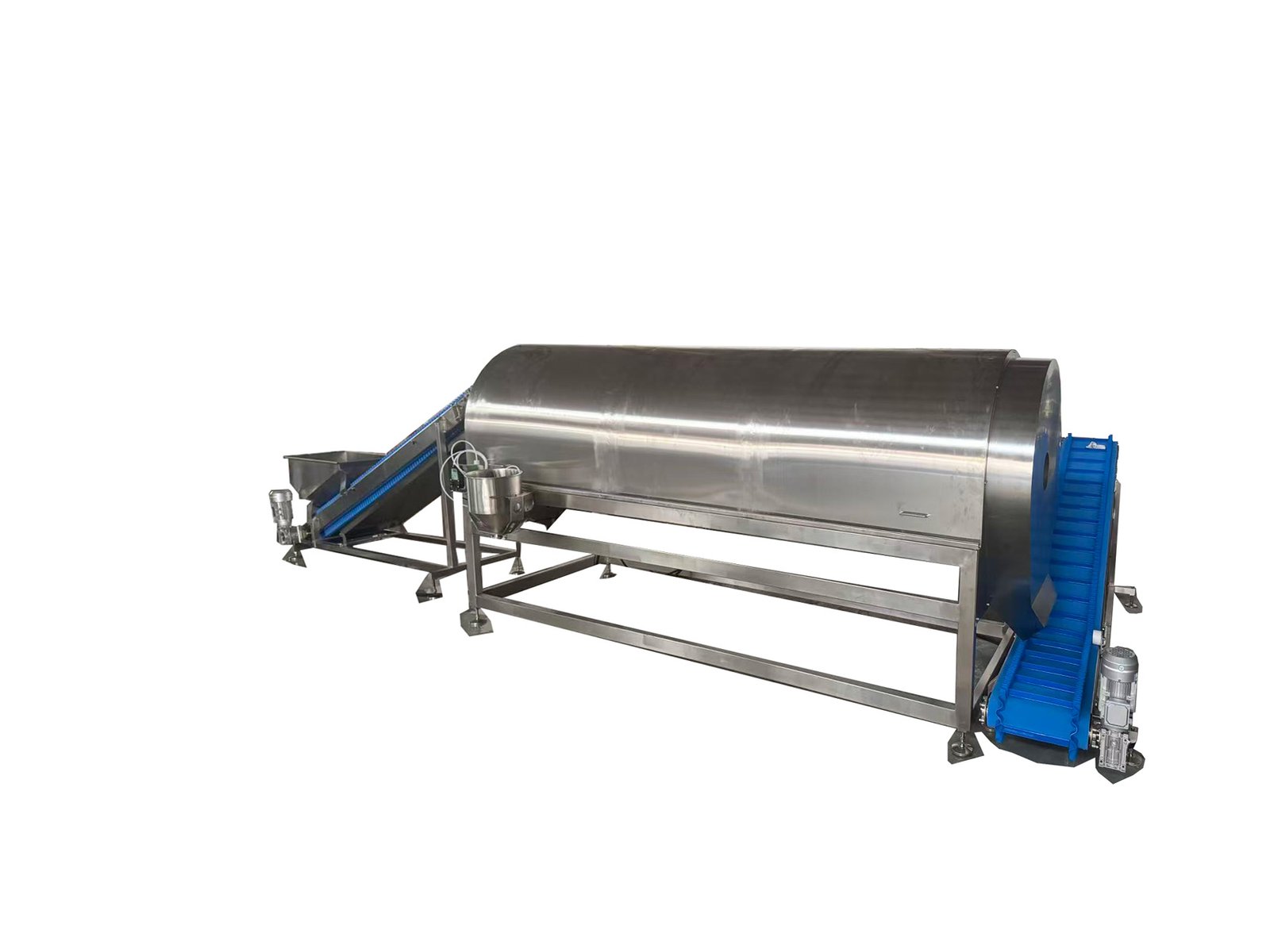
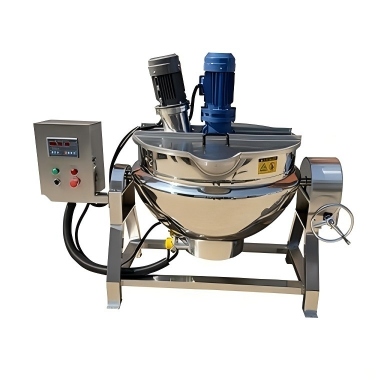
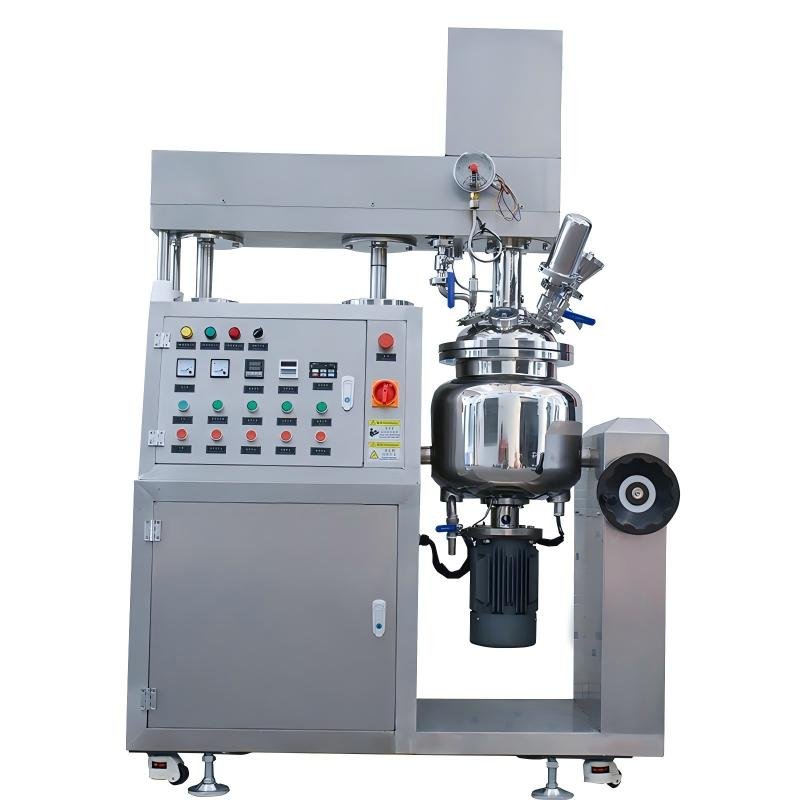
Consider temperature resistance: Jelly mixtures set at controlled temperatures, and molds must withstand thermal cycling. YTjellycandymachine recommends polycarbonate for its clarity, enabling visual inspection during production. Biscuit factories diversifying into candies benefit from this versatility, as the same lines can adapt molds for starch moguls or servo depositors.
Design Principles for Intricate 3D Forms
Effective 3D mold design begins with CAD software, where engineers model shapes accounting for shrinkage—typically 1-3% in gelatin-based jellies. Draft angles of 2-5 degrees facilitate release, preventing sticking. Undercuts are minimized or managed with multi-part molds.
YTjellycandymachine integrates proprietary design software in their production lines, allowing customization for unique client shapes. This ensures gummies emerge with crisp edges and smooth surfaces, transitioning seamlessly from prototyping to mass production for candy factories.
Essential Steps in the Molding Process
To achieve perfection, follow a structured process:
- Prepare the mixture: Ensure precise ratios of gelatin, sugar, and water, with pH balanced to 3.2-3.6 for optimal setting.
- Preheat molds: Heat to 40-50°C to match mixture temperature, reducing thermal shock.
- Deposit evenly: Use servo-driven depositors for uniform fill, avoiding air bubbles.
- Cool uniformly: Employ climate-controlled tunnels to prevent warping.
- Demold gently: Apply food-grade release agents if needed, then cool further on belts.
- Inspect quality: Use automated vision systems for defect detection.
These steps, optimized in YTjellycandymachine systems, guarantee high yields. Factories from biscuits to gummies can implement them with minimal retraining.
Advanced Technologies Enhancing Precision
Incorporating automation elevates 3D molding. Servo motors control deposition speed, while vacuum systems eliminate air pockets for solid fills. Cooling tunnels with laminar airflow ensure even crystallization.
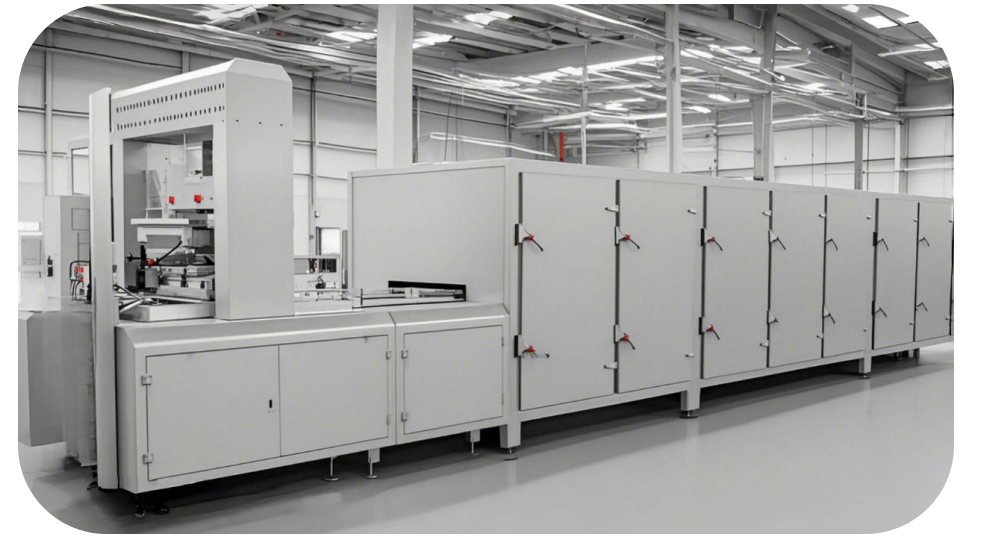
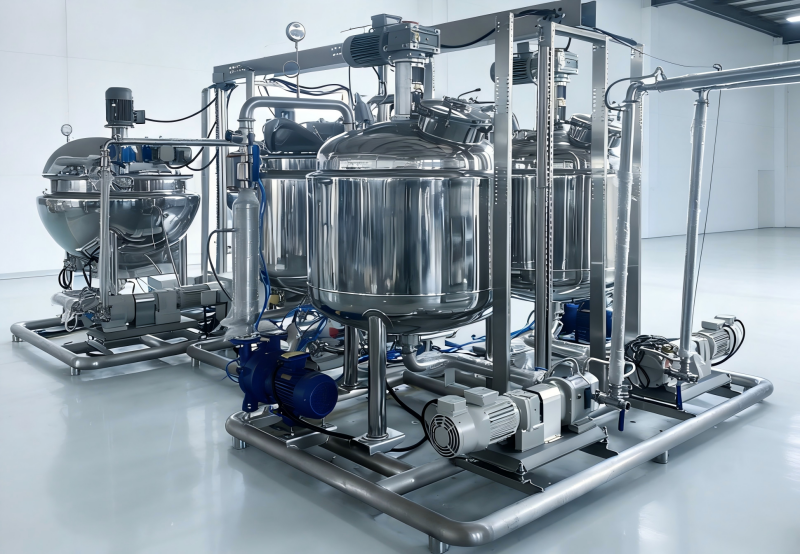
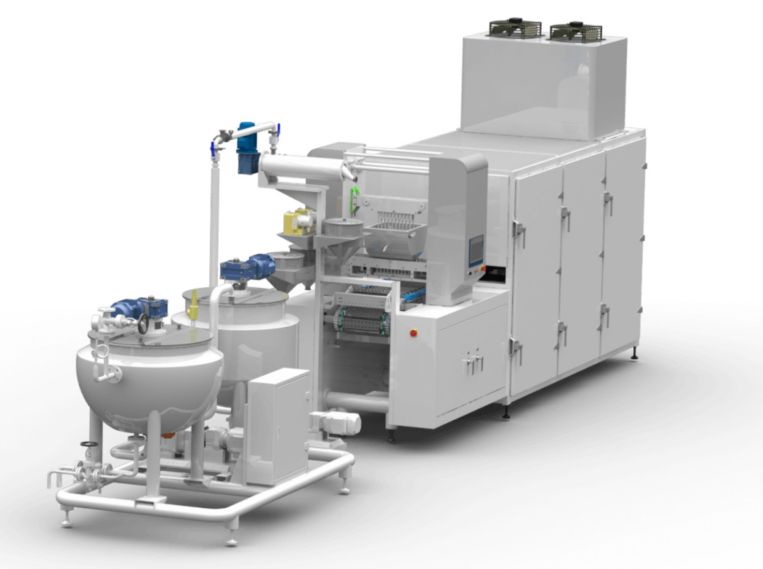
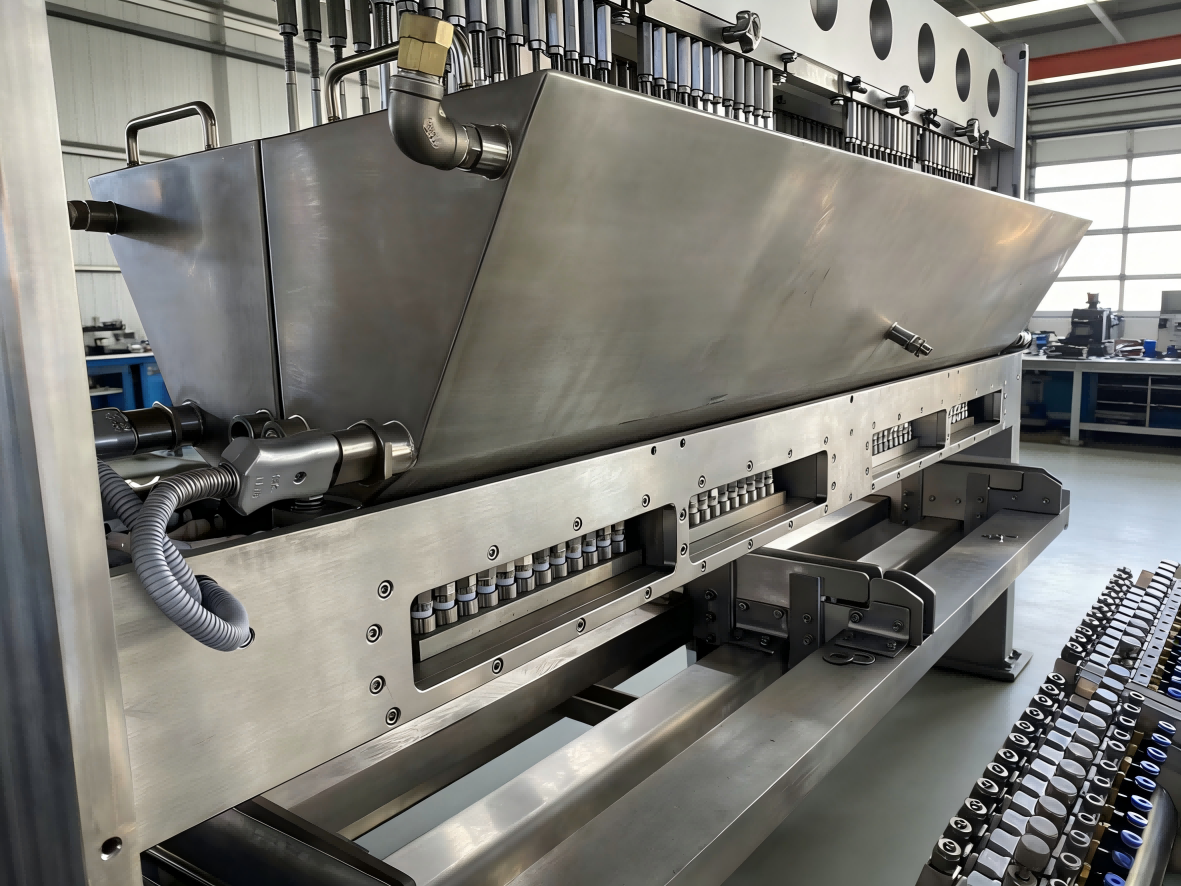
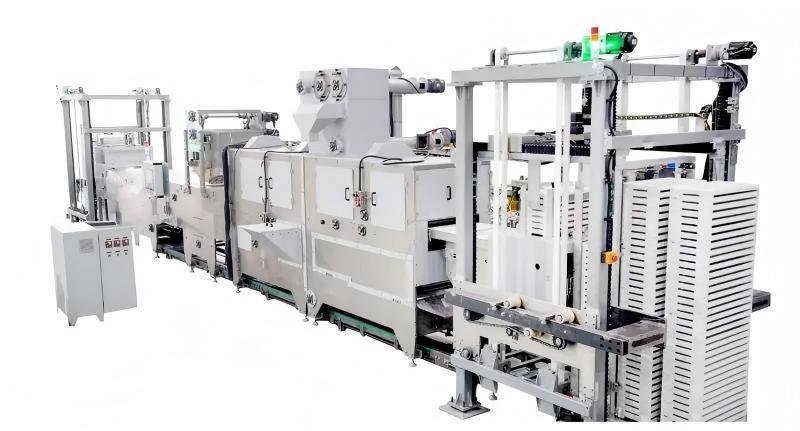
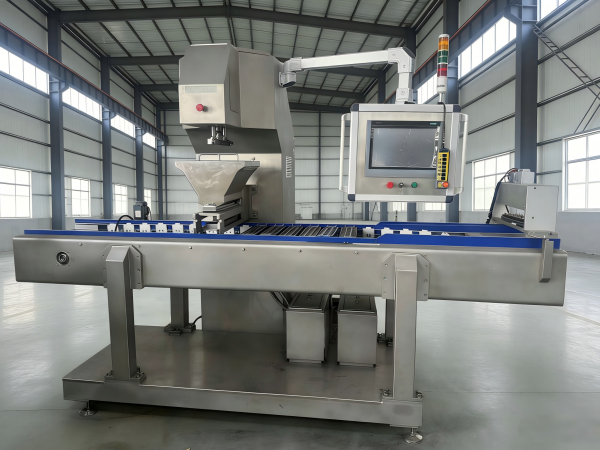
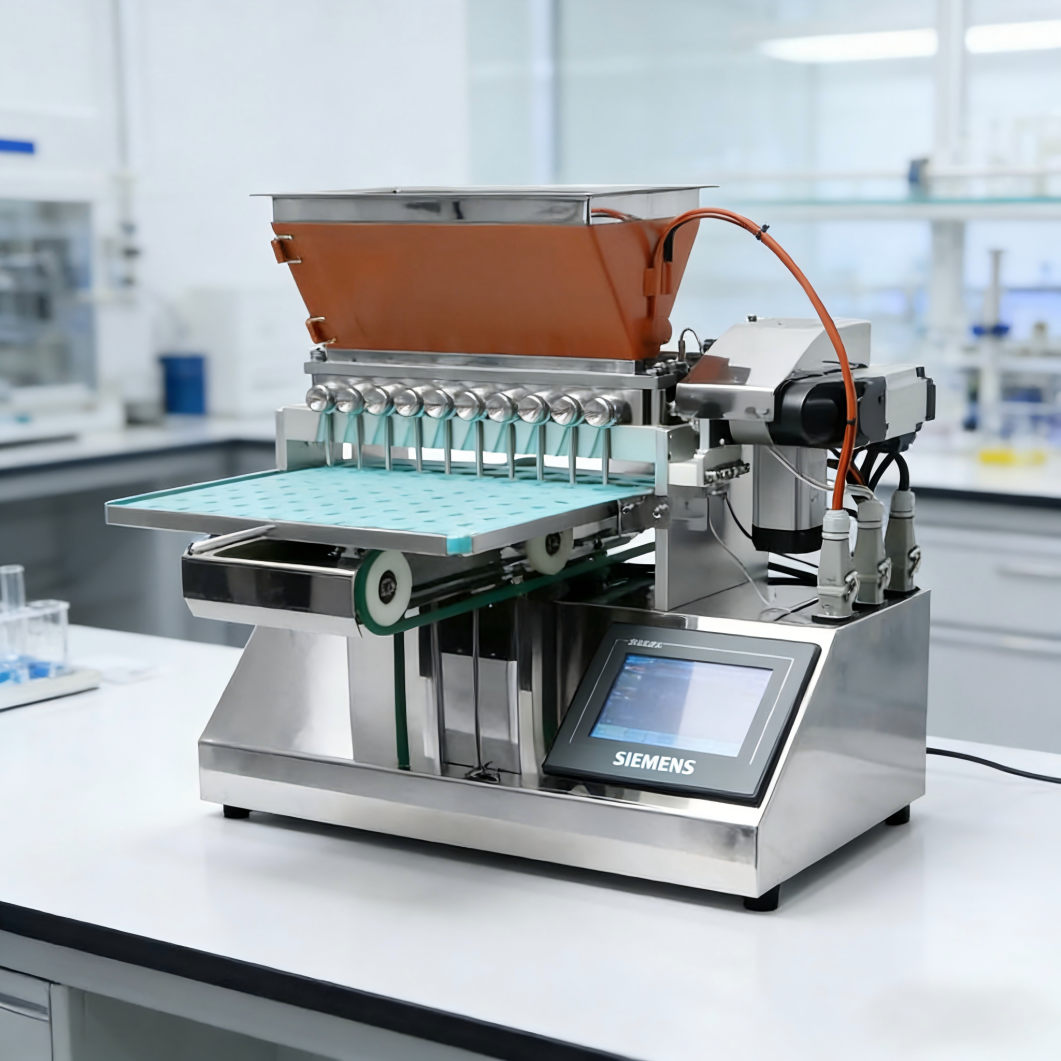
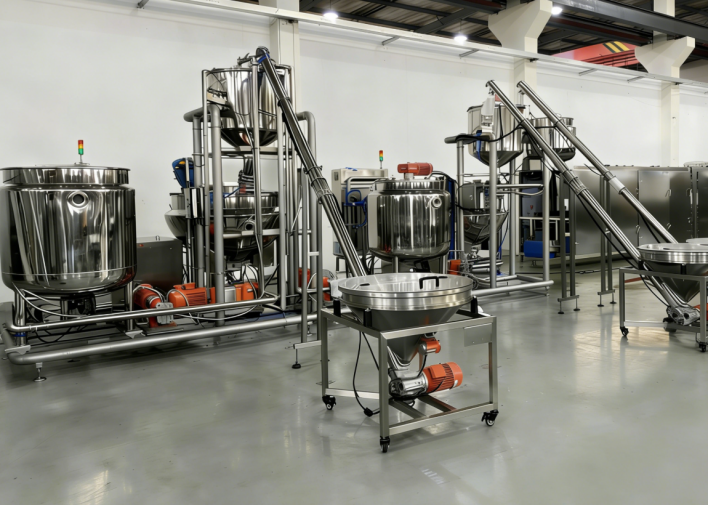
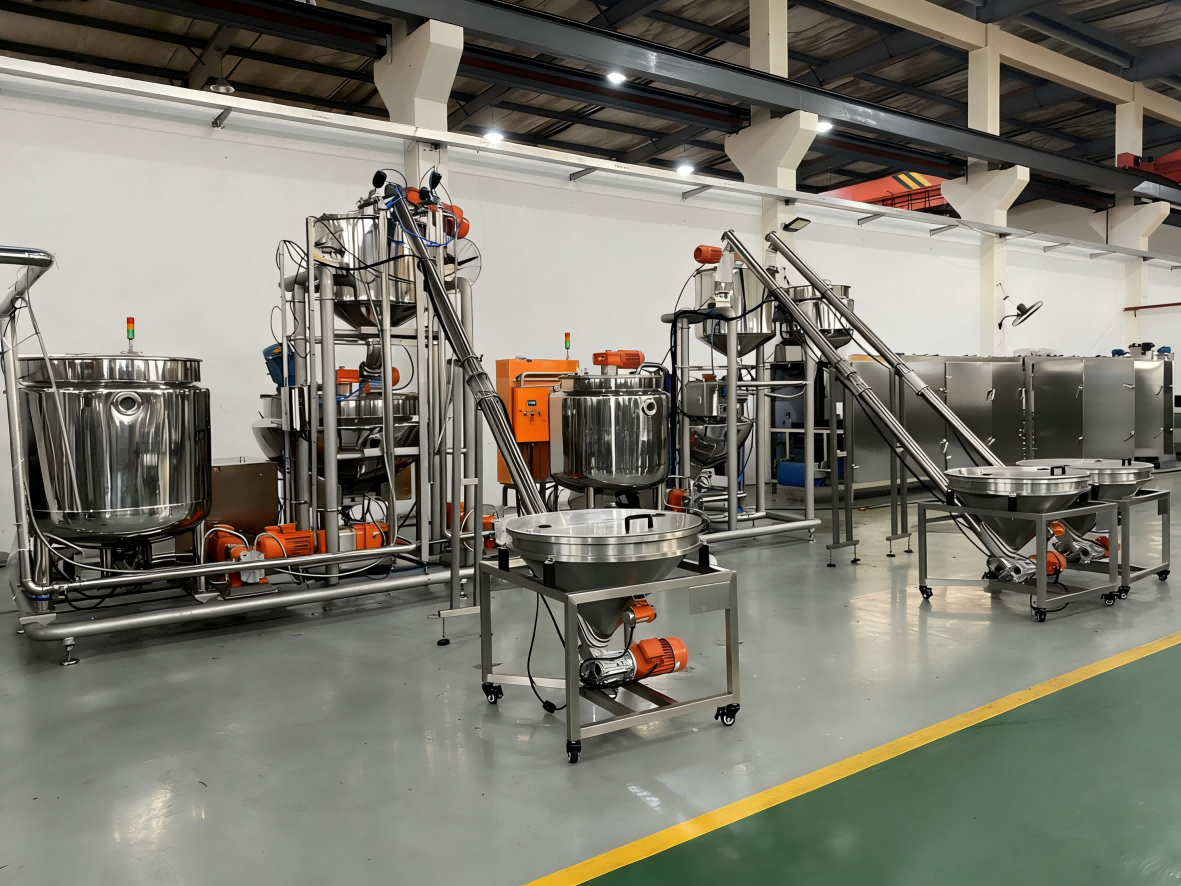
YTjellycandymachine’s latest production lines feature touchscreen interfaces for real-time adjustments, integrating molds with cooking kettles and cooling conveyors. This holistic approach minimizes defects, making it ideal for scaling gummy operations.
Common Challenges and Solutions
Despite advancements, issues like sticking or uneven shapes persist. Sticking arises from inadequate release agents; opt for vegetable-based sprays. Uneven shapes stem from poor deposition—calibrate pumps regularly.
The following table outlines common challenges and solutions:
| Challenge | Cause | Solution | YTjellycandymachine Feature |
|---|---|---|---|
| Sticking candies | Insufficient draft angles | Increase angles to 3° | Custom CNC machining |
| Air bubbles | High deposition speed | Vacuum integration | Built-in vacuum pumps |
| Shrinkage distortion | Temperature mismatch | Preheated molds | Automated preheat systems |
| Uneven cooling | Airflow variability | Laminar flow tunnels | Climate-controlled conveyors |
This table highlights how YTjellycandymachine addresses pain points, empowering factories to produce flawless 3D gummies efficiently.
Quality Control Measures
Rigorous quality control sustains perfection. Implement inline checks for weight, shape fidelity, and texture. Statistical process control tracks variances, triggering alerts.
For biscuit factories entering candy, YTjellycandymachine’s modular lines allow shared components like depositors, easing integration. Post-production sanding polishes minor imperfections, ensuring market-ready products.
Case Studies from Industry Leaders
Several factories have transformed output with modern molds. A European gummy producer using YTjellycandymachine lines reported 25% yield improvement and zero defects in 3D bear shapes. Similarly, an Asian biscuit factory diversified, achieving photorealistic fruit gummies.
These successes underscore the value of investing in complete production lines tailored for 3D precision.
Conclusion
Mastering perfect 3D shapes with modern jelly candy molds demands precision materials, thoughtful design, and advanced processes. By partnering with experts like YTjellycandymachine, biscuit and candy gummy factories can elevate production, captivate markets, and boost profitability. Embrace these techniques to future-proof your operations in the dynamic confectionery landscape.
Last Updated on April 8, 2026 by YTjellycandymachine