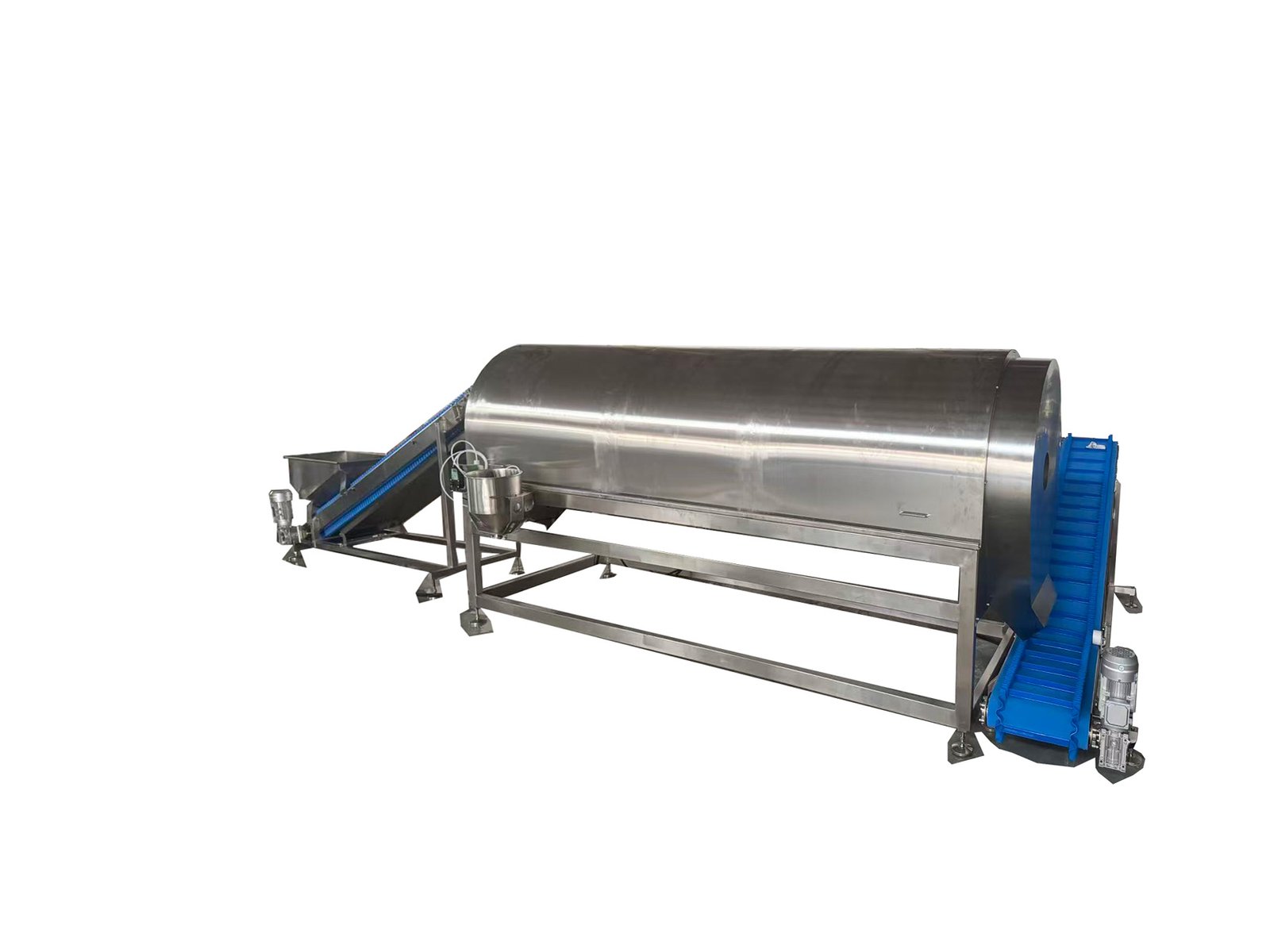
In our long-term service supporting confectionery brands worldwide, we’ve noticed one seemingly small but critically important — and often overlooked — detail: gummy candy surface coating.
Many brands invest heavily in ingredients, flavors, or packaging when developing new products, yet neglect surface treatment. Some even view coating as purely cosmetic. In reality, the right coating profoundly impacts not just appearance and mouthfeel, but also flavor perception, packaging compatibility, shelf life, and consumer acceptance across different markets.
YT breaks down the main gummy coating types, their differences, advantages, limitations, and ideal applications.
Table of Contents
1. Sugar Coating / Sanding
White granulated sugar coating is most common for children’s gummies and fun/functional soft candies — especially sour-sweet profiles like vitamin C gummies or apple cider vinegar gummies. The acidic base is balanced by the sweet outer layer, delivering a refreshing “crystalline crunch” while creating a lively, playful appearance perfect for youthful, fun-oriented brands.
YT Implementation Options:
– Post-depositing sanding: Immediately after depositing, apply sugar to prevent sticking, absorb internal moisture, and significantly reduce drying time. Post-drying surface remains fine and less prone to moisture regain.
– Post-drying coating: Most common method. We add a fine steam humidification system — producing ultra-fine, delicate mist that minimizes excess moisture while ensuring every gummy receives uniform powder adhesion.
2. Sour / Acid Powder Coating (Starch/Sour Coating)
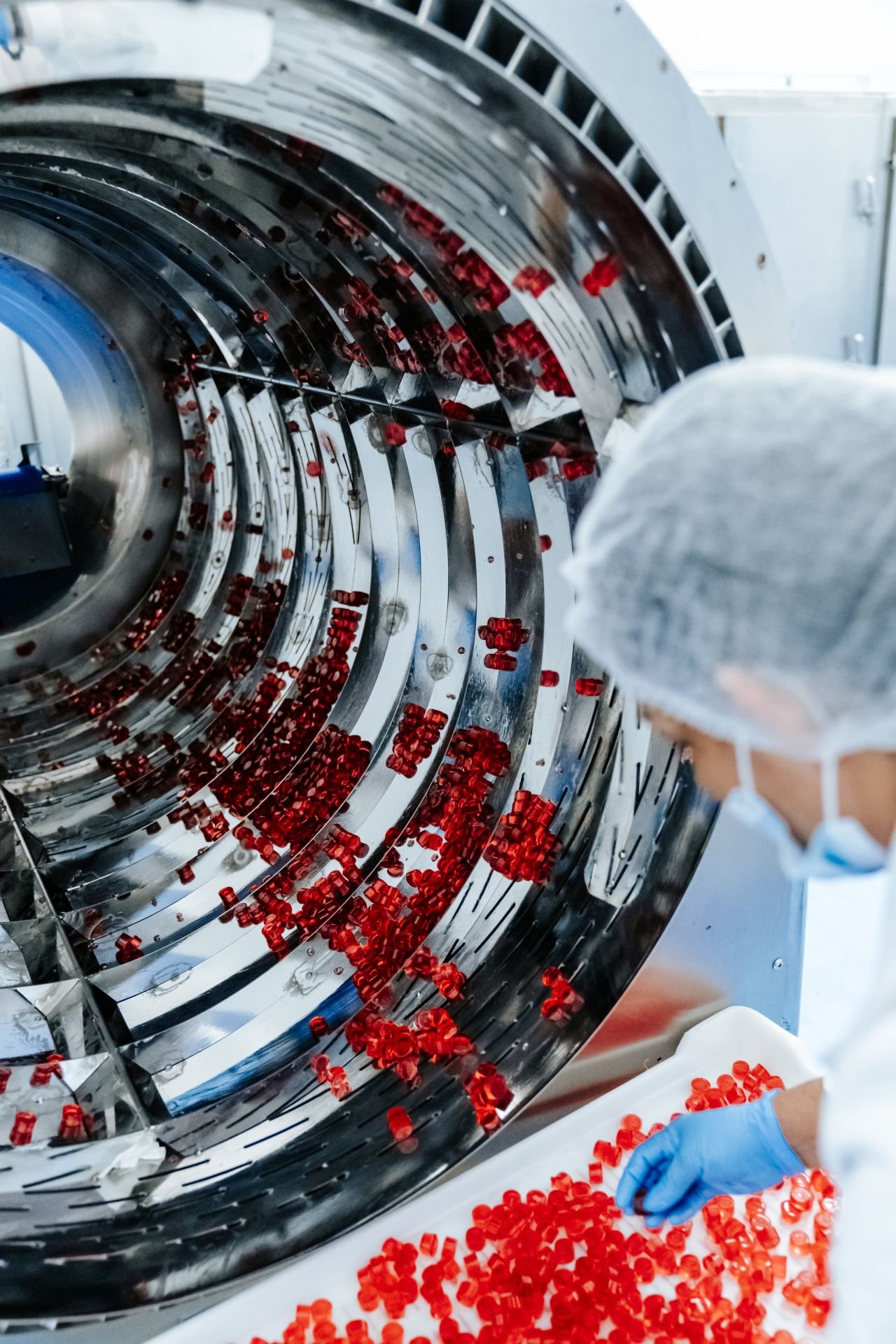
Acid sanding involves tumbling gummies in a blend of citric acid, malic acid, and fine sugar / trehalose powder — creating the signature “sour explosion” with a frosted, crystalline visual texture. This style is hugely popular among younger consumers and excels in social media / visual marketing.
In functional gummies, sour coating offers one of the strongest tools for personalized visual and flavor layering — distinct from anti-stick wax/oil or sweetening sugar coats. The powder directly modifies surface perception, adding sensory excitement and unique texture.
YT Features: Post-drying sour powder application in our dedicated coating drum with integrated starch dust collection system — minimizes fine powder escape, reduces equipment contamination, and keeps the workspace clean.
Considerations: Acid powder is highly hygroscopic — gummies must be immediately packaged after coating. High-humidity environments can cause dissolution, color fading, or bleeding. Not suitable for low-acid or acid-free claims.
3. Oil Coating
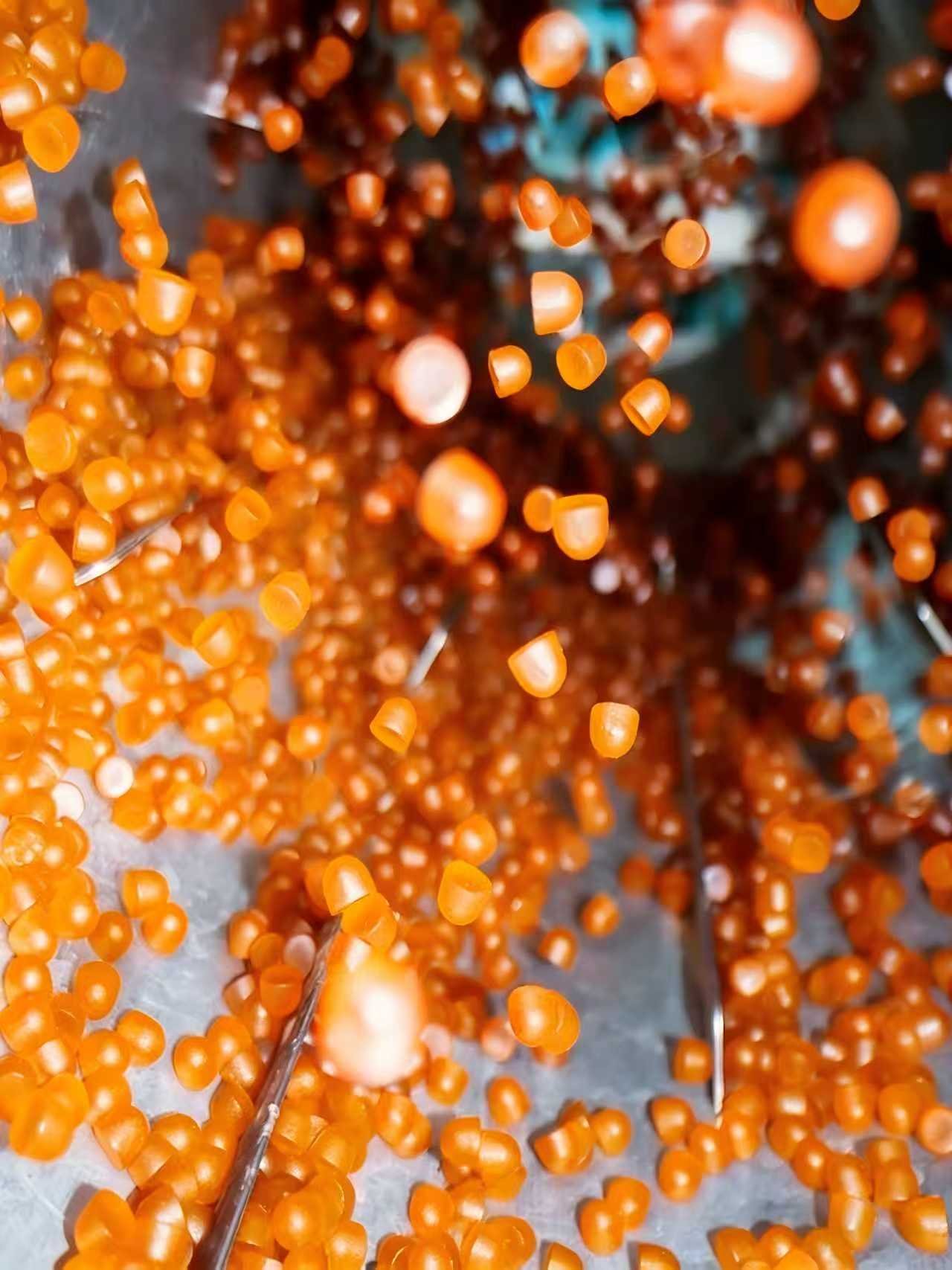
The most subtle of coatings — nearly invisible to the eye — yet functionally powerful. Oil doesn’t alter flavor or appearance but dramatically improves production and packaging performance: prevents sticking, reduces friction, enhances flowability.
Critical for high-speed filling, bagging, bottling lines — significantly boosting yield and efficiency.
Common Oils Used by Factories:
– MCT oil
– Vegetable glycerin
– Sunflower oil, canola oil, etc.
Best For:
– Invisible anti-stick needs (collagen, probiotic, or sticky functional gummies)
– Wax dilution / carrier
– Clean-label alternatives to beeswax
– Smooth-flow products in bottles or bags
4. Wax / Resin Coating (Shellac & Arabic Gum)
Among all gummy coatings, resin-based systems represent the highest technical level. Beyond anti-stick, they provide superior moisture barrier, durability, and extended shelf life — essential for products facing high temperature/humidity, long-distance shipping, or export markets.
Particularly recommended for nutraceutical/functional gummies, herbal actives, or shipments to Southeast Asia, Middle East, Africa, and other challenging climates.
Two Main Types Used in Industry:
A. Shellac (Insect-Derived Resin)
Natural resin secreted by lac bugs (primarily from India). Forms a hard, high-gloss, highly impermeable barrier — widely used in pharmaceuticals, polishing agents, and specialty foods.
Typical Soft Gummy Applications:
– Maximum protection
– Extended shelf life
– High-gloss, premium appearance
– Reduced deformation during transport
Best Scenarios:
– High-temperature/high-humidity export markets (Southeast Asia, Middle East)
– Herbal / medicinal-grade gummies
– High-oil or sticky formulas (fish oil, probiotics)
– Long-shelf-life SKUs
Application Process: Diluted in ethanol or food-grade solvent, applied via specialized spray or roller system. Requires controlled ventilation/low-temperature drying to form uniform film without mottling.
Advantages:
– Outstanding moisture barrier — ideal for humid climates
– Hard shell reduces transport damage
– High gloss enhances premium perception
– Can be combined with oil/wax for enhanced performance
Disadvantages:
– Animal origin — not suitable for vegan, halal, or kosher markets
– Not clean-label friendly (must declare “shellac” or “resin”)
– Ethanol-based application may require additional regulatory declaration
– Film formation slower; drying control is critical
YT Note: Frequently used for fermented, oil-based, or high-stability gummies destined for Southeast Asia and similar regions.
B. Arabic Gum (Plant-Based Resin)
Natural gum from Acacia trees (Africa). Water-soluble, edible, widely used as emulsifier and film-former in food & pharma.
Compared to shellac, Arabic gum offers:
– 100% plant origin
– Vegan, halal, kosher friendly
– Fully clean-label compliant
Often chosen as shellac substitute for ingredient-sensitive or label-conscious projects.
Best Scenarios:
– Premium / clean-label gummies (Europe, North America markets)
– Vegan / halal / kosher products
– Probiotic / yeast-based formulas
– Surface-stabilized functional gummies
Application Process: ≥10% aqueous solution sprayed to form transparent film; requires thorough drying to avoid moisture entrapment. Similar to shellac — uses low-temperature airflow drying.
Advantages:
– Completely plant-based — label-friendly worldwide
– High safety & broad regional acceptance
– Good moisture barrier & surface protection
– Improves adhesion of color/acid powders
Disadvantages:
– Moisture resistance inferior to shellac — better for temperate climates
– Higher raw material cost
– Uneven thickness possible if drying not controlled
– Potential reaction with strong acids — pre-testing recommended
Ready to choose the perfect coating for your next gummy line? Contact YT today for expert guidance, coating trials, customized equipment (sanding drum with steam humidification, oil sprayer, resin applicator), or full process optimization — whether for fun kids’ gummies, functional nutraceuticals, export stability, or clean-label premium products!
Last Updated on March 20, 2026 by YTjellycandymachine