Table of Contents
What is the secret to making perfectly layered multi-color jellies?
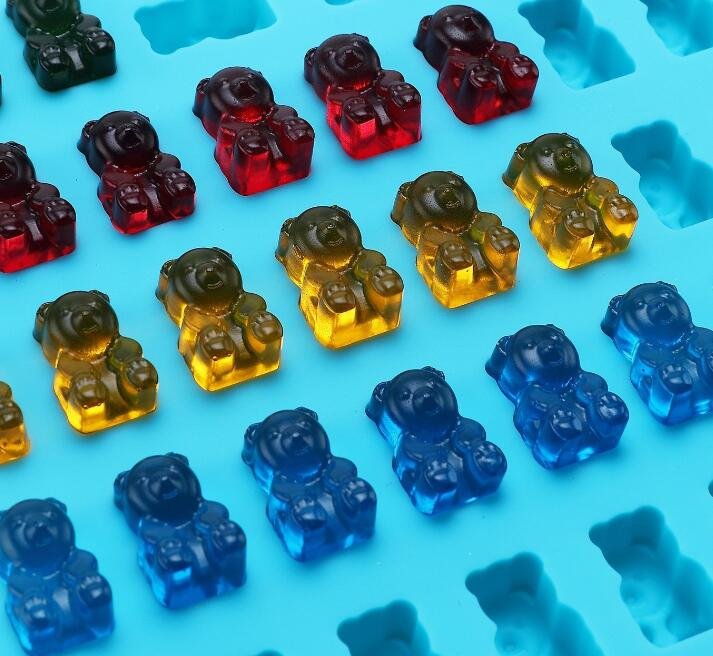
In the competitive world of confectionery production, perfectly layered multi-color jellies stand out as a visually stunning and consumer-favorite product. These delightful treats feature distinct, vibrant layers that not only enhance appeal but also deliver varied flavors and textures in every bite. For biscuit or candy gummy factories looking to diversify their offerings, mastering this technique can unlock new revenue streams. The secret, however, lies not just in recipes or skill but in the seamless integration of precision engineering and controlled processes. Leading factories turn to advanced production lines like those from YTjellycandymachine to achieve flawless results consistently. This article delves into the intricacies of creating these masterpieces, revealing how the right equipment transforms challenges into opportunities.
Transitioning from traditional biscuits or single-color gummies to multi-layered jellies requires understanding the foundational elements. Each layer must set partially before the next is added, preventing bleeding while ensuring adhesion. This delicate balance demands exact temperature control, timing, and deposition accuracy—areas where manual methods often falter.
Understanding the Layering Process
The layering process begins with preparing individual gelatin-based mixtures for each color. Gelatin, the core gelling agent, hydrates and blooms before heating to form a viscous liquid. Sugars, flavorings, and colors are incorporated meticulously to maintain clarity and vibrancy. As we move forward, the first layer is deposited into molds, cooled to a semi-set state—typically around 25-30°C—before the subsequent layer follows. This staged cooling prevents diffusion between layers, a common pitfall in less sophisticated setups.
Moreover, factors like humidity and airflow play crucial roles. Excessive moisture can cause layers to soften prematurely, while inadequate cooling leads to merging colors. Factories expanding from gummy production benefit here, as their existing mixing expertise adapts readily with the right machinery upgrades.
Key Ingredients for Optimal Layering
Selecting high-quality ingredients sets the stage for success. Gelatin strength, measured in Bloom values (e.g., 250 Bloom for firm layers), ensures proper setting times. Corn syrup or invert sugar provides body without crystallization, while acidulants like citric acid fine-tune pH for stability. Natural or approved synthetic colors must resist fading during processing.
To illustrate formulation basics, consider these proportional guidelines:
| Component | First Layer (Base) | Middle Layers | Top Layer |
|---|---|---|---|
| Gelatin (250 Bloom) | 8-10% | 7-9% | 6-8% |
| Sugar/Syrup Blend | 50-60% | 55-65% | 60-70% |
| Water | 25-30% | 22-28% | 20-25% |
| Flavor/Color/Acid | 2-5% | 2-5% | 2-5% |
This table highlights adjustments for varying layer positions, ensuring the base is sturdiest. Such precision minimizes defects and appeals to factories scaling production.
The Role of Precision Machinery
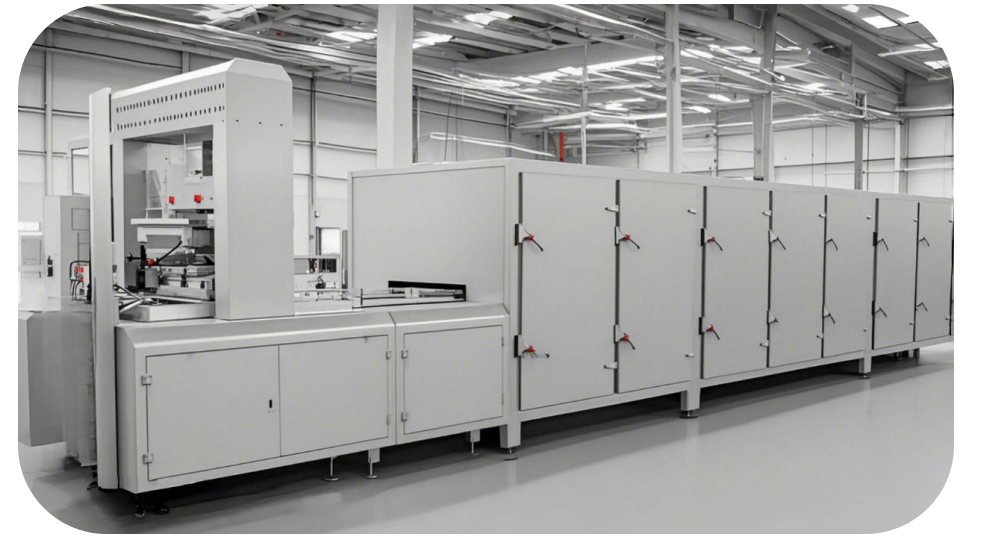
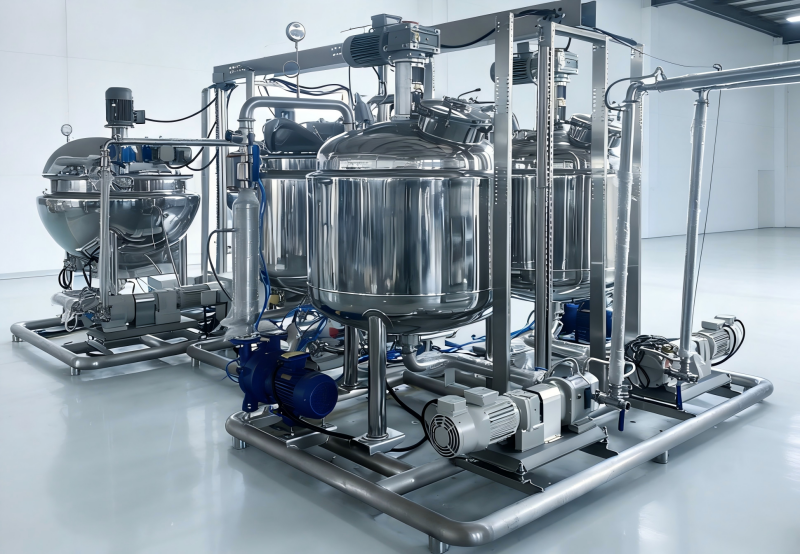
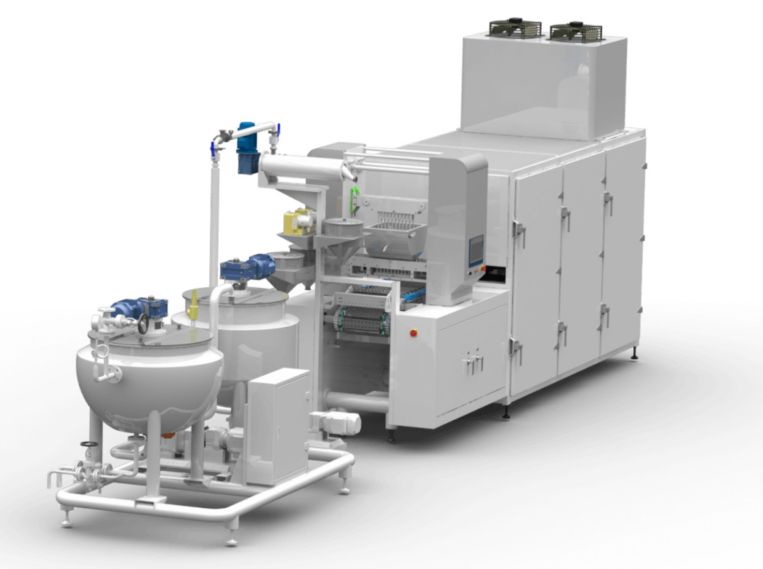
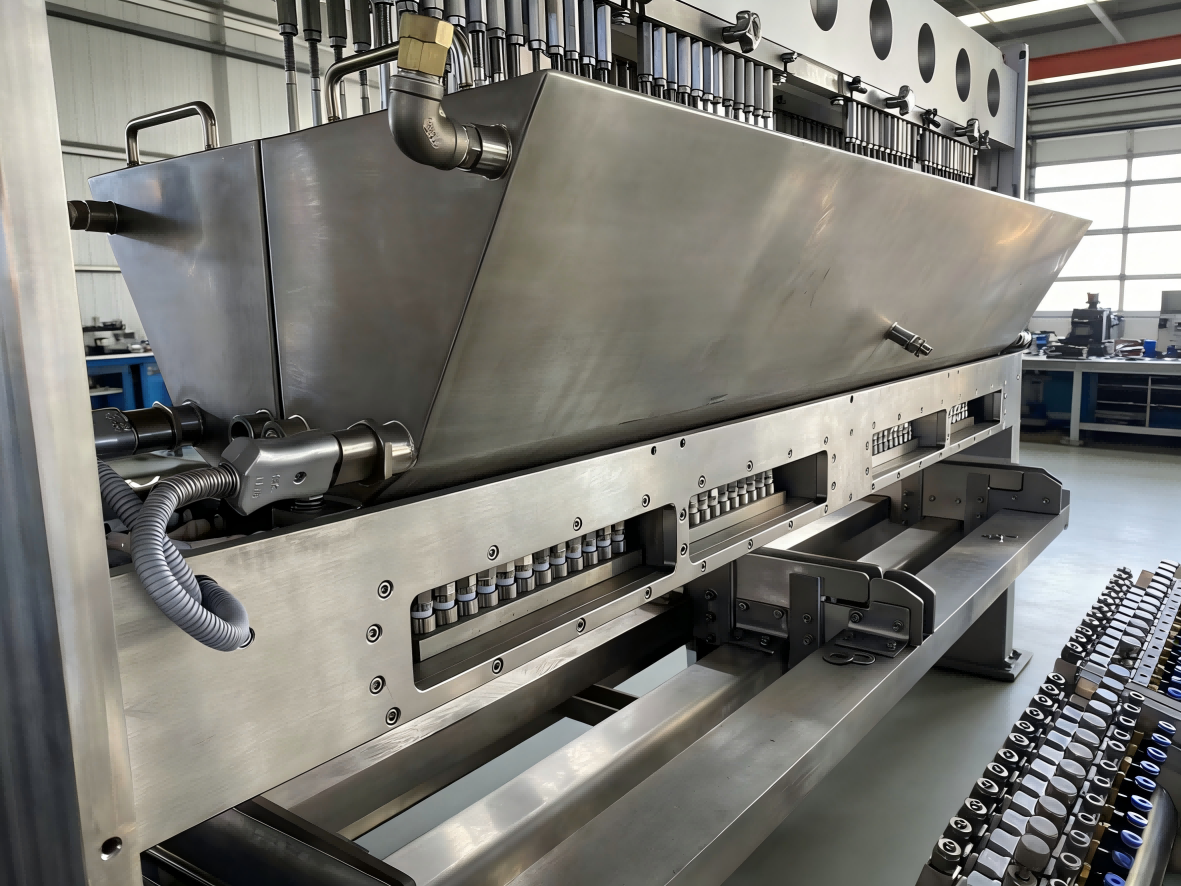
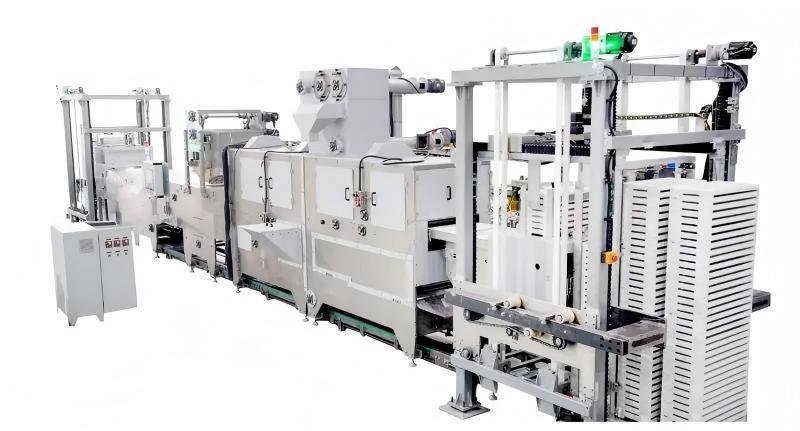
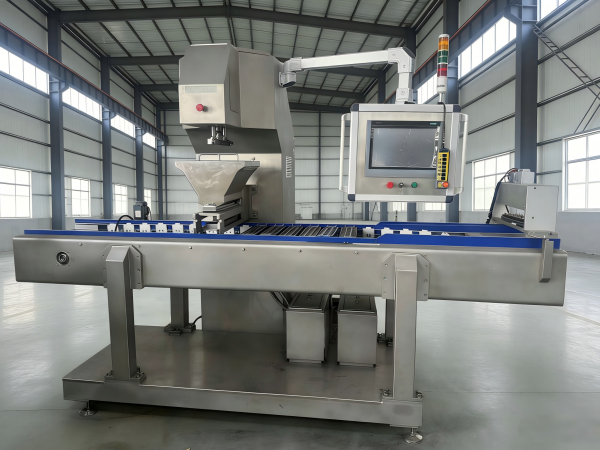
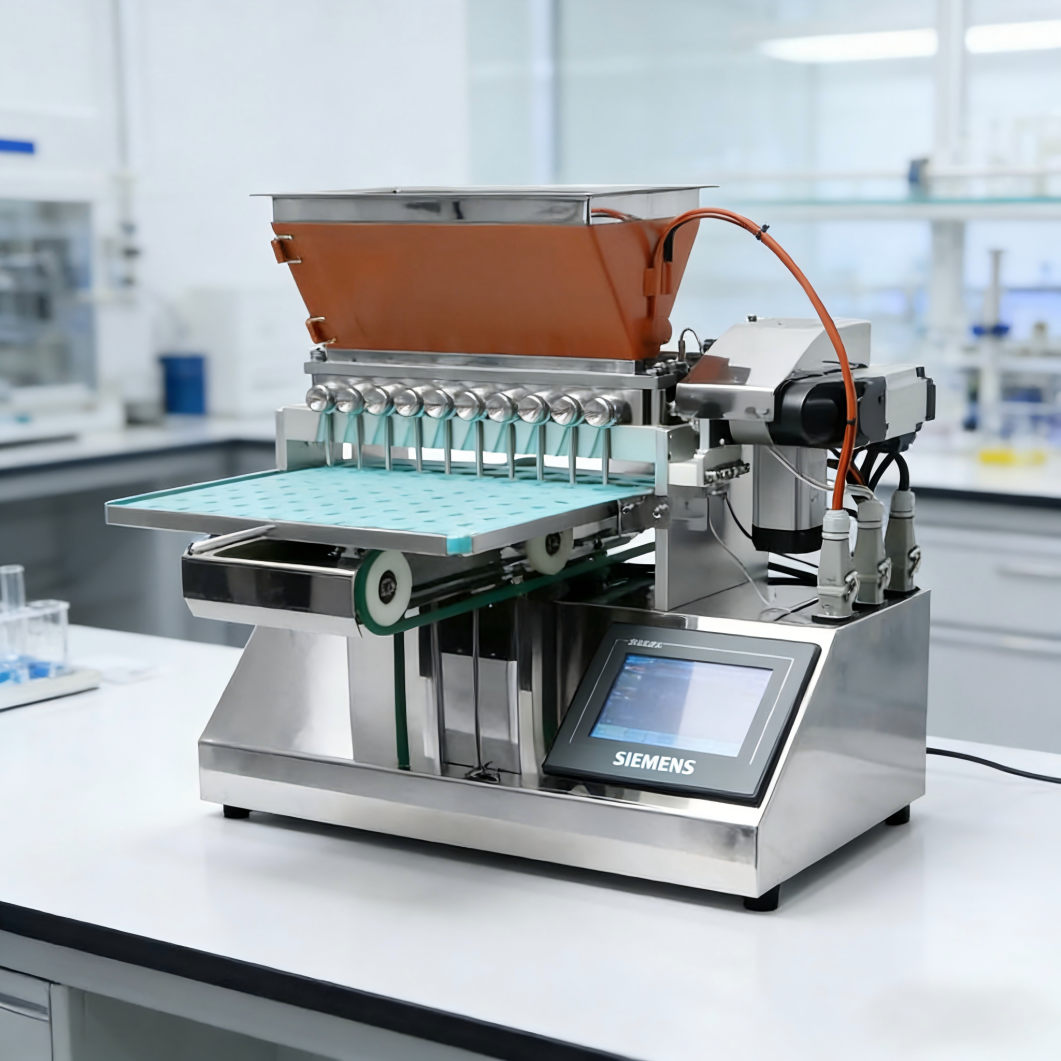
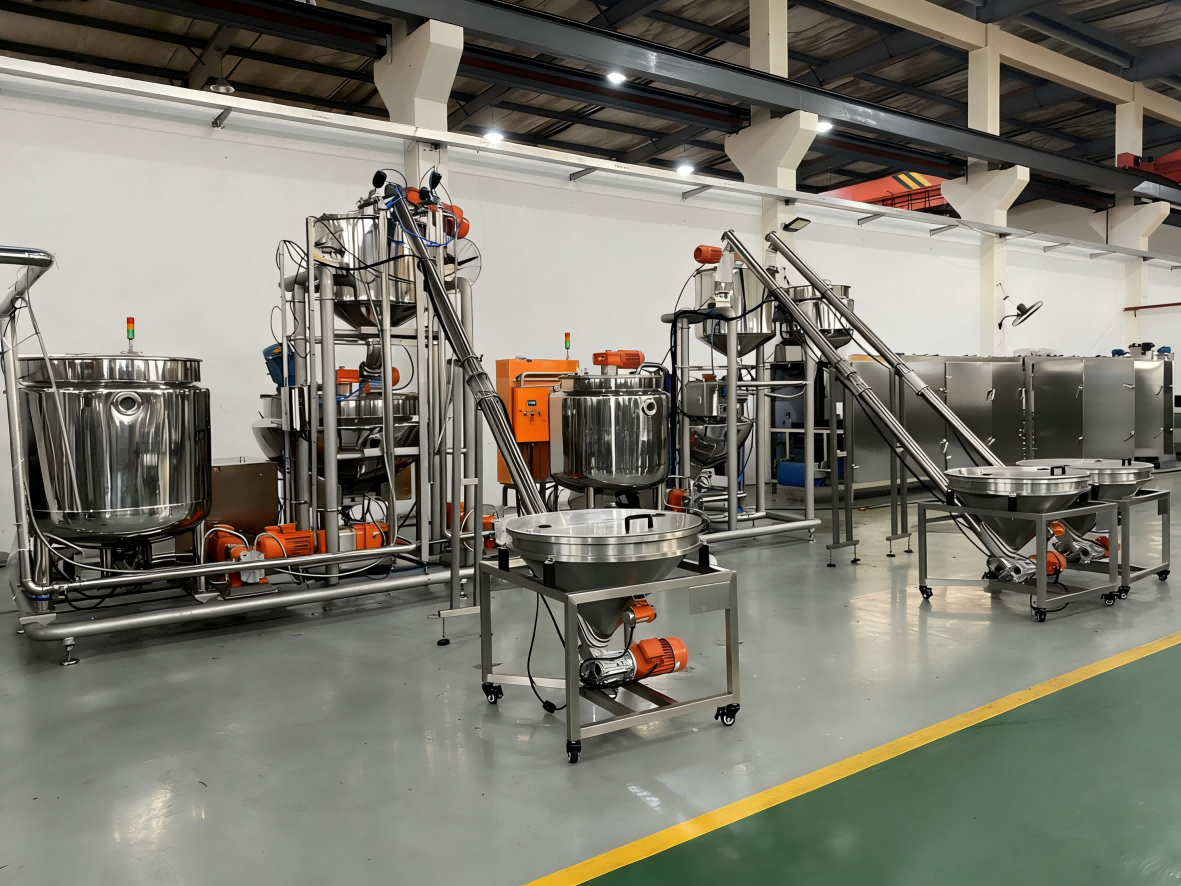
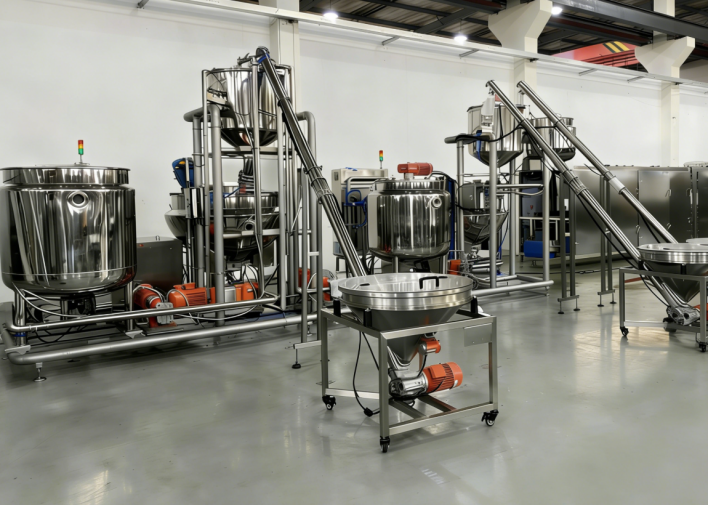
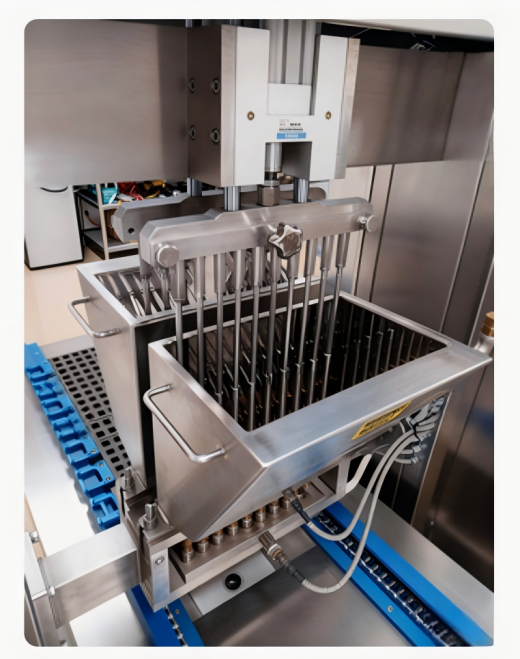
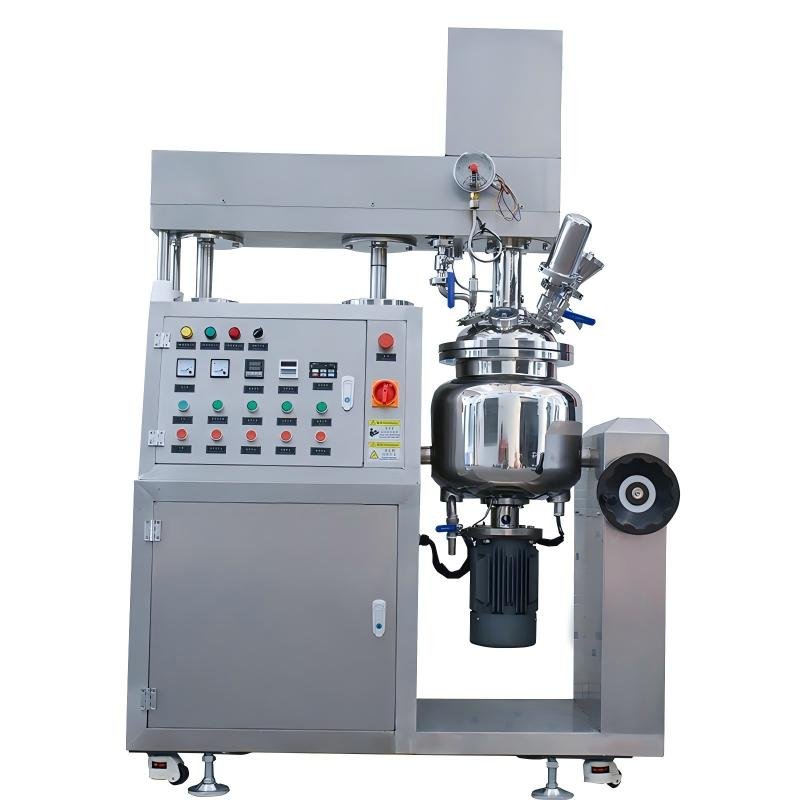
While ingredients matter, the true secret resides in specialized equipment. YTjellycandymachine production lines exemplify this with their multi-nozzle depositors capable of sequential layering at speeds up to 20 cycles per minute. These machines feature independent temperature zones, PLC-controlled cooling tunnels, and servo-driven pumps for micron-level accuracy.
For biscuit factories venturing into jellies, YTjellycandymachine’s modular designs integrate easily with existing lines, reducing downtime. Their starch mogul systems handle molding, deposition, and demolding in one continuum, eliminating human error. Clients report 30% yield improvements after adoption.
Step by Step Production Mastery
Mastering production involves a systematic approach. YTjellycandymachine optimizes each stage for perfection:
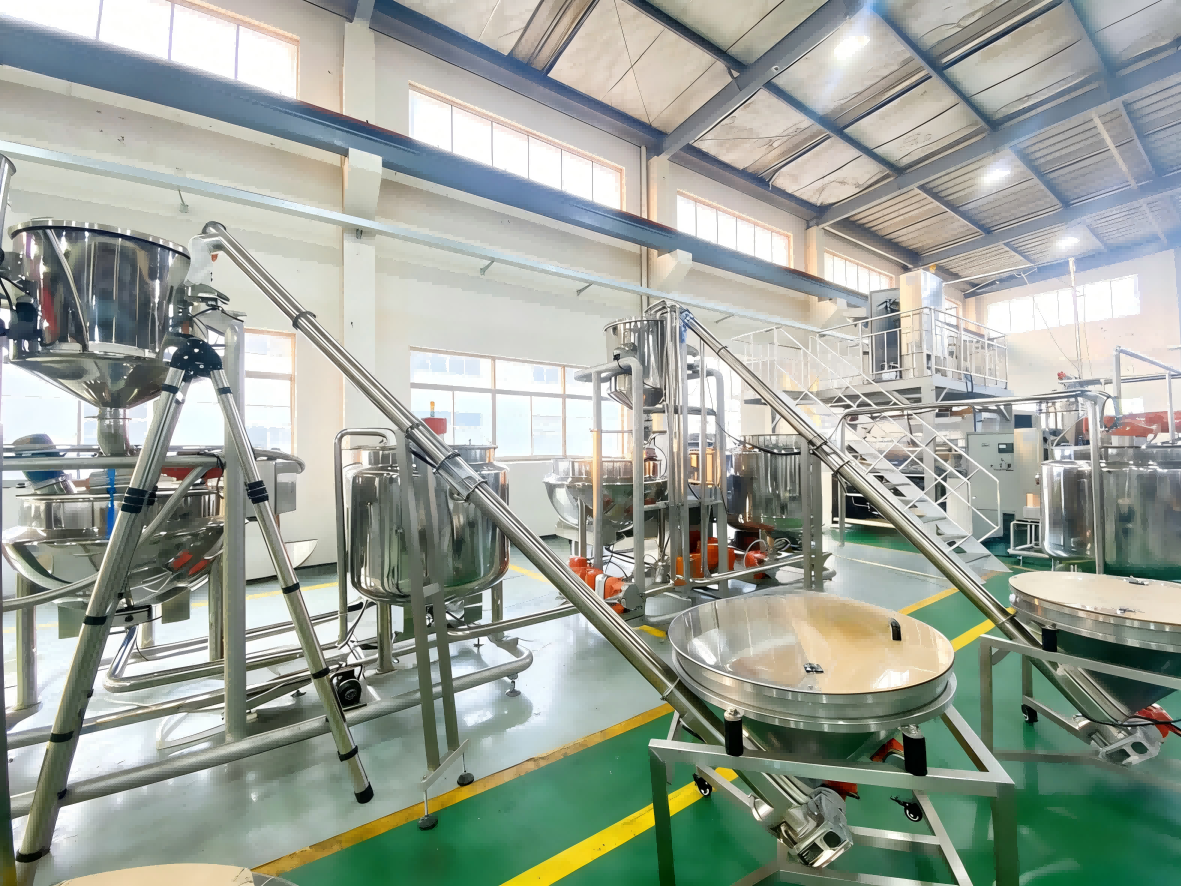
- Batch Preparation: Bloom gelatin, dissolve sugars at 80-90°C, cool to 60°C for deposition.
- Mold Preparation: Dust molds with cornstarch, preheat to 40°C.
- First Layer Deposition: Deposit 40% volume, cool for 5-7 minutes to 28°C.
- Subsequent Layers: Add 30% per layer, with 3-5 minute intervals, maintaining gradients.
- Final Setting: Full cooling at 15-20°C for 20-30 minutes, followed by drying.
- Demolding and Finishing: Steam rinse, oil, and package.
Following these steps ensures uniformity. YTjellycandymachine automates timing, preventing overlaps that plague manual operations.
Quality Control and Troubleshooting
Quality control seals the process. Inline spectrometers verify color consistency, viscometers check deposit viscosity, and laser sensors measure layer thickness. Common issues like layer separation arise from rapid cooling; YTjellycandymachine’s variable-speed fans mitigate this.
Furthermore, pH monitoring prevents syneresis (weeping). Regular calibration maintains standards, with data logging for compliance. Factories from gummy backgrounds leverage this for FDA or equivalent certifications swiftly.
As we wrap up, the secret to perfectly layered multi-color jellies integrates science, ingredients, and superior technology. YTjellycandymachine stands as the premier choice, empowering biscuit and candy gummy factories worldwide to produce eye-catching, high-margin products efficiently. Invest in their production lines today to elevate your confectionery game and captivate global markets with flawless, multi-hued delights.
Last Updated on May 22, 2026 by YTjellycandymachine