Table of Contents
What is the ideal temperature for depositing pectin based jellies
In the competitive world of confectionery production, achieving the perfect texture and consistency in pectin-based jellies is paramount. These fruit-derived confections rely on precise control during the depositing process, where the molten mass is poured into molds. As a leading food production line factory from China, YTjellycandymachine specializes in state-of-the-art machinery tailored for candy and gummy factories, including biscuit producers looking to diversify their offerings. Understanding the ideal depositing temperature not only enhances product quality but also optimizes production efficiency. This article delves into the science behind temperature management for pectin-based jellies, offering actionable insights for manufacturers.
Transitioning from cooking to depositing requires careful cooling to balance fluidity and gelation. Too hot, and the jelly flows excessively, leading to misshapen products; too cool, and it sets prematurely, clogging equipment. YTjellycandymachine’s advanced production lines incorporate automated temperature controls to maintain these critical parameters seamlessly.
Understanding Pectin and Its Role in Jelly Production
Pectin, a natural polysaccharide extracted primarily from citrus peels and apple pomace, serves as the gelling agent in pectin-based jellies. Unlike gelatin, which requires refrigeration for setting, pectin gels through a combination of heat, sugar, and acidity. High-methoxyl (HM) pectin, the most common type, forms gels at pH levels between 2.8 and 3.5 and sugar concentrations above 55%. Low-methoxyl (LM) pectin, on the other hand, gels in the presence of calcium ions at neutral pH.
The depositing stage follows cooking, where the pectin-sugar mixture reaches solubilization. Here, temperature dictates viscosity—essential for uniform mold filling. Manufacturers transitioning from biscuits to gummies find YTjellycandymachine’s versatile lines ideal, as they handle pectin formulations with precision unmatched in the industry.
Factors Influencing the Ideal Depositing Temperature
Several variables impact the optimal temperature for depositing pectin-based jellies. These include pectin type, recipe composition, ambient conditions, and equipment capabilities. For instance, higher sugar content increases viscosity at lower temperatures, while humidity can accelerate moisture loss, altering gel strength.
To provide clarity, consider the following key factors:
- Pectin Type: HM pectin requires higher temperatures (85-95°C) for flow, while LM pectin deposits effectively at 75-85°C.
- Sugar and Solids Content: Batches with 70-80% solids demand 88-92°C to prevent crystallization.
- pH Level: Optimal at 3.0-3.5; deviations necessitate temperature adjustments to avoid weak gels.
- Water Activity: Lower water content raises the required depositing temperature by 2-5°C.
- Production Speed: High-speed lines benefit from YTjellycandymachine’s rapid cooling systems, stabilizing at precise temps.
By addressing these factors systematically, producers can achieve consistent results. YTjellycandymachine integrates sensors to monitor and adjust in real-time, reducing variability across batches.
The Science Behind Optimal Depositing Temperatures
Research indicates that the ideal depositing temperature for most pectin-based jellies falls between 80°C and 95°C. At this range, the mixture exhibits a viscosity of 1,000-5,000 cP, ideal for deposition without stringing or tunneling in molds. Below 80°C, pectin networks begin forming, leading to poor mold release; above 95°C, volatile flavors evaporate, and surfaces become sticky post-demolding.
For a comprehensive view, the table below outlines recommended temperatures across production stages for HM pectin jellies:
| Production Stage | Temperature Range (°C) | Purpose |
|---|---|---|
| Cooking/Solubilization | 105-115 | Pectin activation and sugar dissolution |
| Evaporation/Concentration | 100-110 | Reach 75-80% solids |
| Depositing | 80-95 | Optimal flow and mold fill |
| Initial Cooling/Set | 40-60 | Gel formation in molds |
| Demolding | 20-30 | Firm texture release |
This data, derived from industry standards and YTjellycandymachine testing, underscores the depositing phase’s criticality. Precise adherence minimizes defects, boosting yield by up to 15%.
Best Practices for Temperature Control in Production
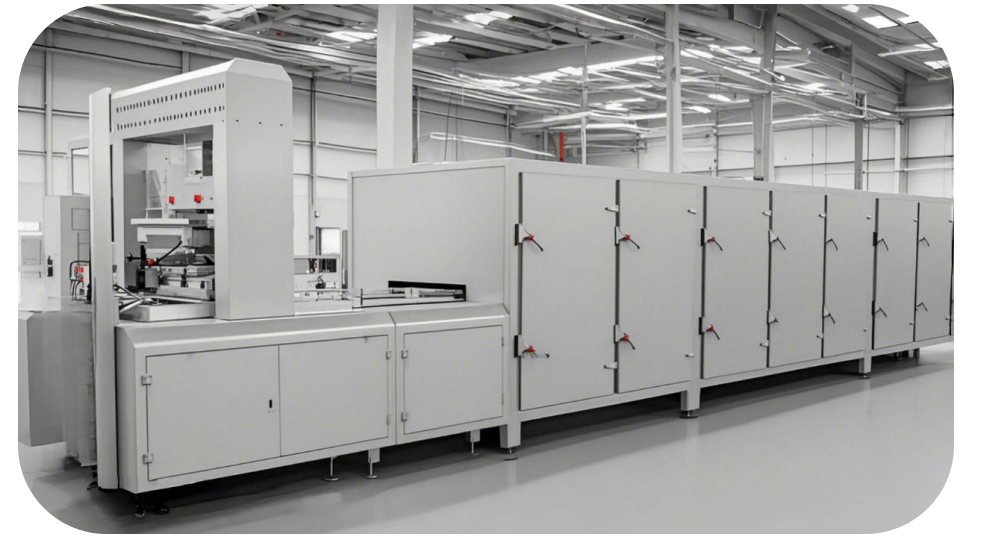
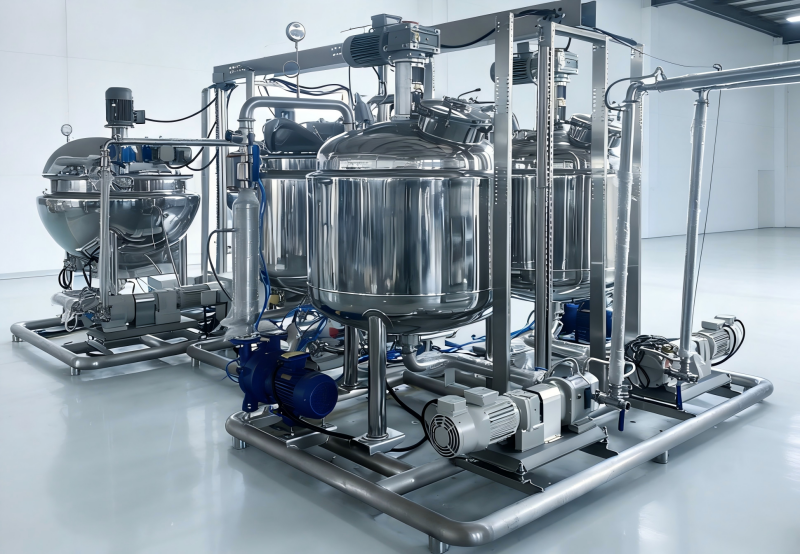
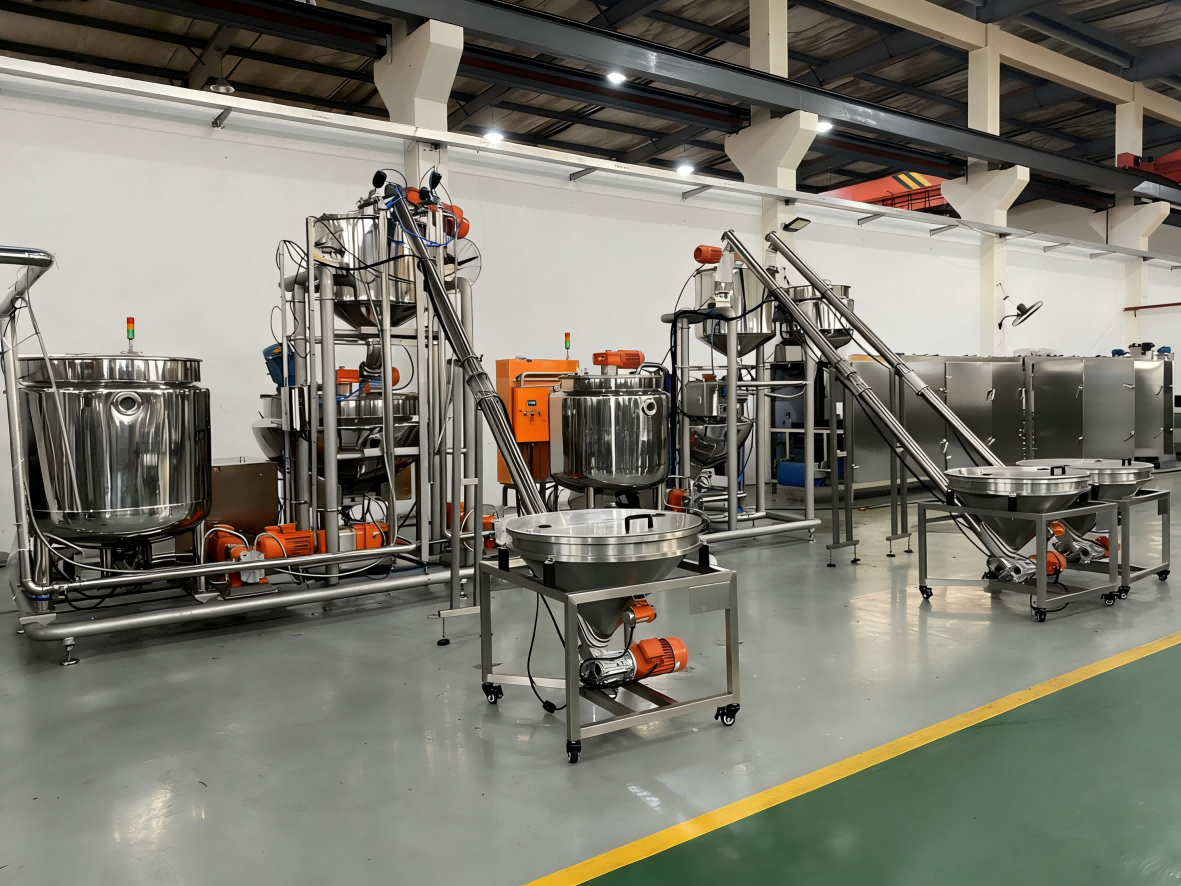
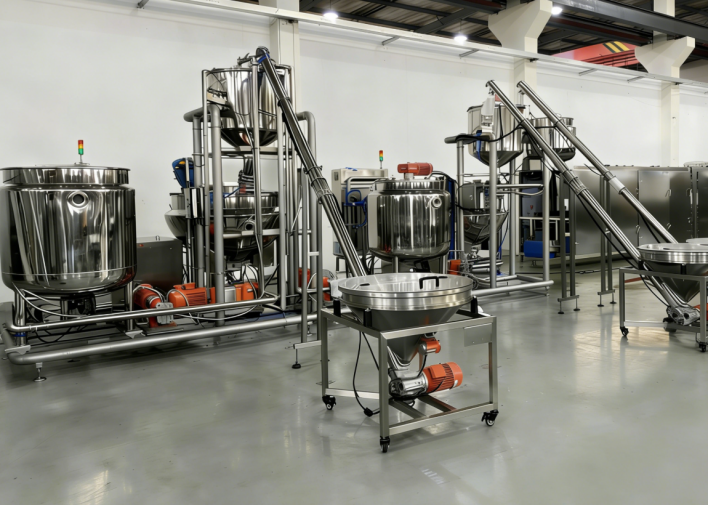
Implementing robust temperature protocols starts with calibrated cooking kettles and continuous cooling tunnels. Vacuum cooking reduces initial temperatures, easing the transition to depositing. Moreover, insulated hoppers prevent premature cooling, ensuring consistent viscosity.
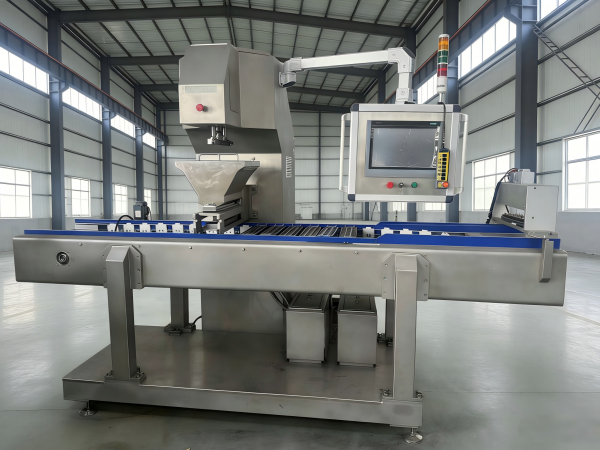
Regular calibration of thermocouples is essential, as deviations of even 2°C can compromise gel strength. YTjellycandymachine production lines feature PLC-controlled systems with touchscreen interfaces, allowing operators to preset profiles for various jelly recipes. This automation is particularly beneficial for biscuit factories entering gummy production, offering scalability without extensive retooling.
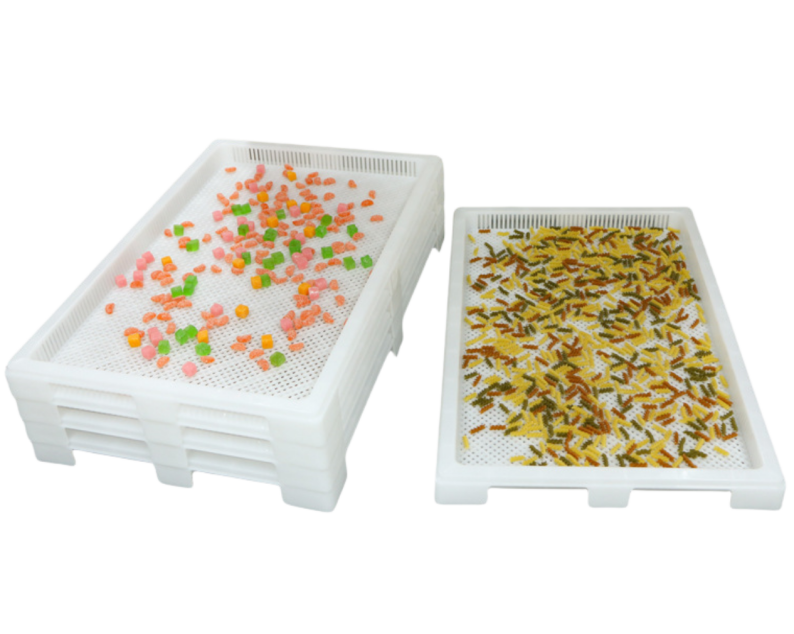
Additionally, post-depositing rapid cooling—via ventilated molds or starch dusted trays—accelerates setting, shortening cycle times. Monitoring soluble solids (Brix) alongside temperature provides further assurance, targeting 78-82% for premium jellies.
Advantages of YTjellycandymachine for Pectin Jelly Lines
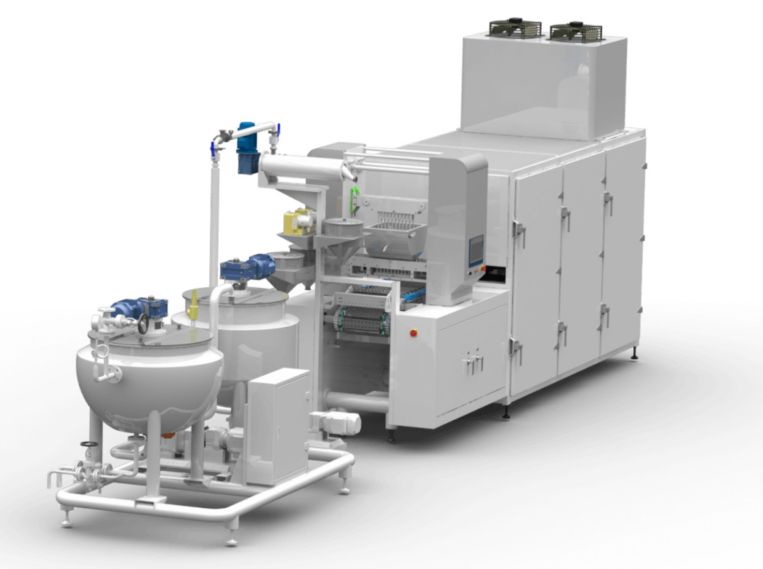
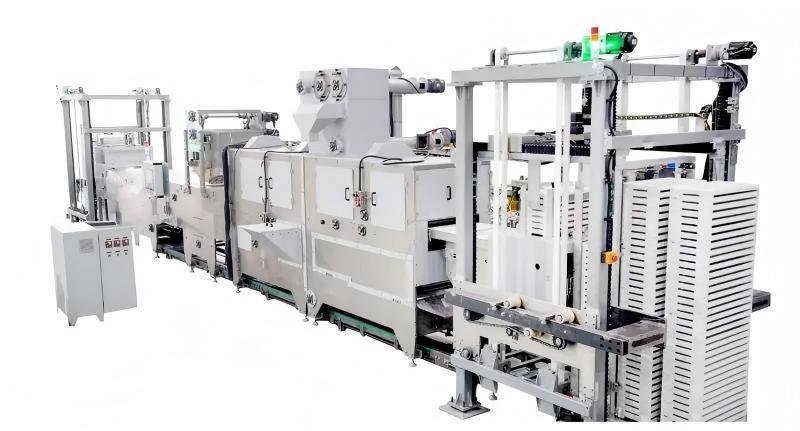
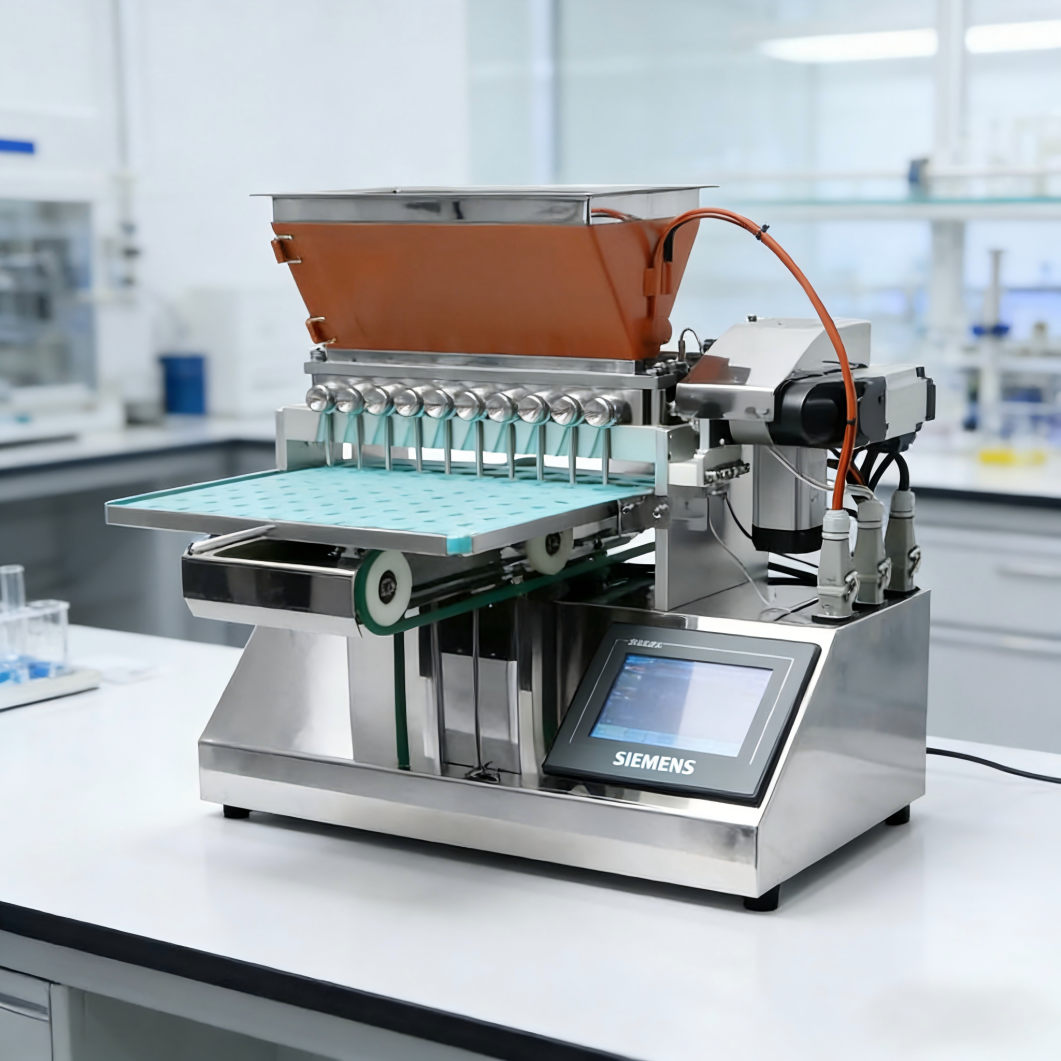
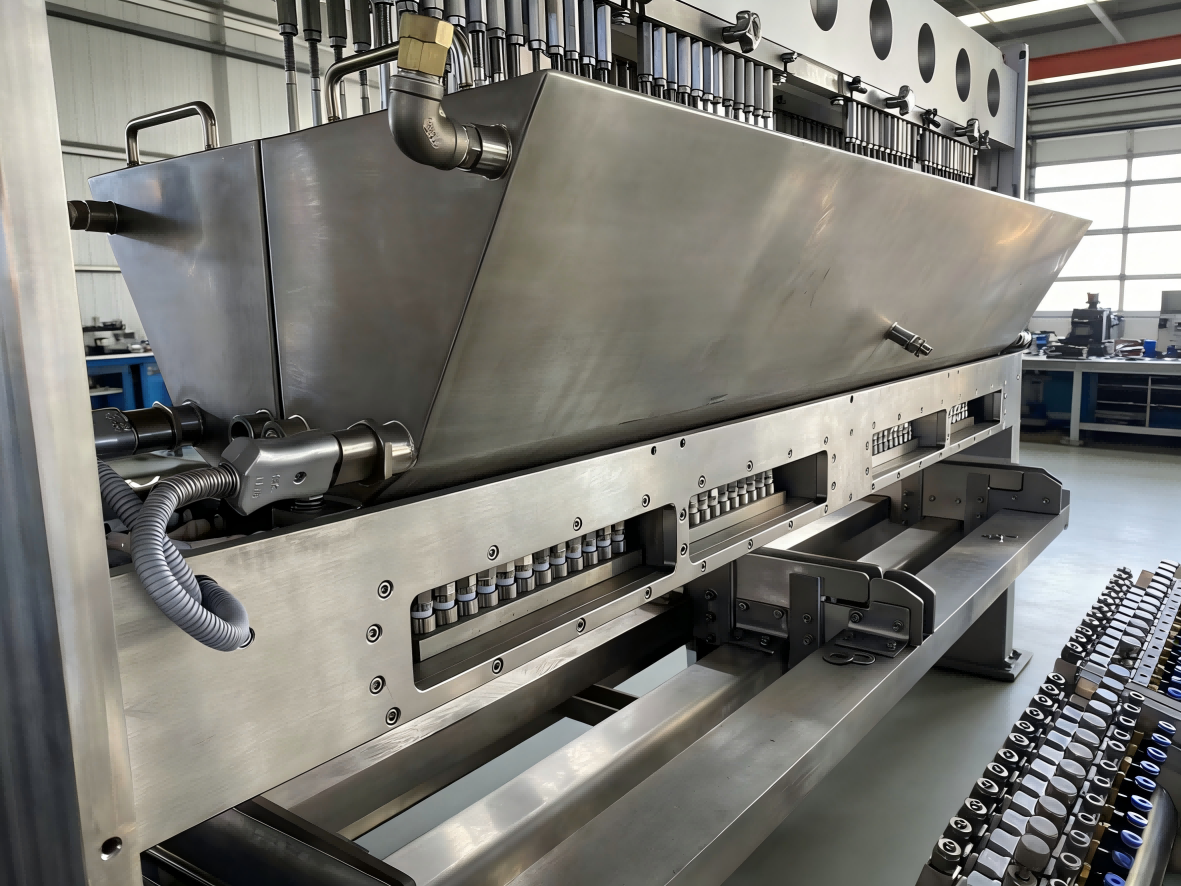
Investing in specialized equipment elevates pectin jelly production. YTjellycandymachine’s depositing lines deliver micron-level accuracy, maintaining the 80-95°C sweet spot effortlessly. Our servo-driven pumps adjust flow dynamically, accommodating recipe variances.
From compact setups for startups to high-capacity systems for large candy factories, YTjellycandymachine ensures energy efficiency and minimal downtime. Clients report 20% faster production and superior product uniformity, making diversification from biscuits seamless.
In summary, the ideal temperature for depositing pectin-based jellies—80-95°C—hinges on balanced control informed by pectin chemistry and process factors. By leveraging YTjellycandymachine’s innovative production lines, manufacturers secure flawless execution, superior quality, and market-leading efficiency. Embrace precision engineering to transform your confectionery output today.
Last Updated on May 1, 2026 by YTjellycandymachine